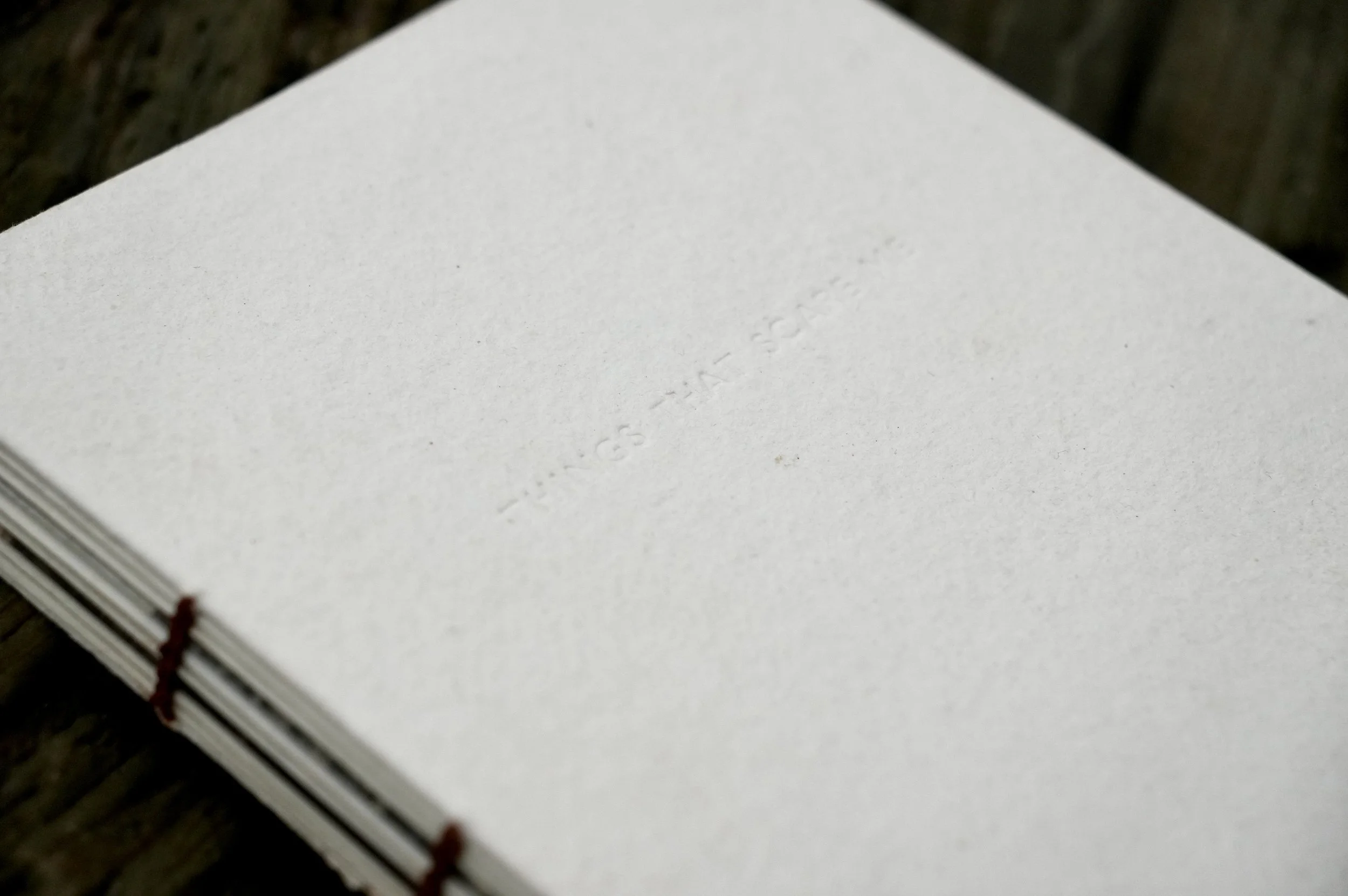
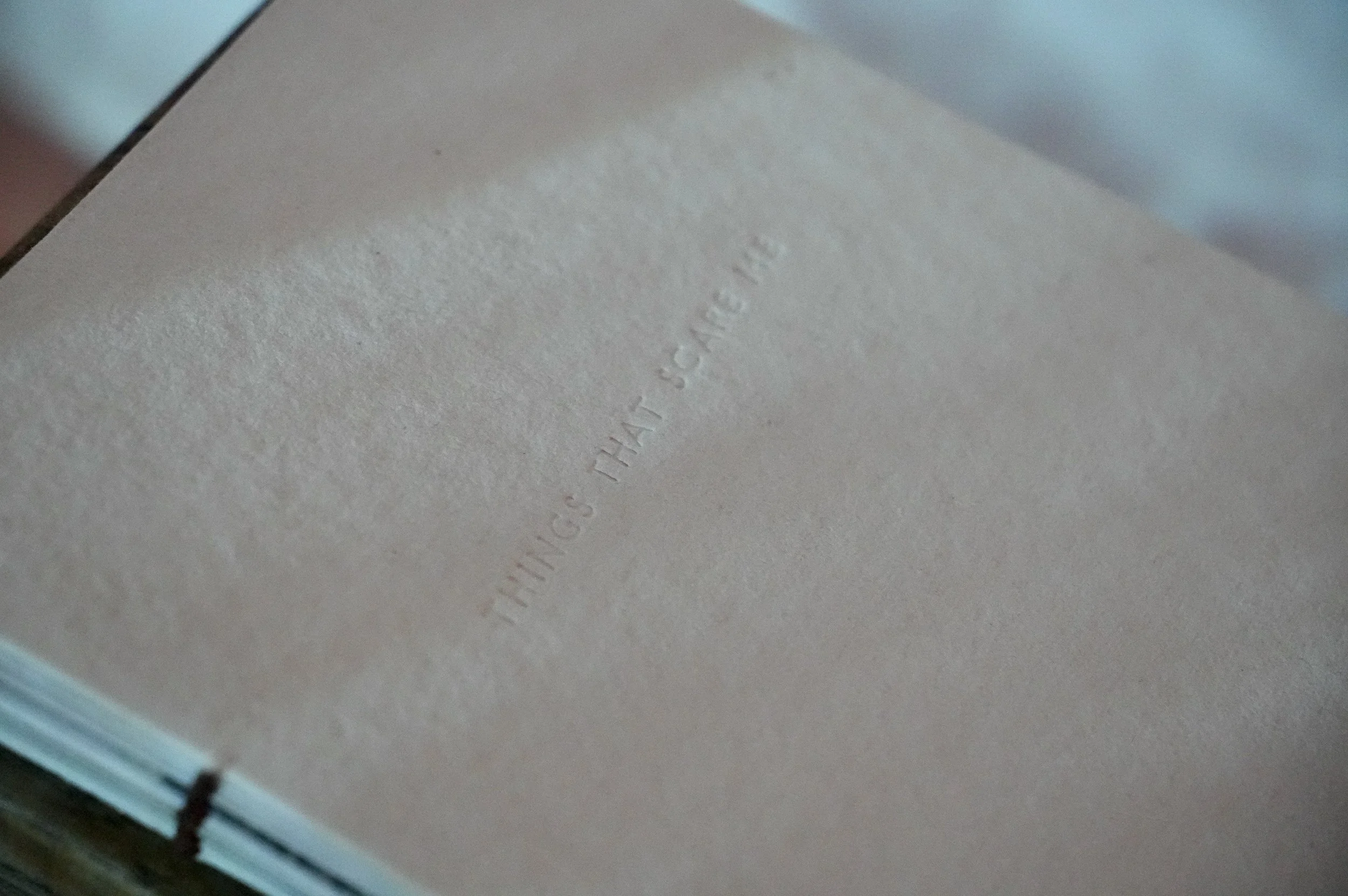
THINGS THAT SCARE ME PUT I DO THEM ANYWAY
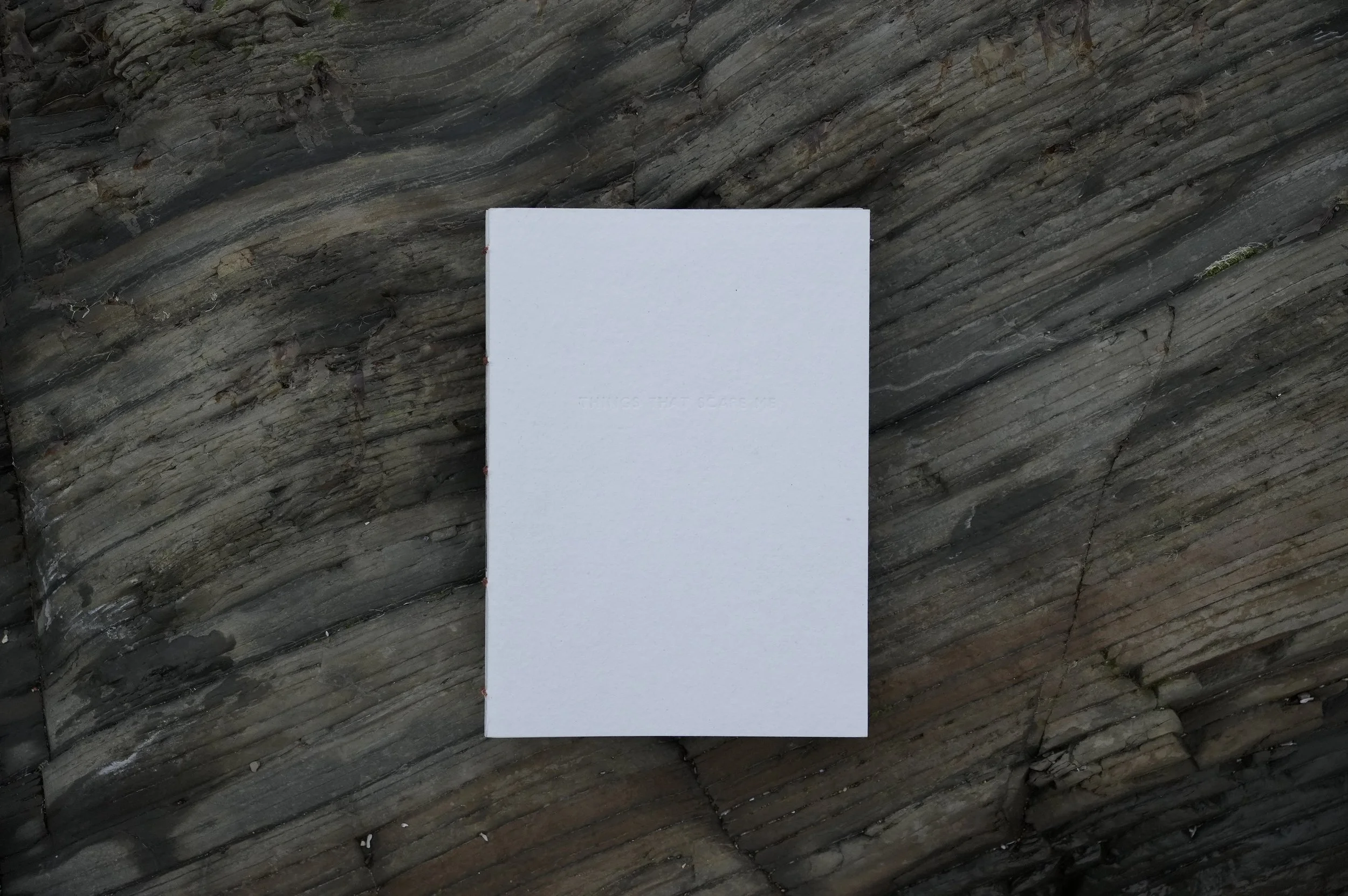
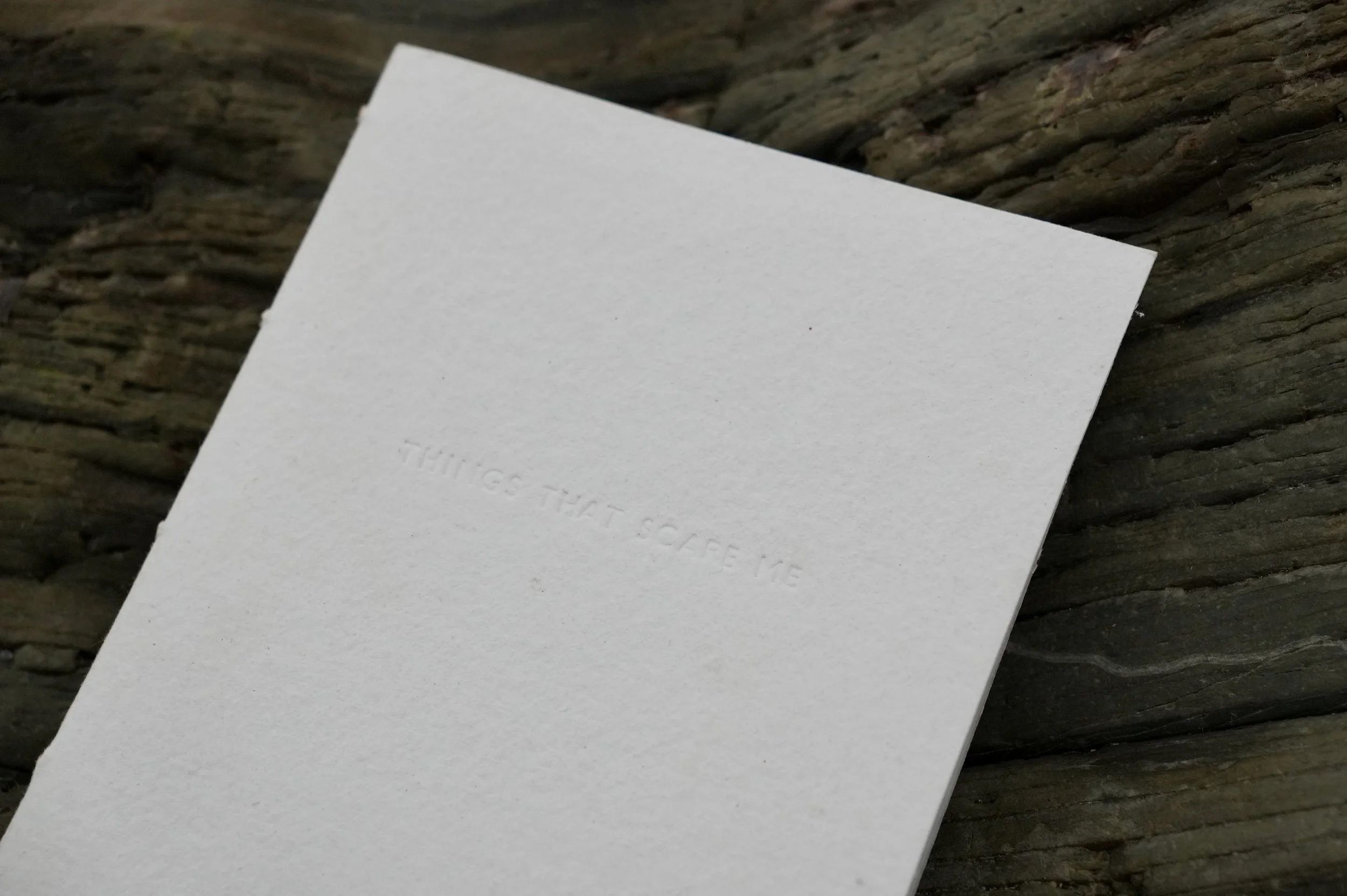
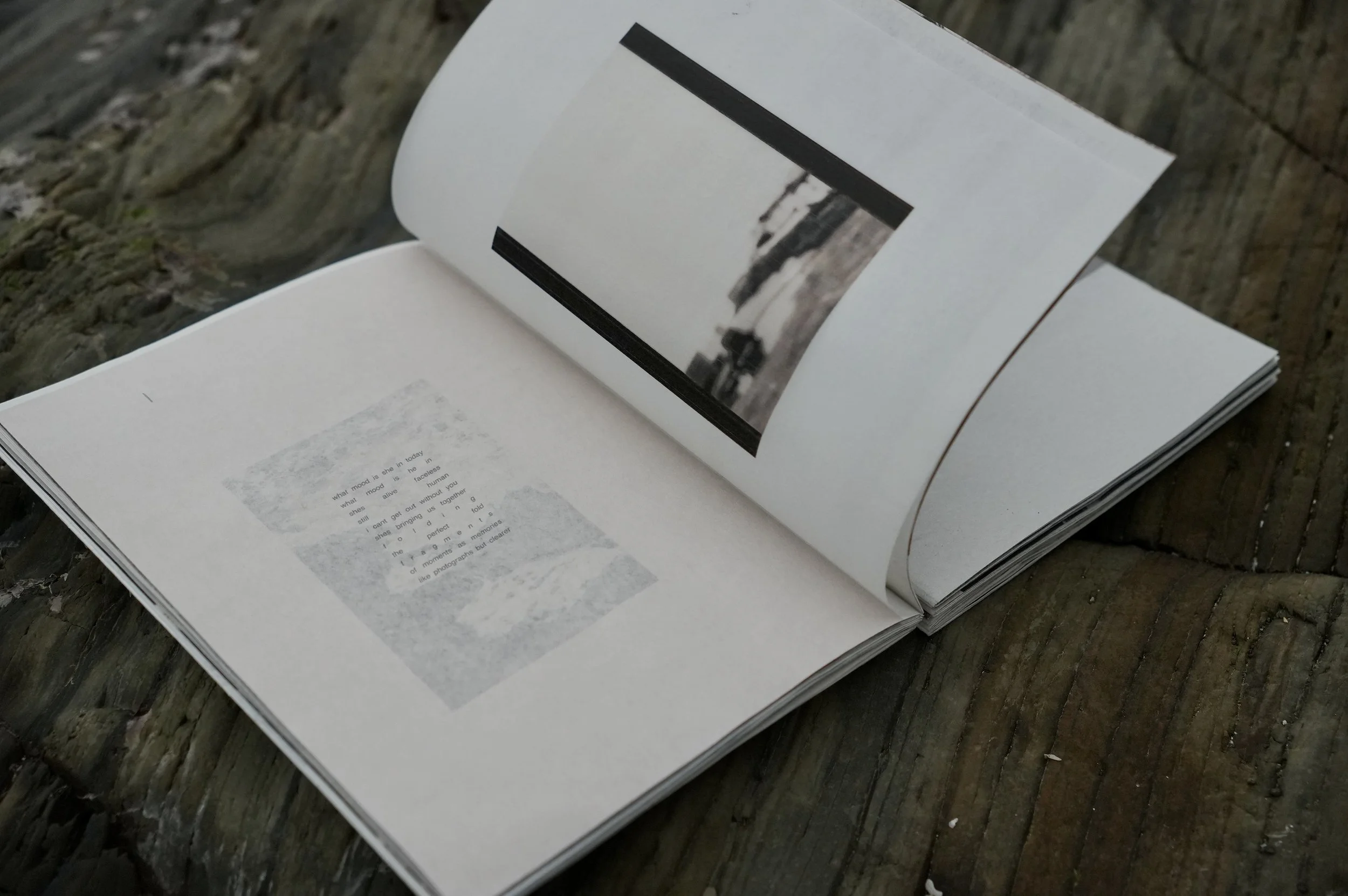
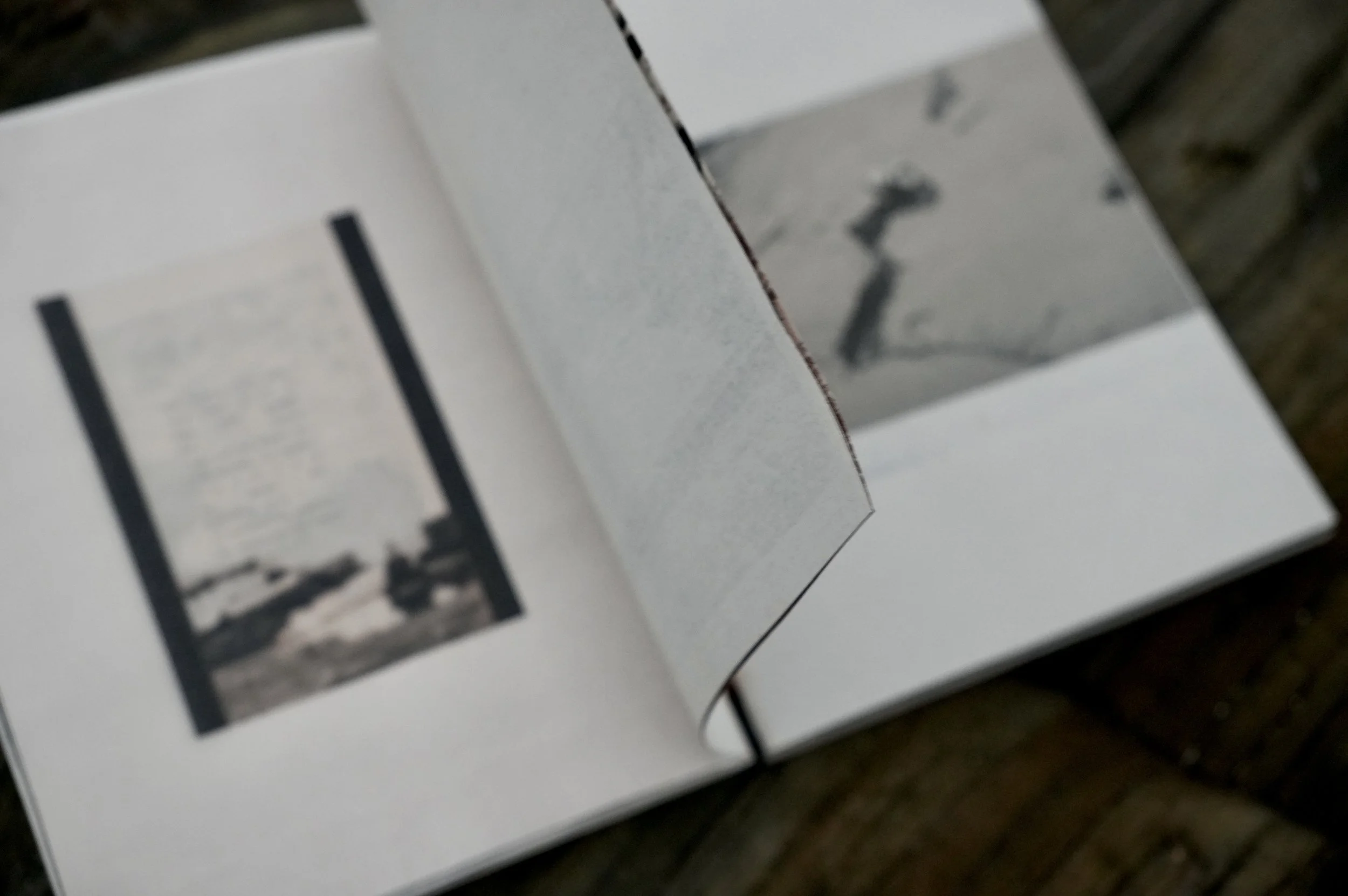
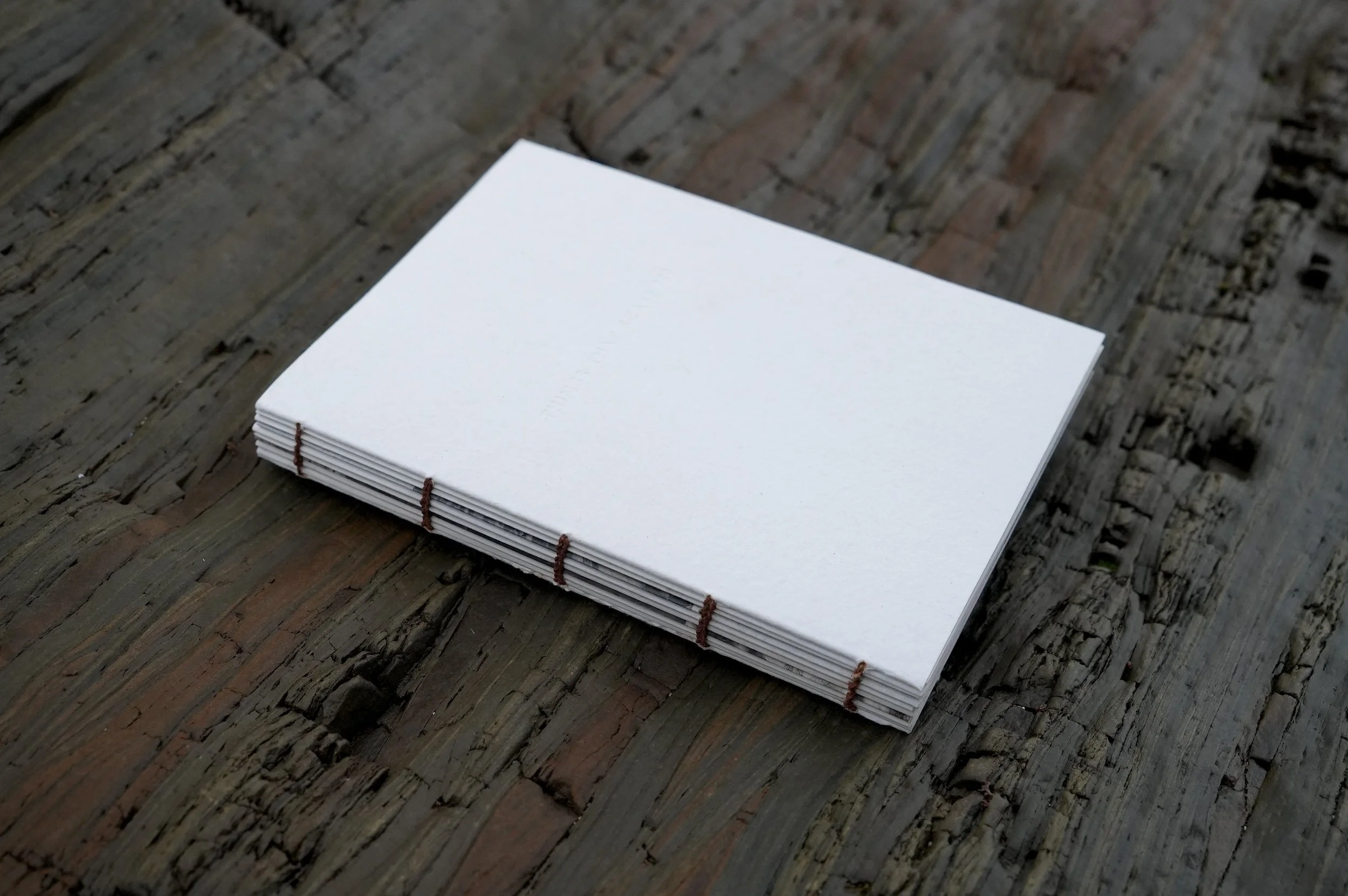
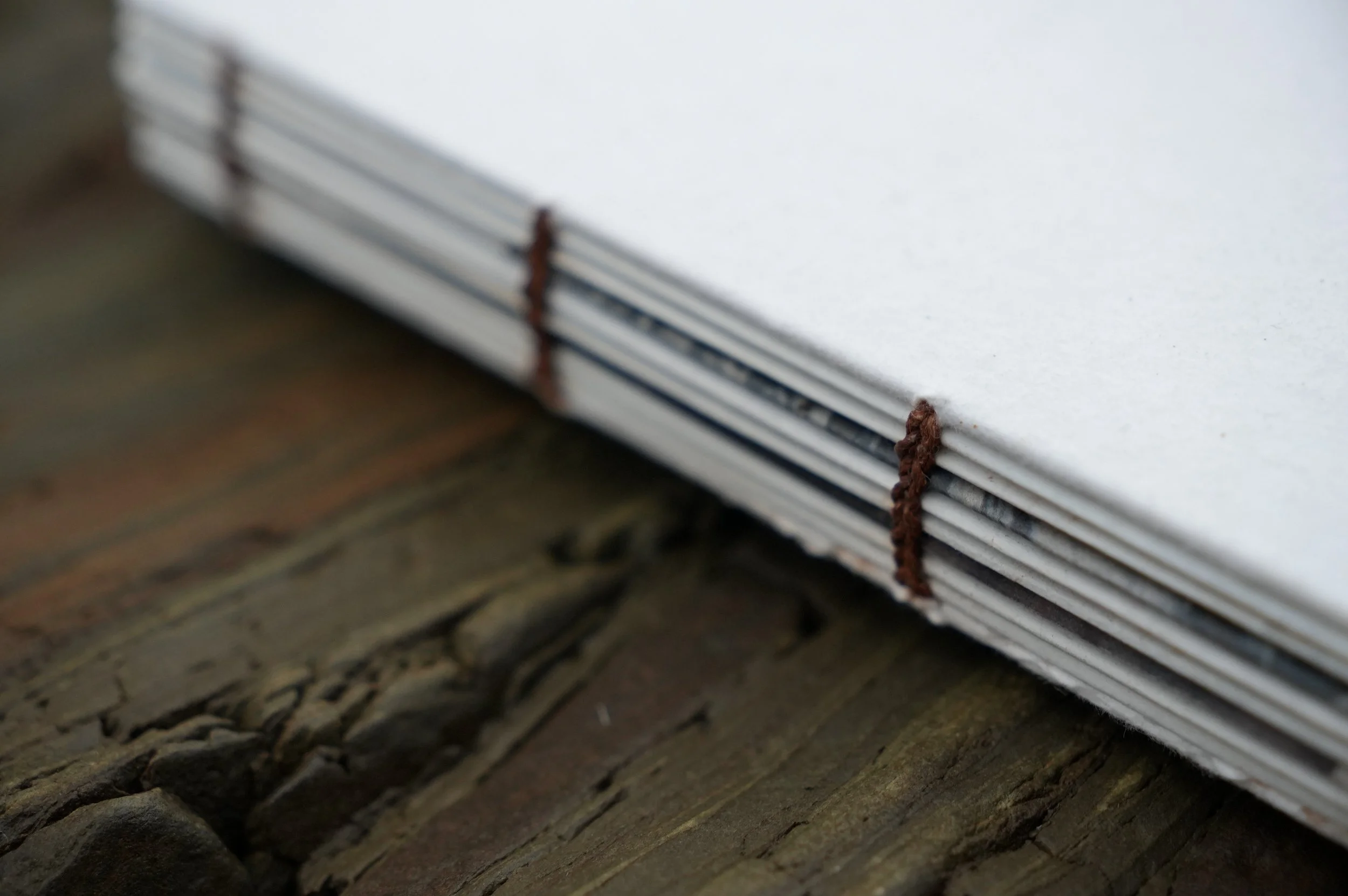
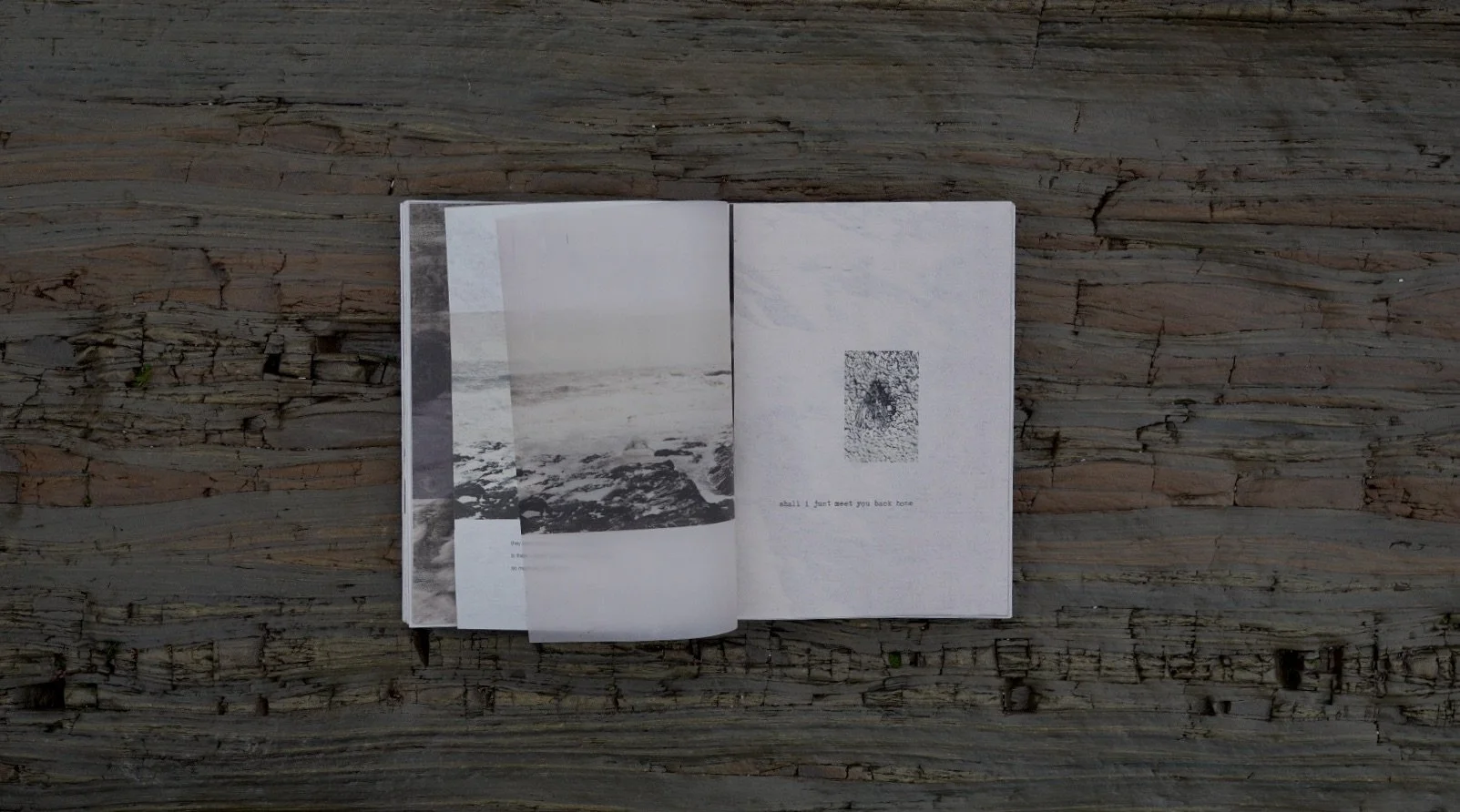
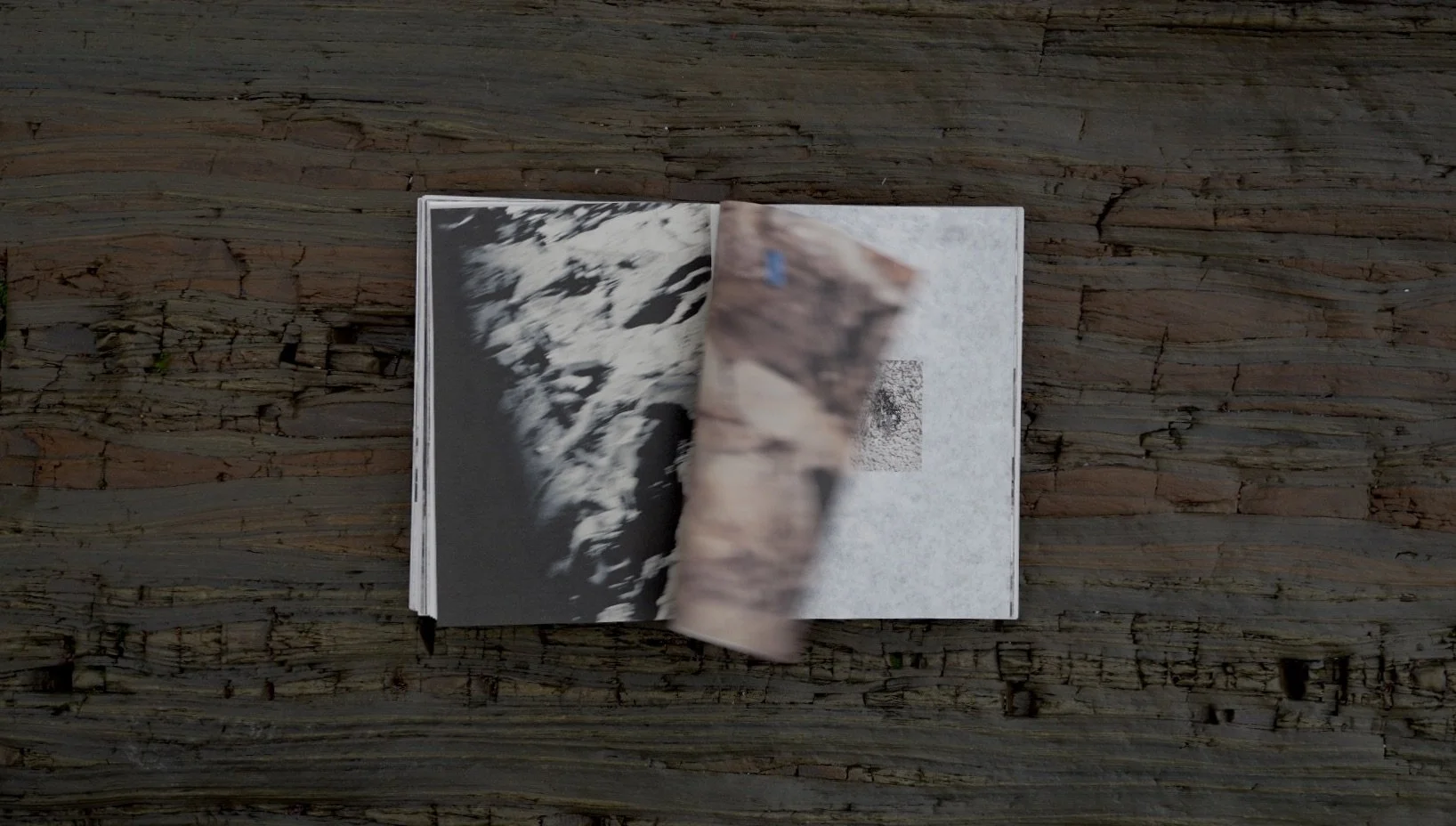
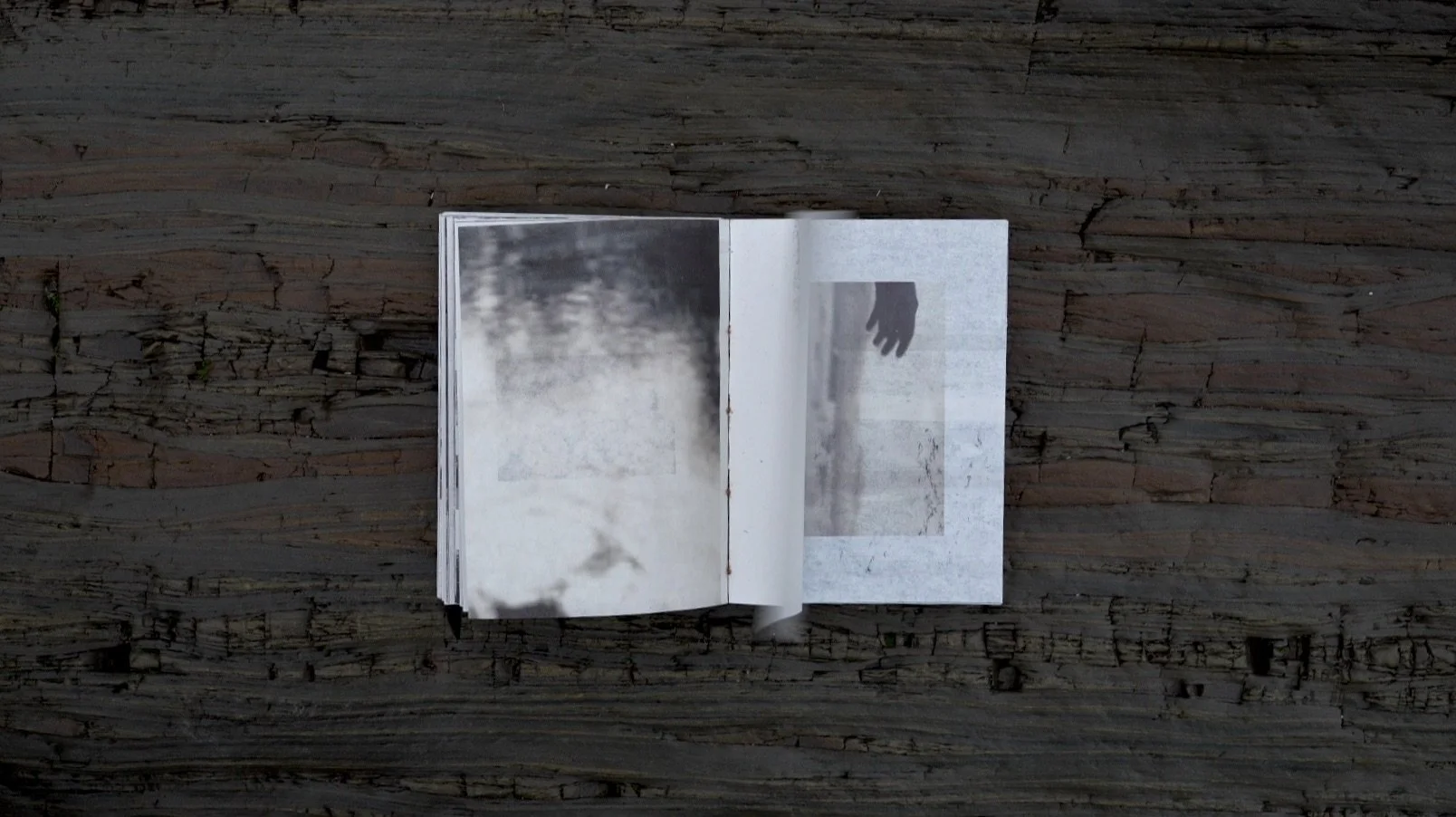
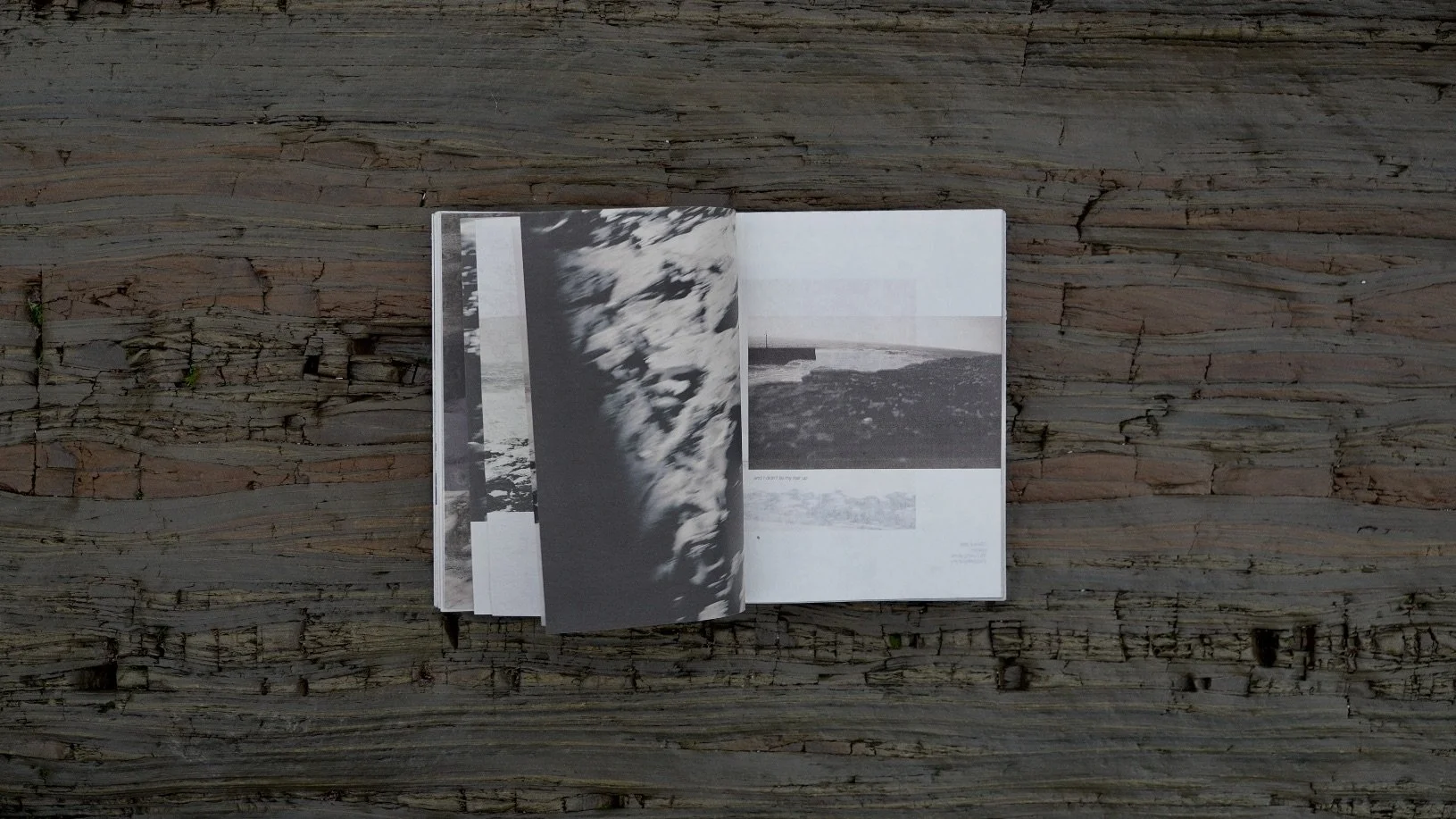
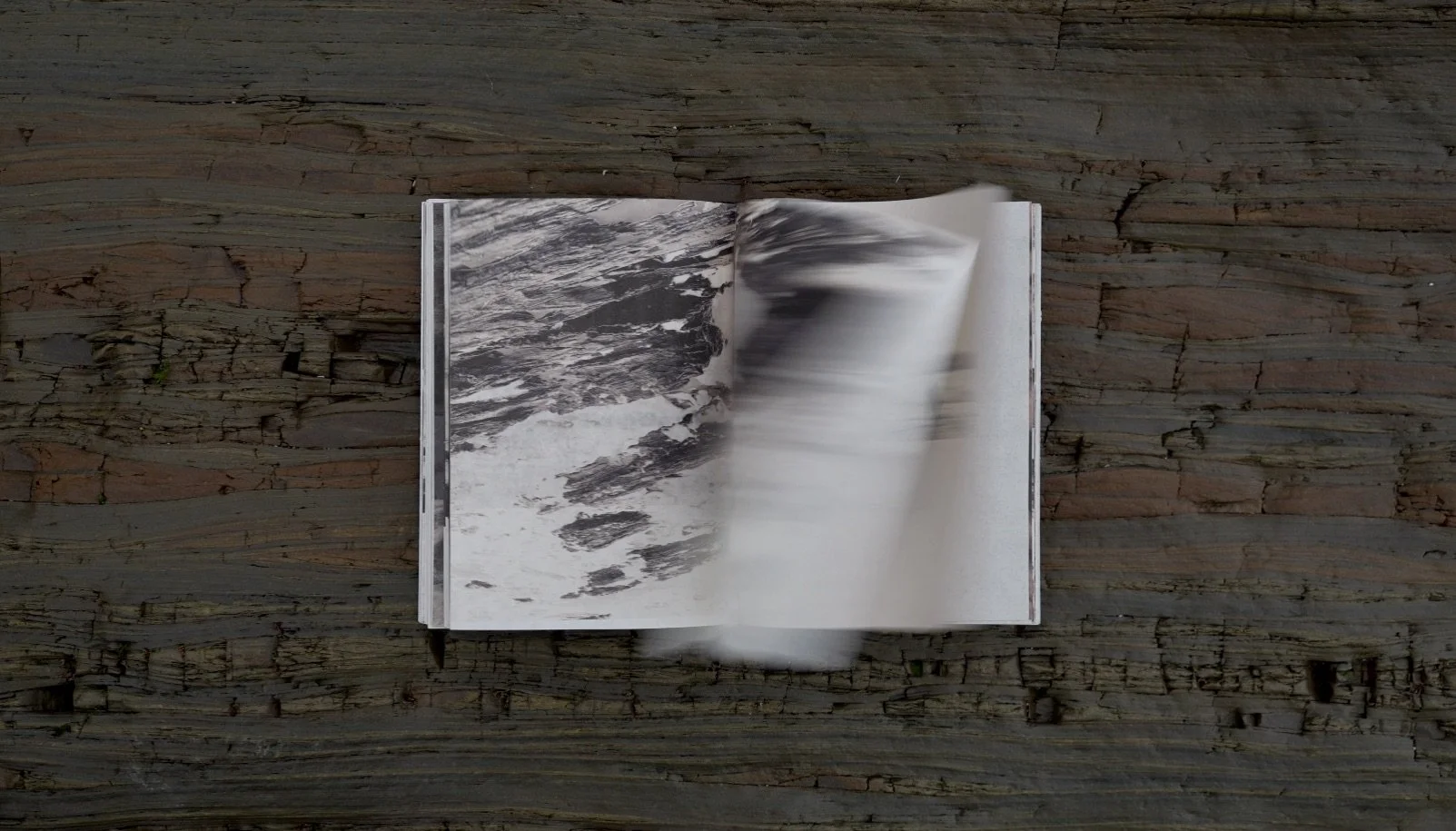
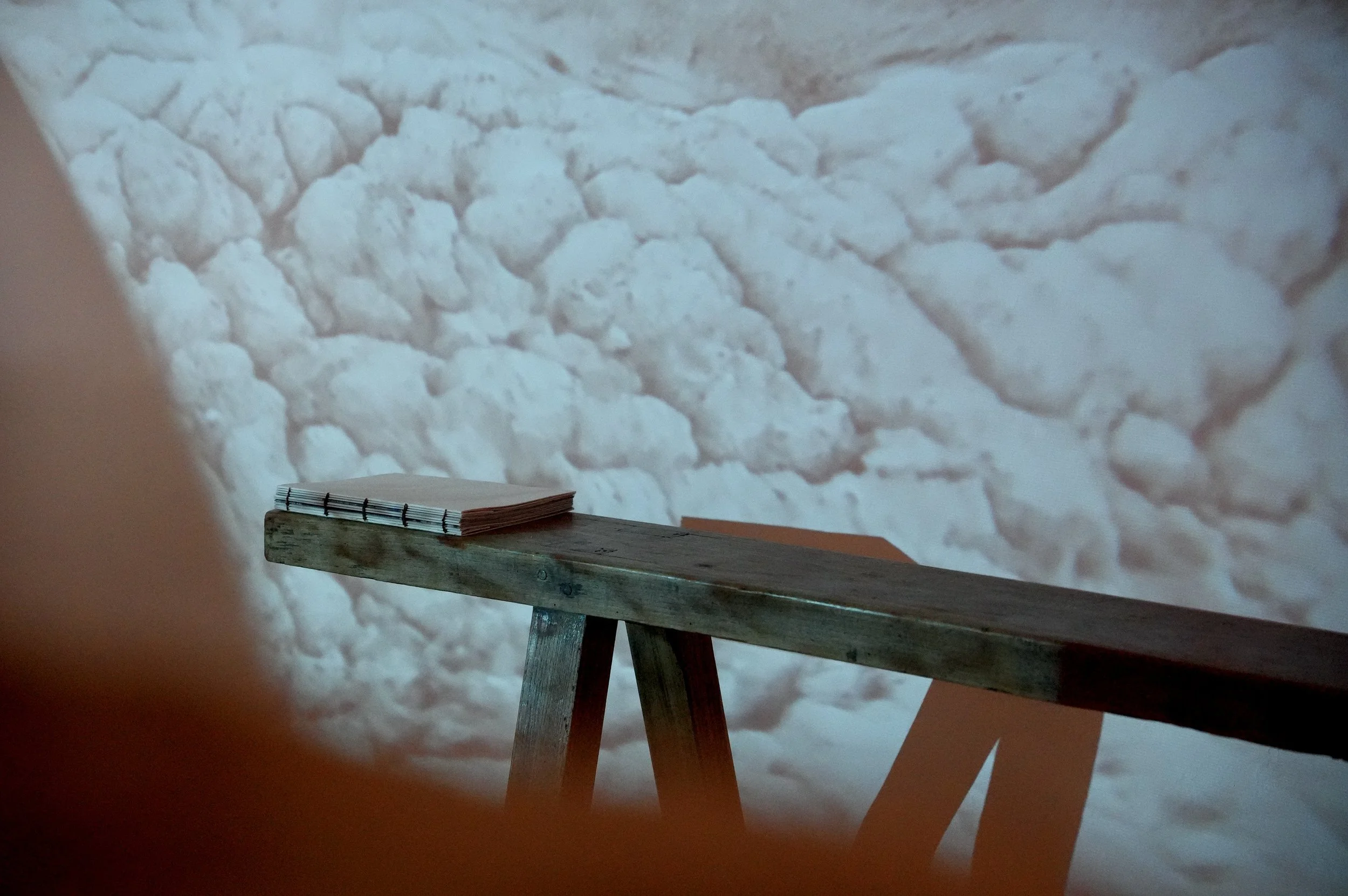
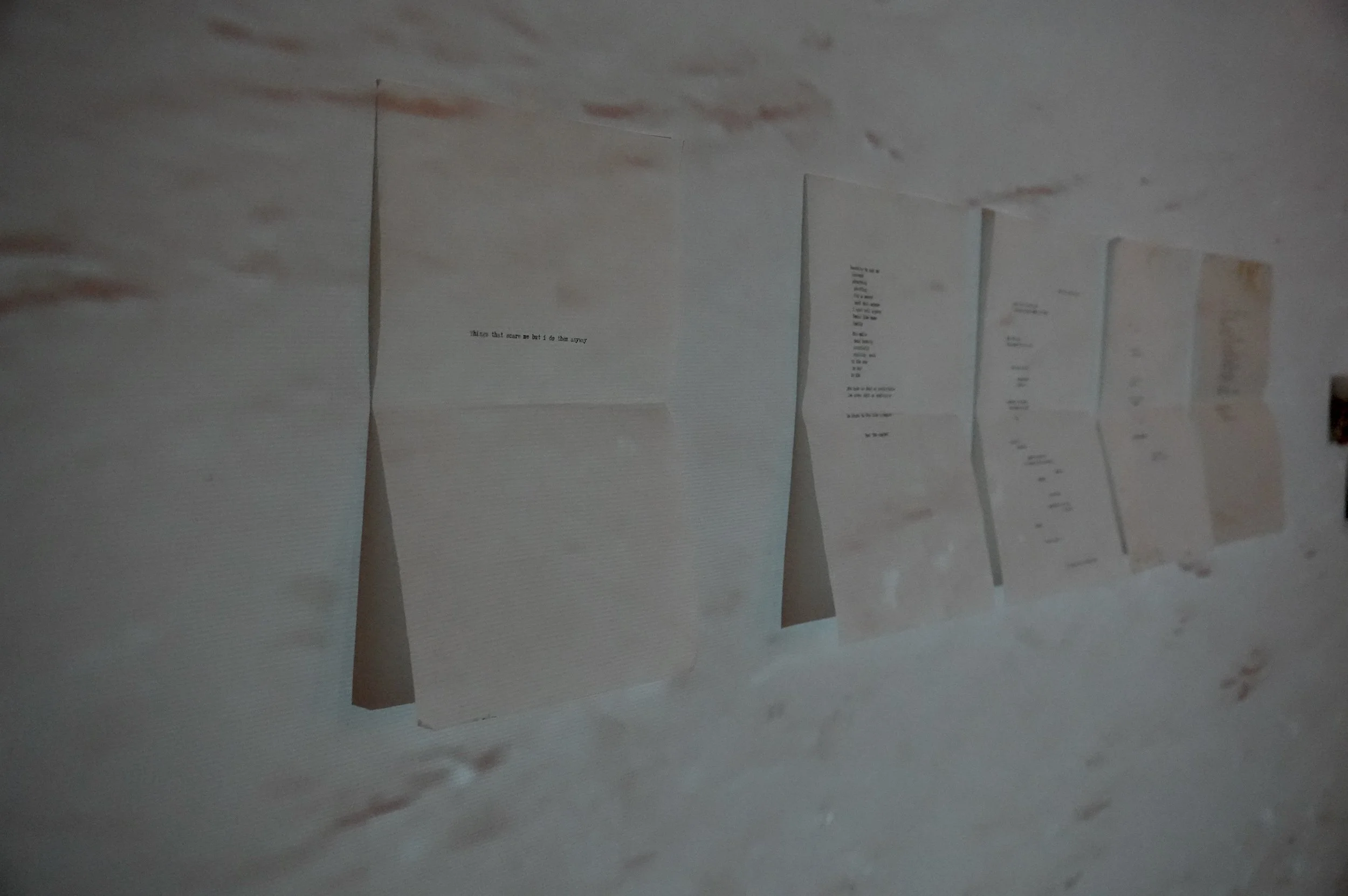
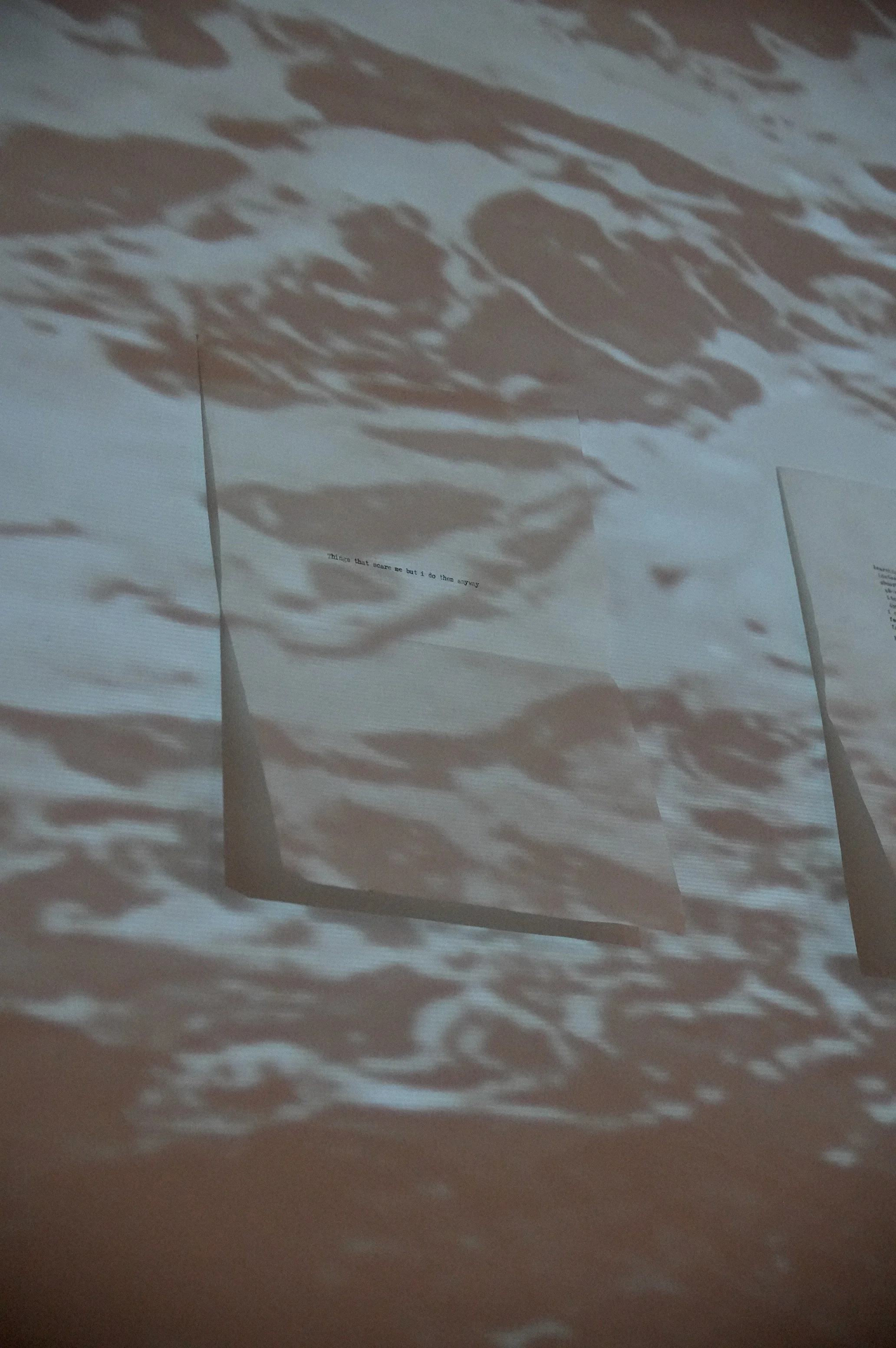
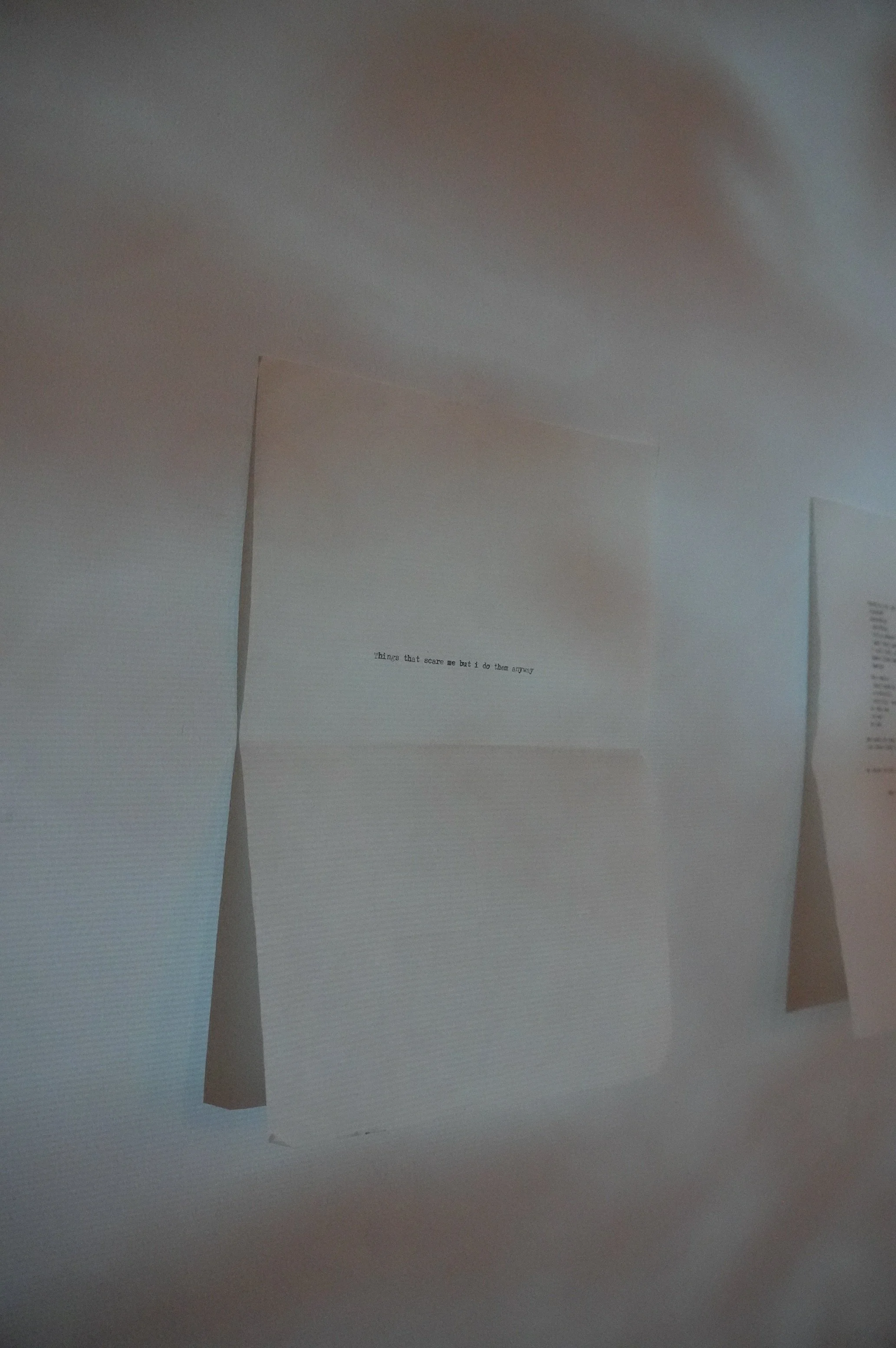
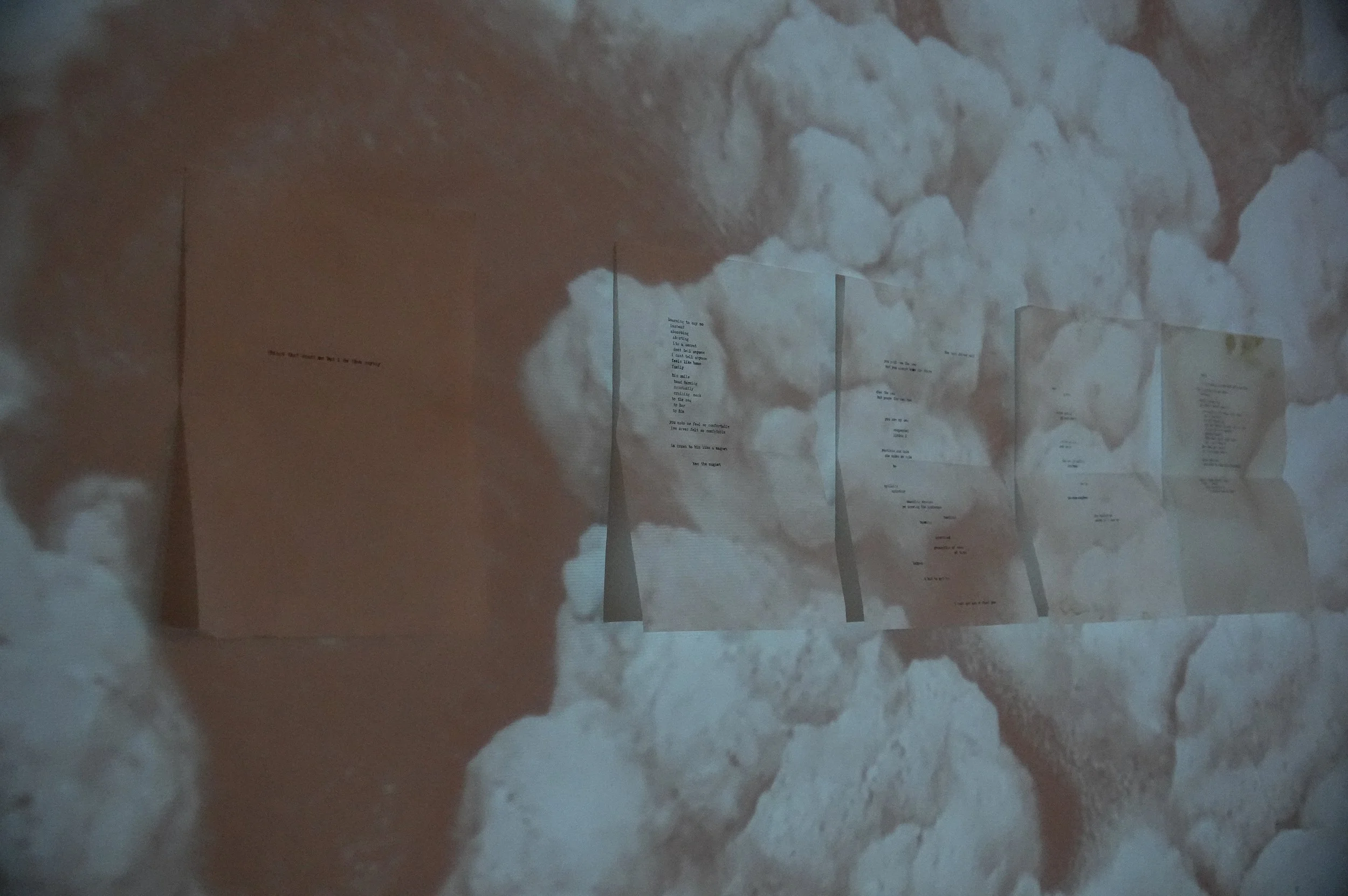
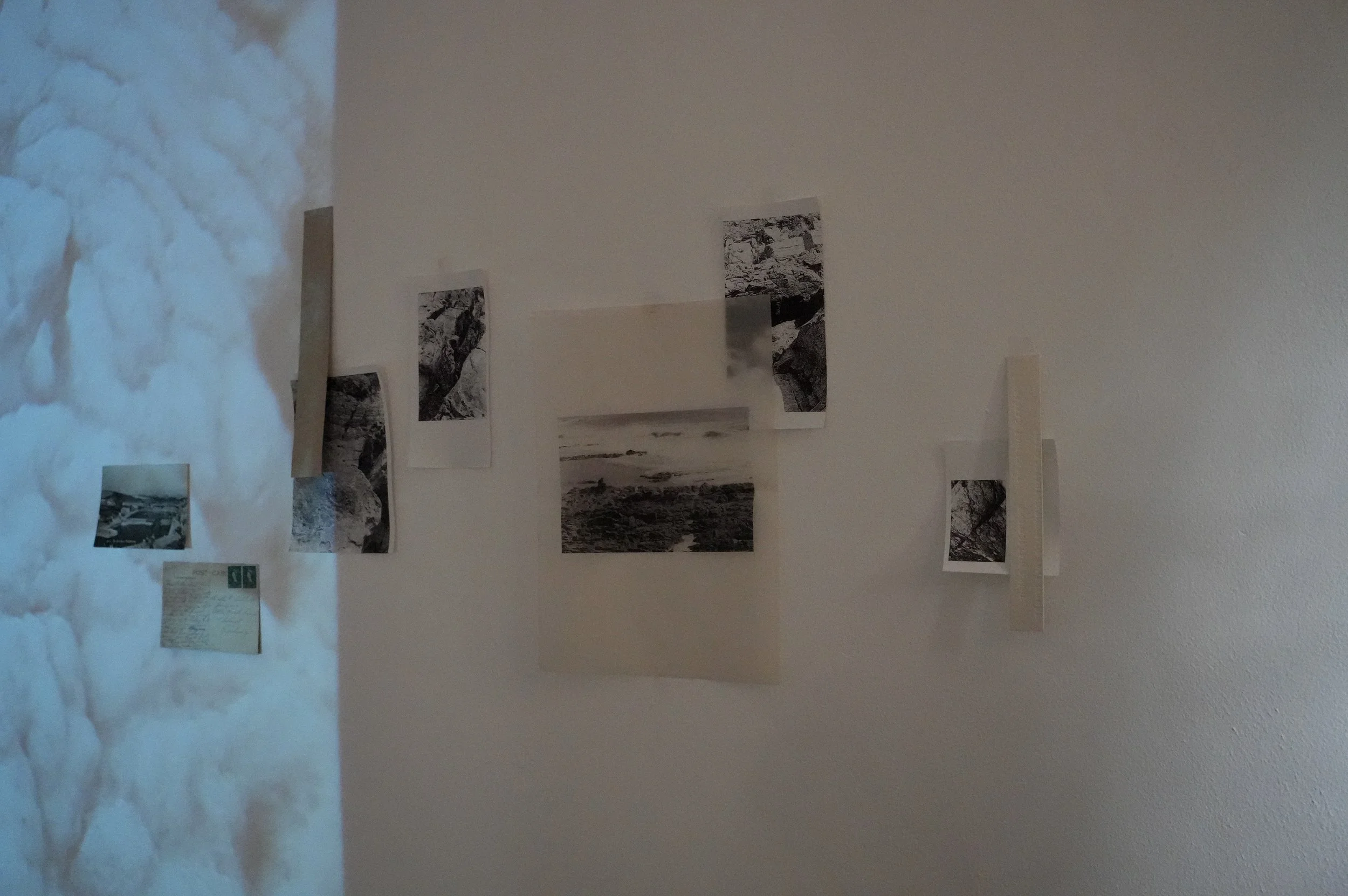
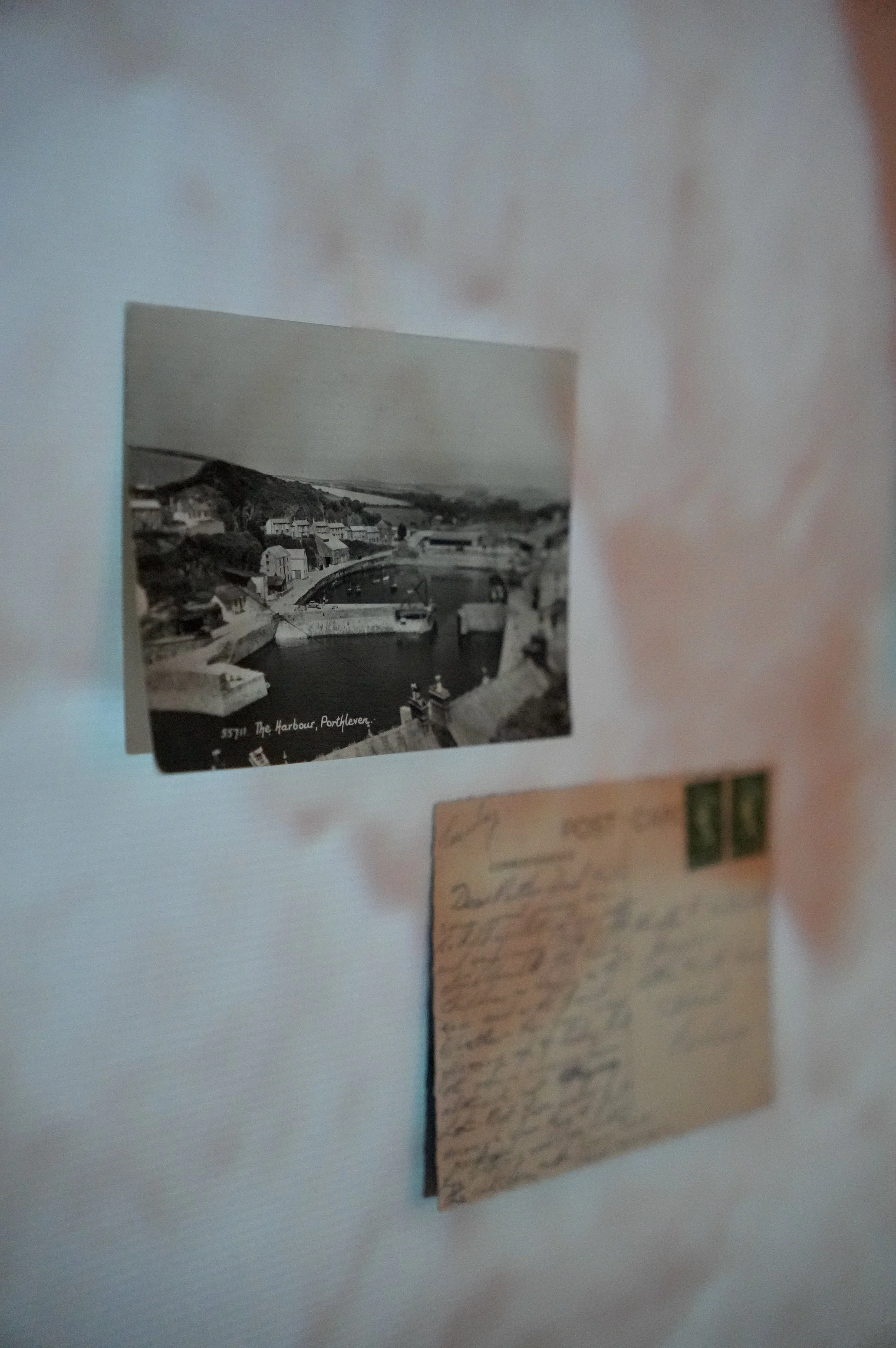
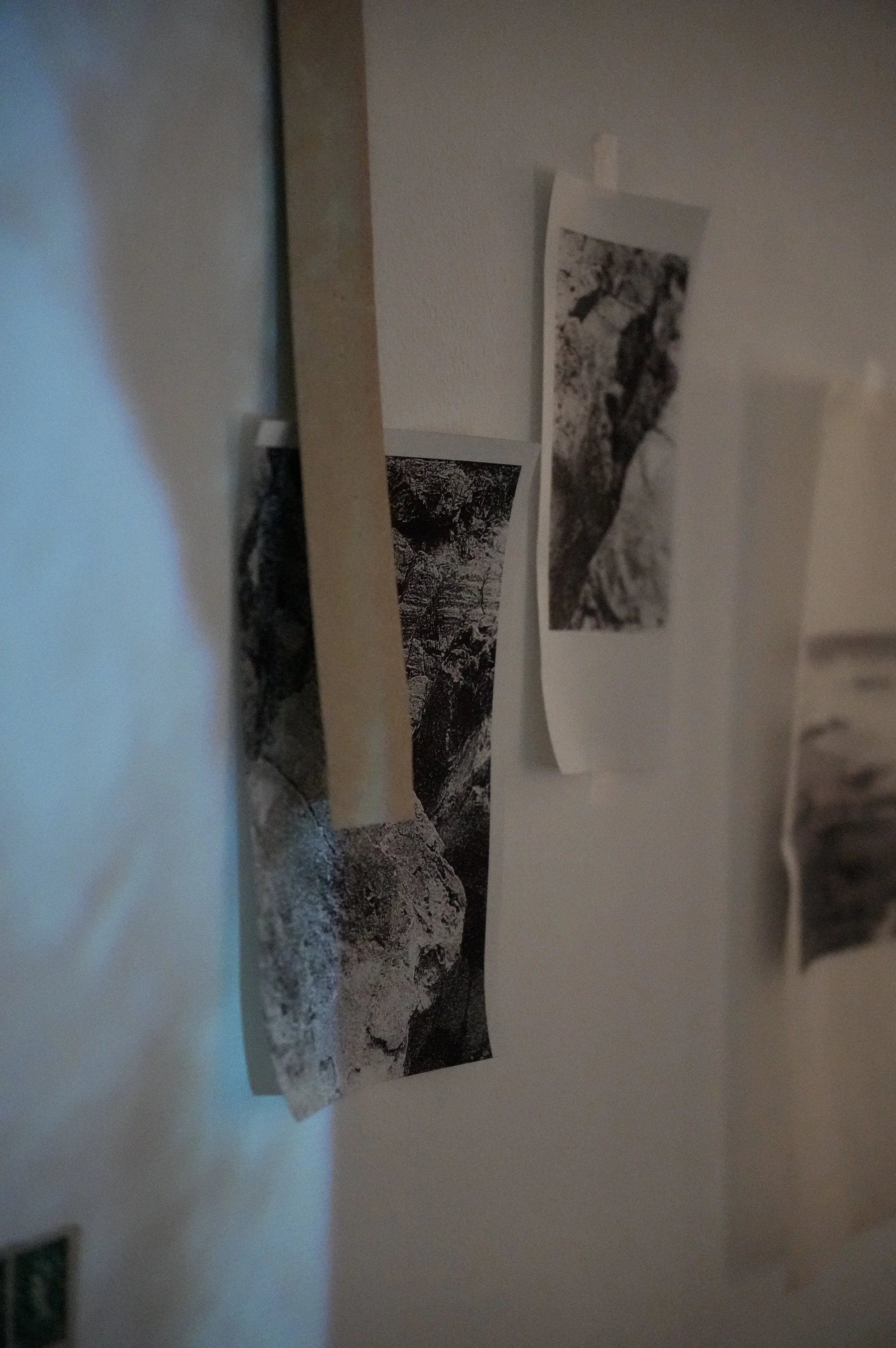
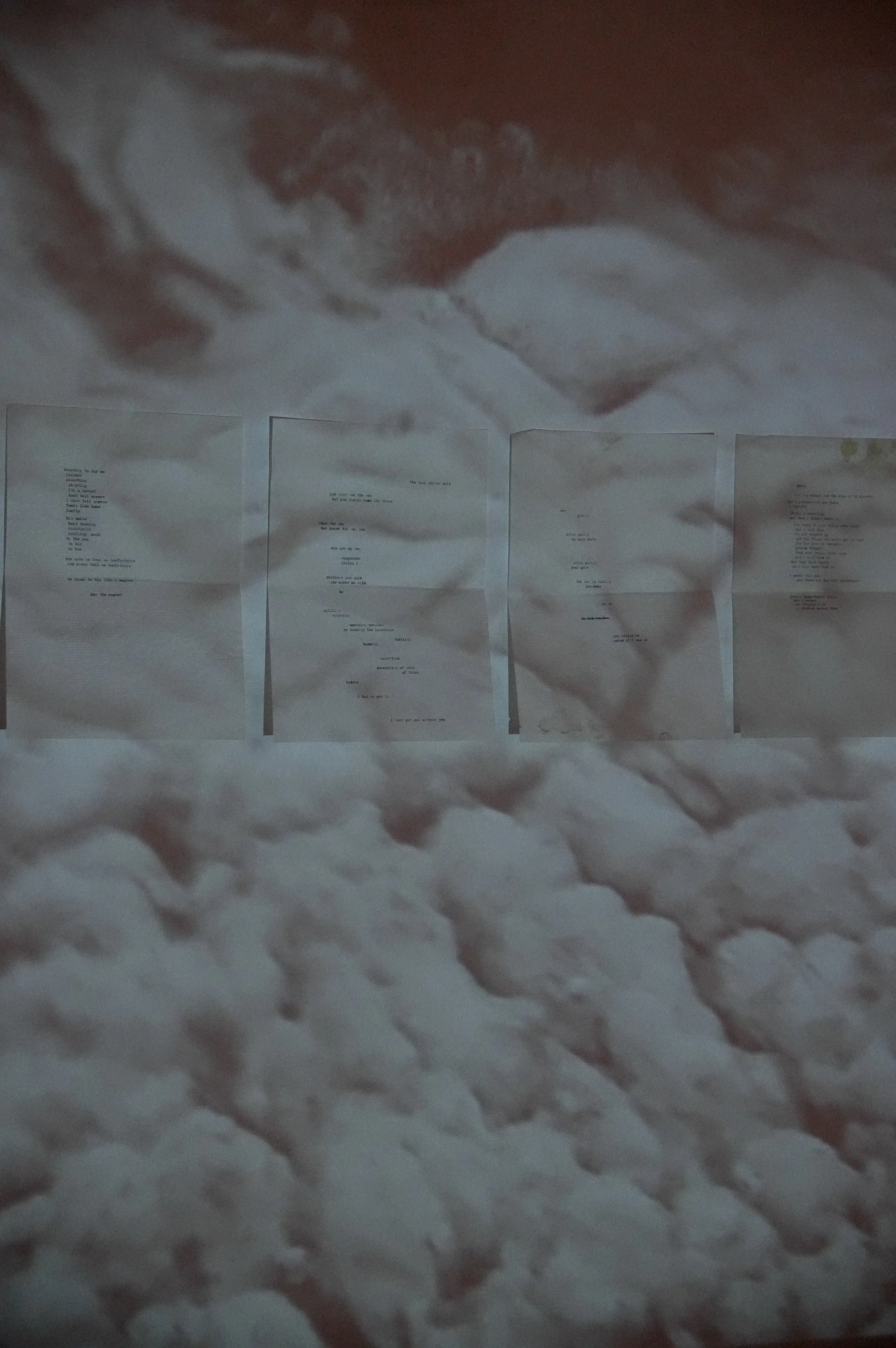
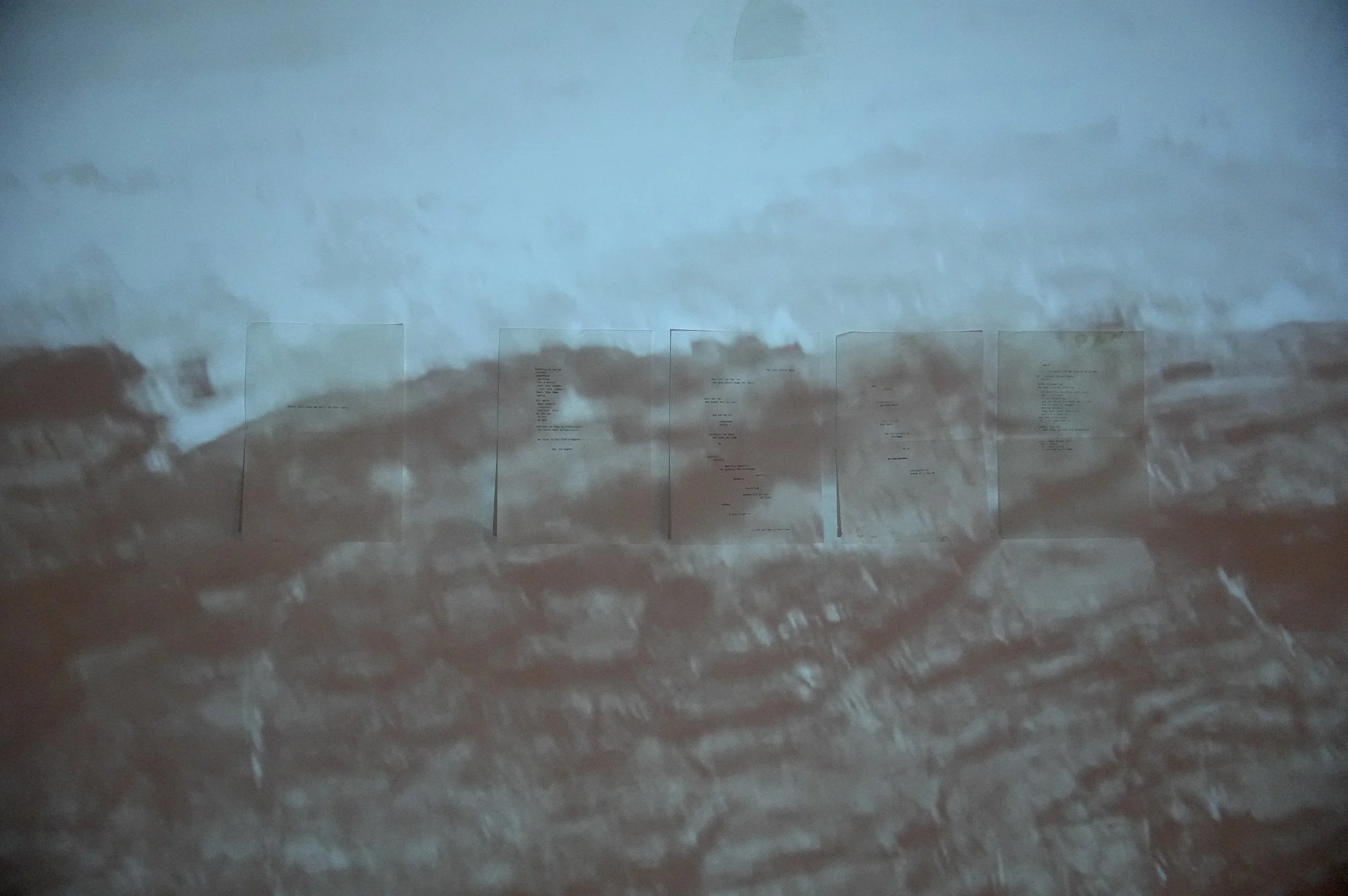
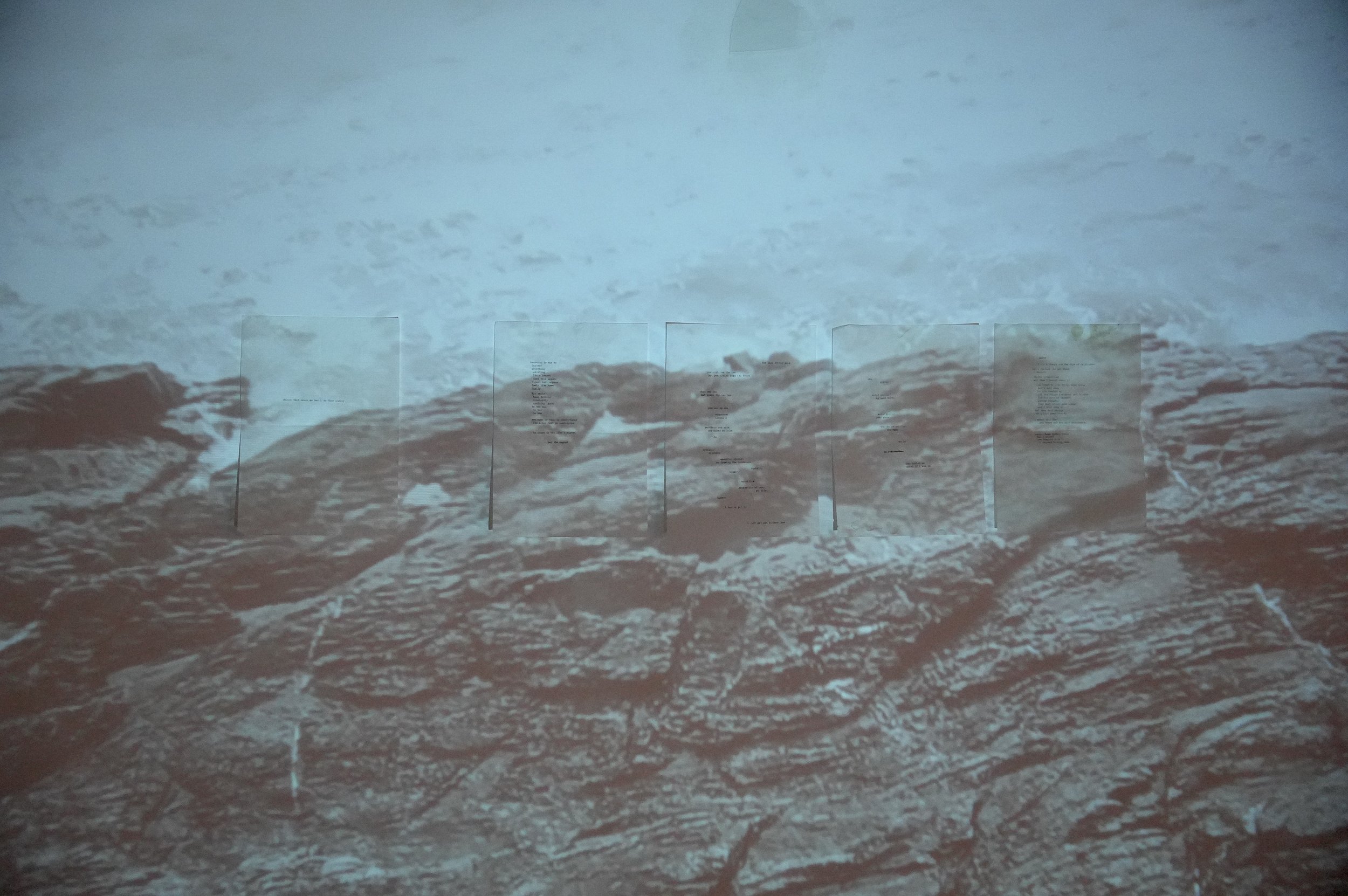
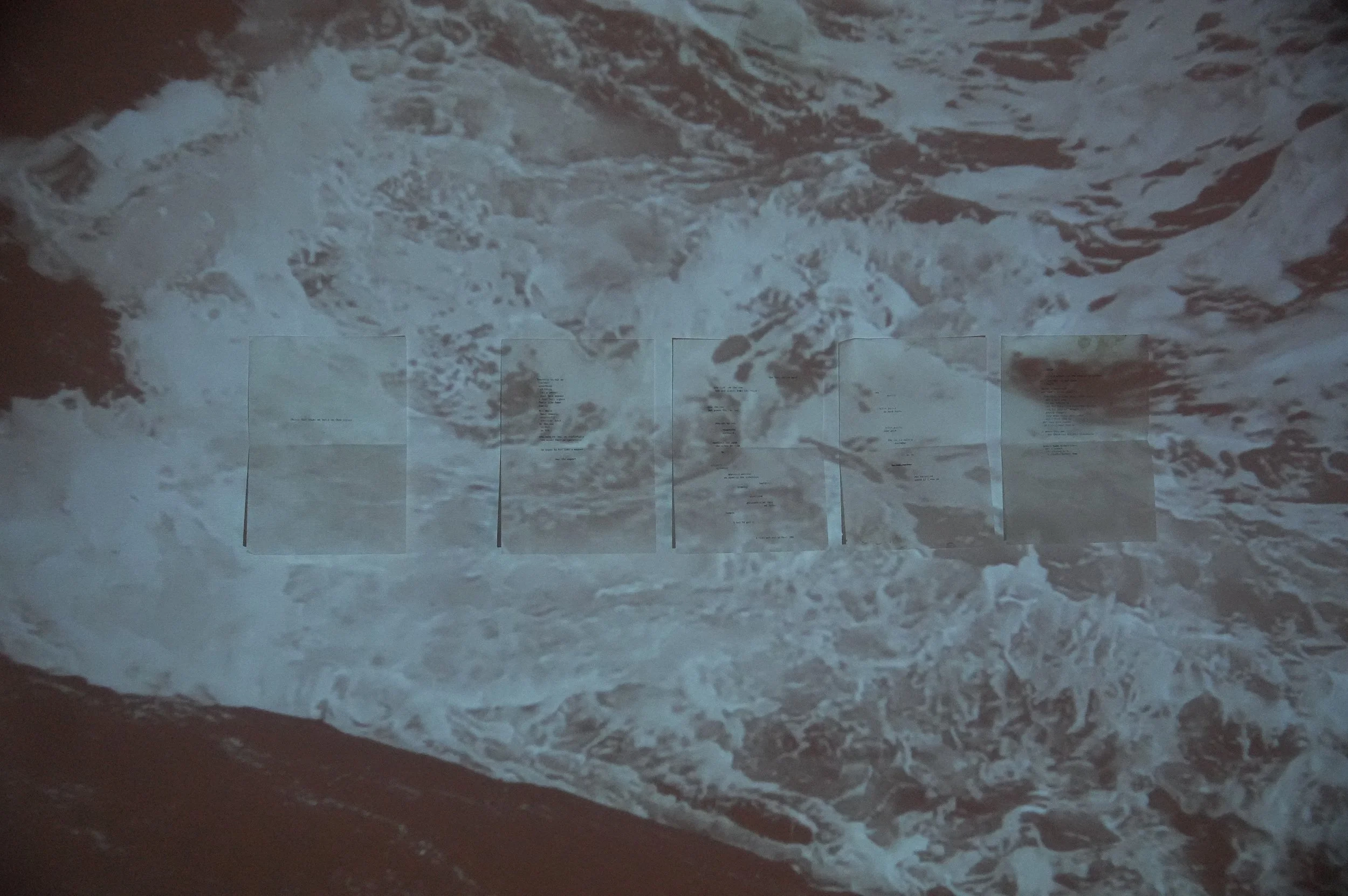
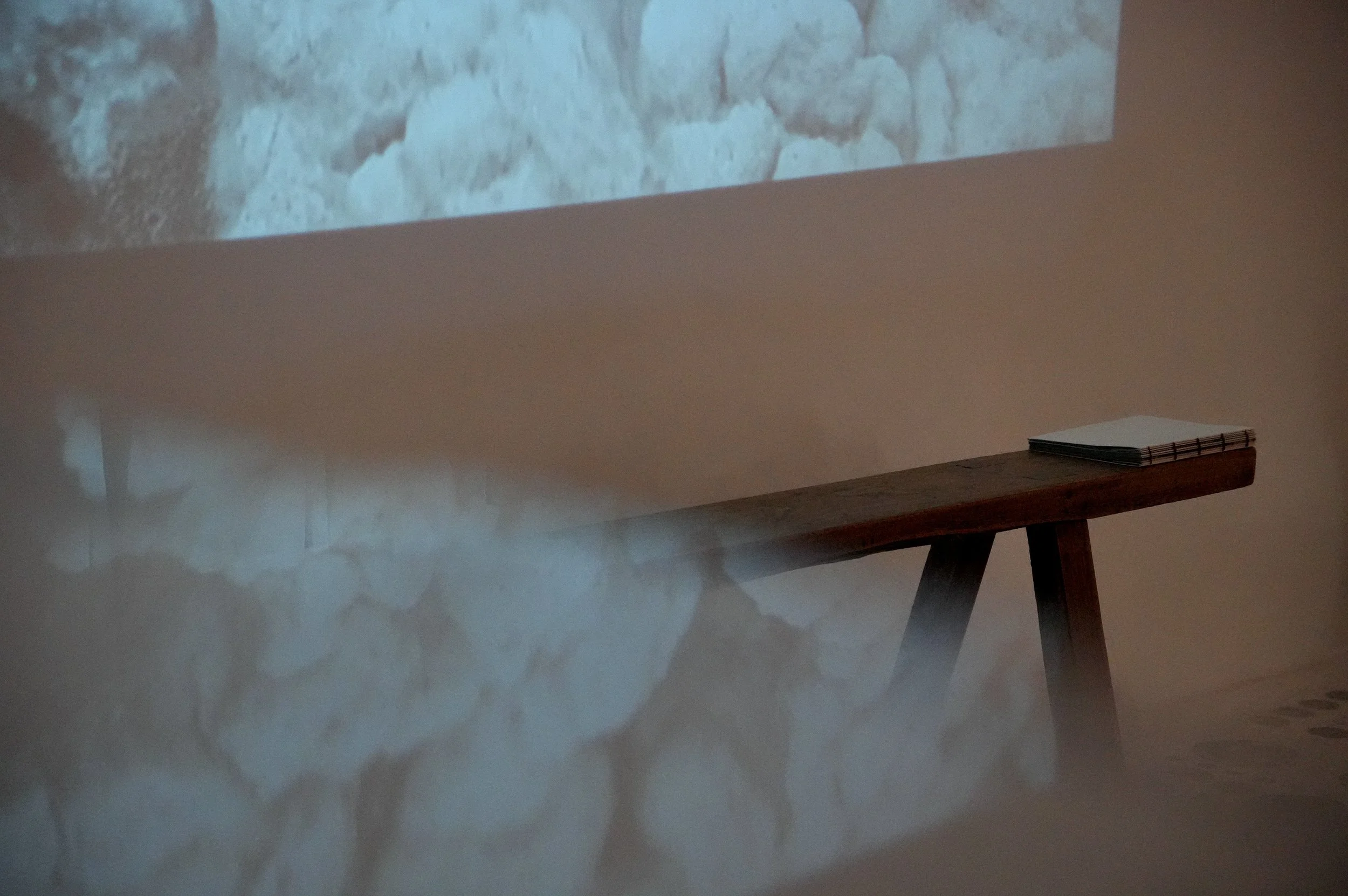
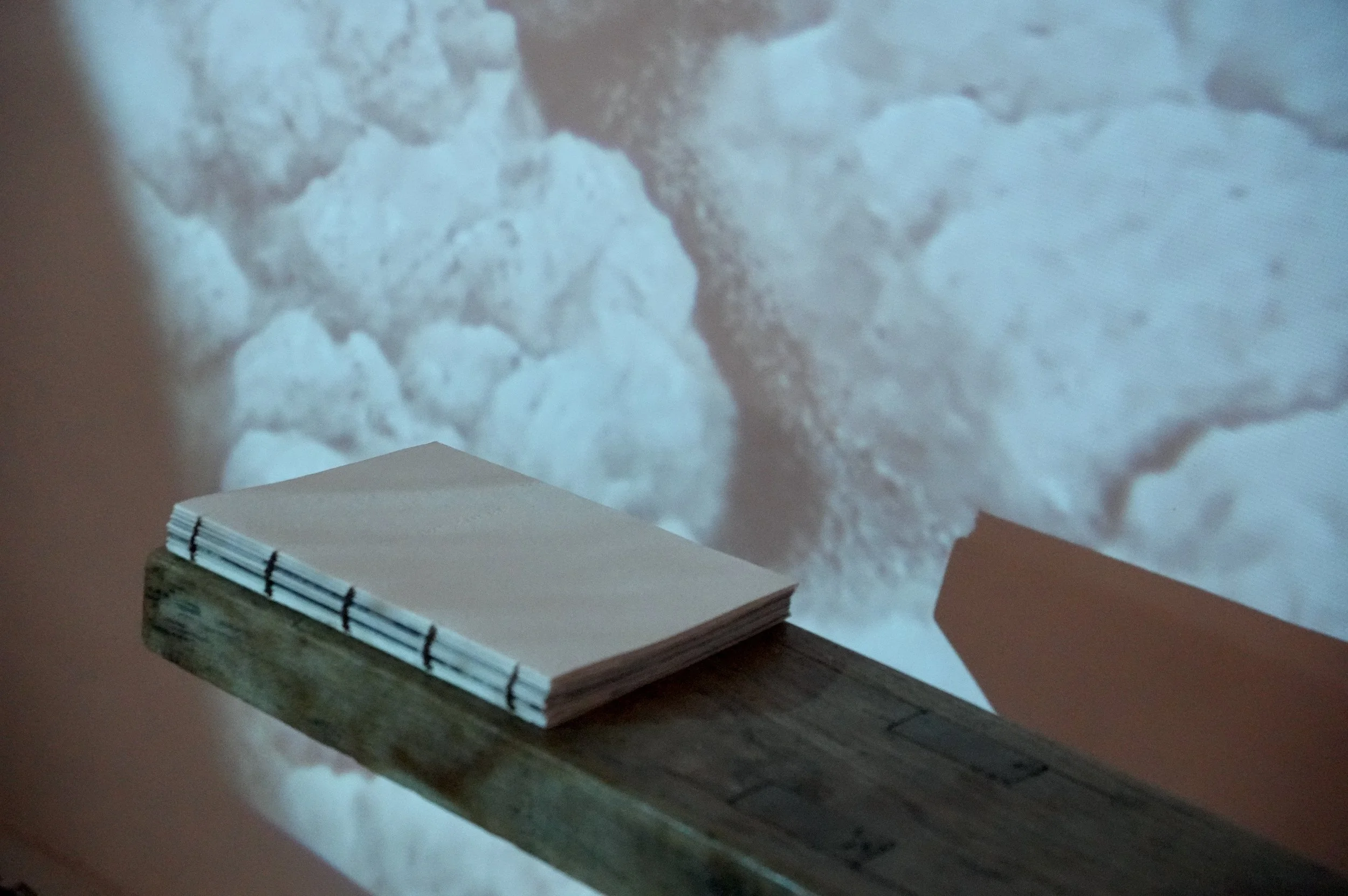
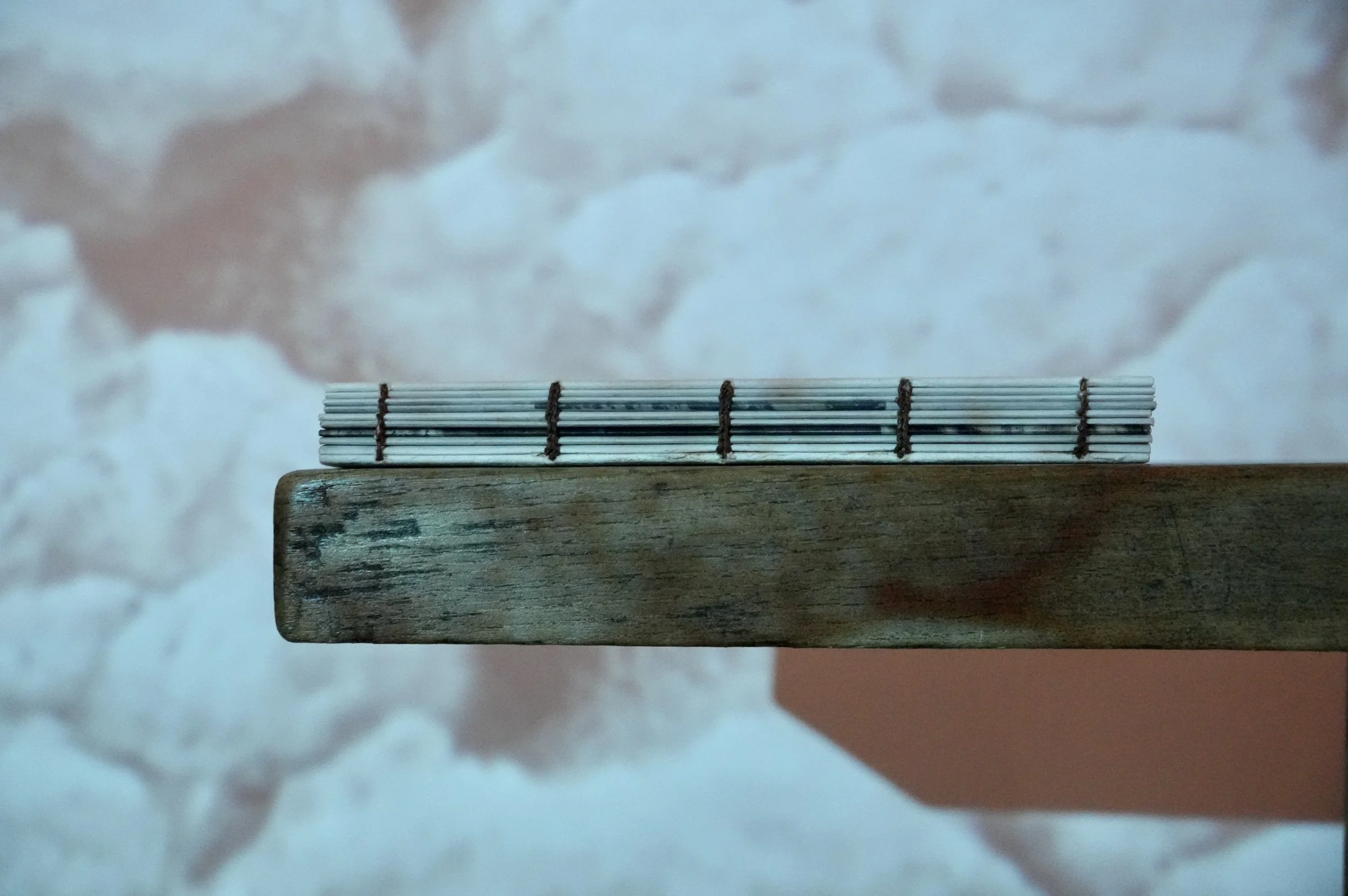
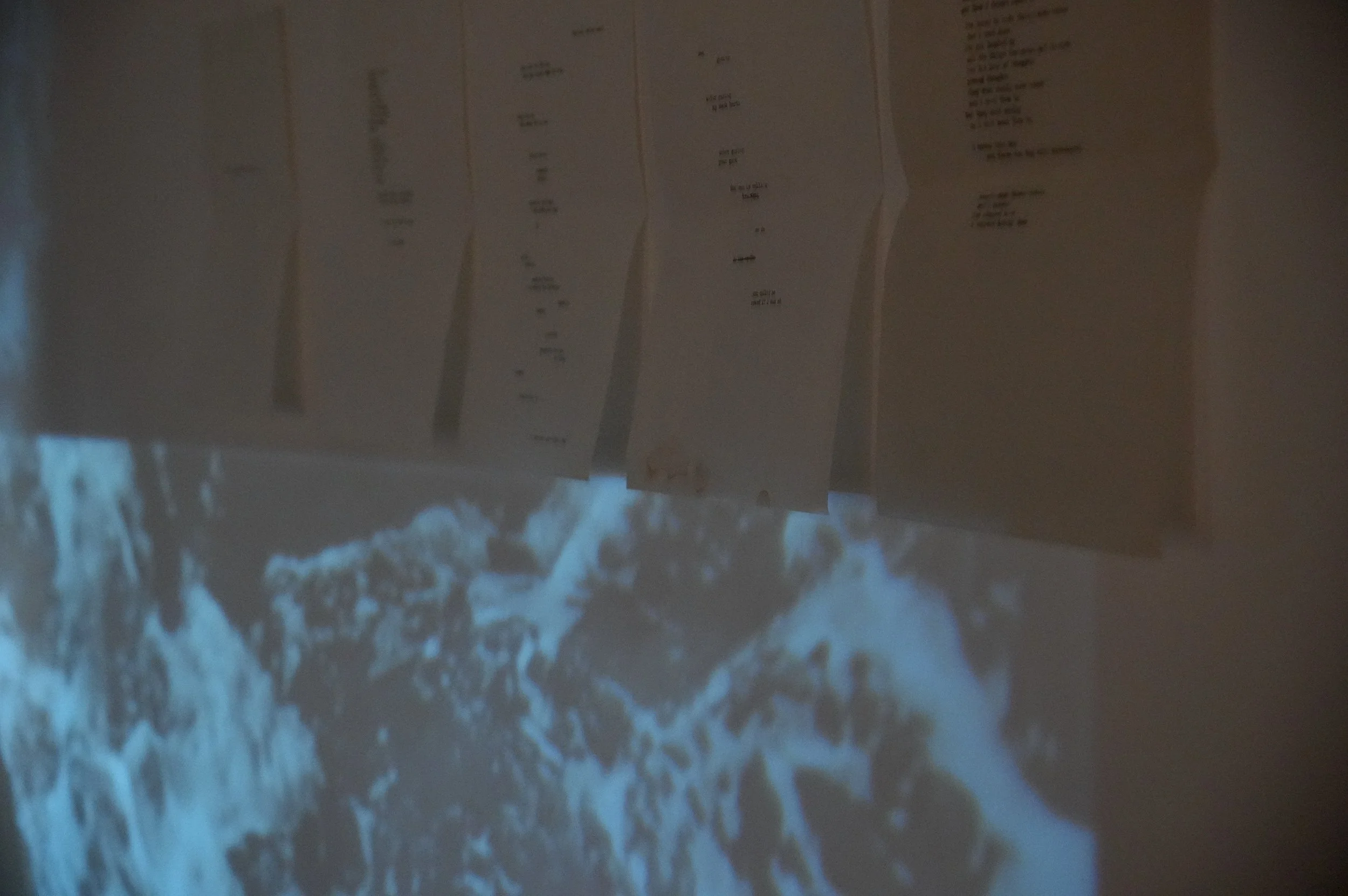
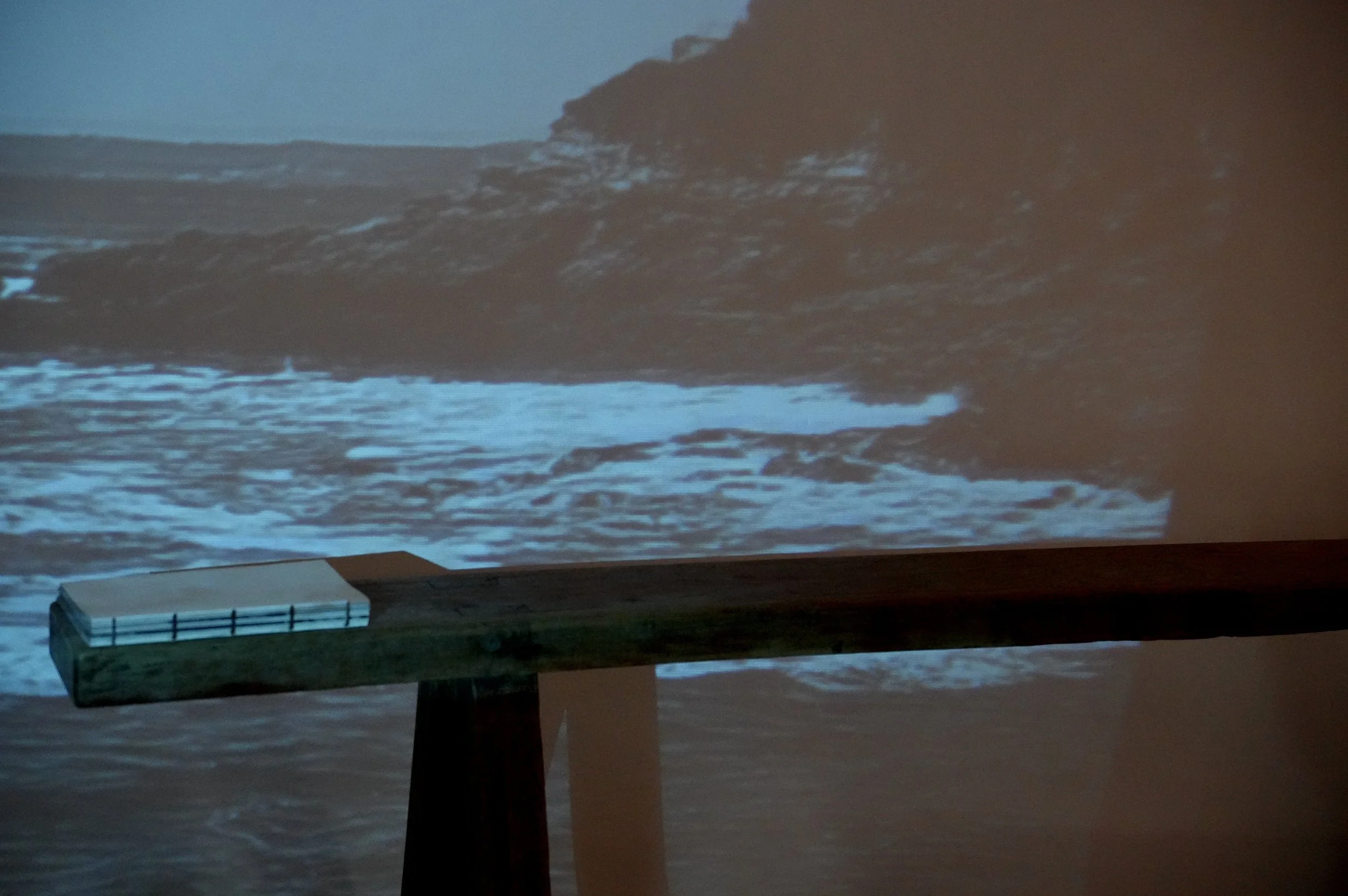
Things That Scare Me But I Do Them Anyway is a site-specific project developed during a week long residency in Porthleven, Cornwall in Spring 2023, part of a collaborative programme between Bath School of Art and Falmouth University. The work takes the form of a hand-bound book and a short film, both composed through photographs and stream-of-consciousness writing produced in situ.
Working within an unfamiliar coastal landscape, the project marks a deliberate departure from my usual material-led practice. Rather than gathering physical matter, I chose to work through attention and restraint, collecting instead words, sensations, and visual fragments. This shift emerged from an increasing awareness of my position within the environments I enter, and a growing discomfort with extractive modes of making. The work asks: what does it mean to encounter a place without taking from it? And how might documentation itself become a form of care?
The text is not solely authored. It is shaped through both internal reflection and shared exchange, drawing from conversations, passing remarks, and moments of connection formed during the residency. These fragments of dialogue sit alongside my own thoughts, creating a layered and collective voice. The work therefore becomes not only a record of place, but of relation—mapping the temporary community that formed within it. In this way, the project holds the intimacy and vulnerability of new encounters, where speaking, listening, and being present become acts of mutual making.
A site-responsive book and short film composed through photography, moving image, sound, and collected voices during a residency in Porthleven
Central to the project is a tension between attraction and avoidance. While drawn to the sensory and aesthetic qualities of the coastline, I became equally aware of the human residues embedded within it—plastic debris, waste, and traces of industry—elements often overlooked in the pursuit of ‘natural’ beauty. By holding these contradictions in view, the work reflects on selective seeing and the ethics of attention.
Writing became both method and material. Produced instinctively and without revision, the text follows the rhythms of the body and the sea, functioning as a way of thinking-through-making. In the book, this appears as a sequence of intimate, fragmented entries; in the film, these words unfold alongside moving image and sound, extending the work into a durational, sensory experience. Together, they offer parallel ways of encountering the same place—one held, one unfolding.
Structured through daily acts of walking, observing, and returning, the project is grounded in repetition and subtle change. The coastline became a site of ongoing negotiation: tides reshaped the shoreline, light shifted continuously, and the low, constant rumble of the harbour provided a steady point of orientation. These cycles informed a slower, durational engagement with place.
The resulting works operate as both document and residue, holding a specific moment in time while resisting closure. They reflect an evolving practice that is moving towards non-extractive, reciprocal approaches—where attention, presence, and documentation can exist as forms of making in themselves.