EARTH NOTES
Exploring regenerative, circular ways of working with earth, waste materials, and traditional building methods to form new material systems
Pre - order the Earth Notes Book here
Earth Notes is an ongoing research project exploring sustainable alternatives to conventional ceramic materials. Developed through my MFA at Bath Spa University and continuing through my current practice, the project combines studio experimentation, fieldwork, and material testing to challenge extractive, industrial modes of making. It brings together vernacular building methods with recycled, reclaimed, and locally sourced materials to develop low-impact, place-responsive material processes.
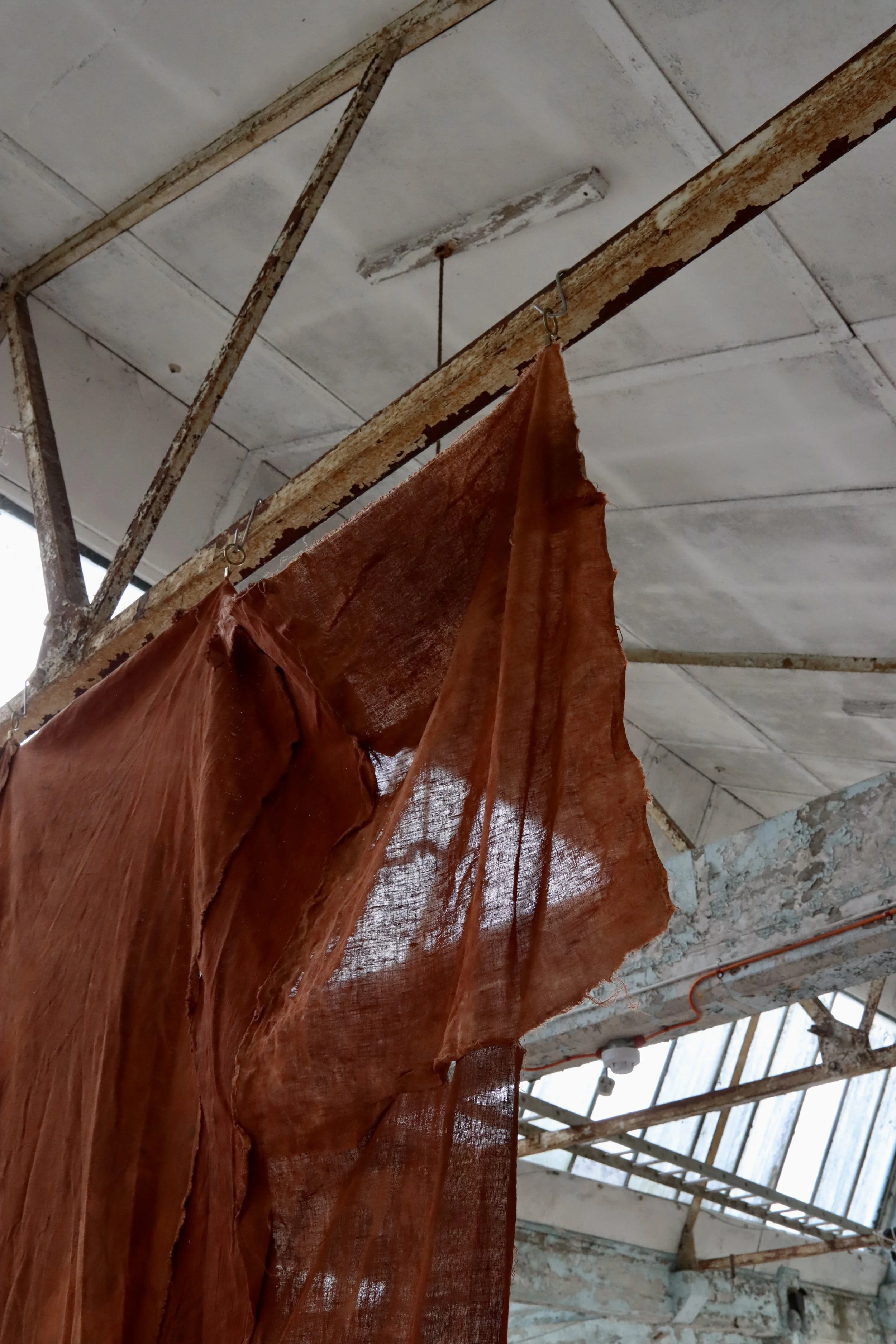
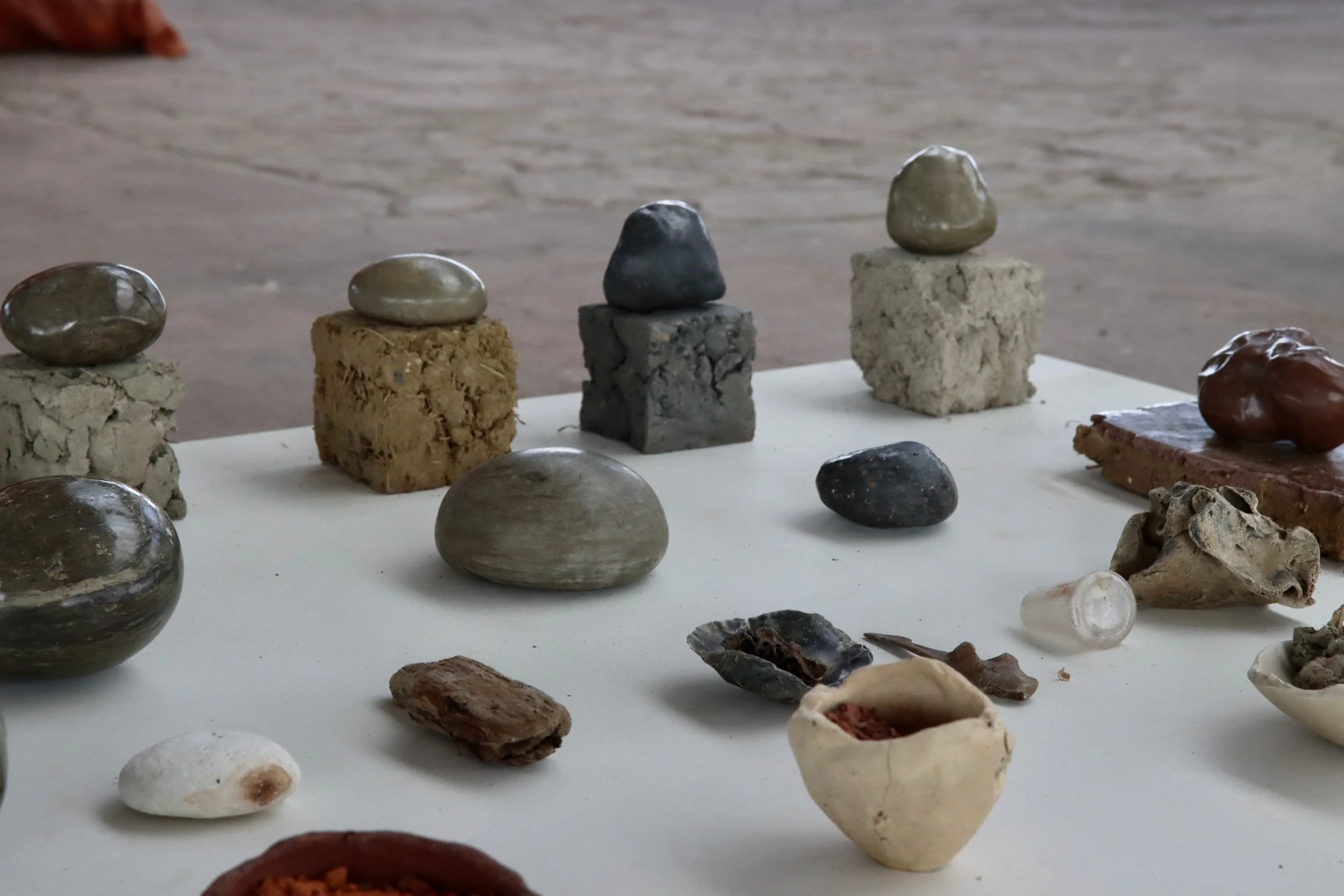
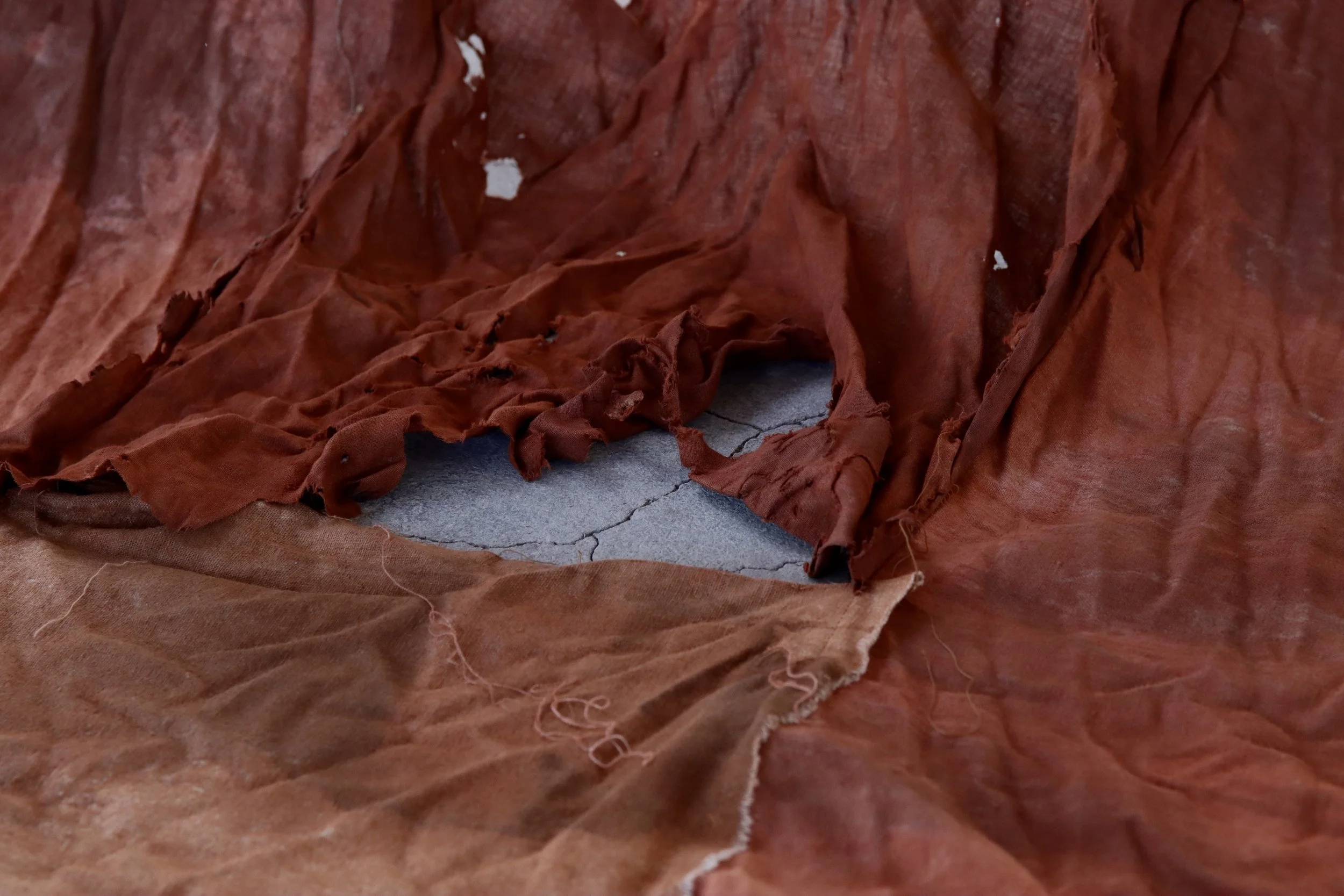
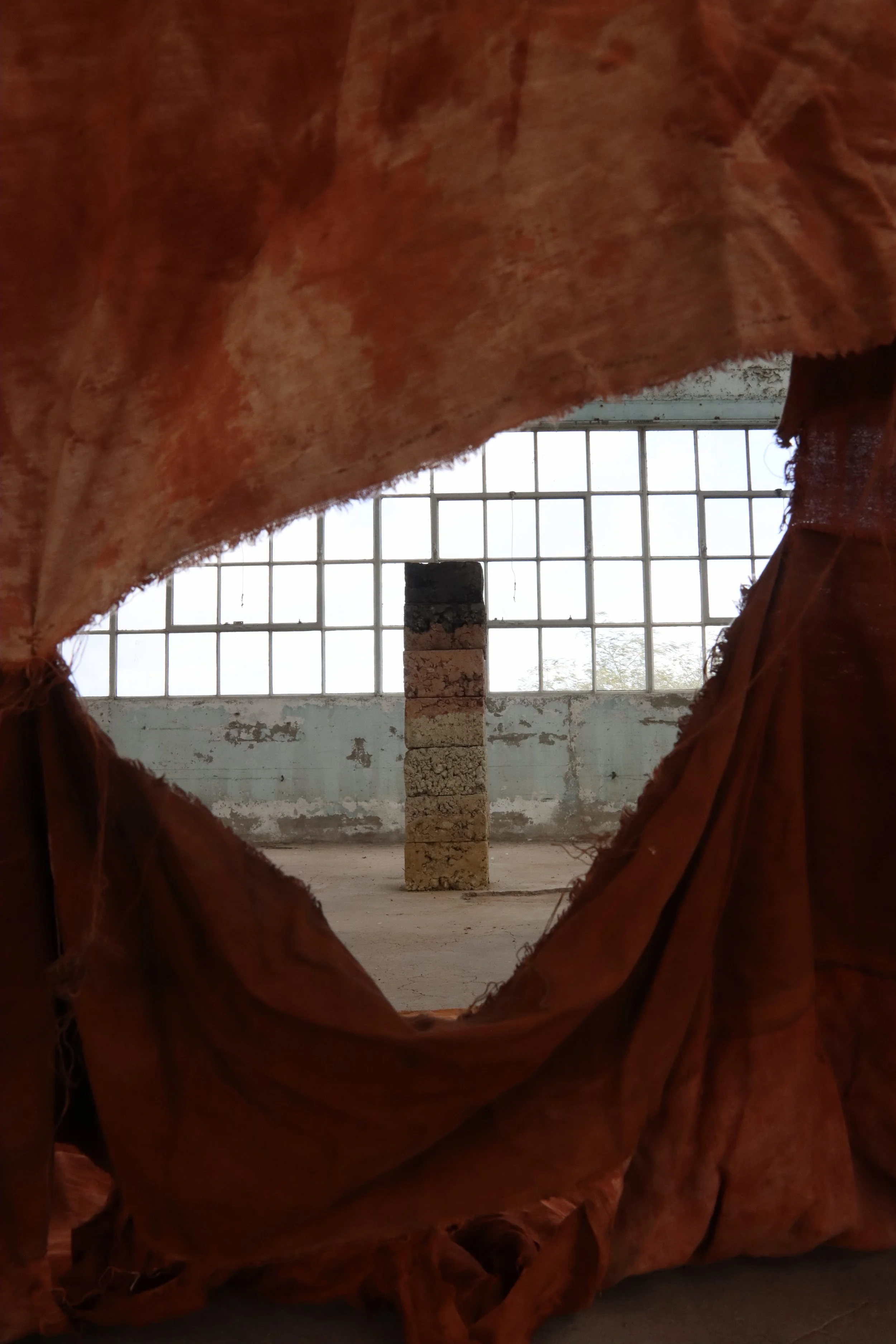
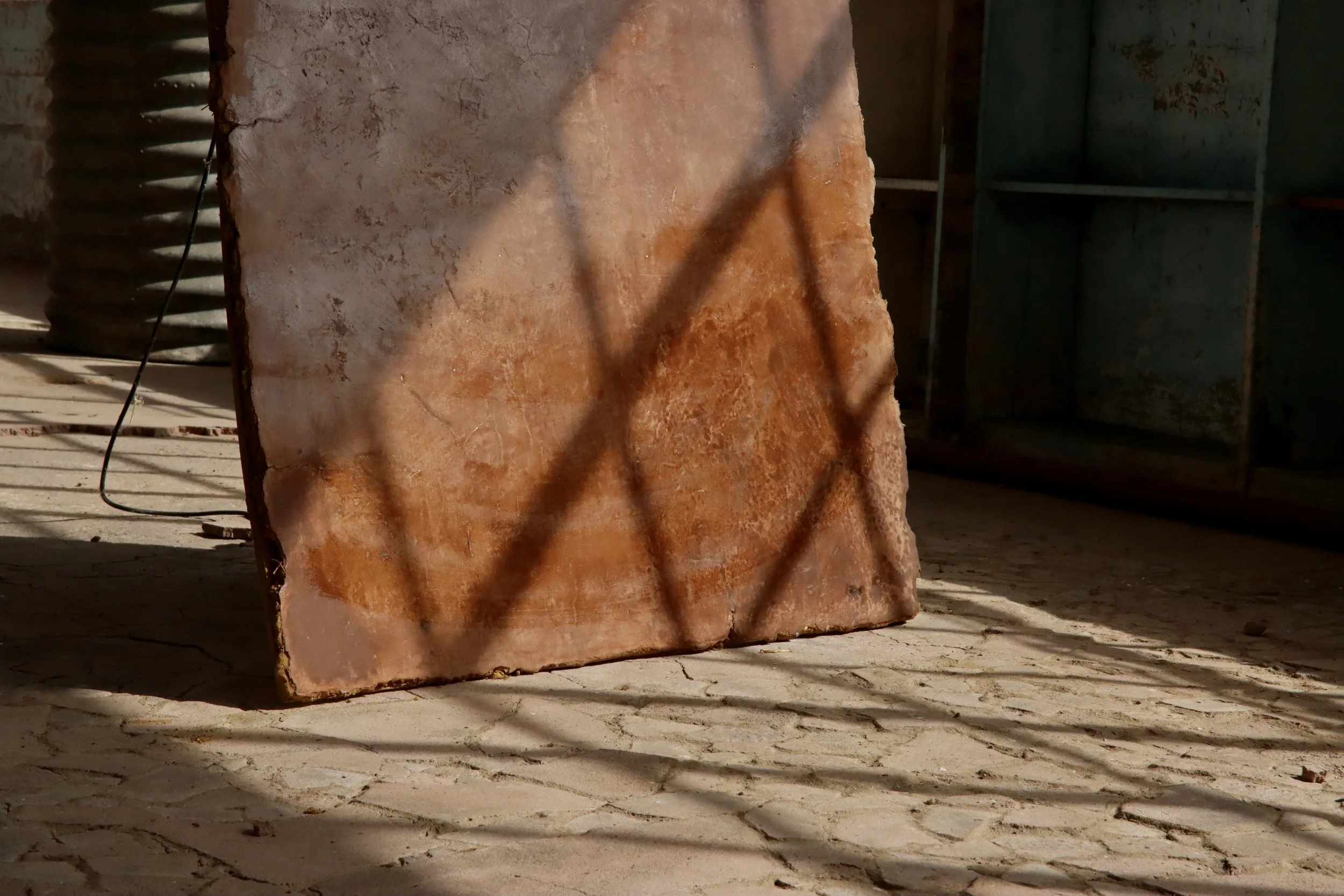
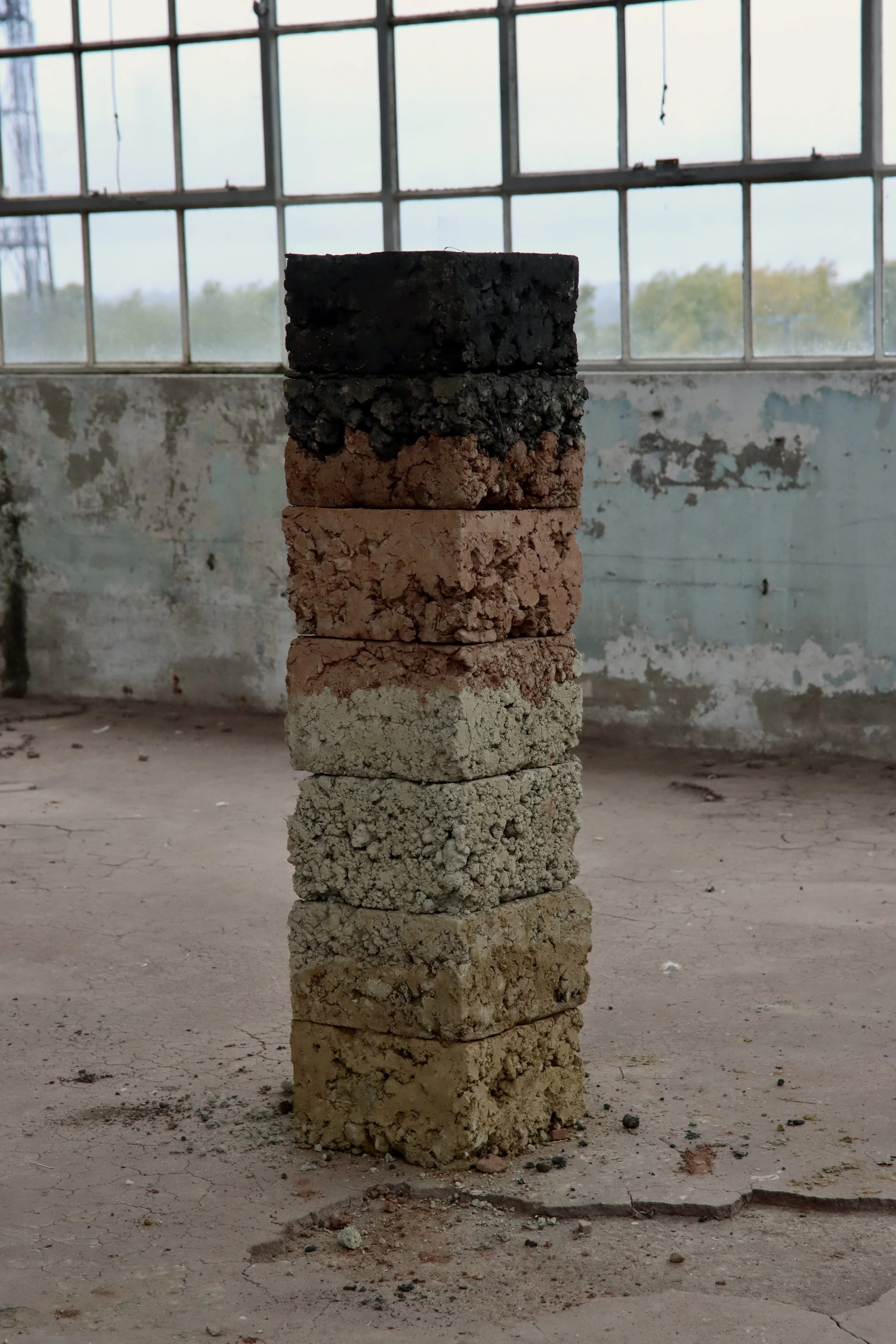
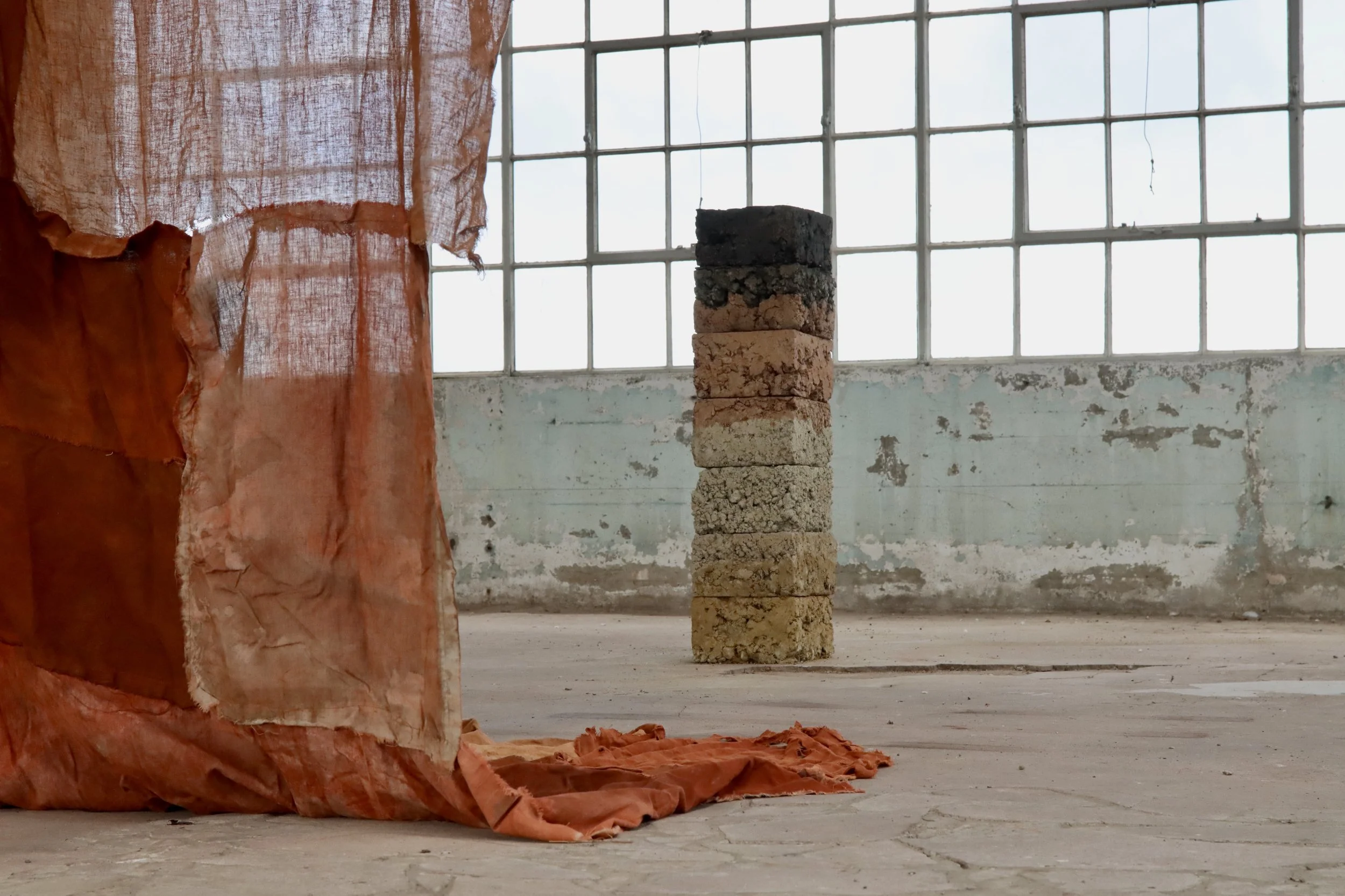
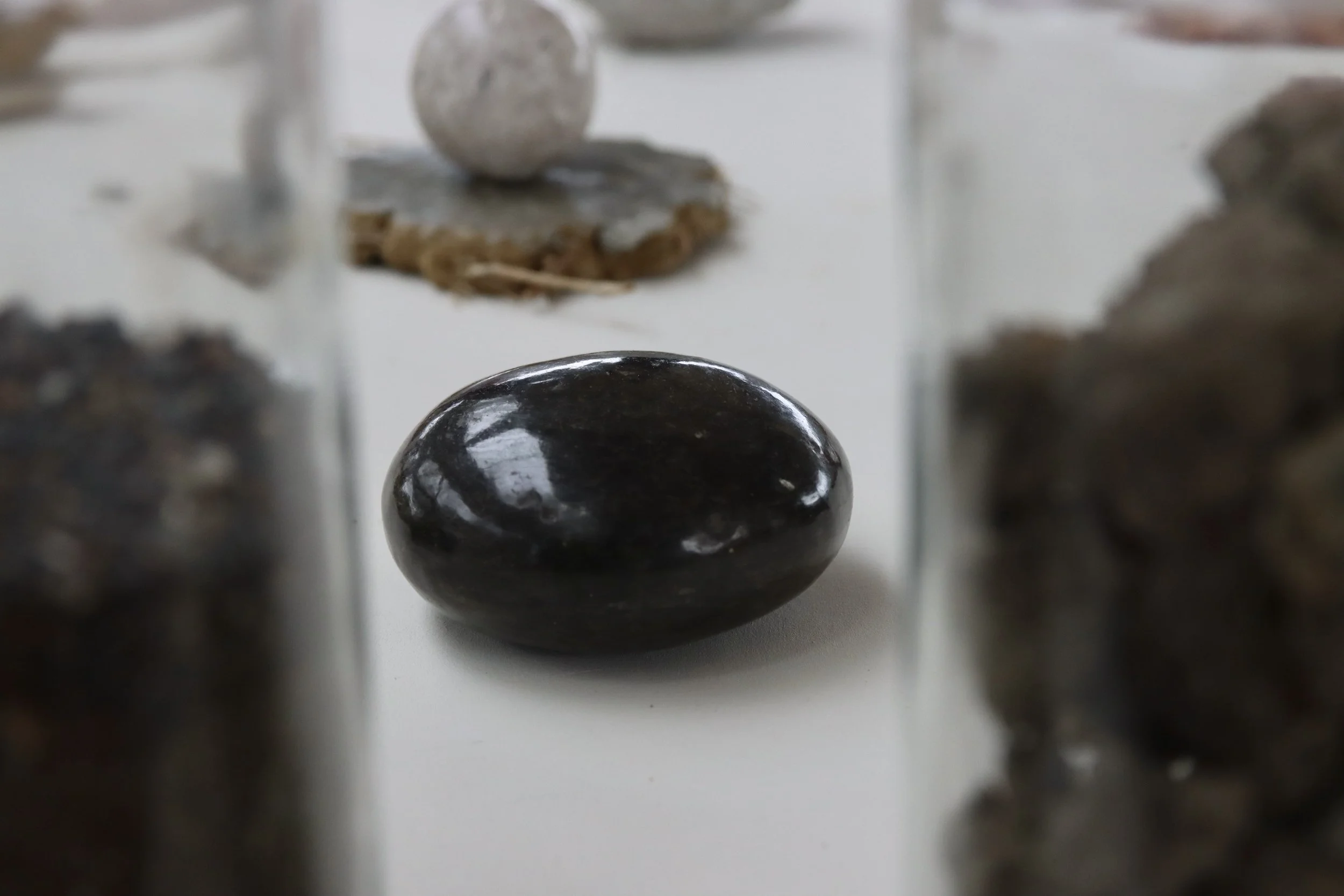
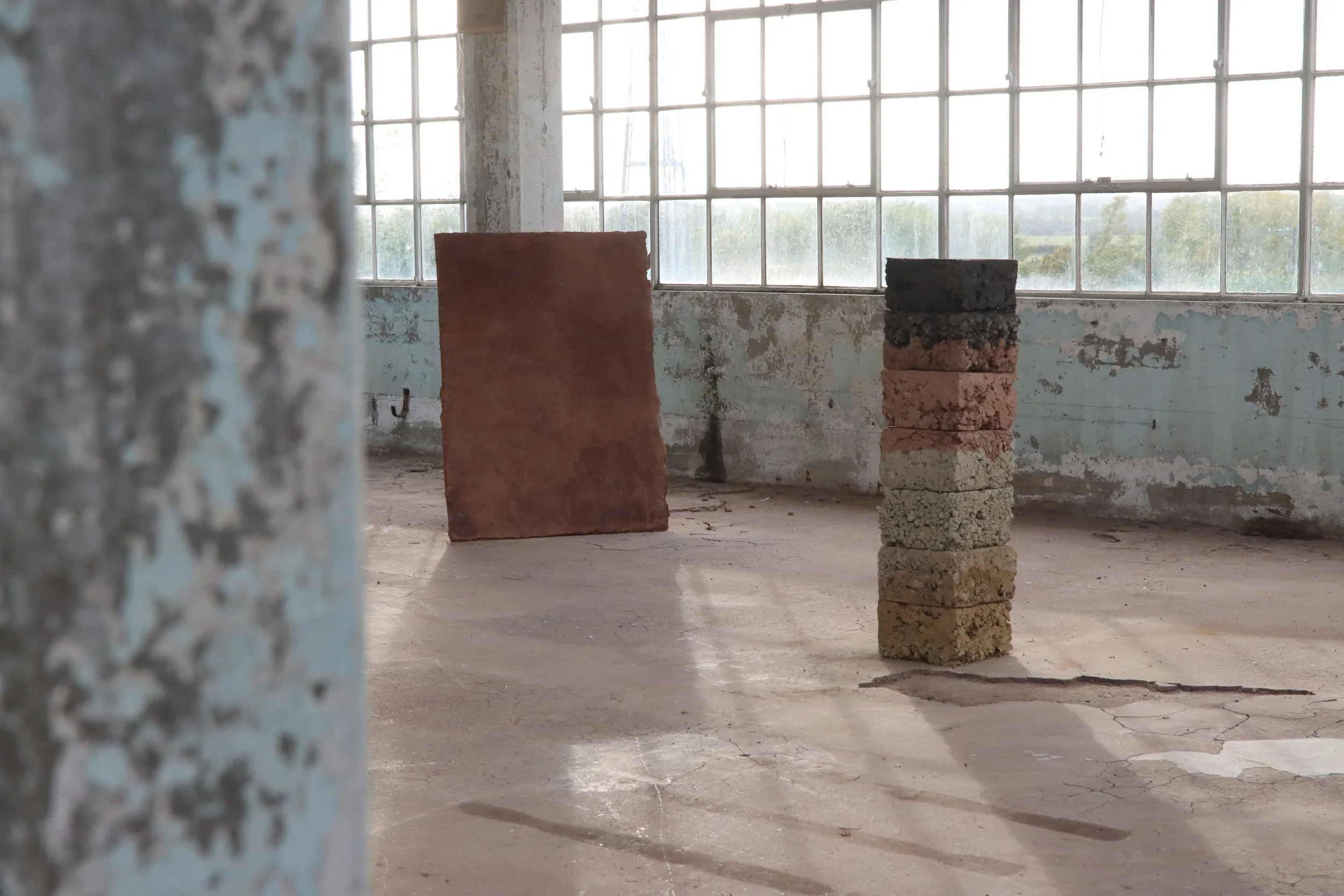
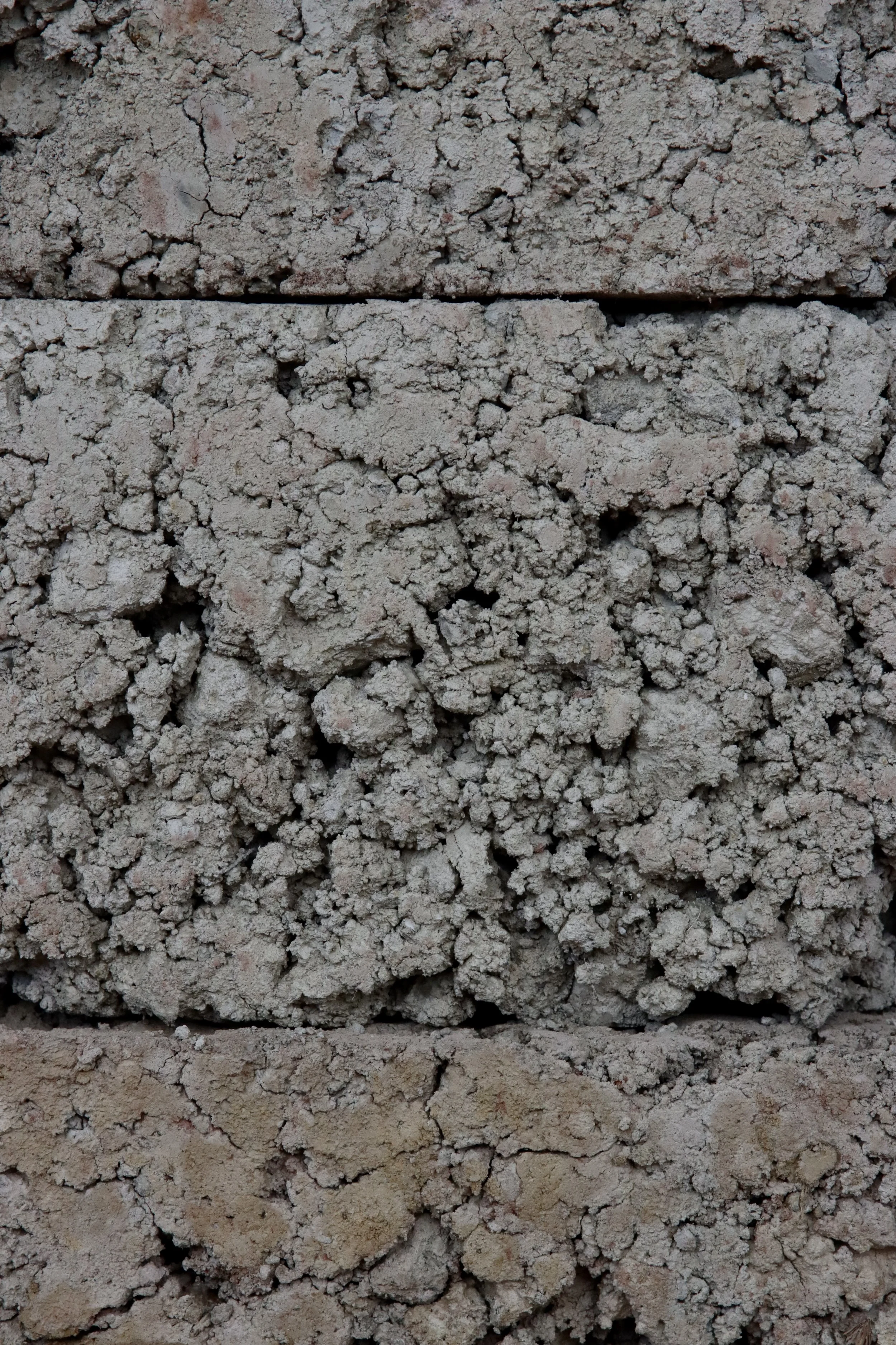
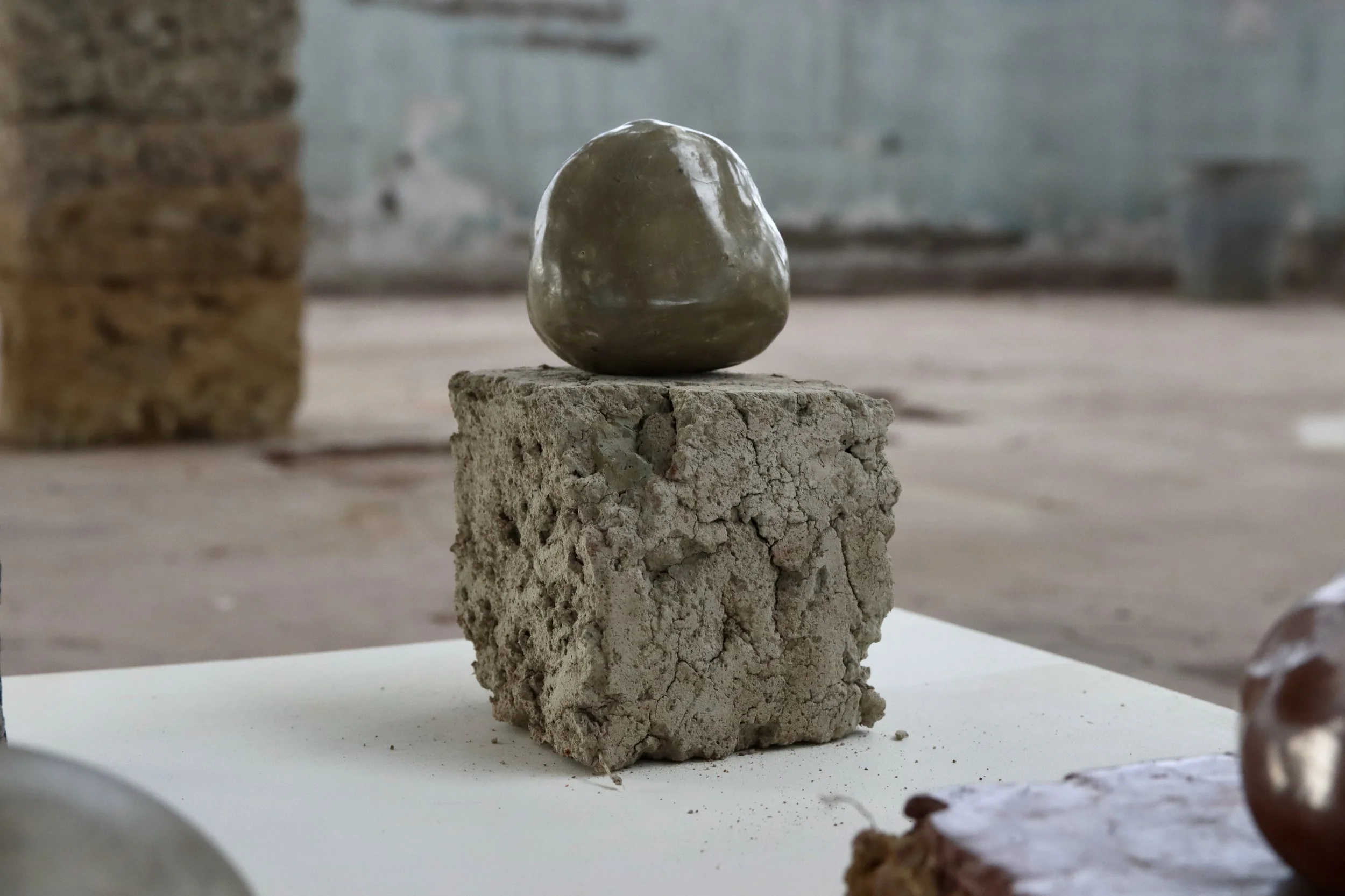
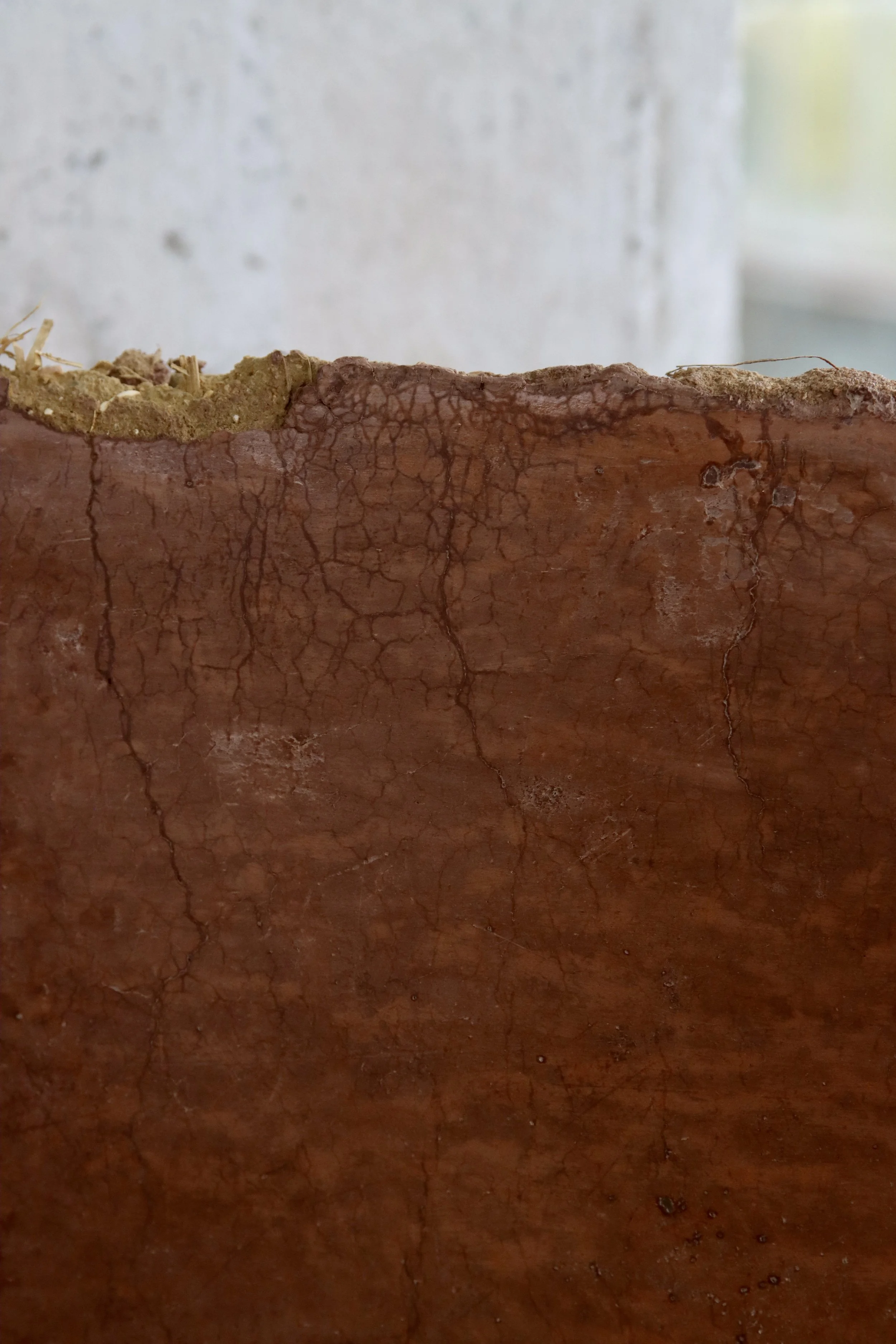
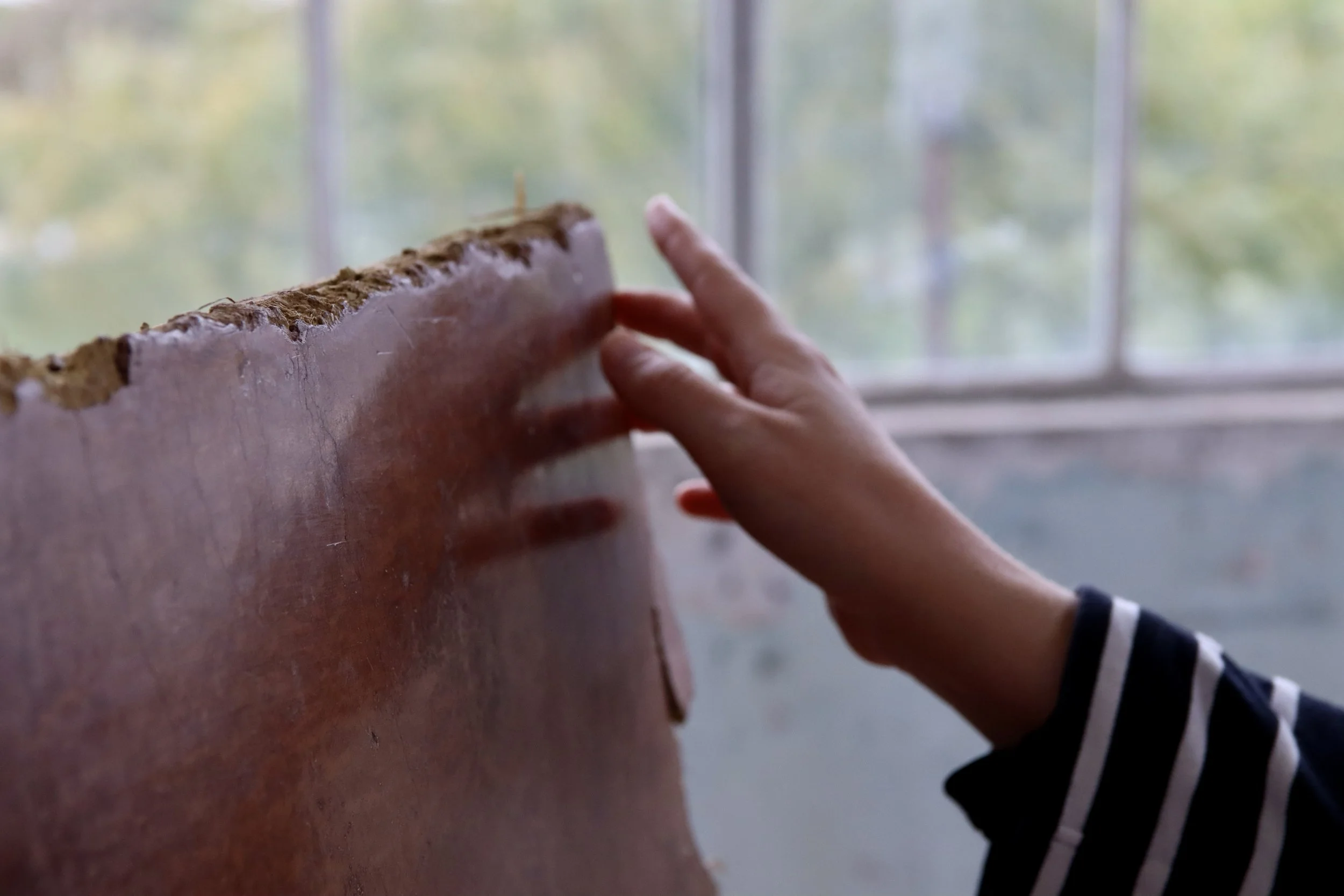
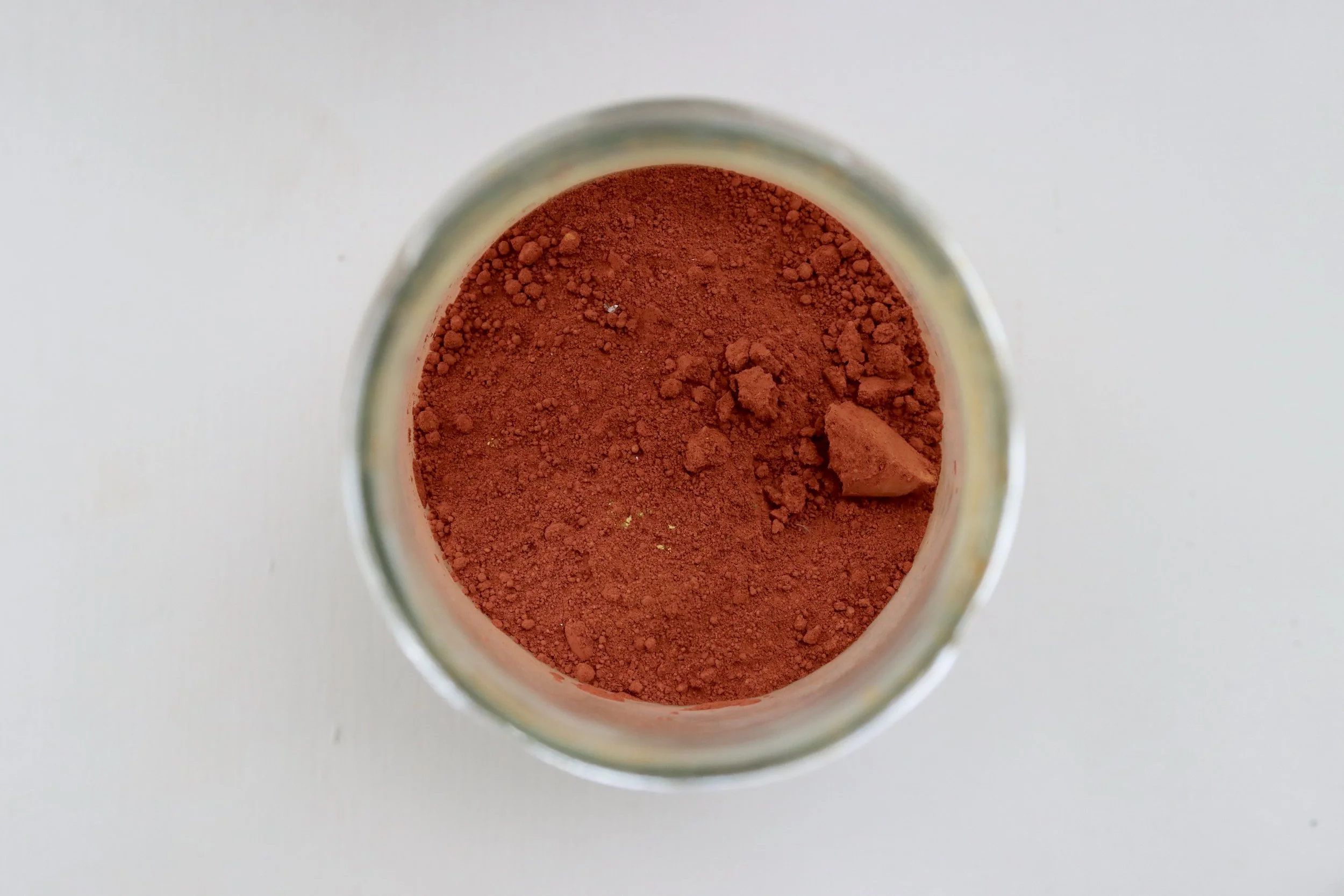
Through the use of native clays, soils, organic matter, and industrial by-products—including quarry waste, crushed brick, and wood ash—I create new earth-based composites and unfired forms that document material behaviour, environmental context, and place. The works are sealed and protected using natural oils, waxes, and surface treatments, allowing them to endure for comparable lengths of time to traditionally fired objects, but without the need for high-energy processes. Techniques such as cob, rammed earth, burnishing, and hand-forming are central to the process, allowing the material to retain its natural properties while remaining responsive, durable, and alive to its environment.
Influenced by ancient building traditions and practices such as Dorodango, the work embraces slow, tactile, and embodied making. Repetition, care, and direct hand contact form a bridge between material and emotional experience, reflecting the accessibility and universality of earth as a medium.
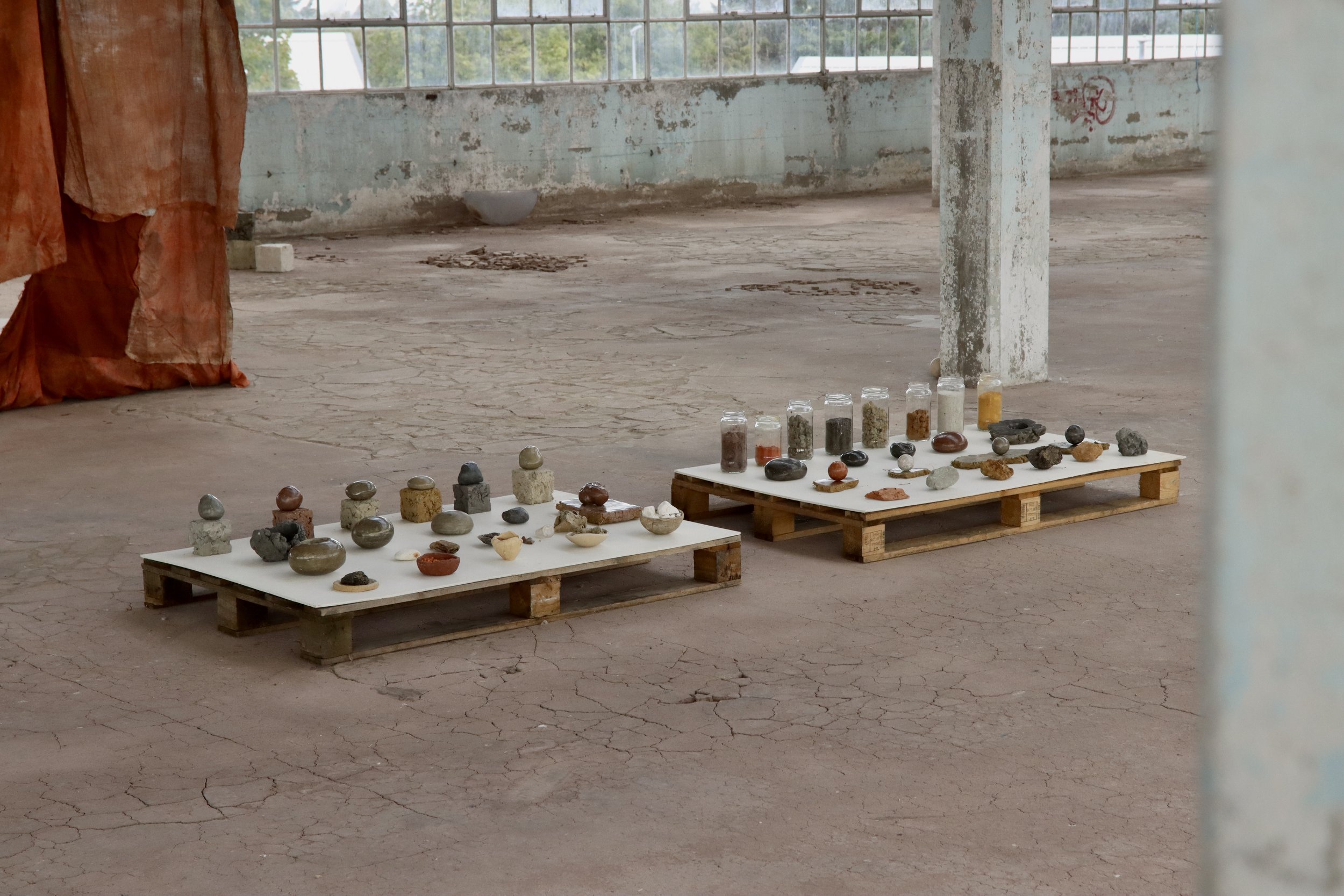
Earth Notes functions as both a growing material library and a long-term, practice-led inquiry into ethical, circular approaches to making. Each test and form contributes to a wider exploration of how material practice can honour natural resources, minimise extraction, and support environmental repair.
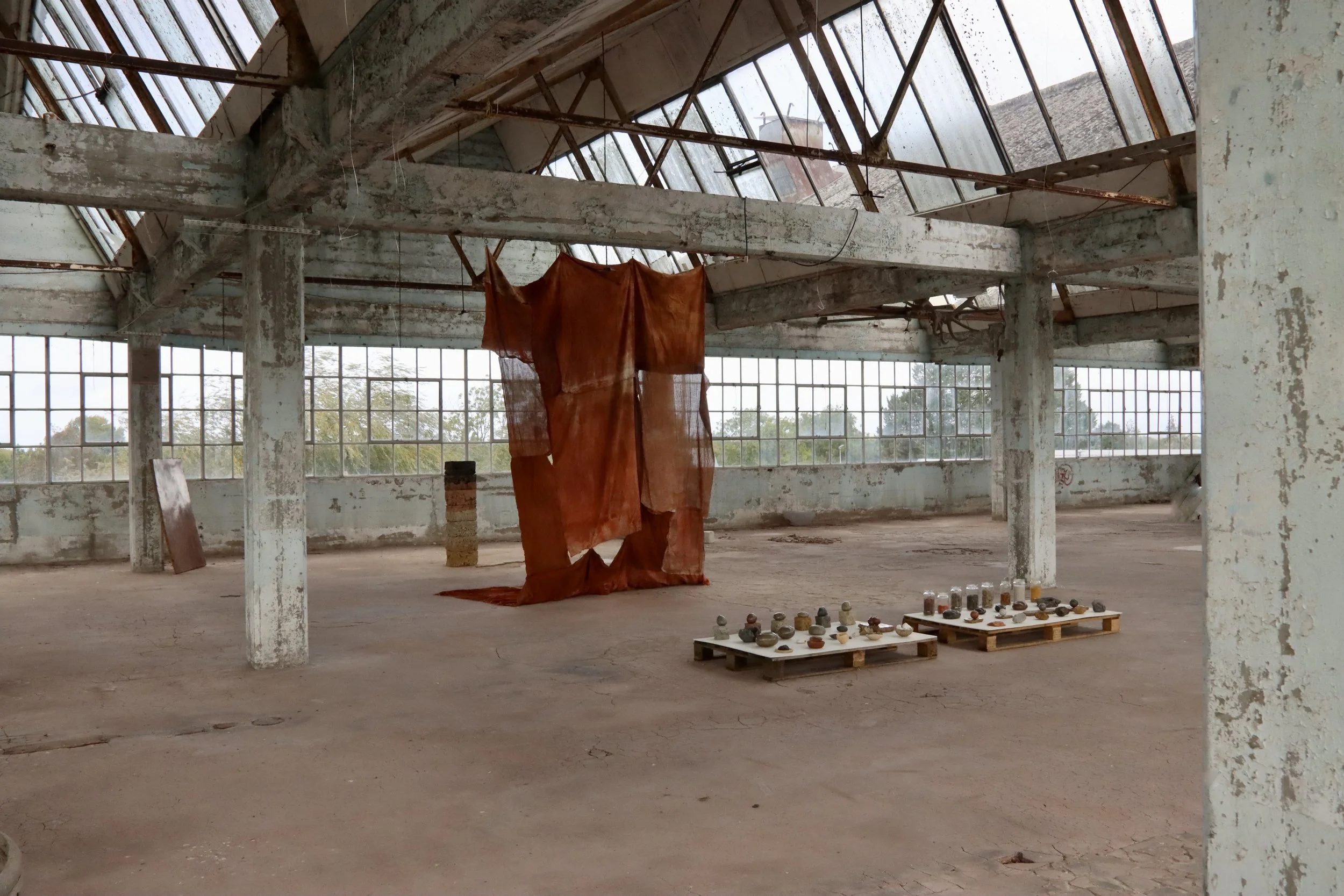
The research culminated in the exhibition Earth Notes at Zig Zag Gallery, in an exhibition supported by Somerset Art Works and Somerset Craft Guild. The exhibition marked a key moment in the evolution of the project, transitioning the research from academic inquiry into a shared, public encounter and ongoing practice. Audiences were invited into an intimate, tactile relationship with the works, encountering the materials through touch, surface, weight, and proximity, and engaging directly with the physical presence of earth in the gallery space.
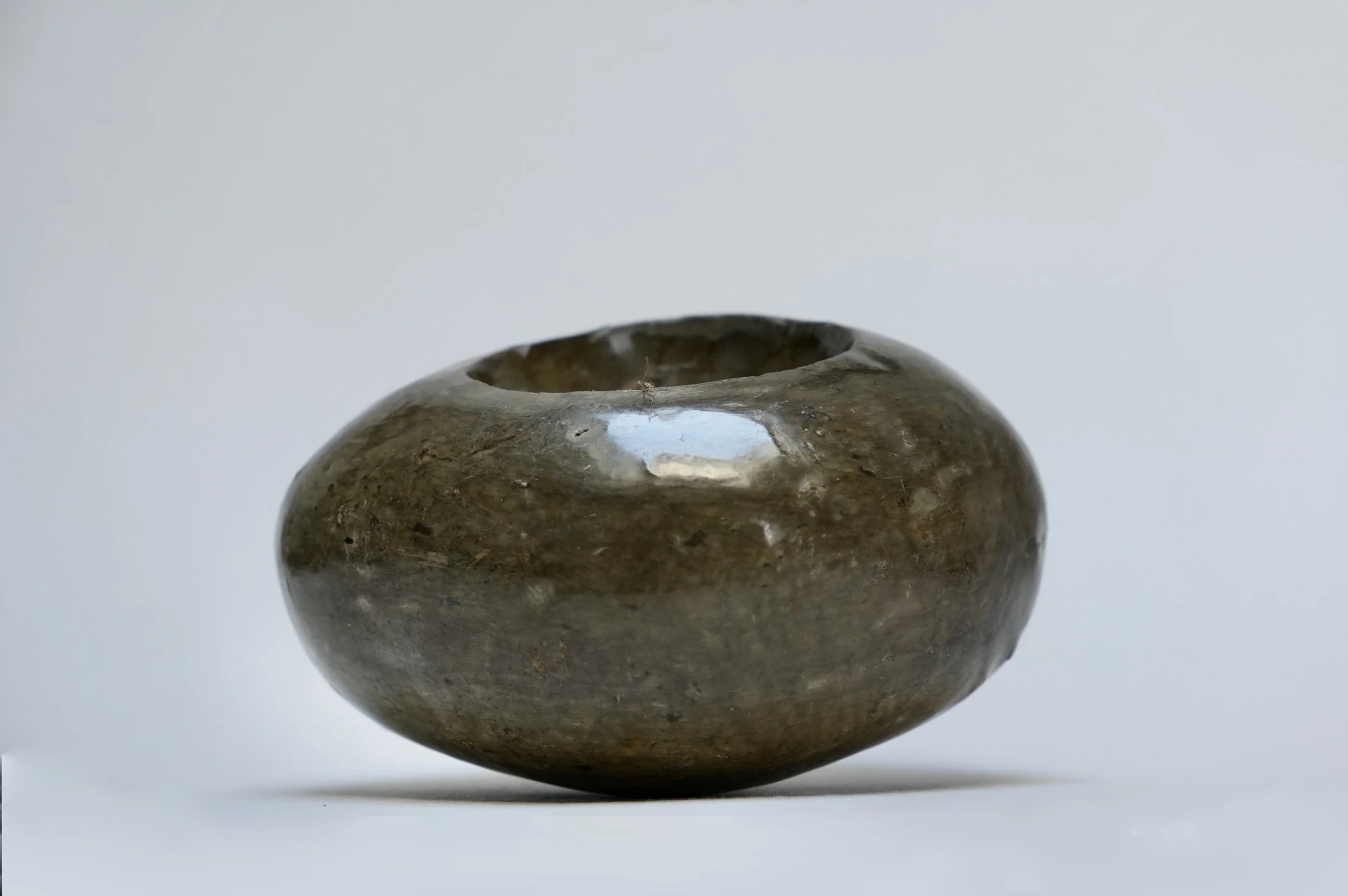
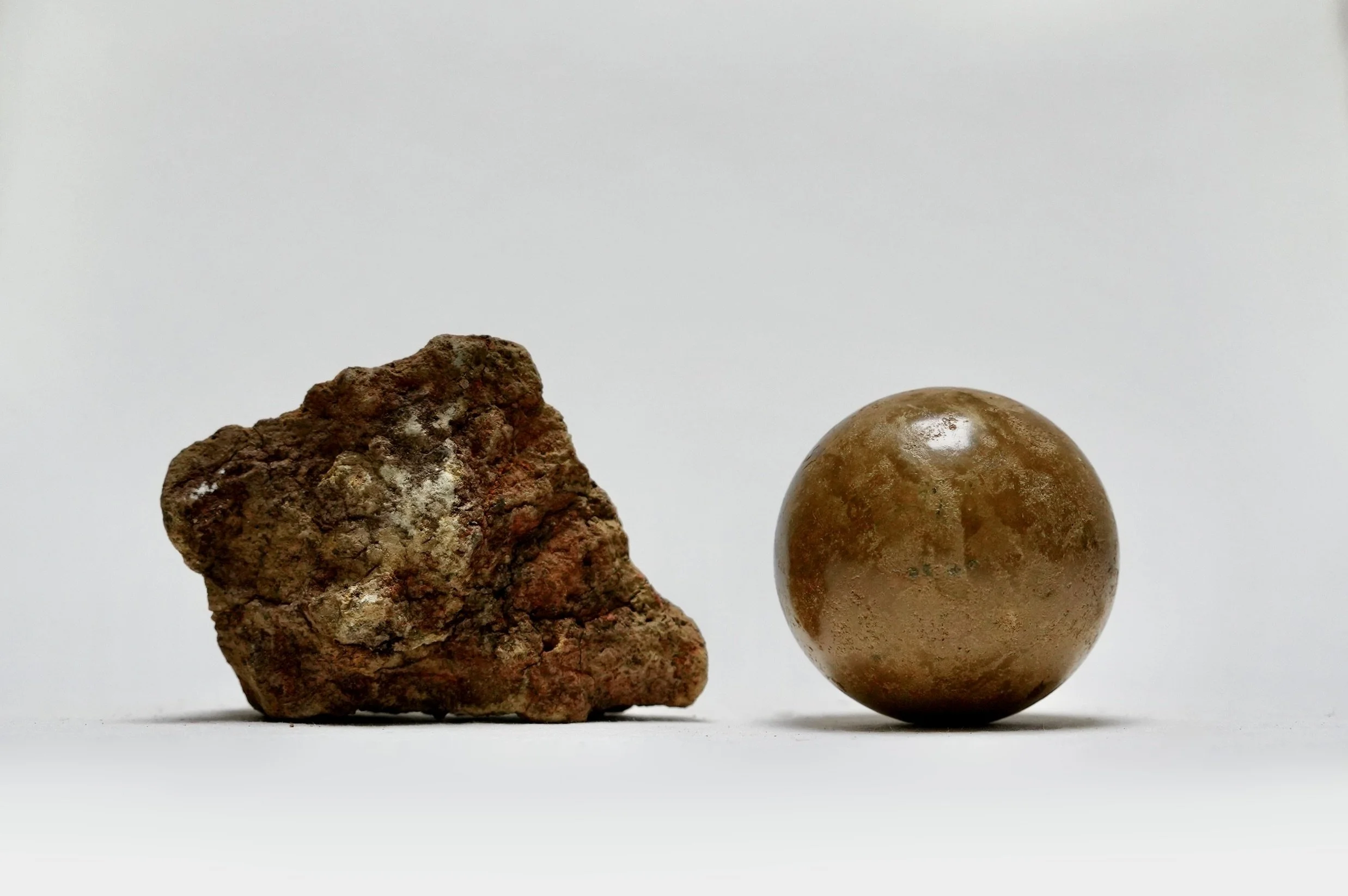
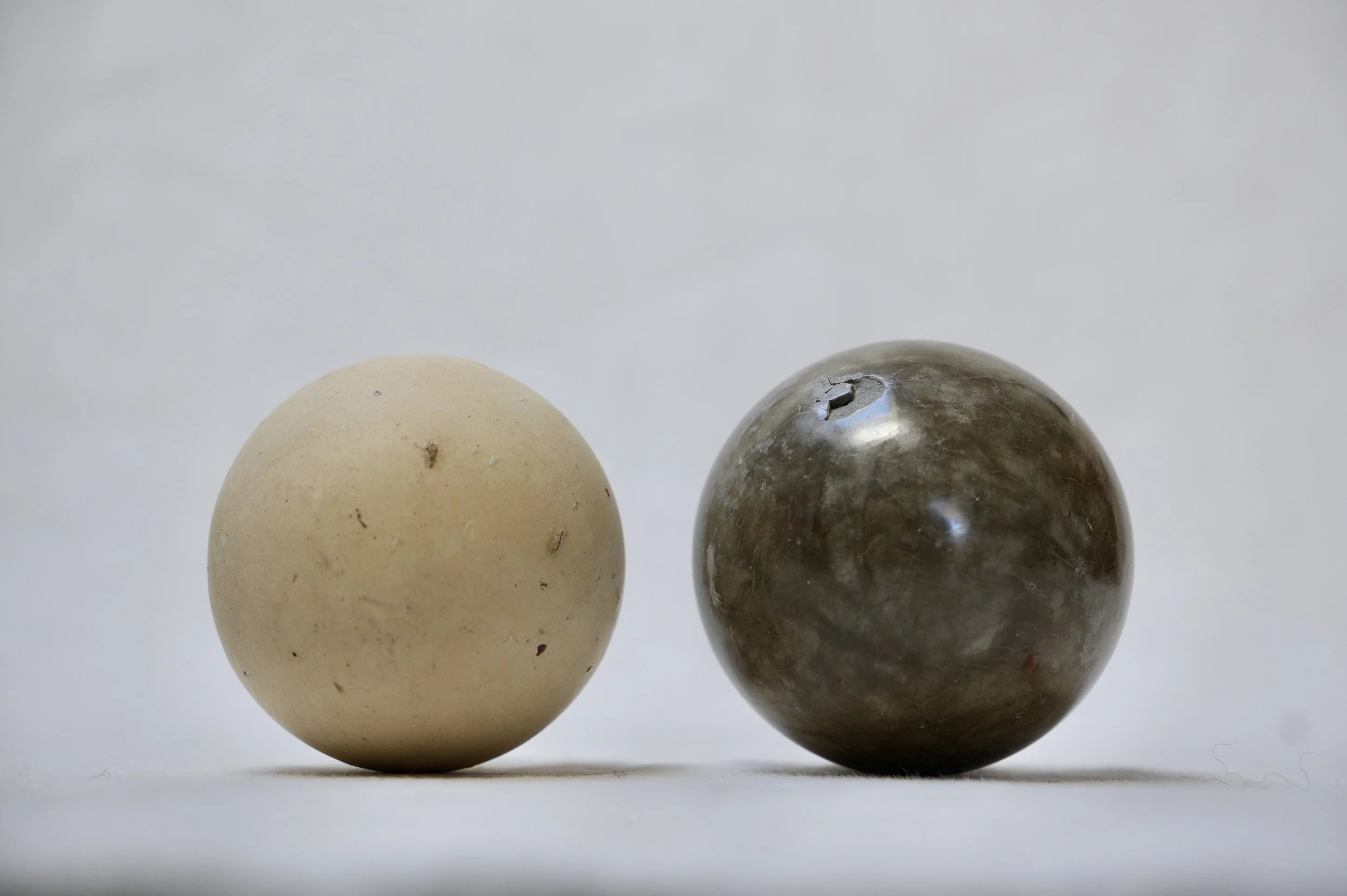
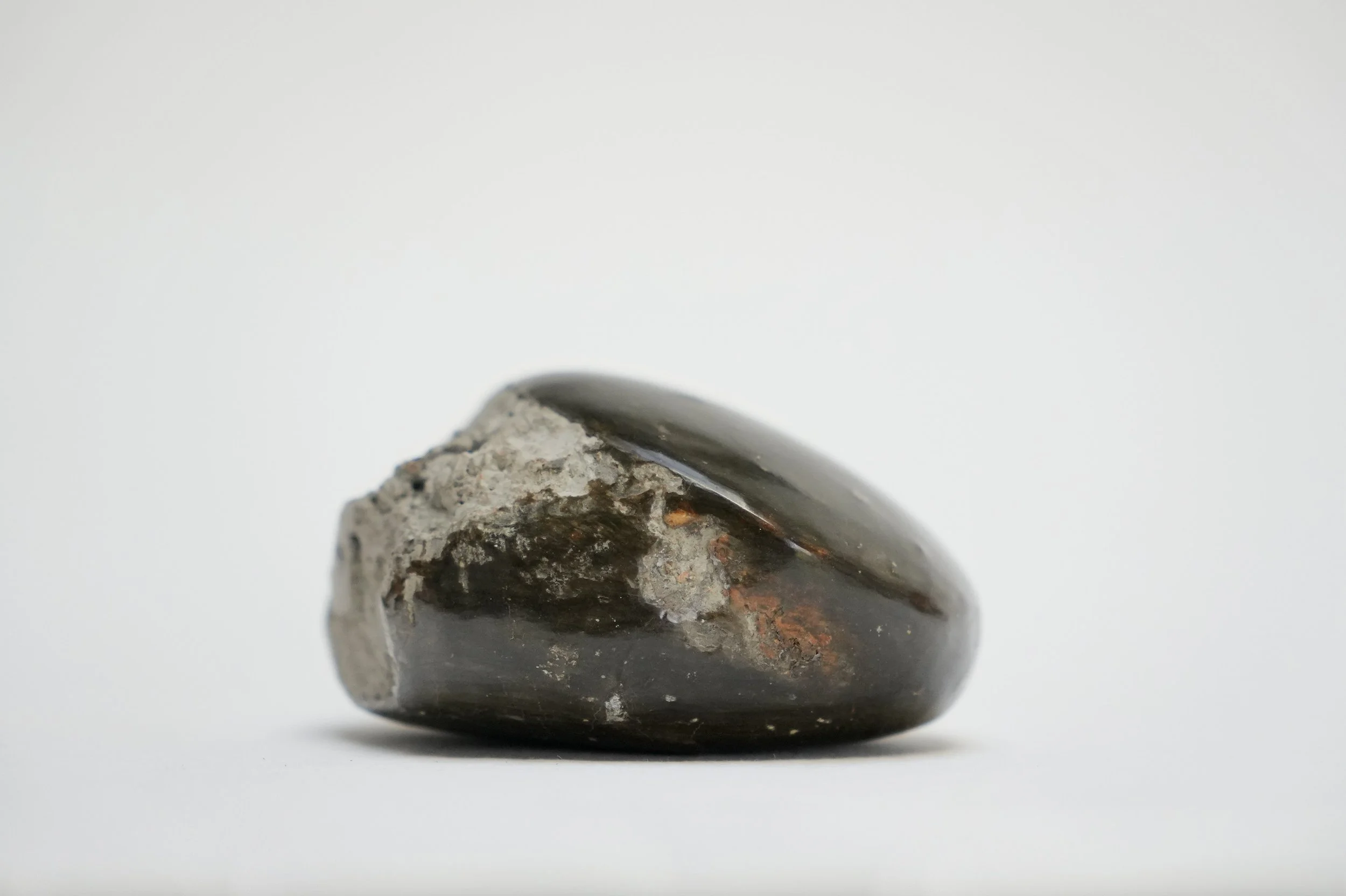
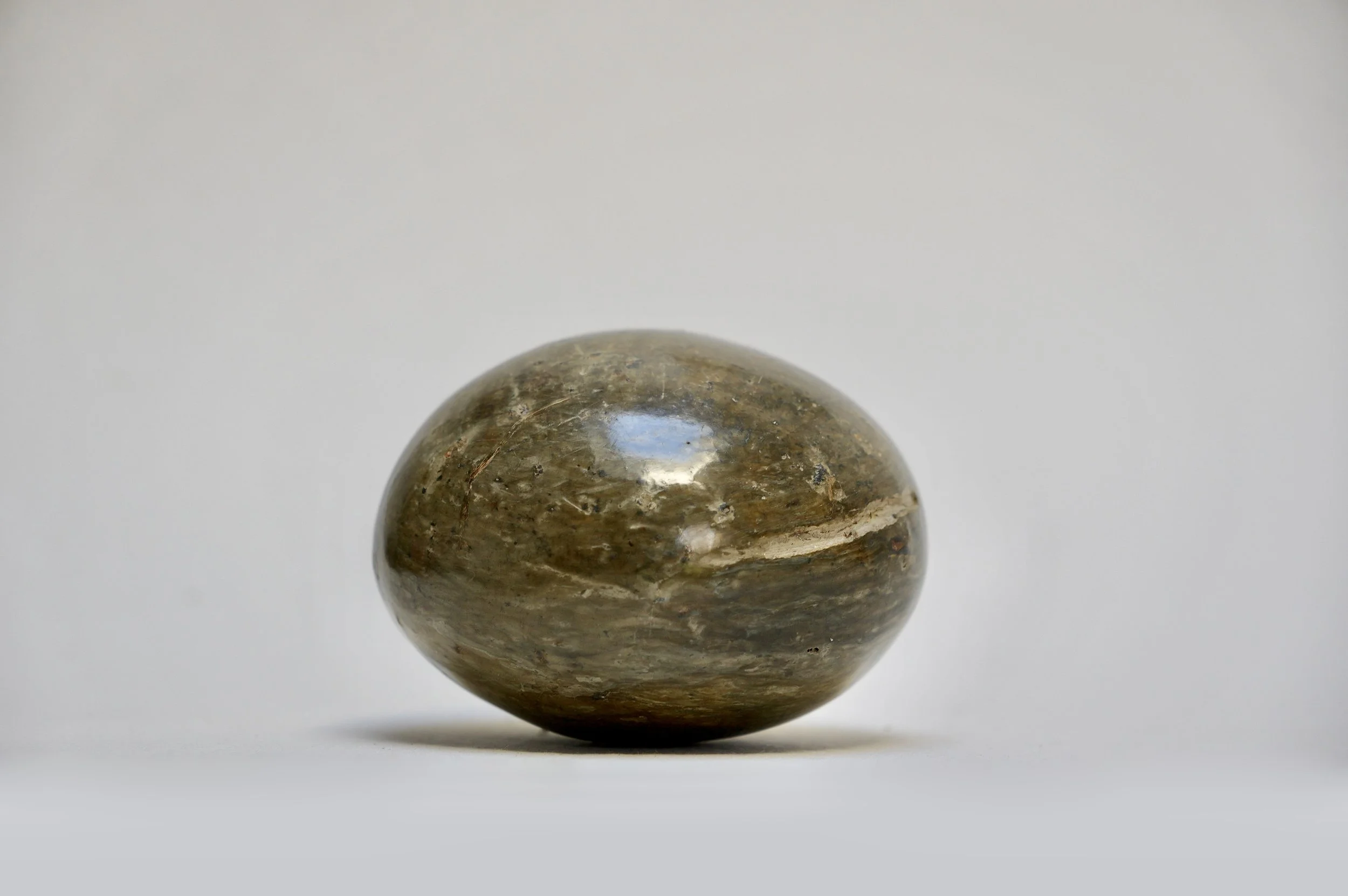
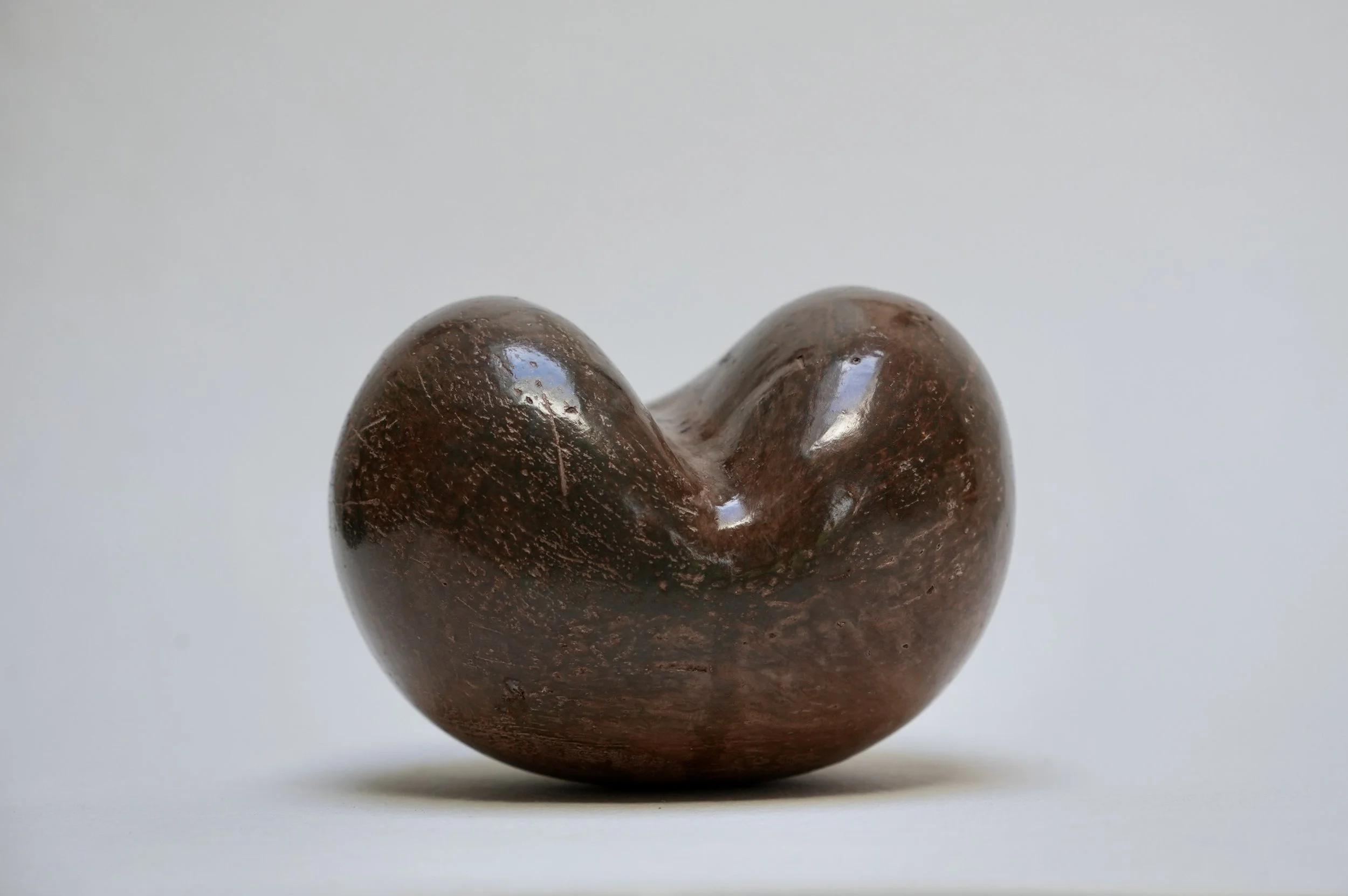
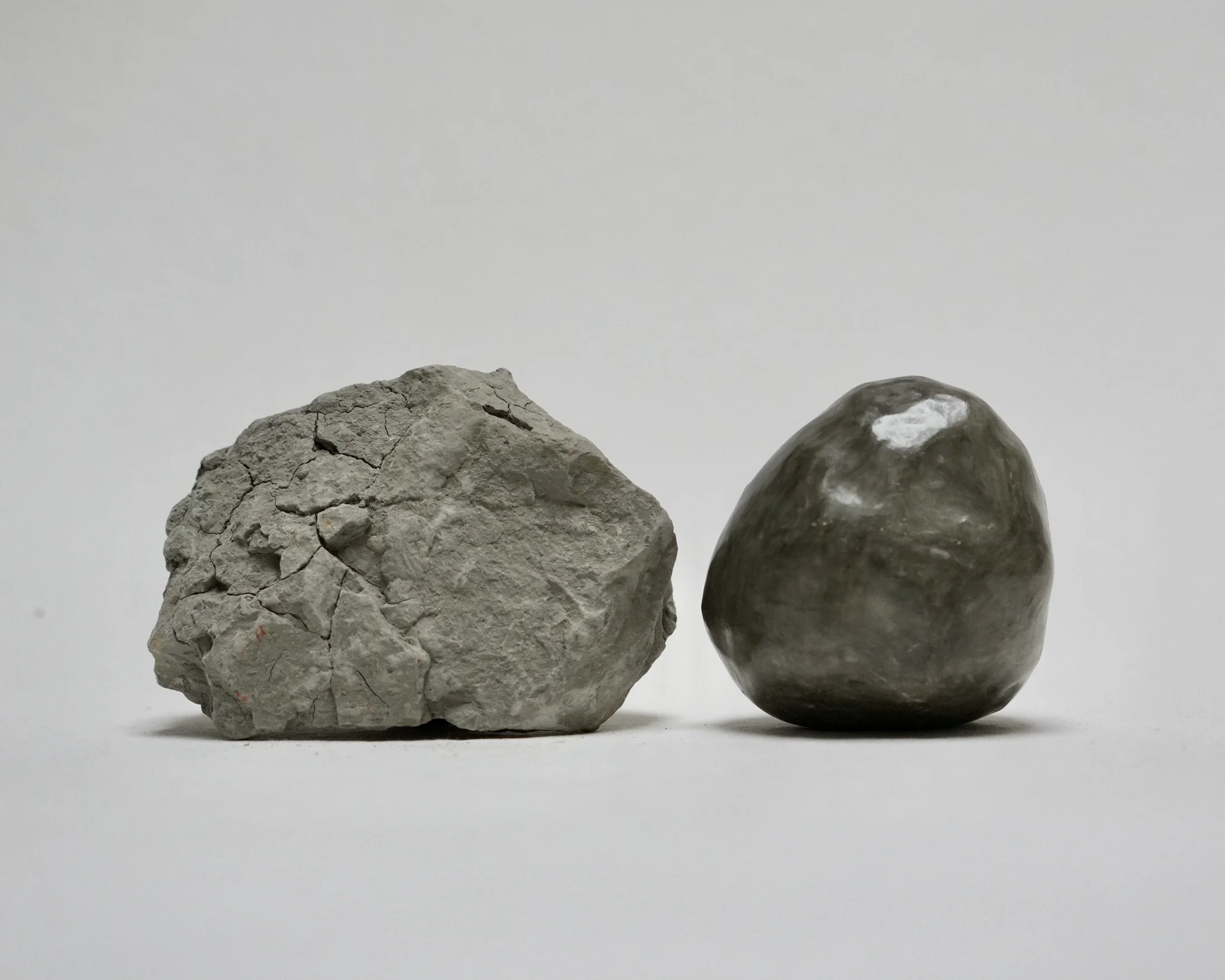
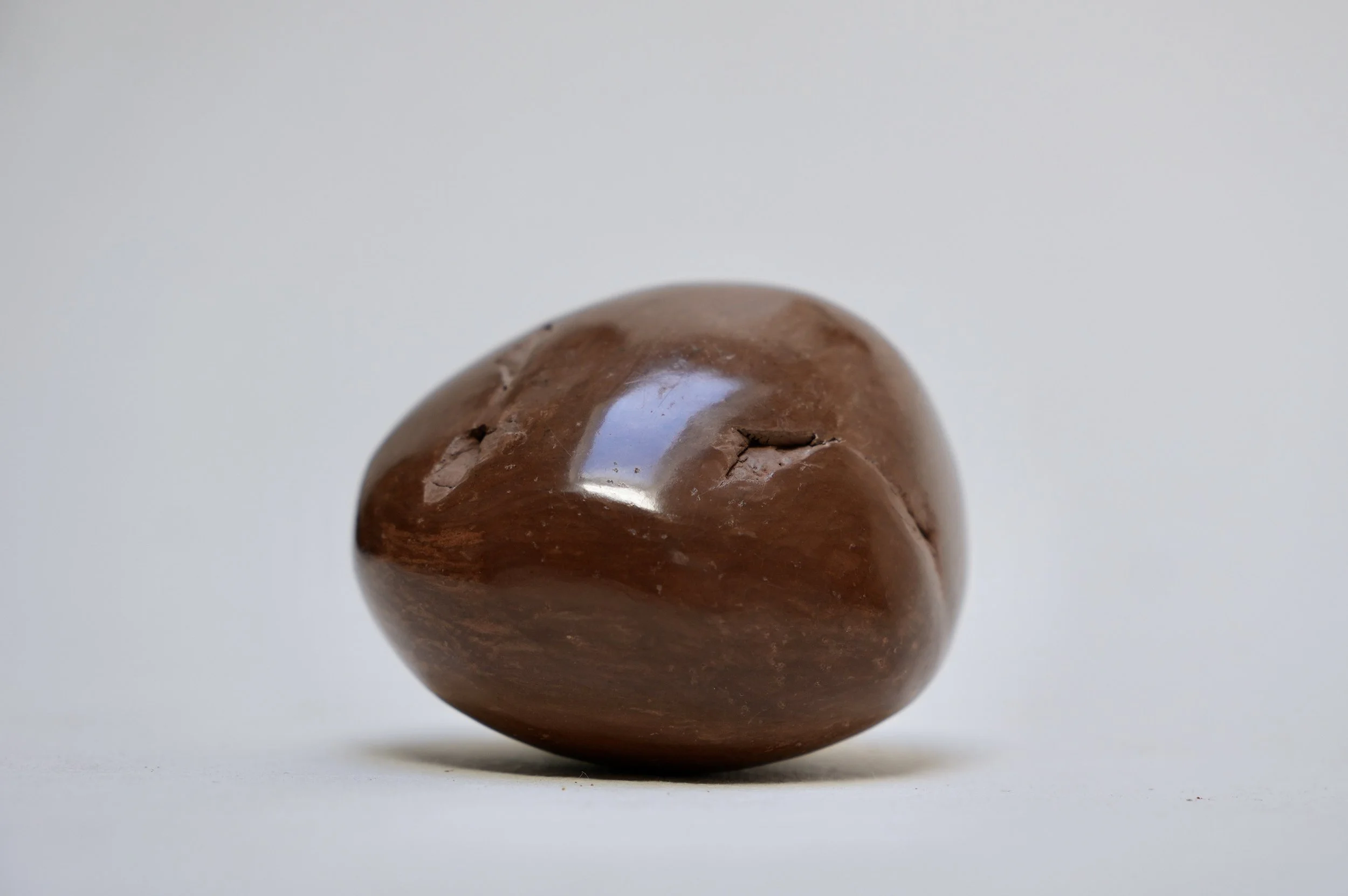
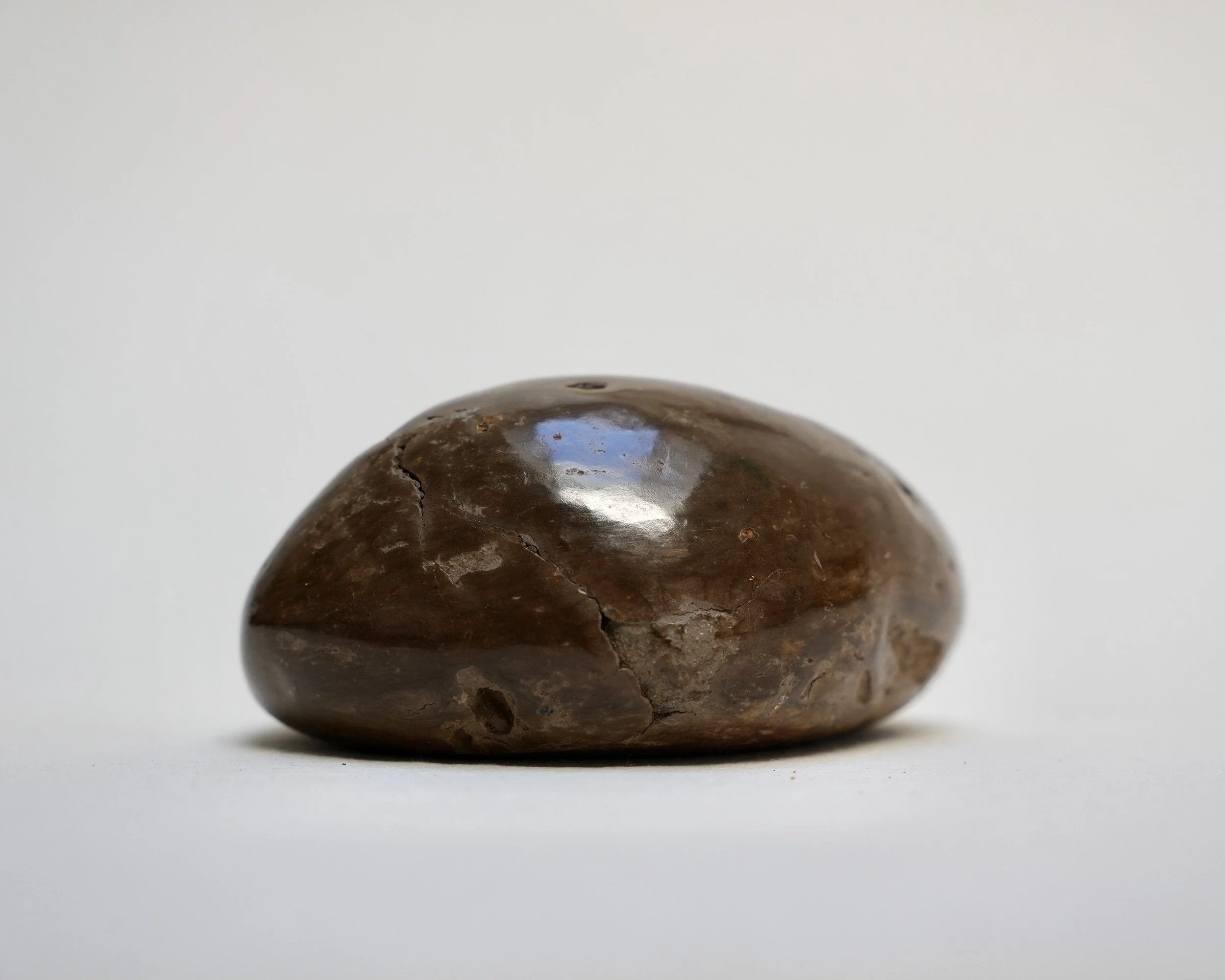
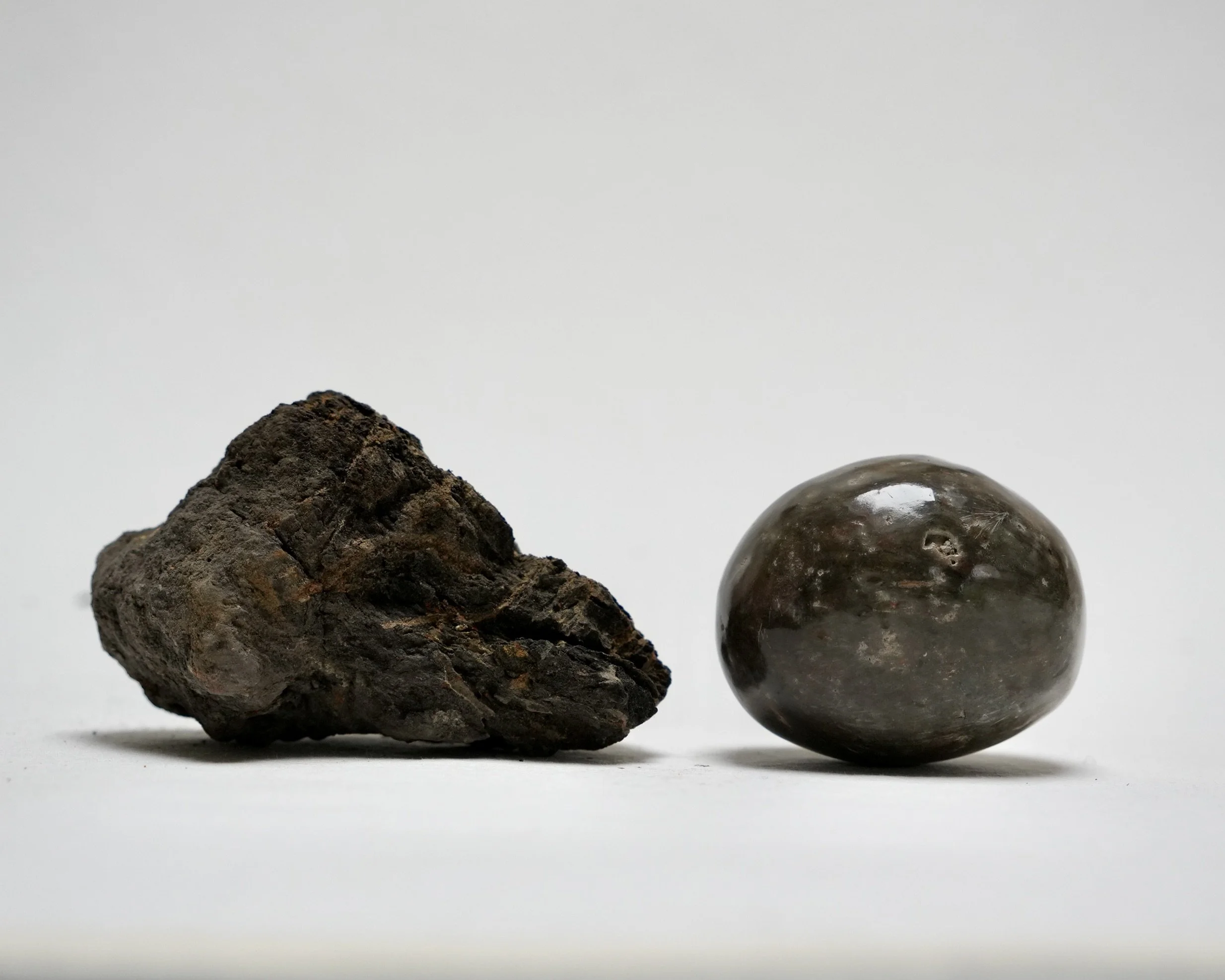
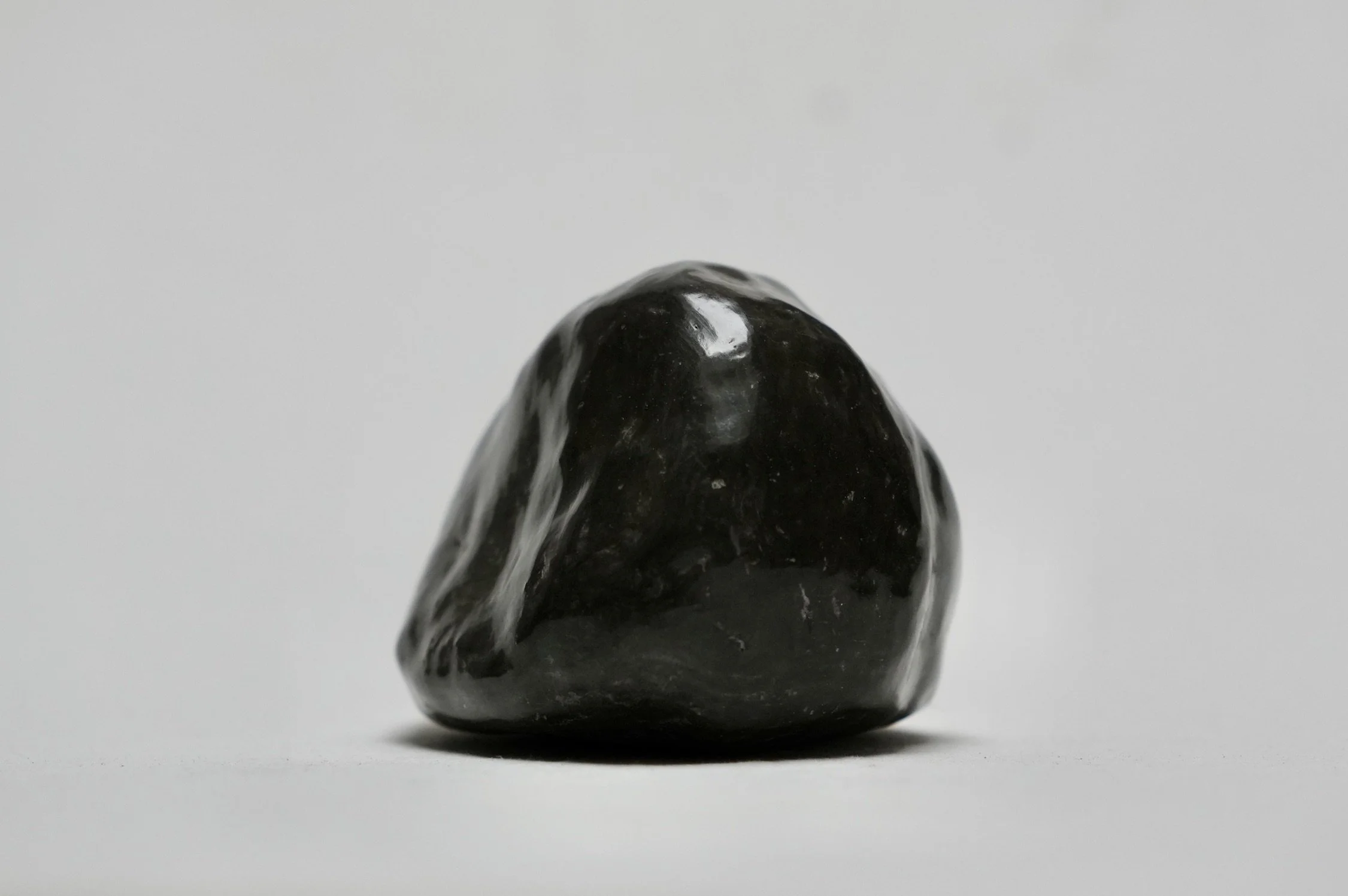
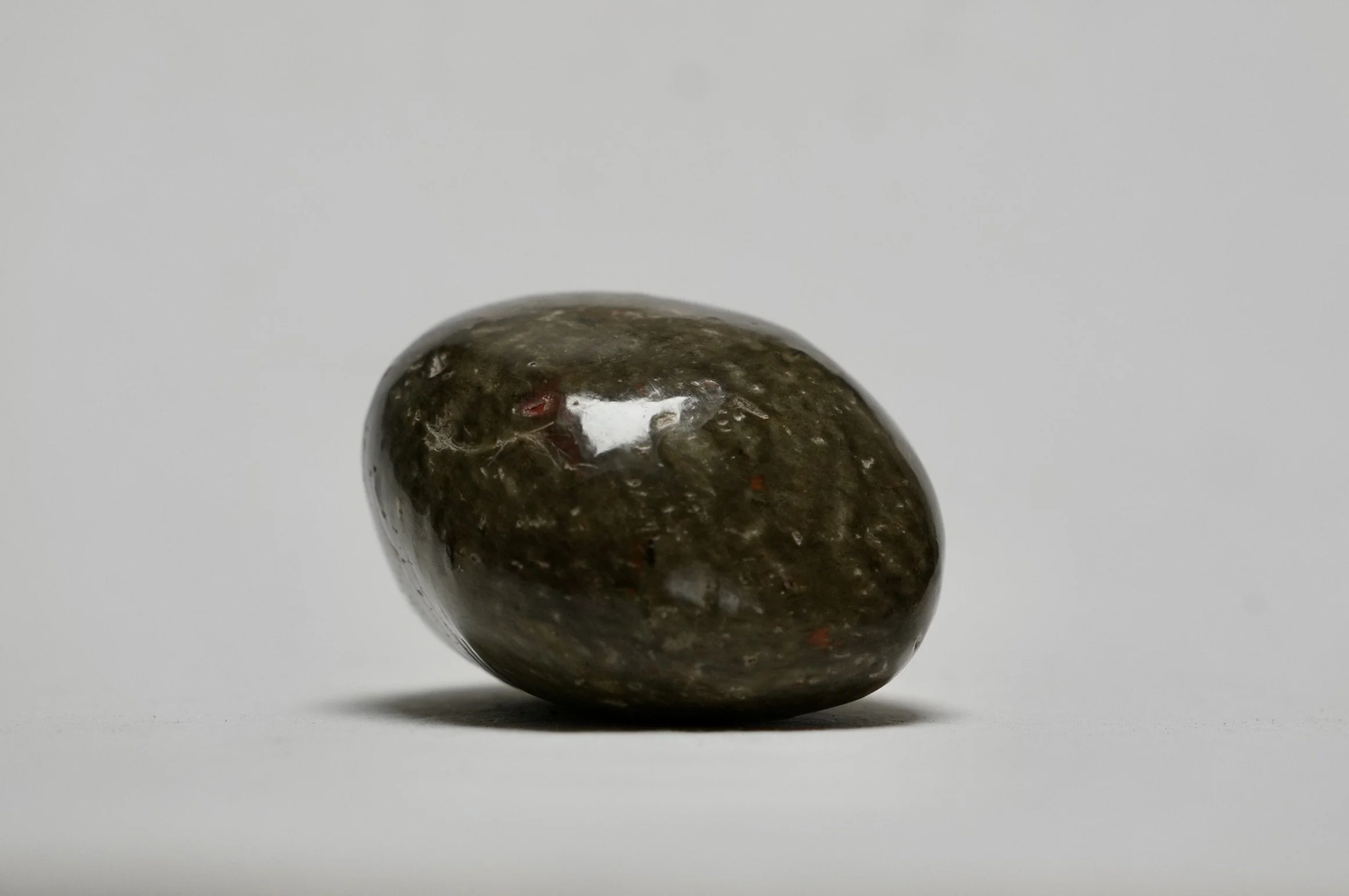
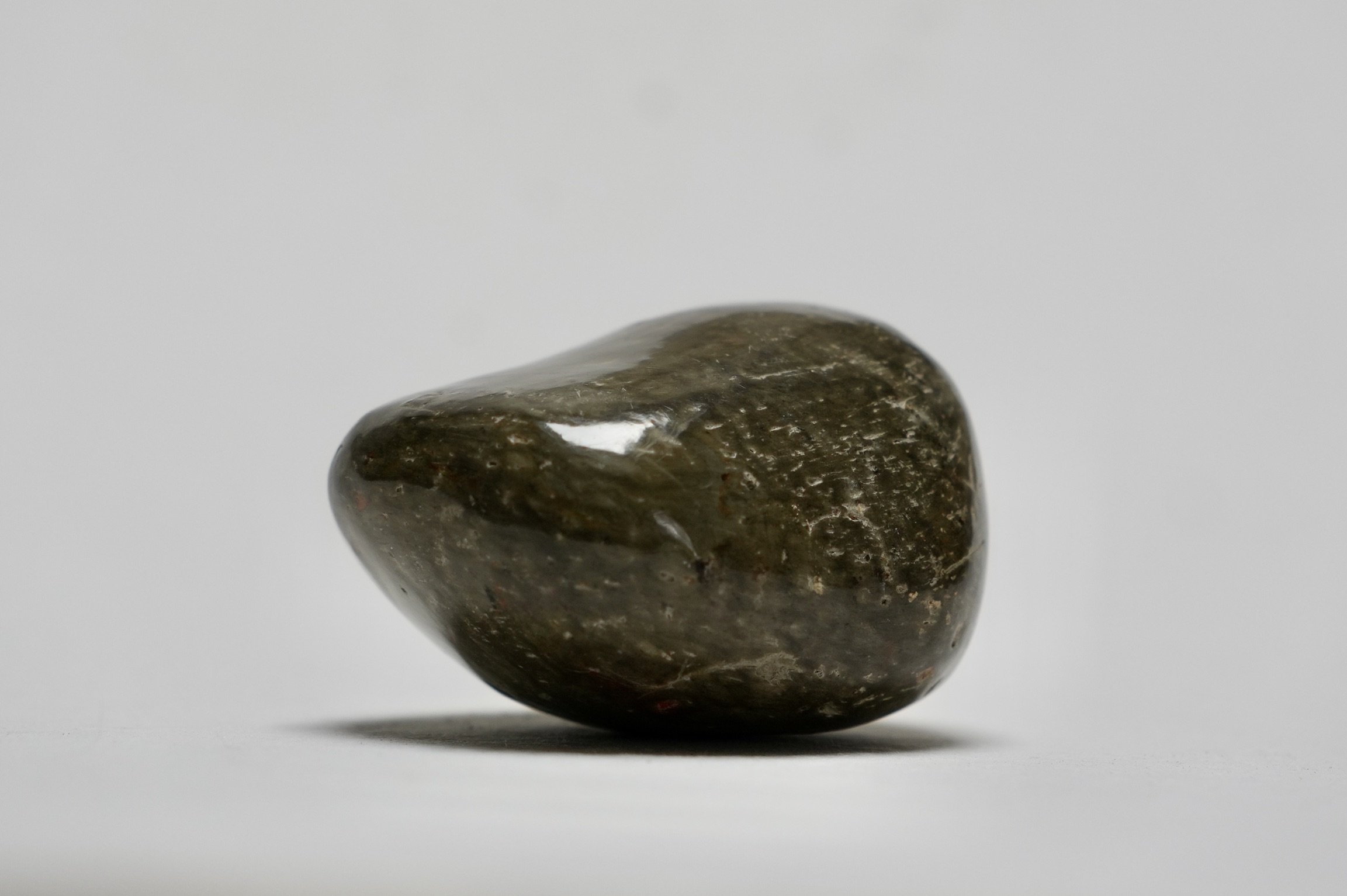
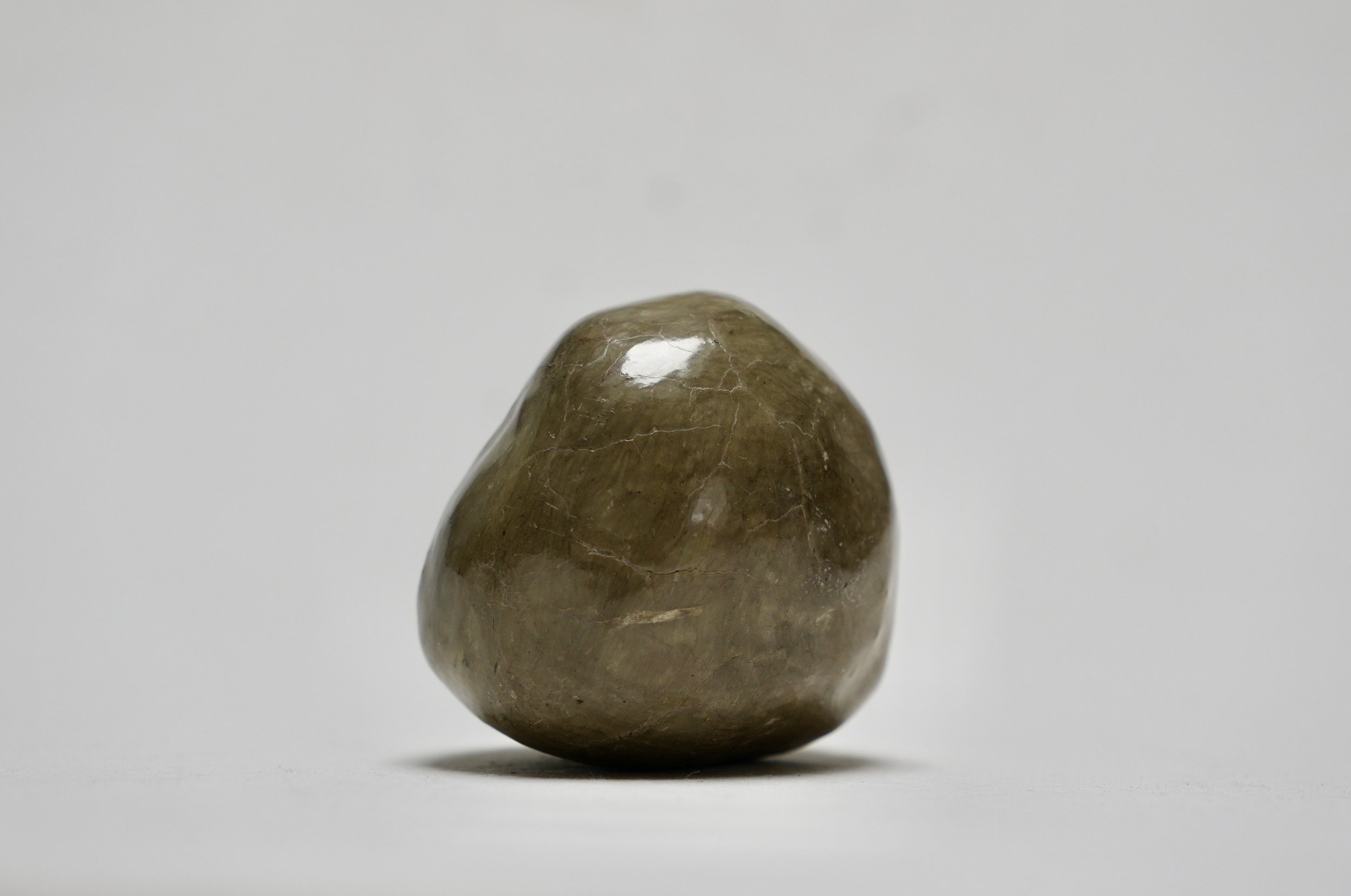
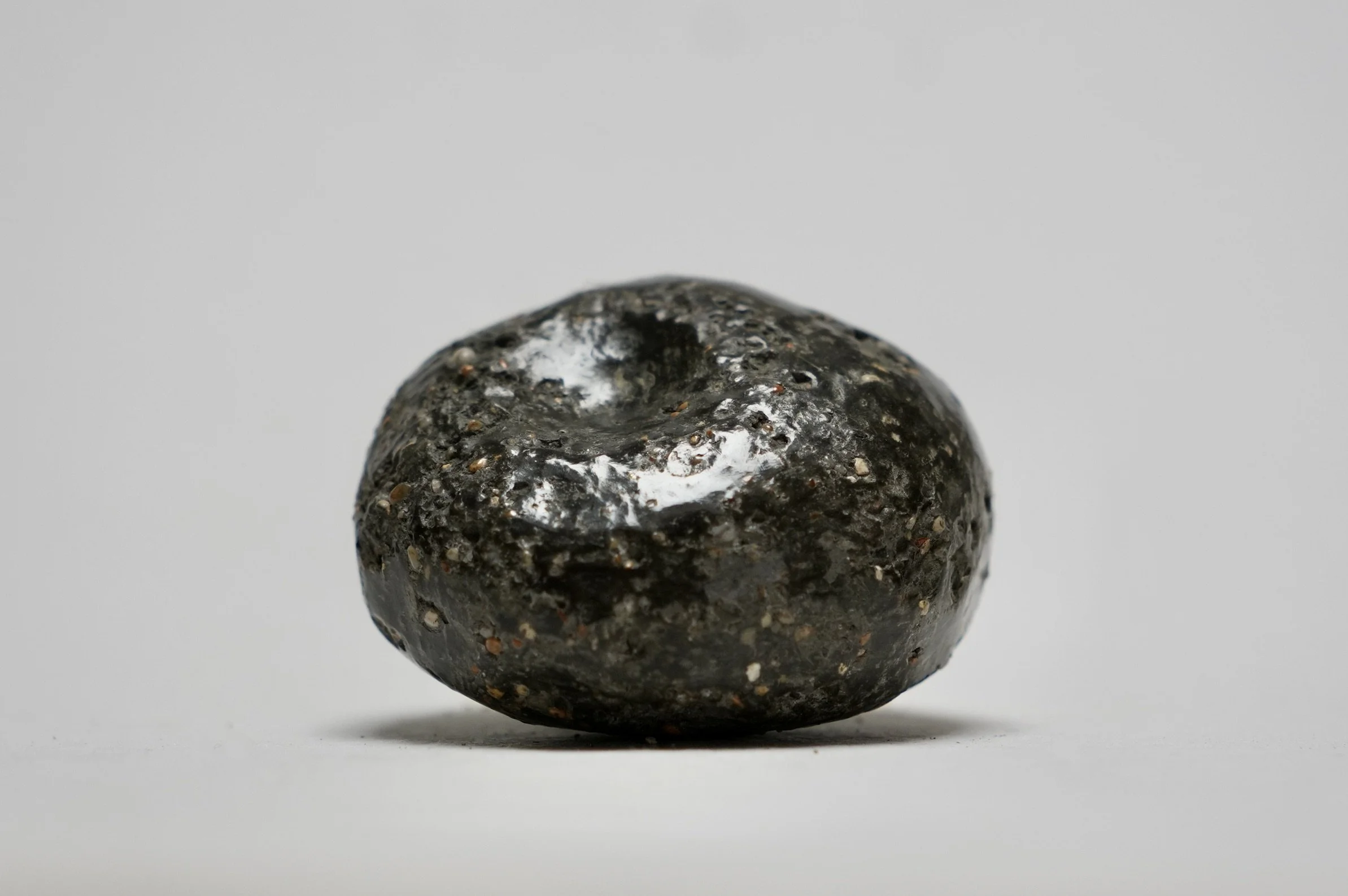
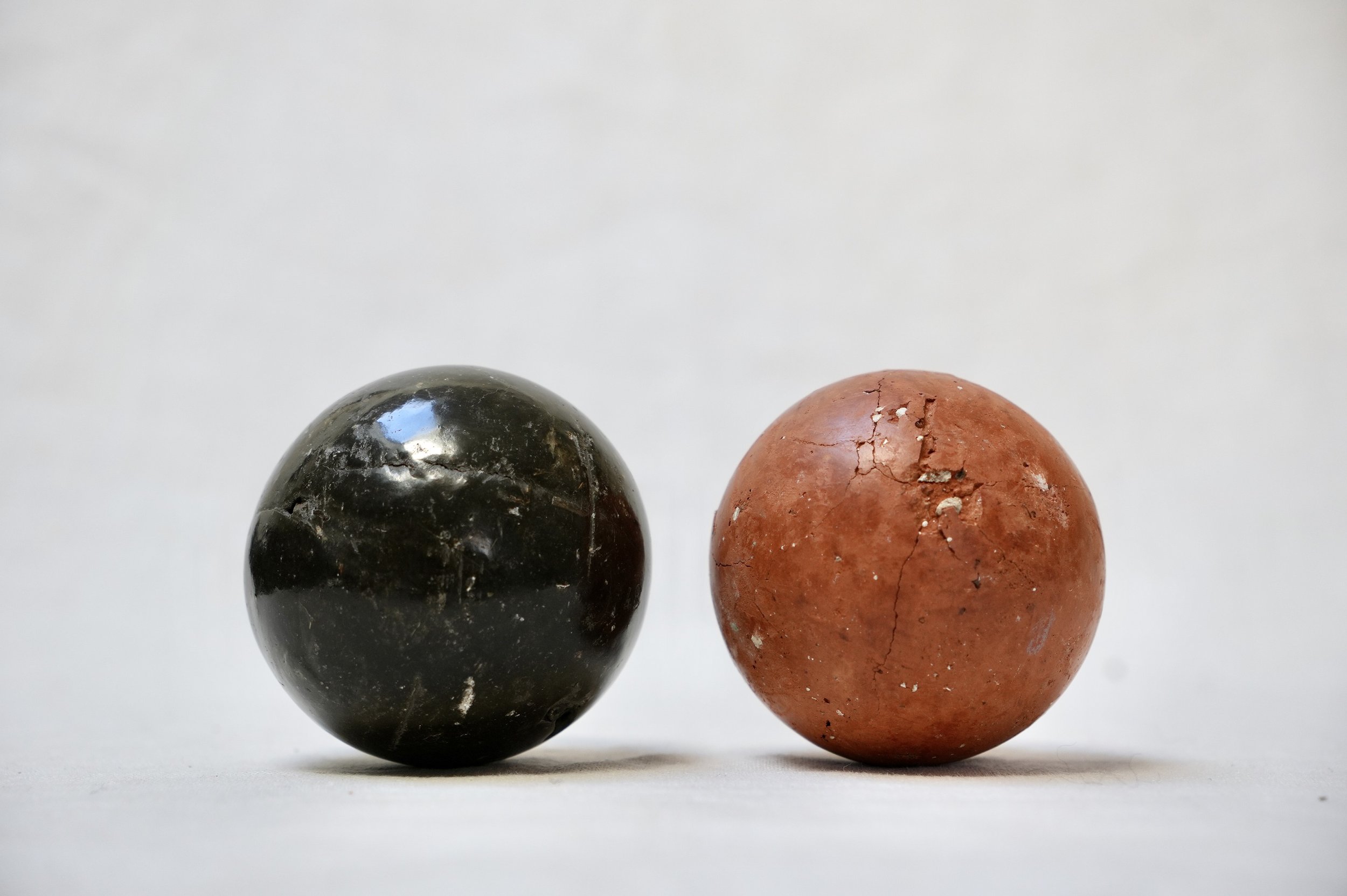
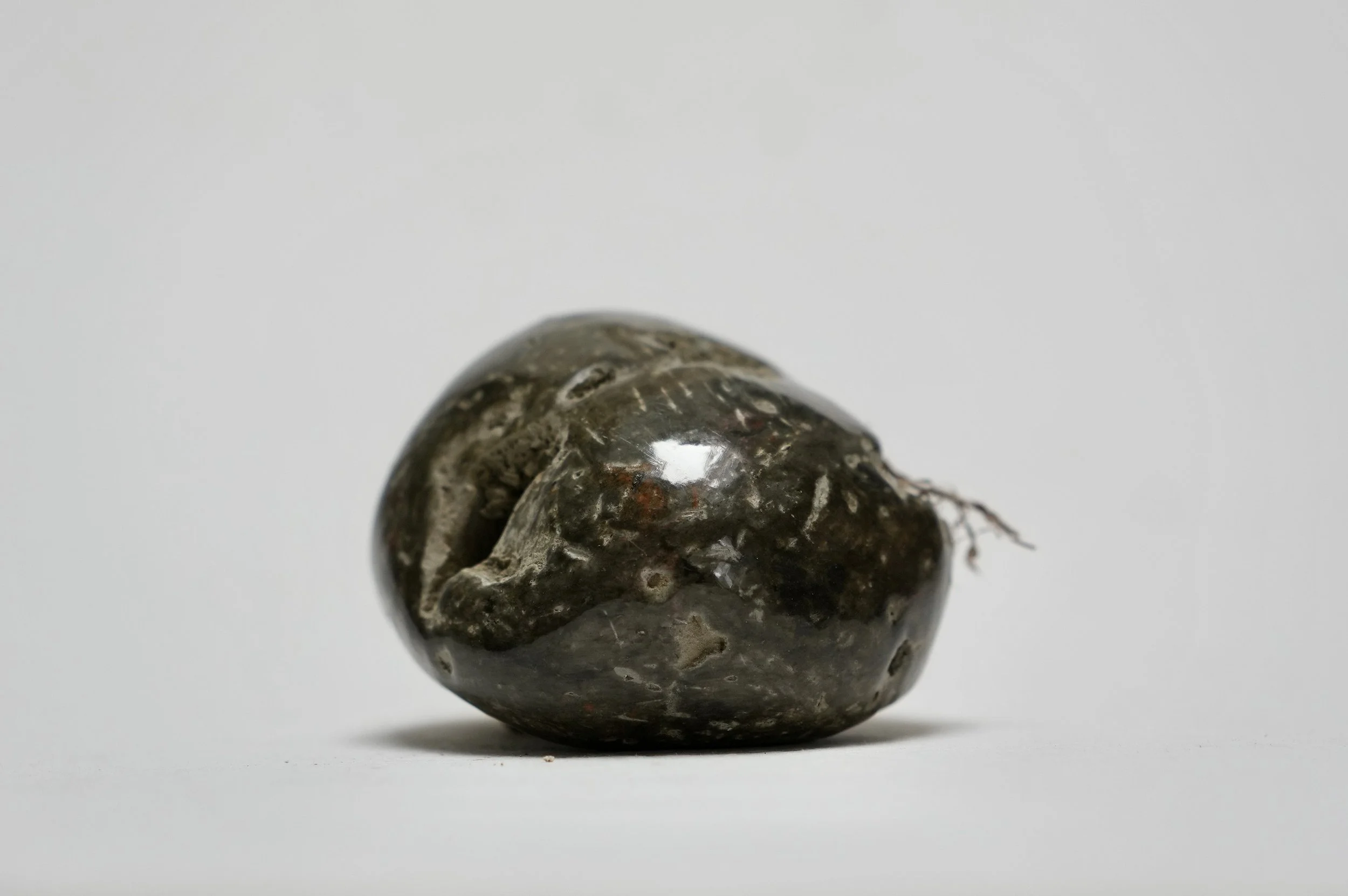
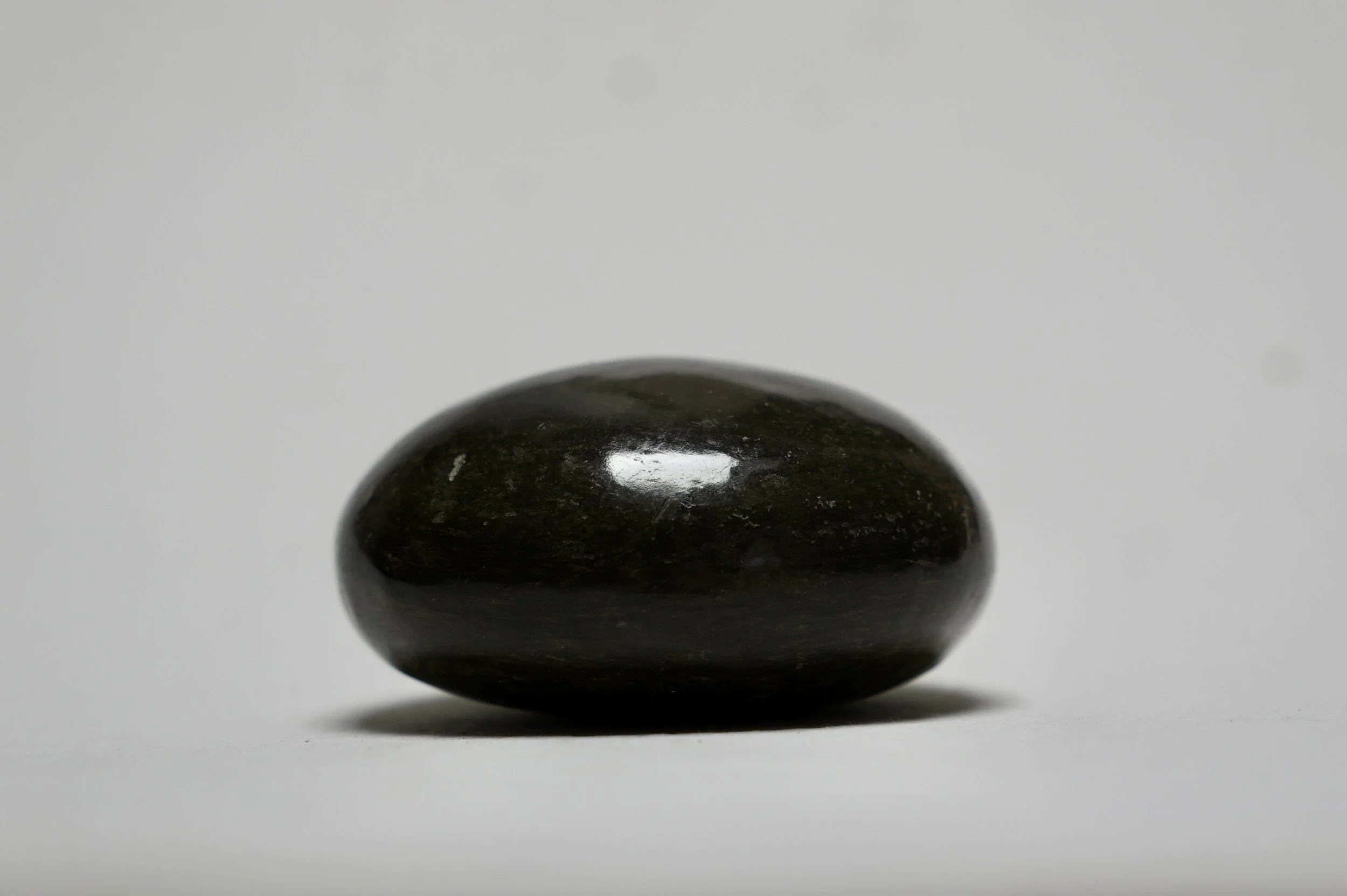
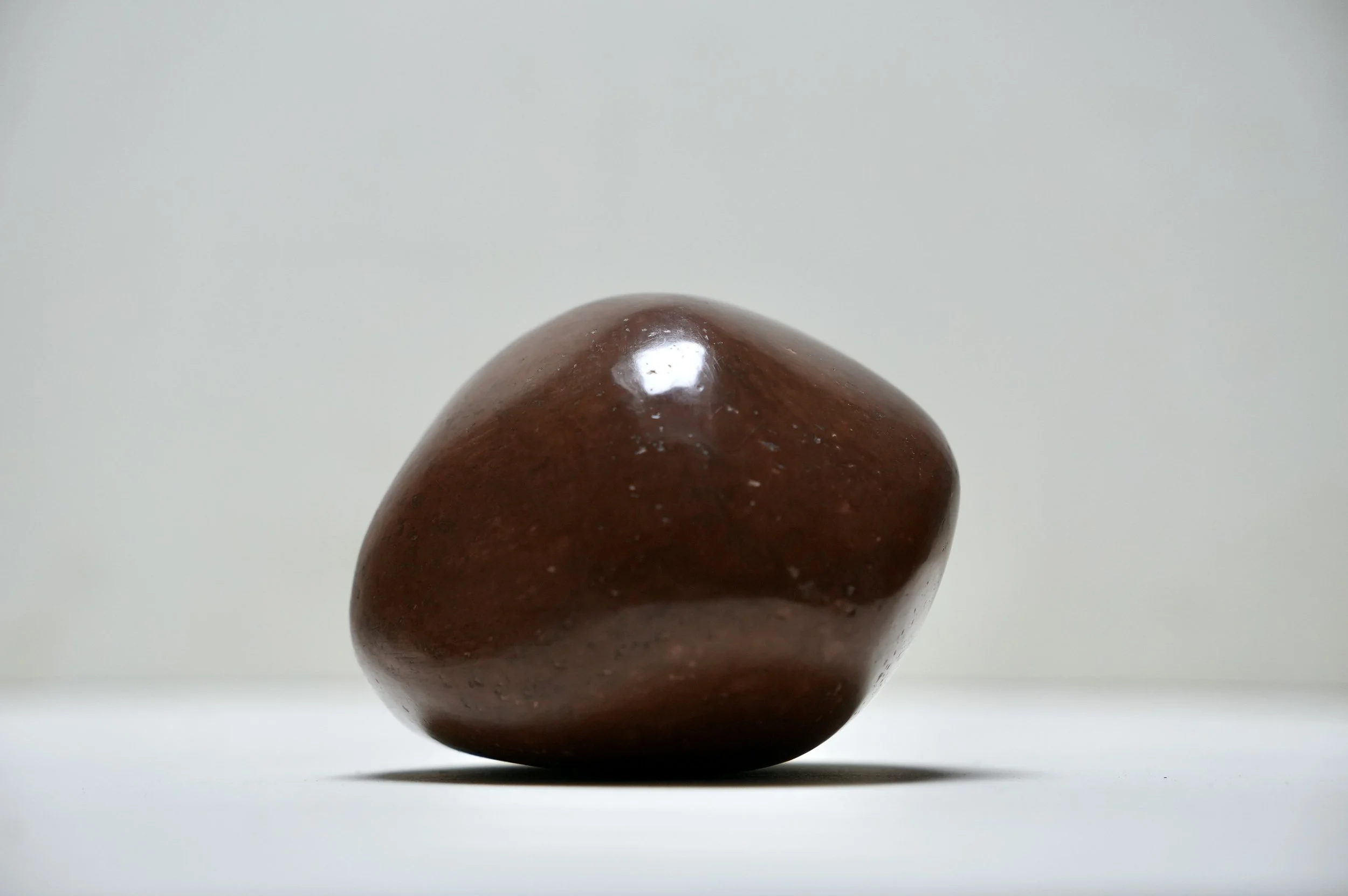
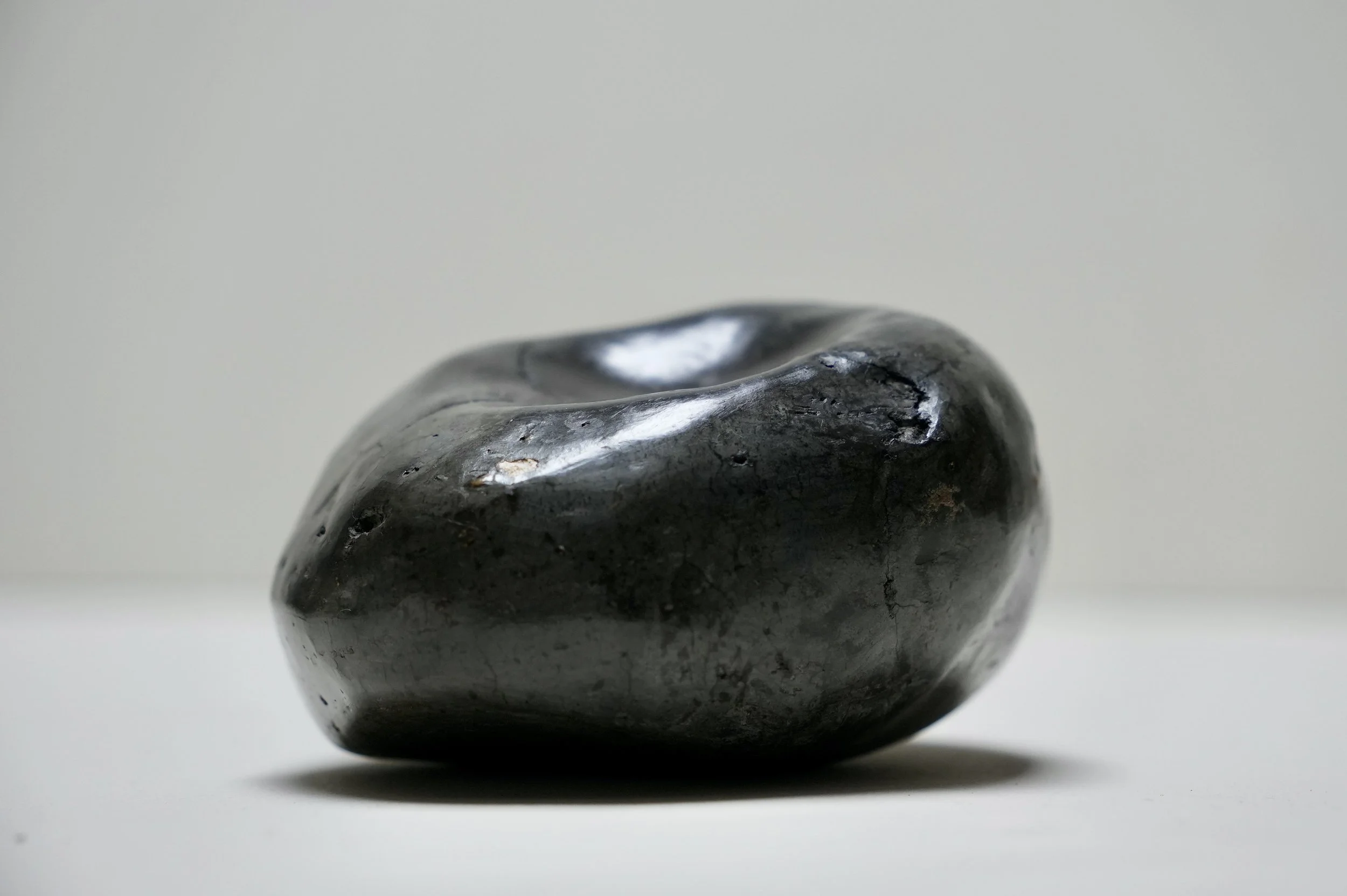
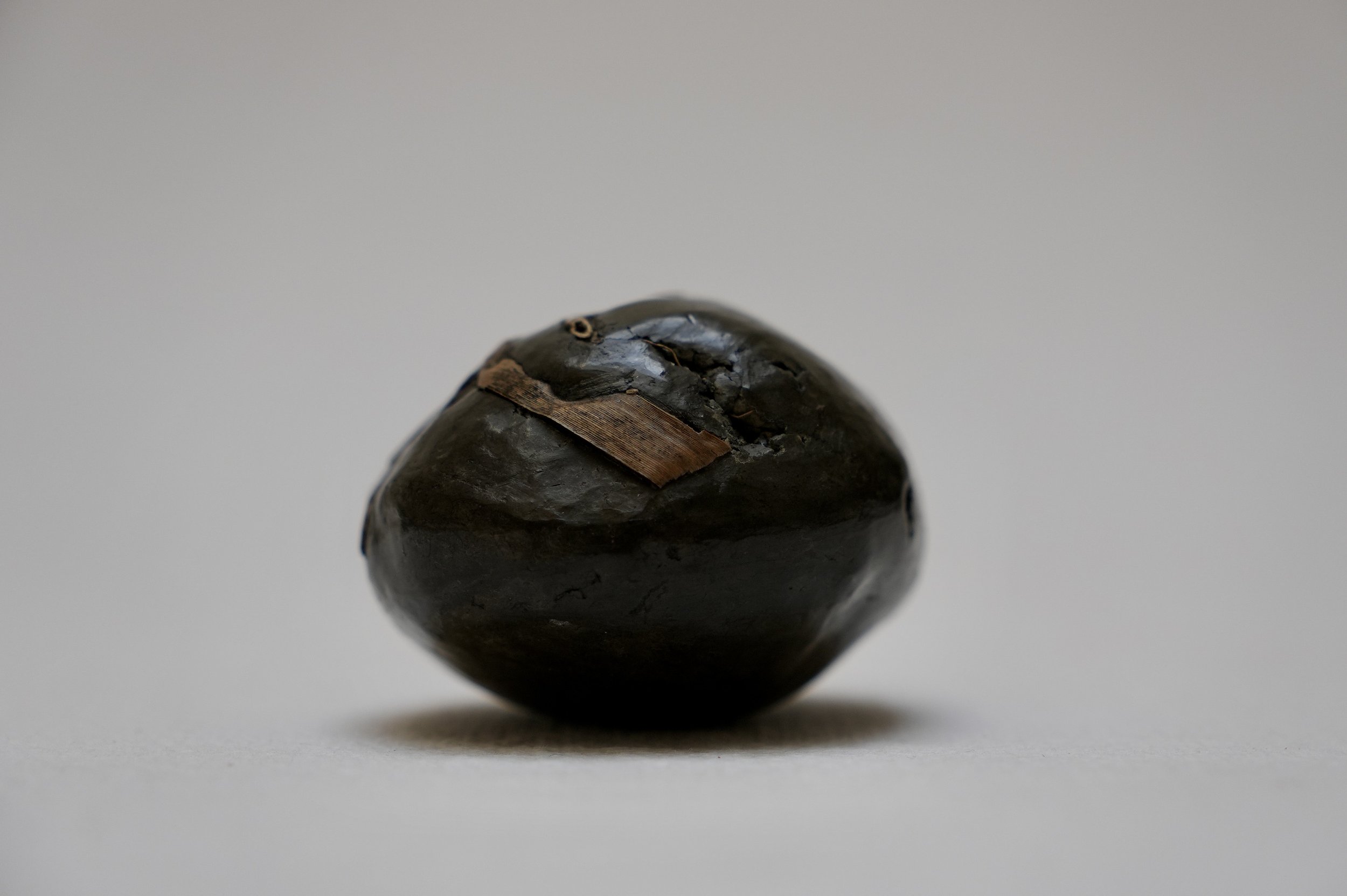
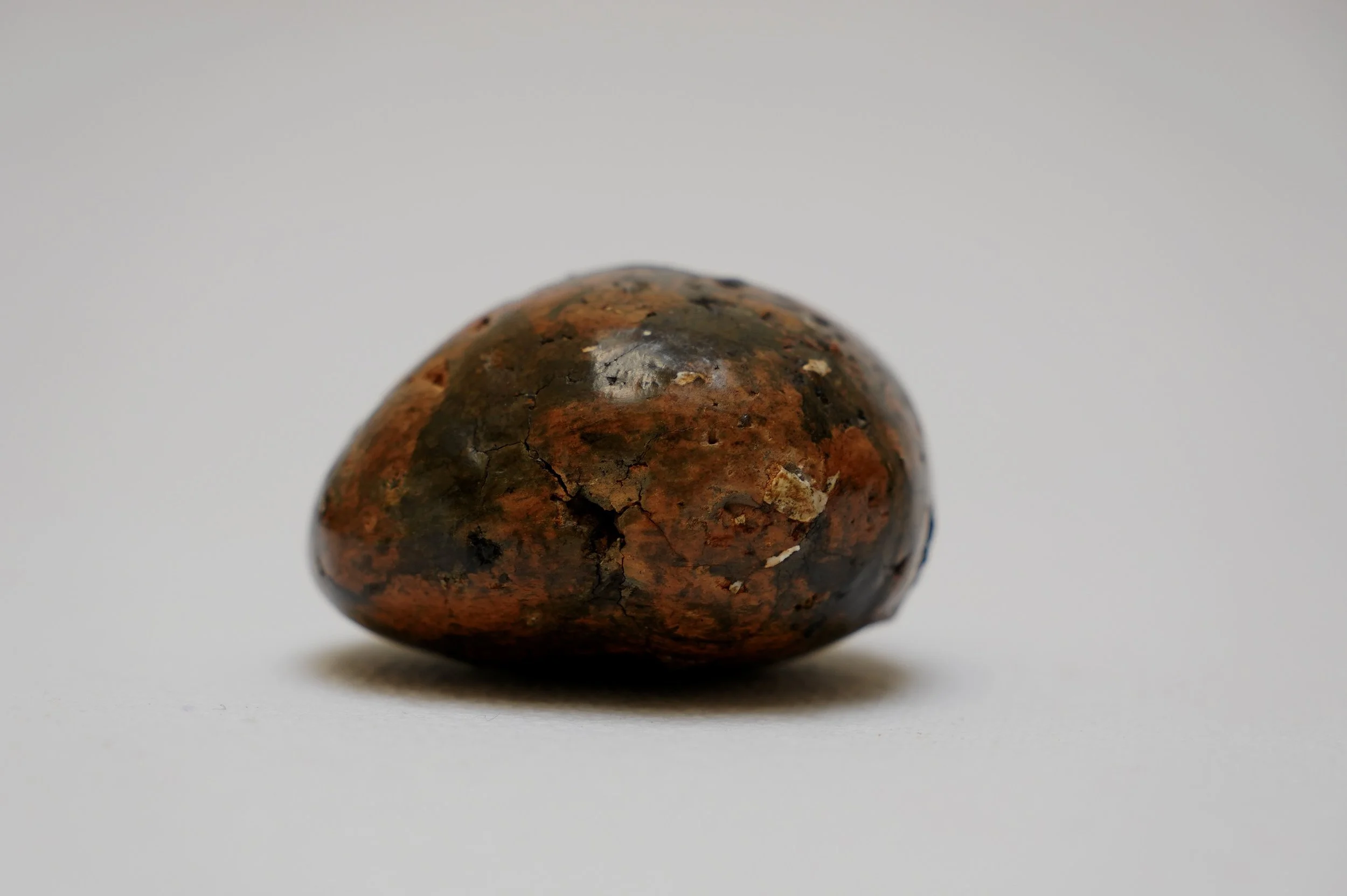
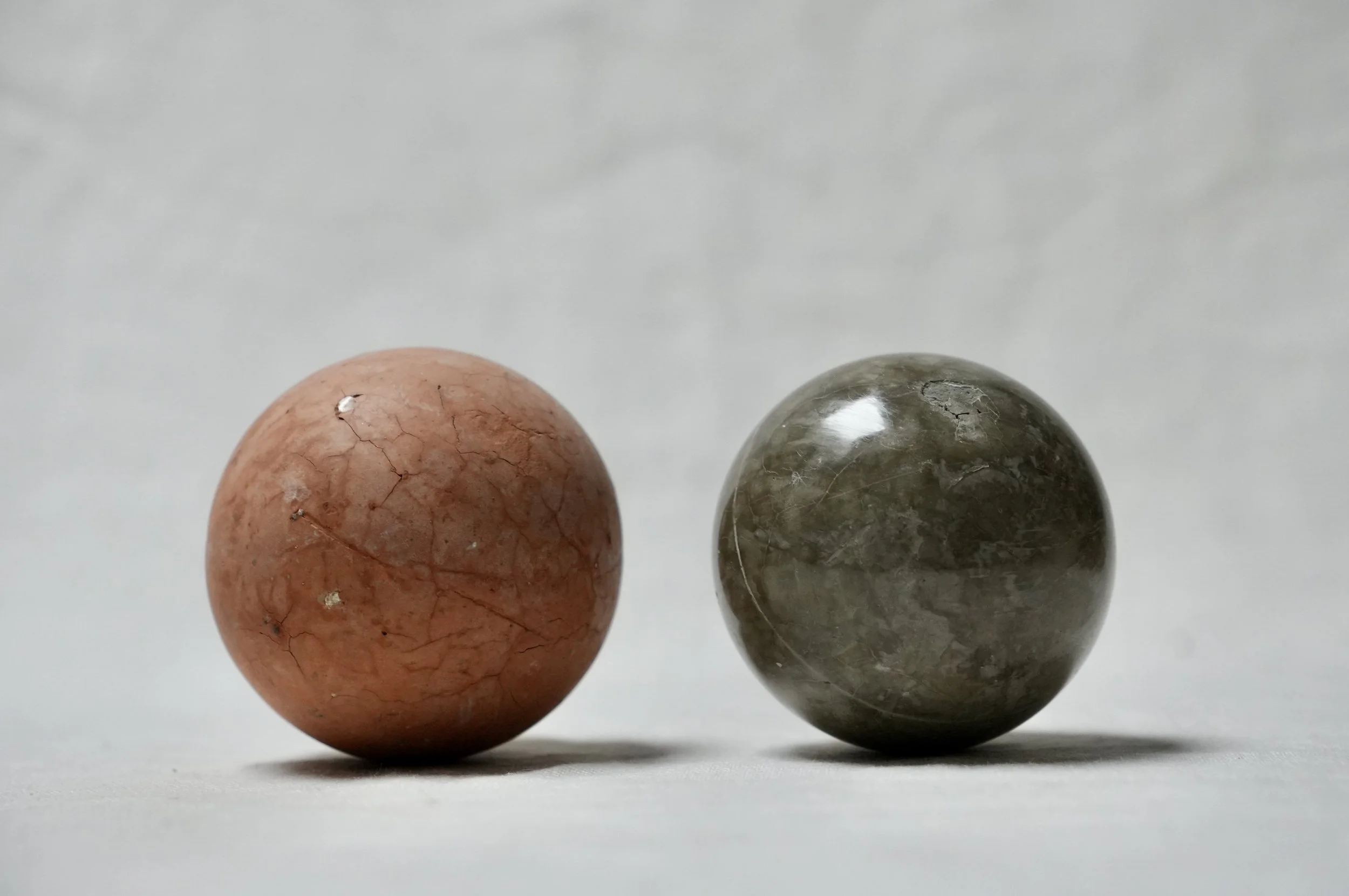
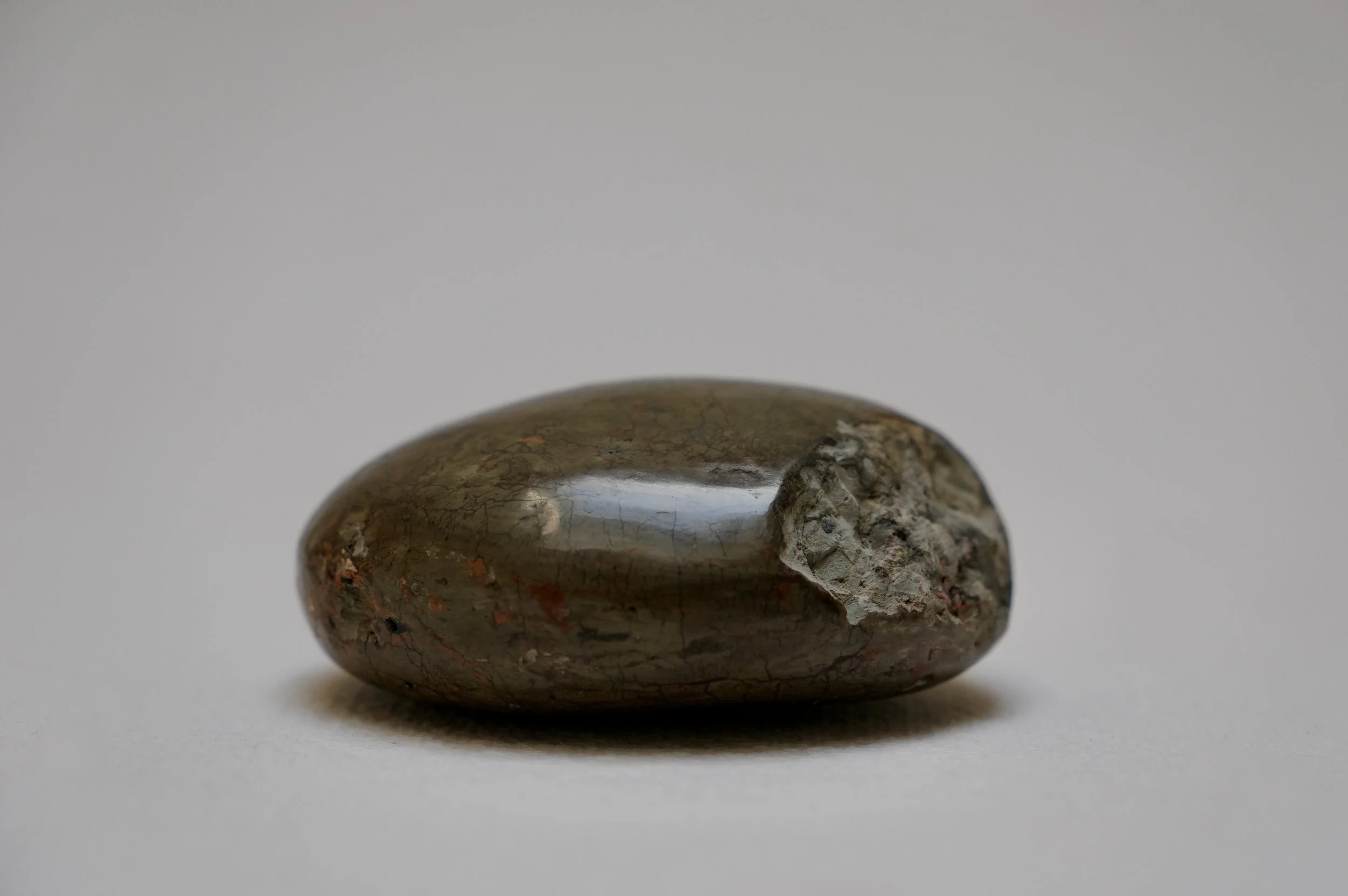
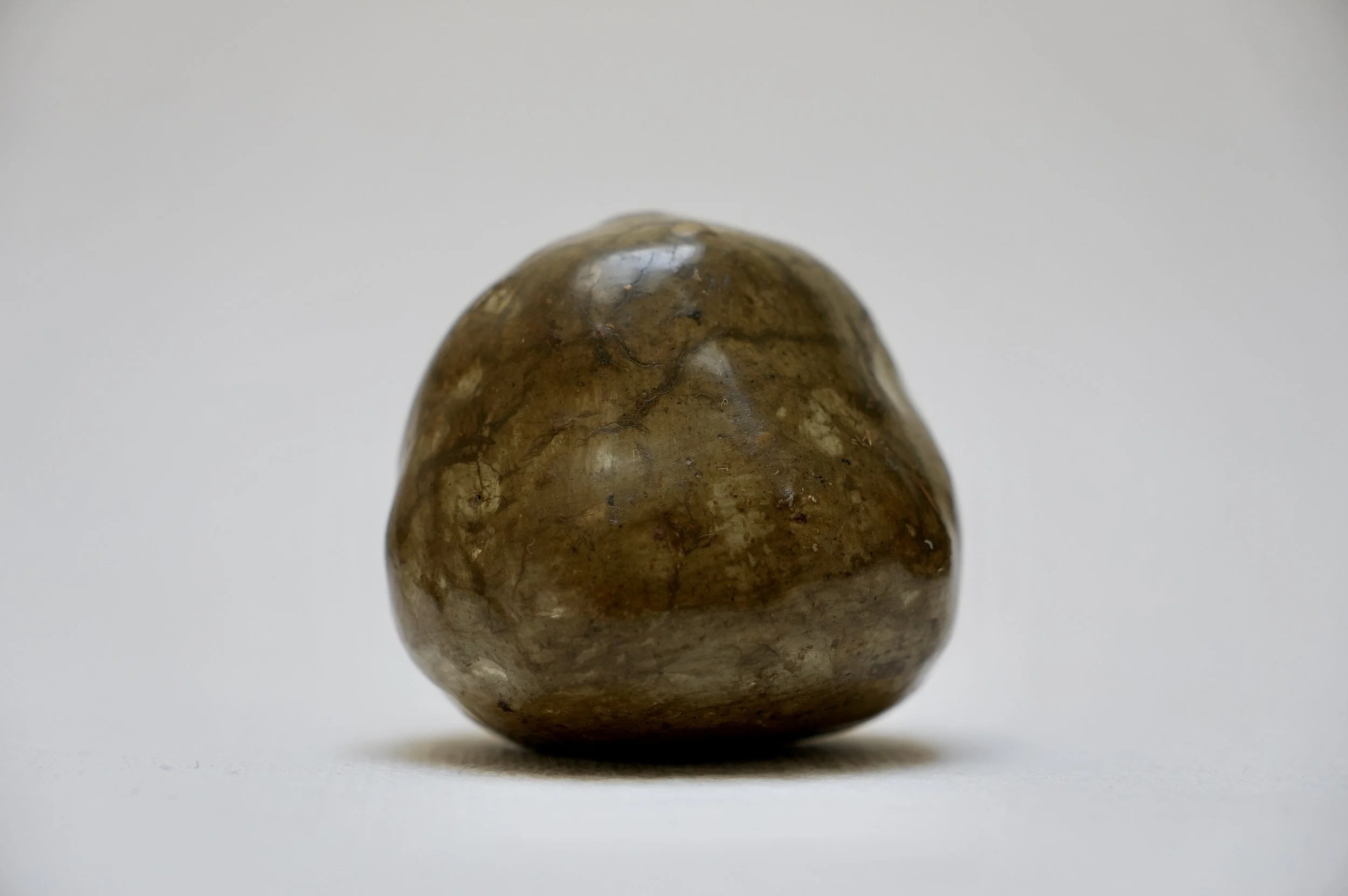
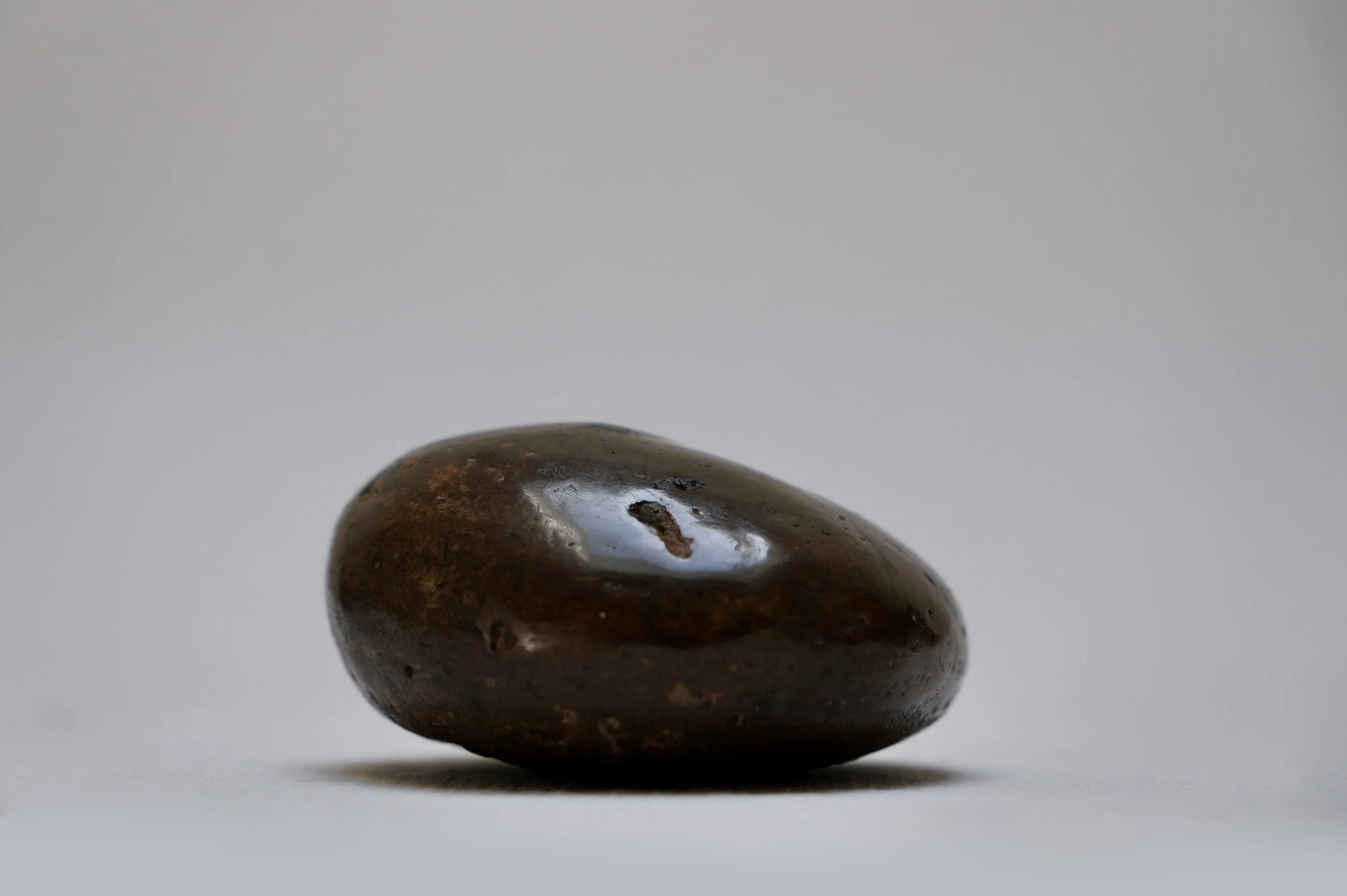
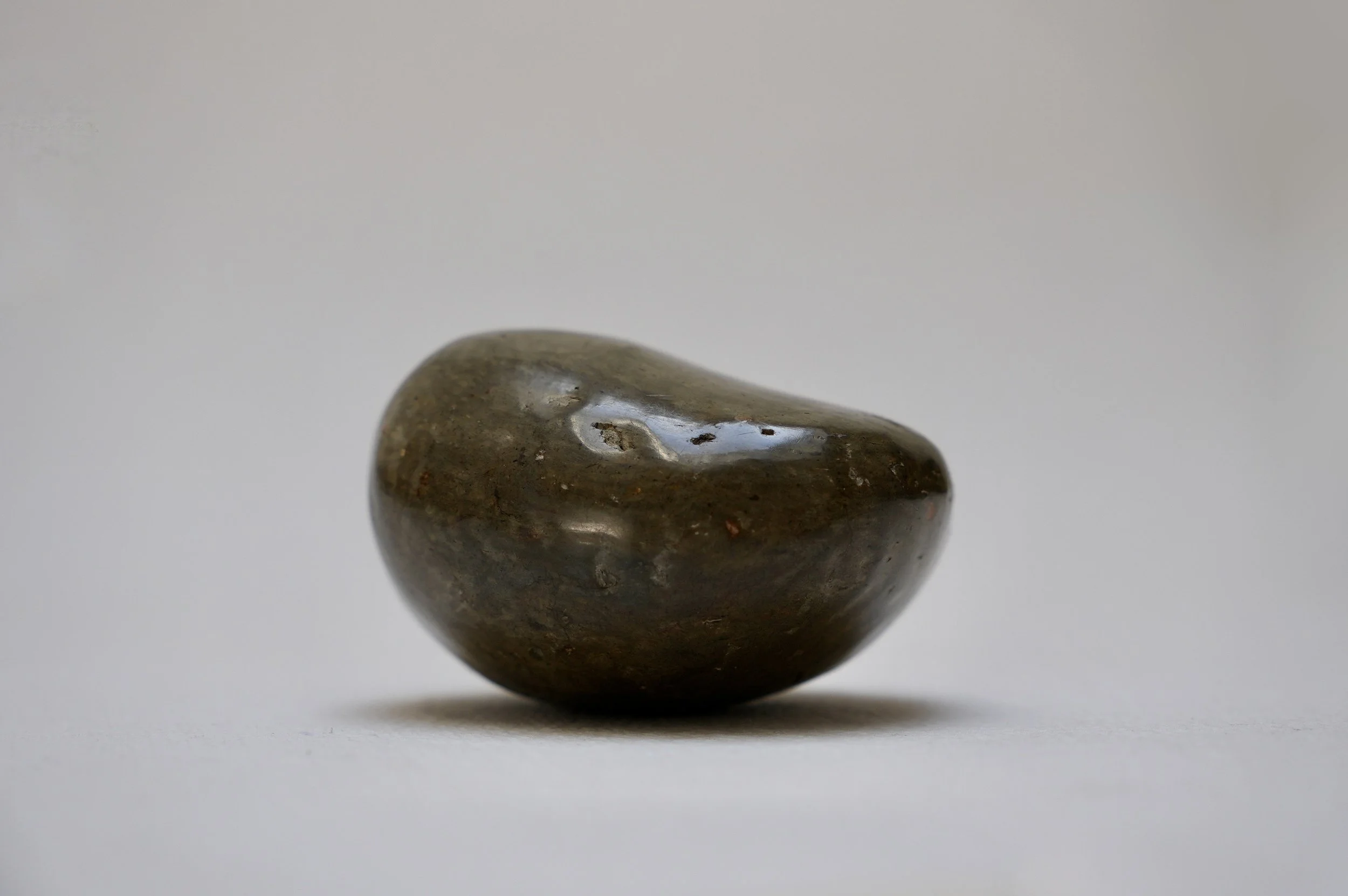
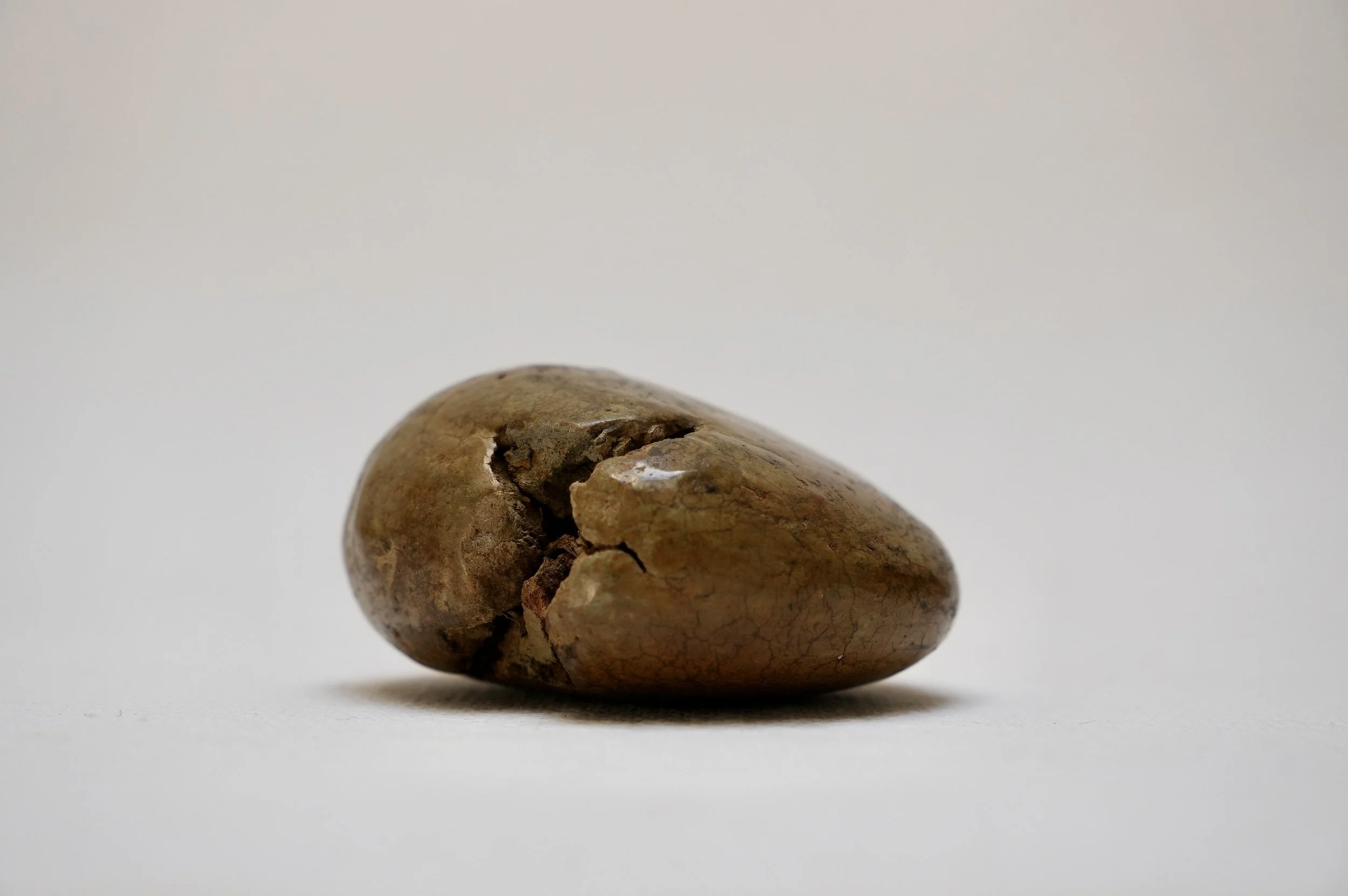
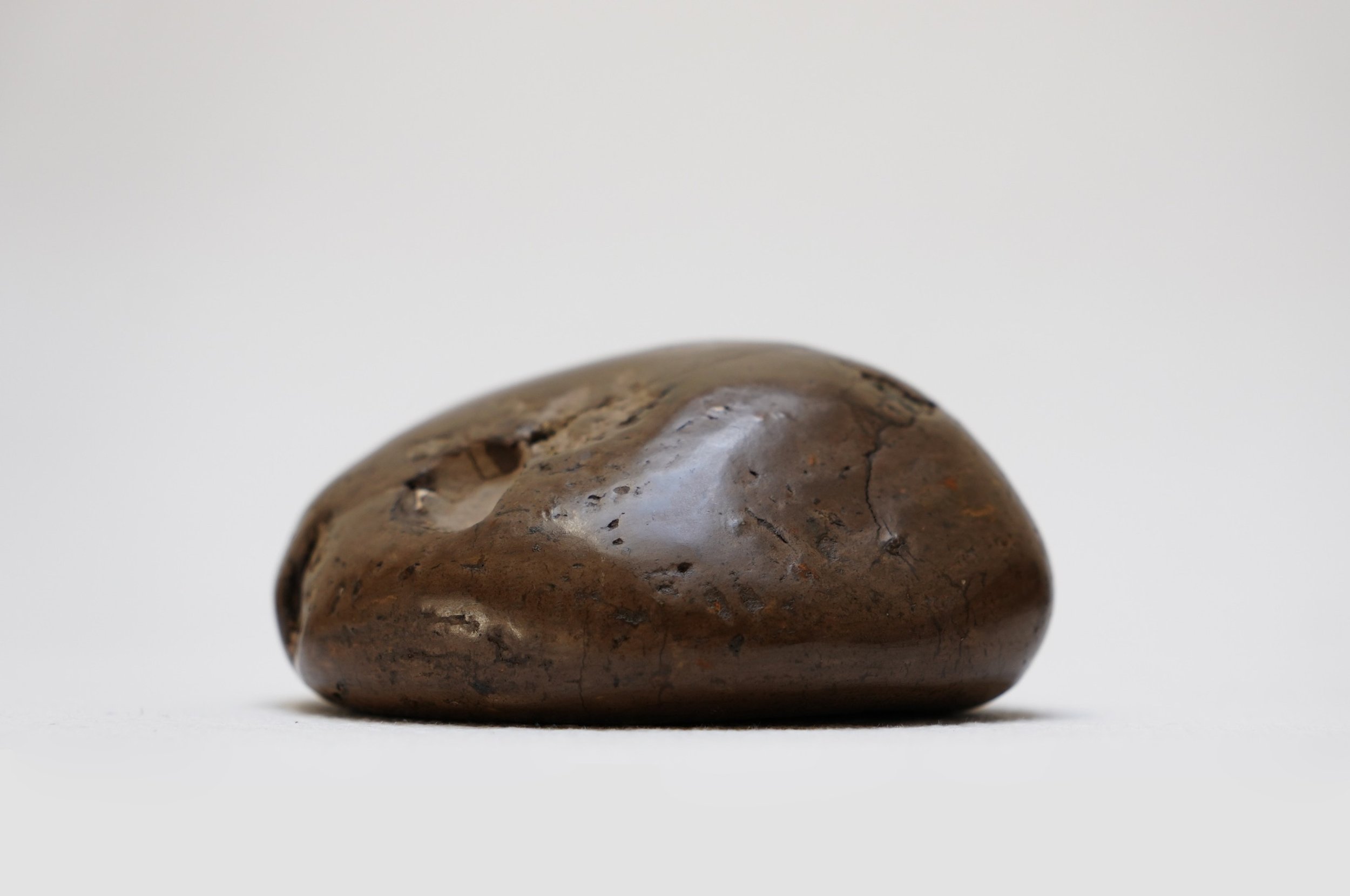
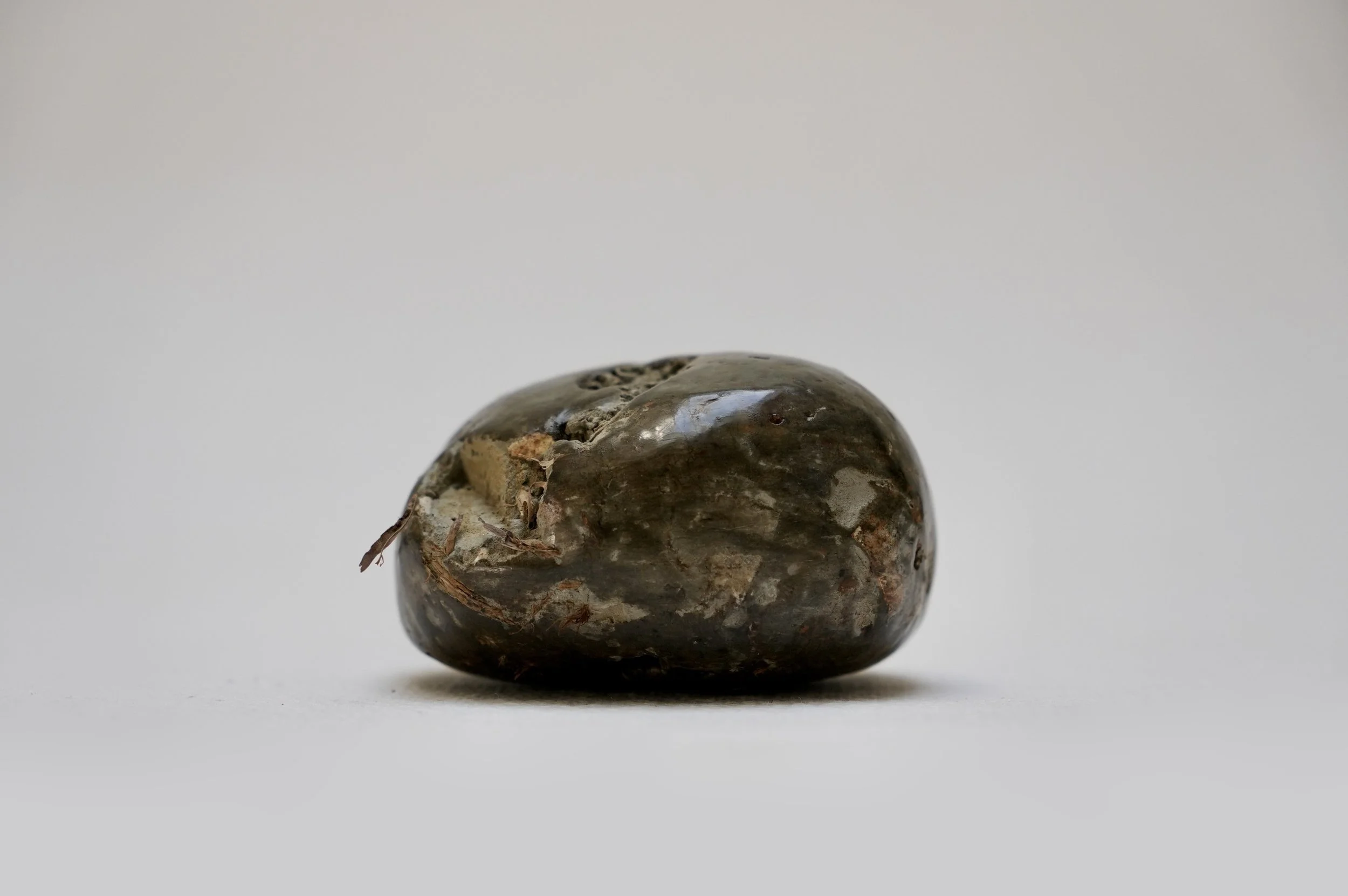
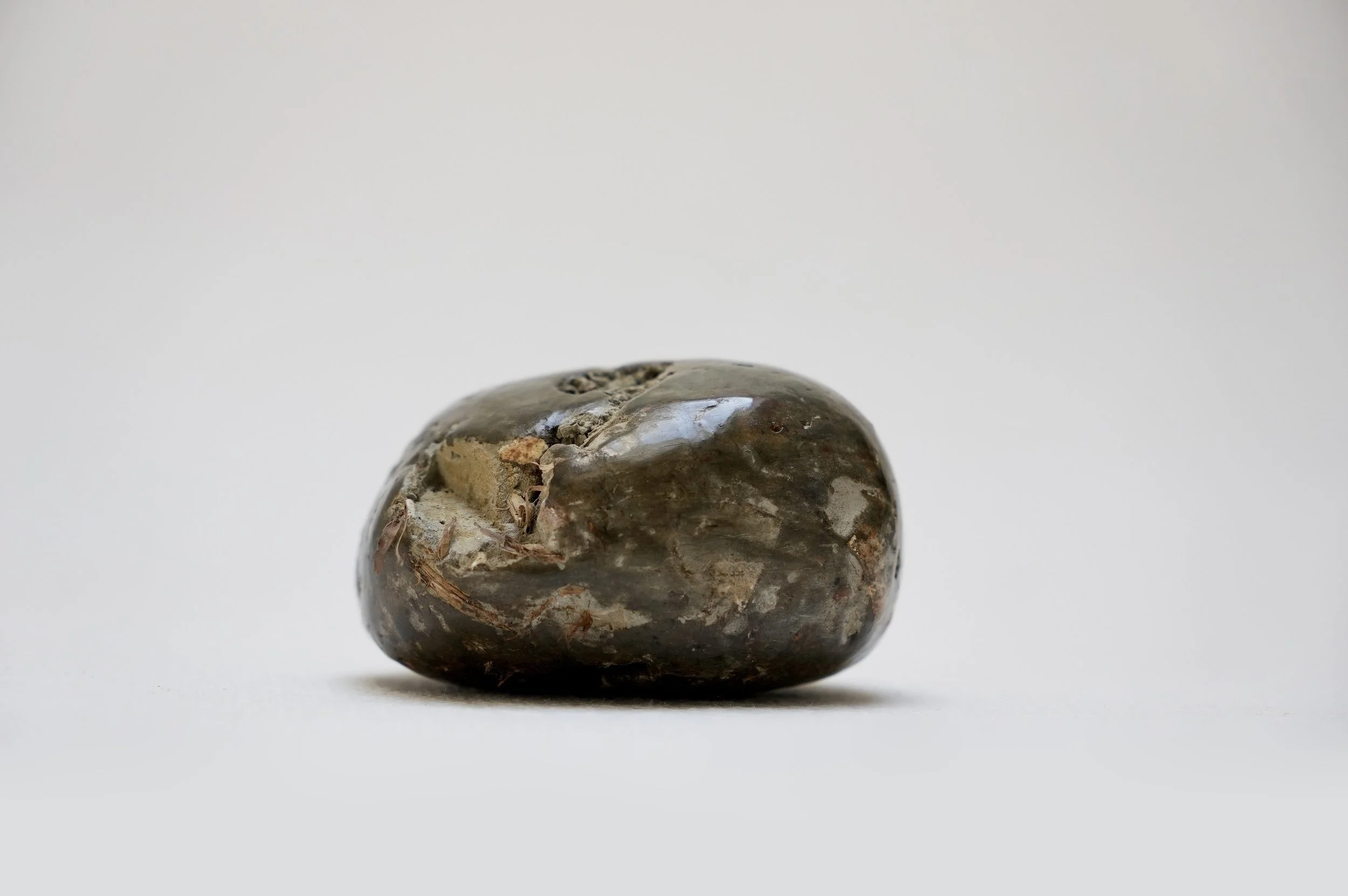
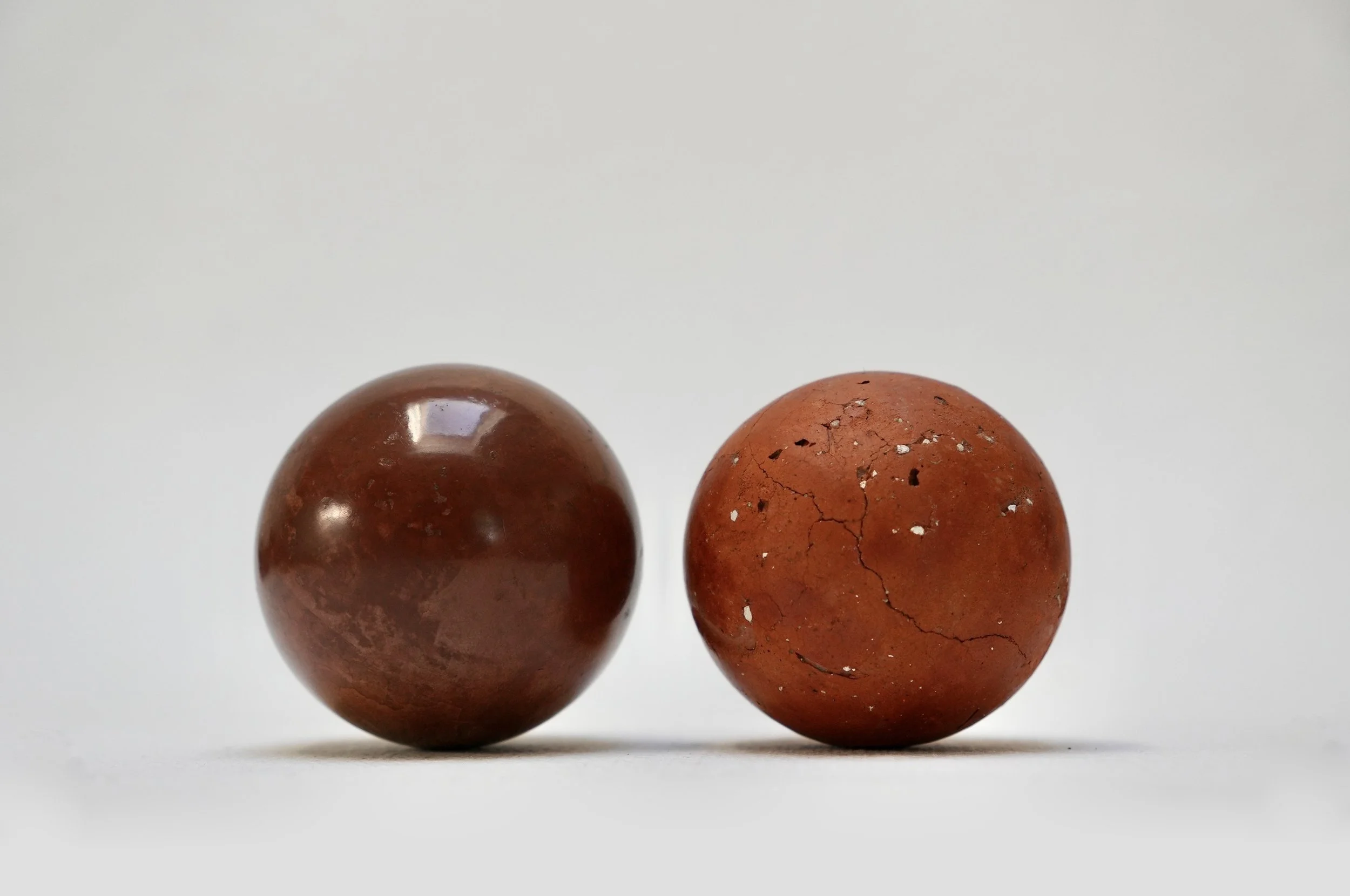
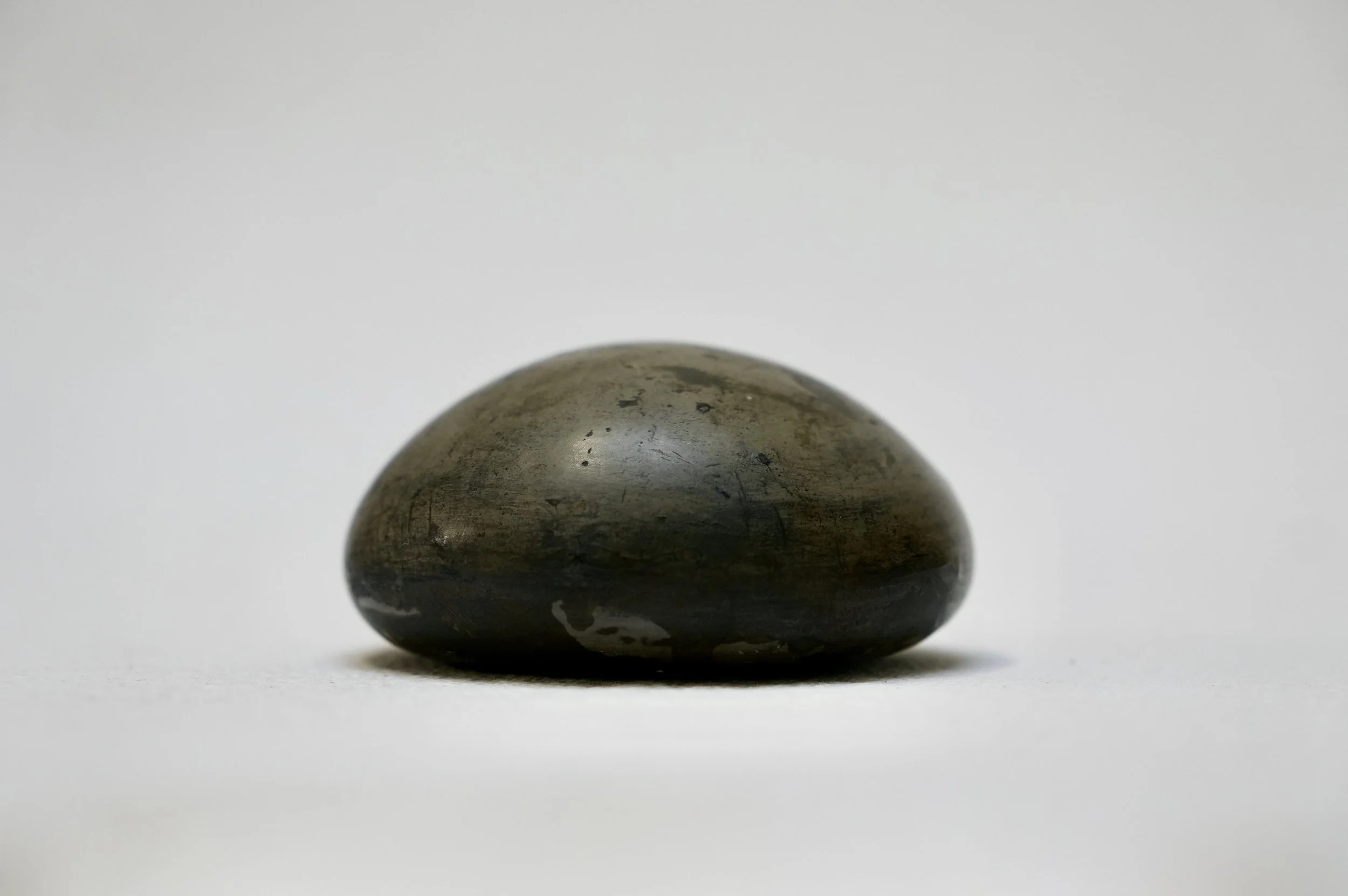
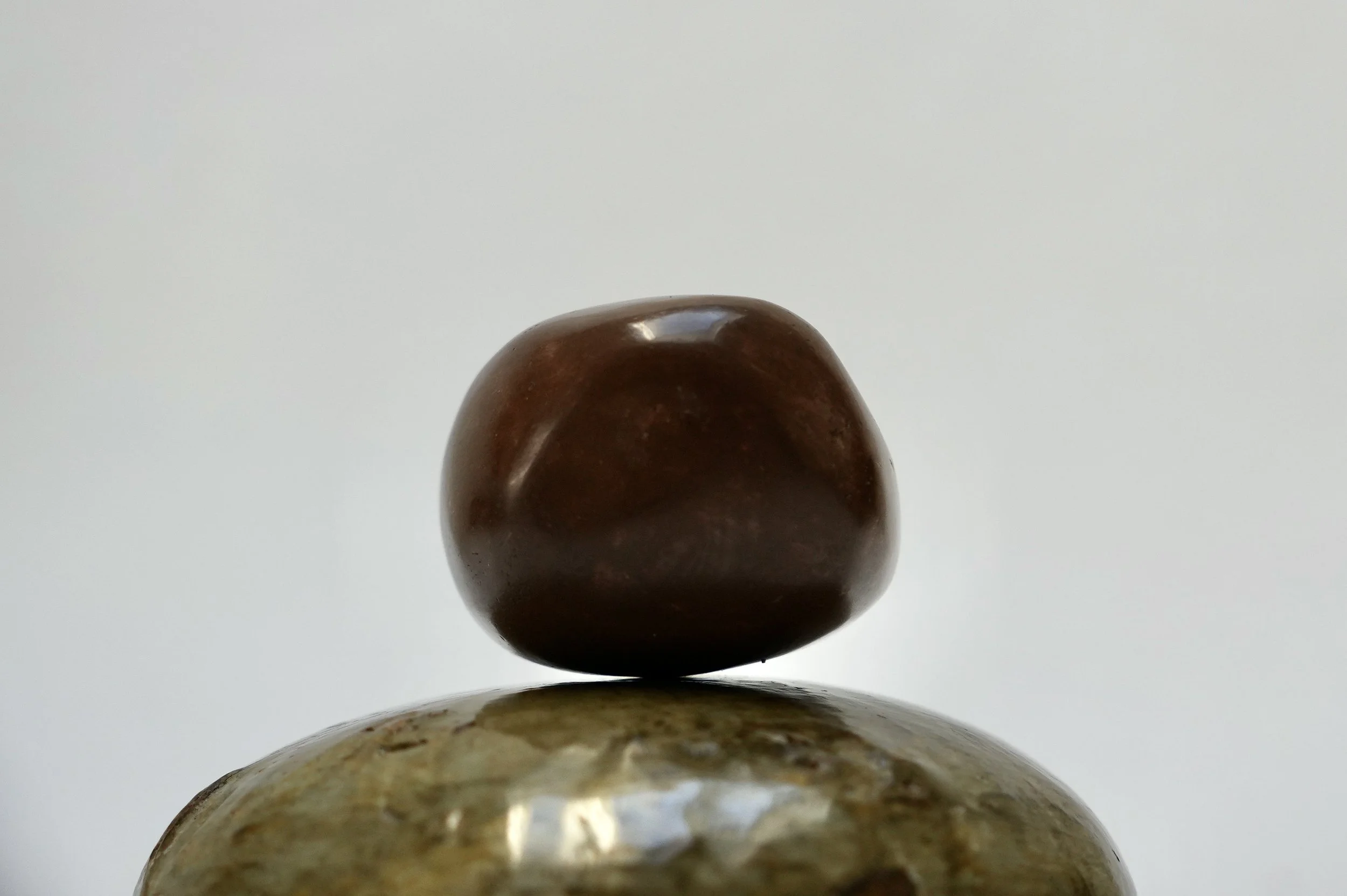
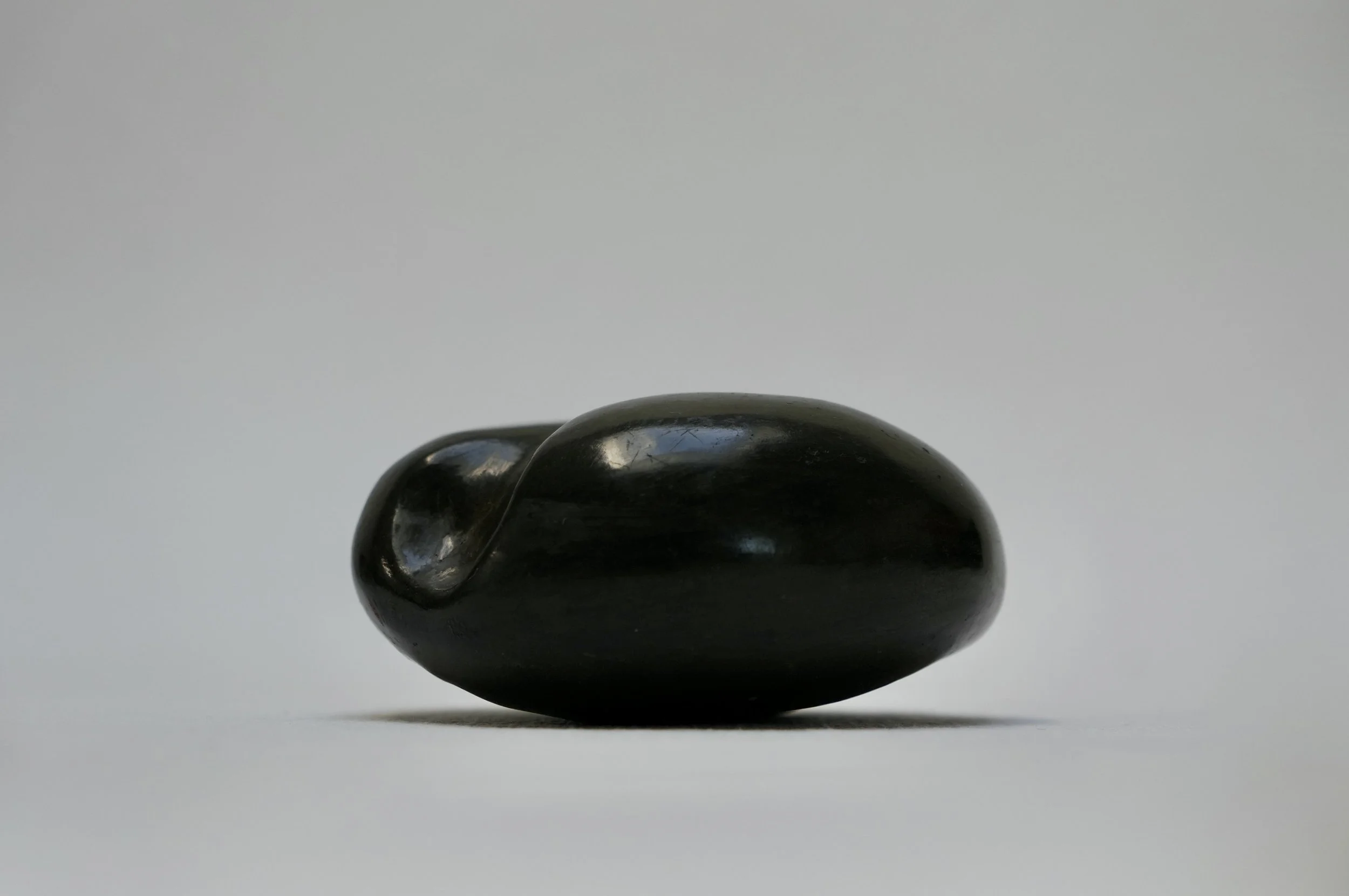
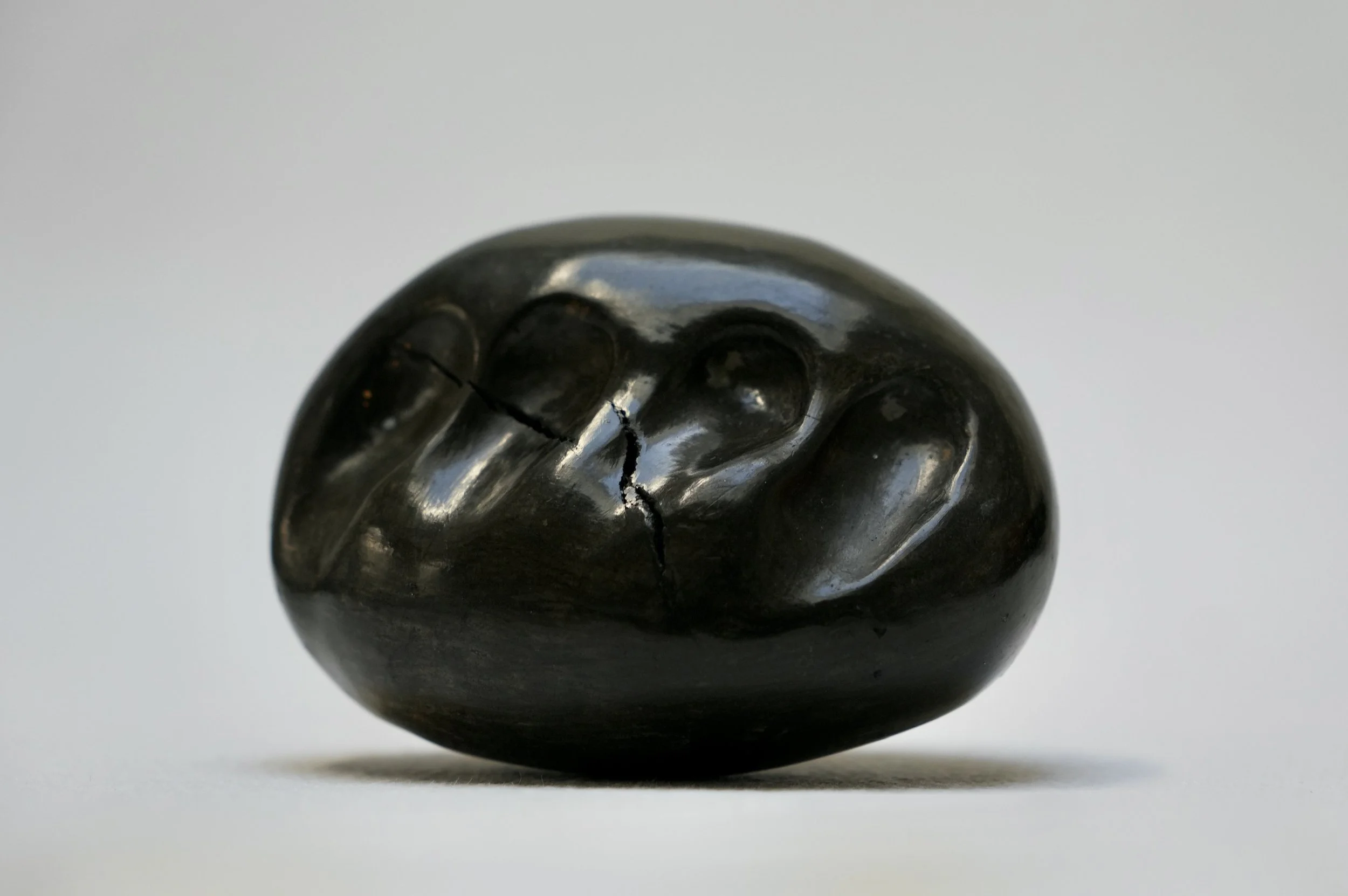
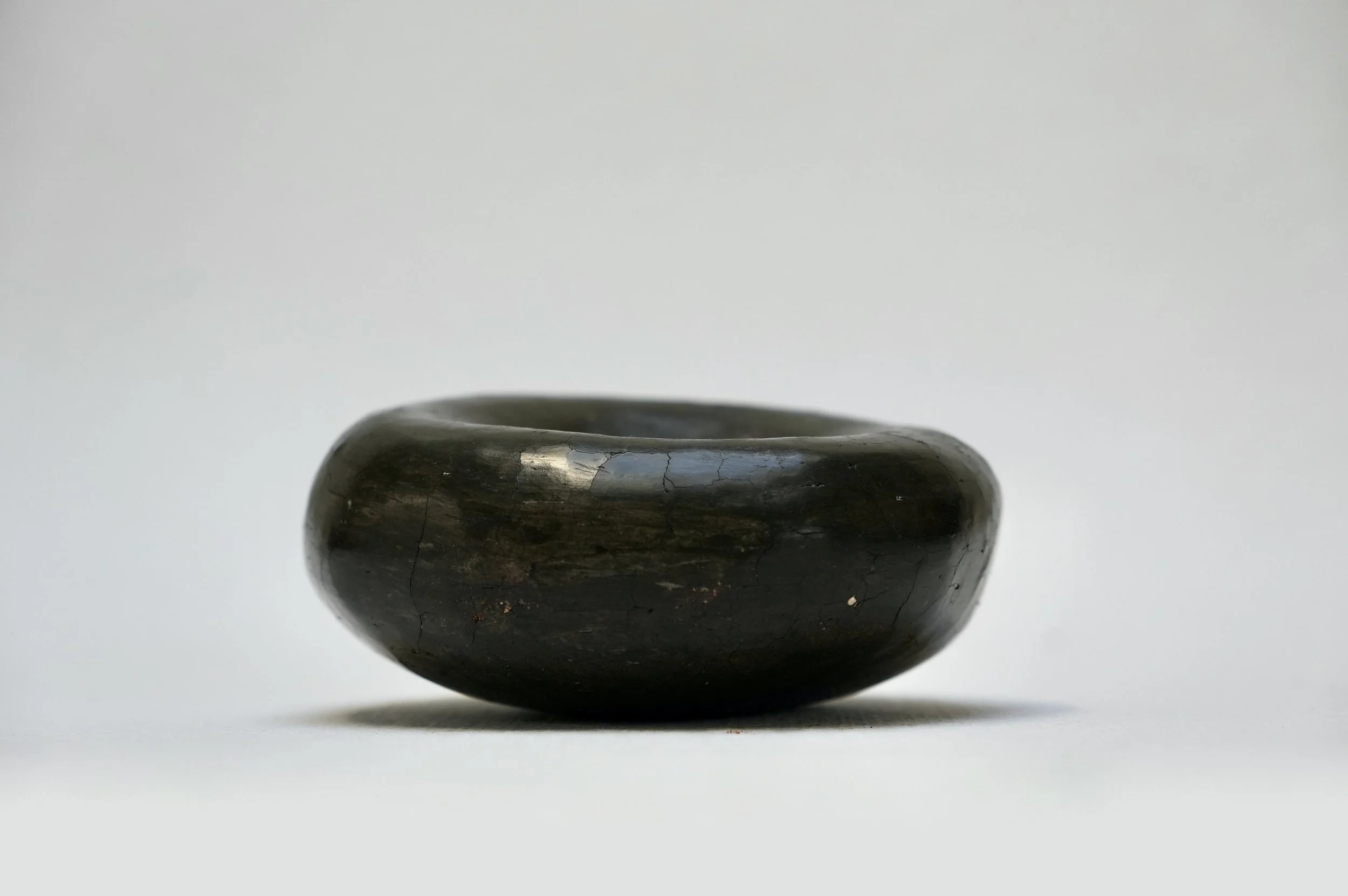
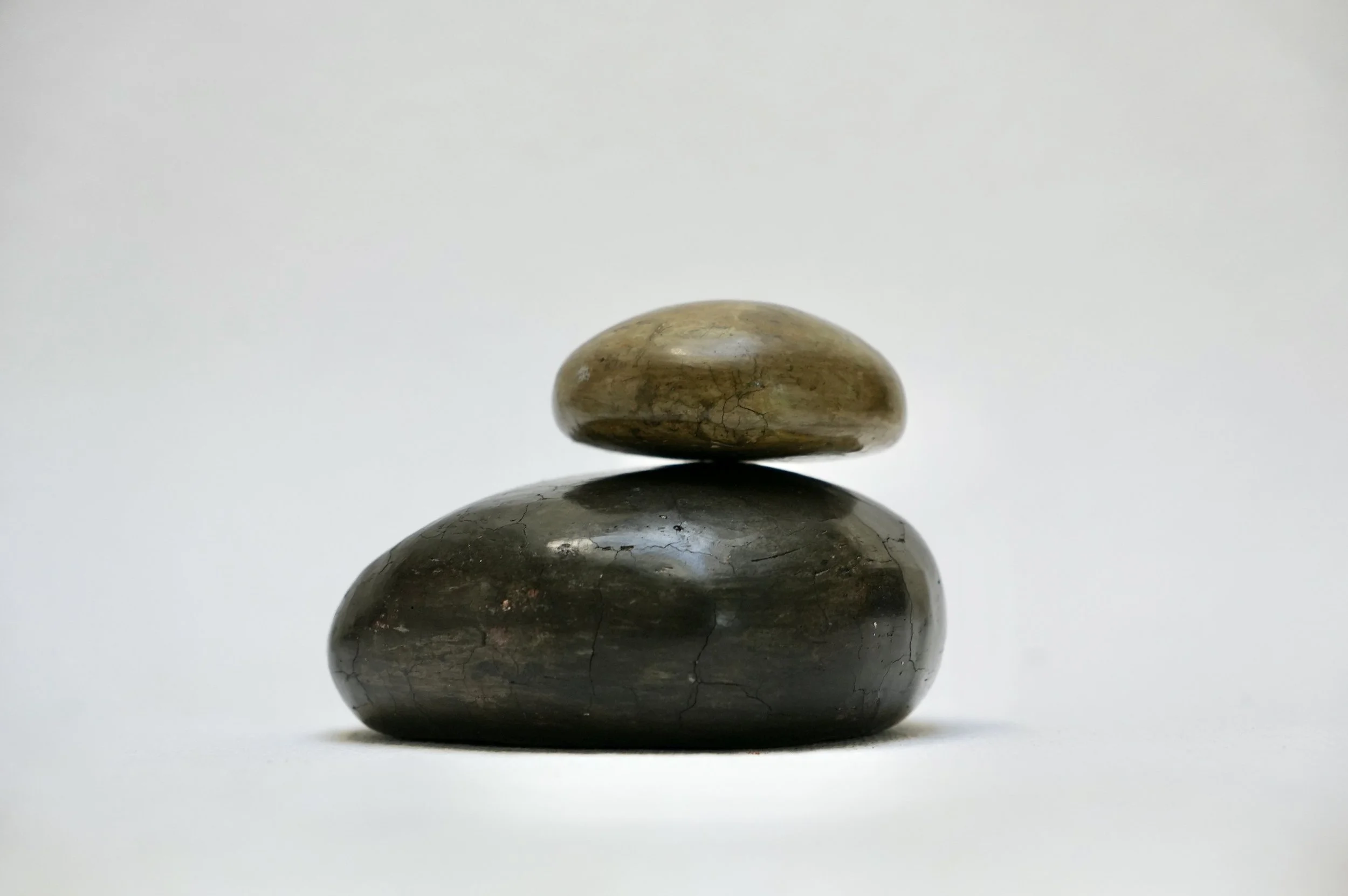
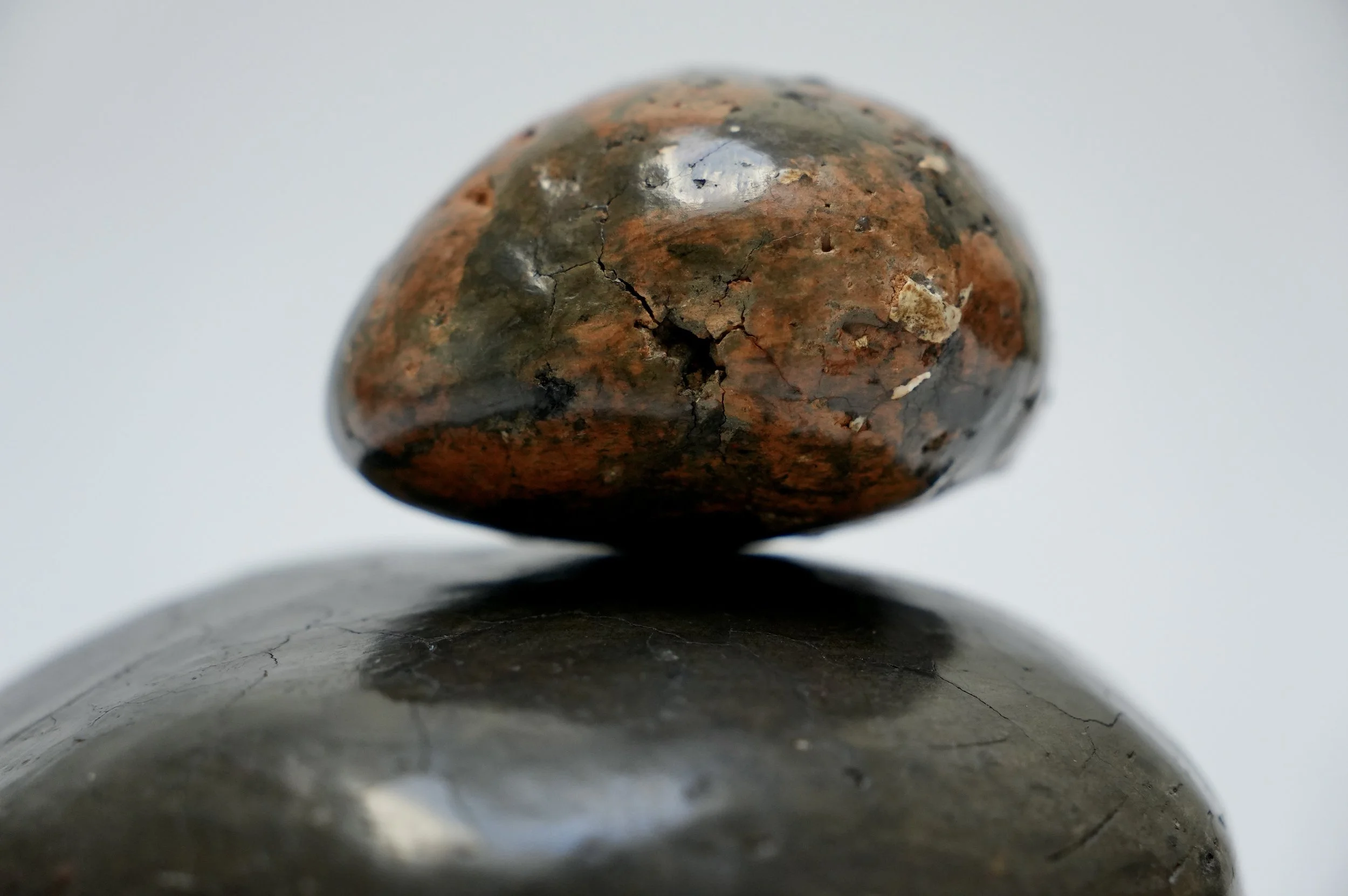
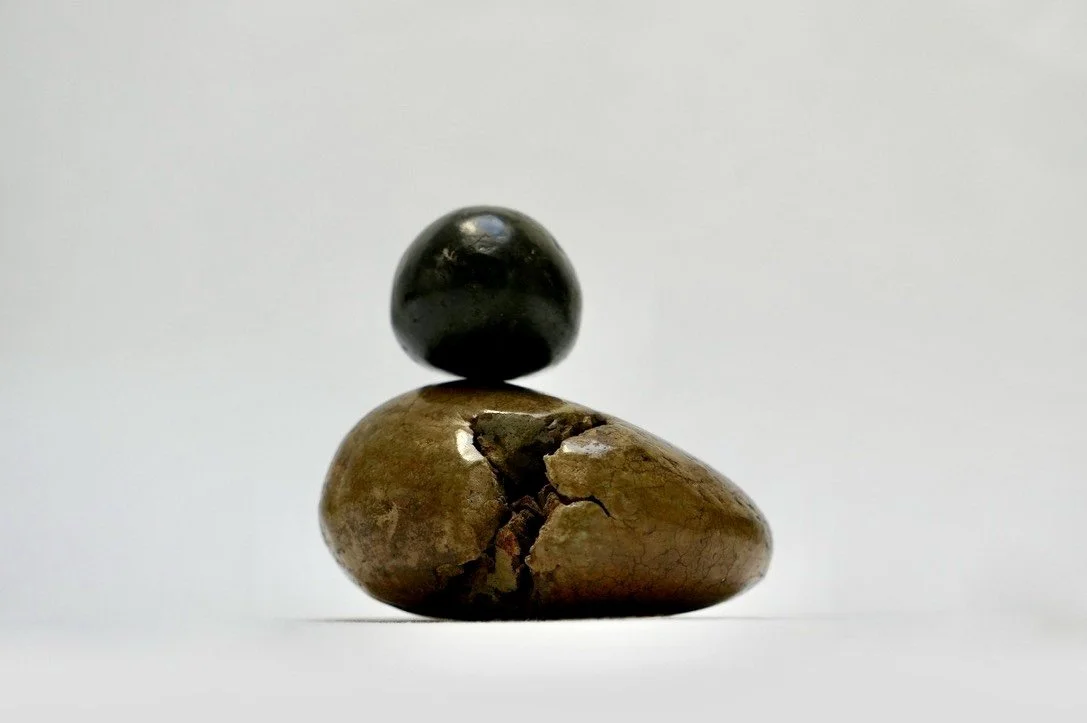
Earth Notes at The Zig Zag Gallery, Glastonbury
Somerset Art Works and Somerset Craft Guild Group Exhibition