THE BURTON AT BIDEFORD, CERAMICS RESIDENCY
A site-responsive research project exploring the vessel through clay, water, and vernacular making, tracing how material movement through rivers has shaped the landscapes and utilitarian forms of North Devon.
This project investigates the relationship between clay, water, and the vessel, exploring how material movement has shaped both landscape and making in North Devon.
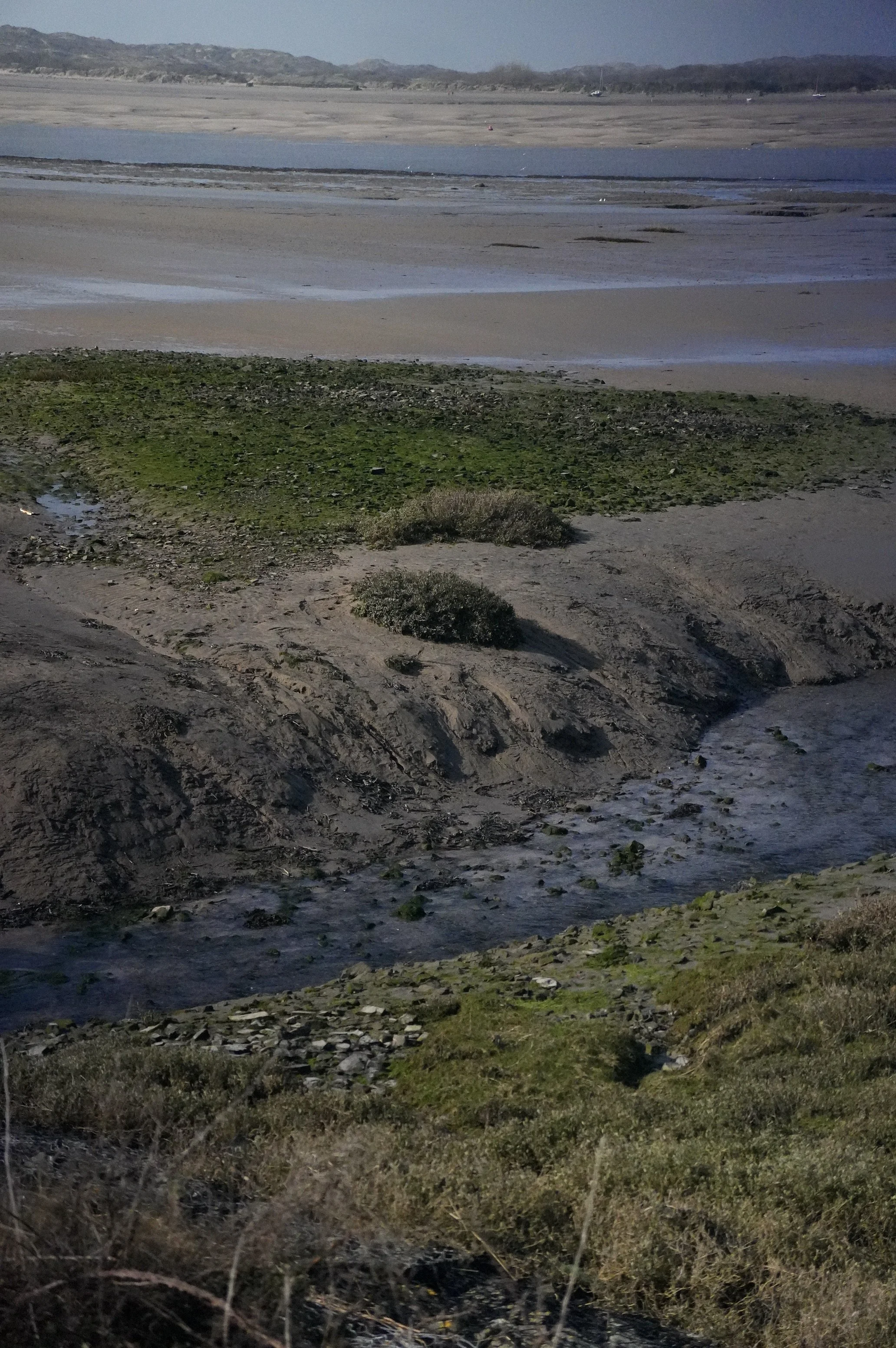
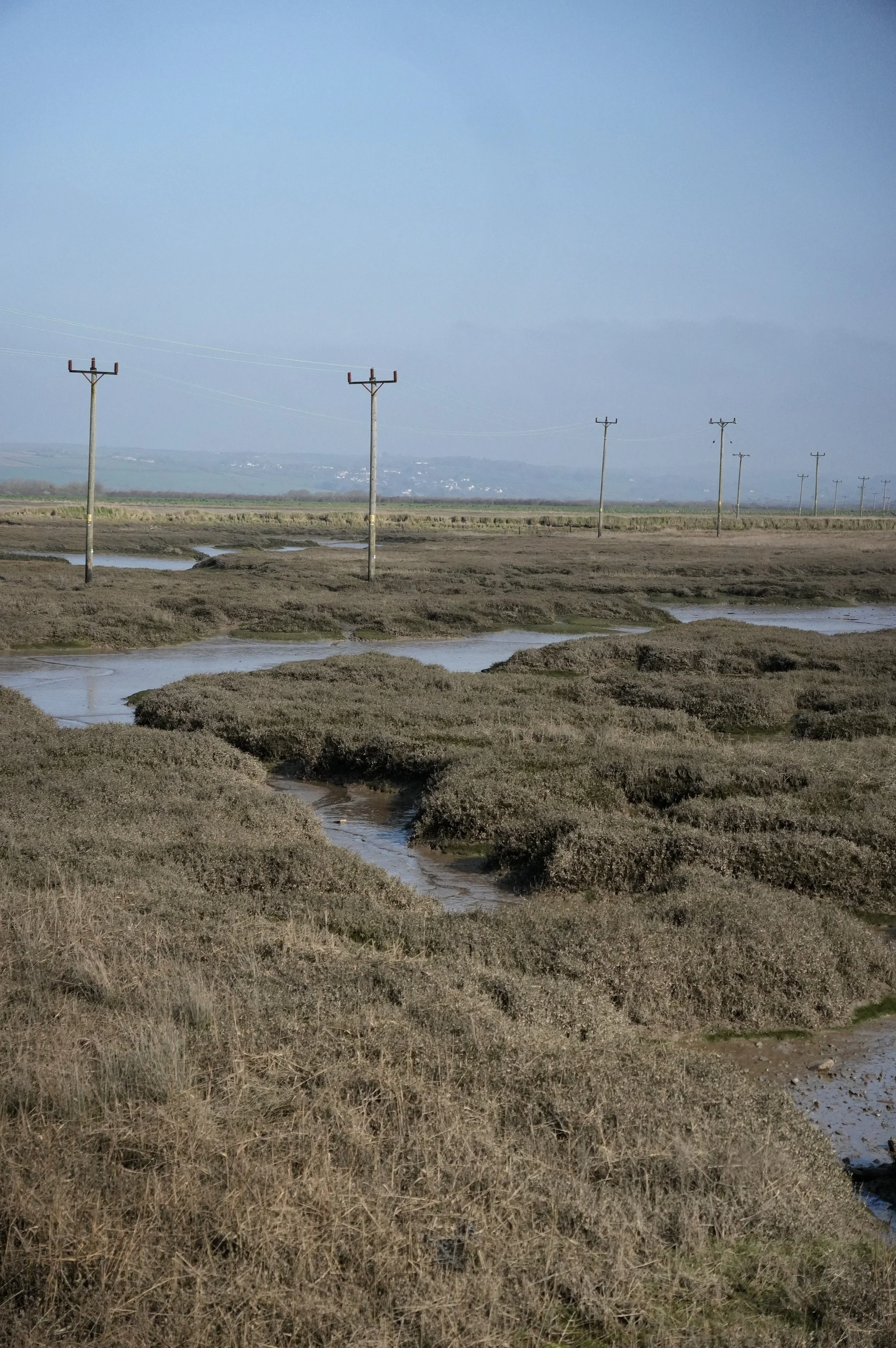
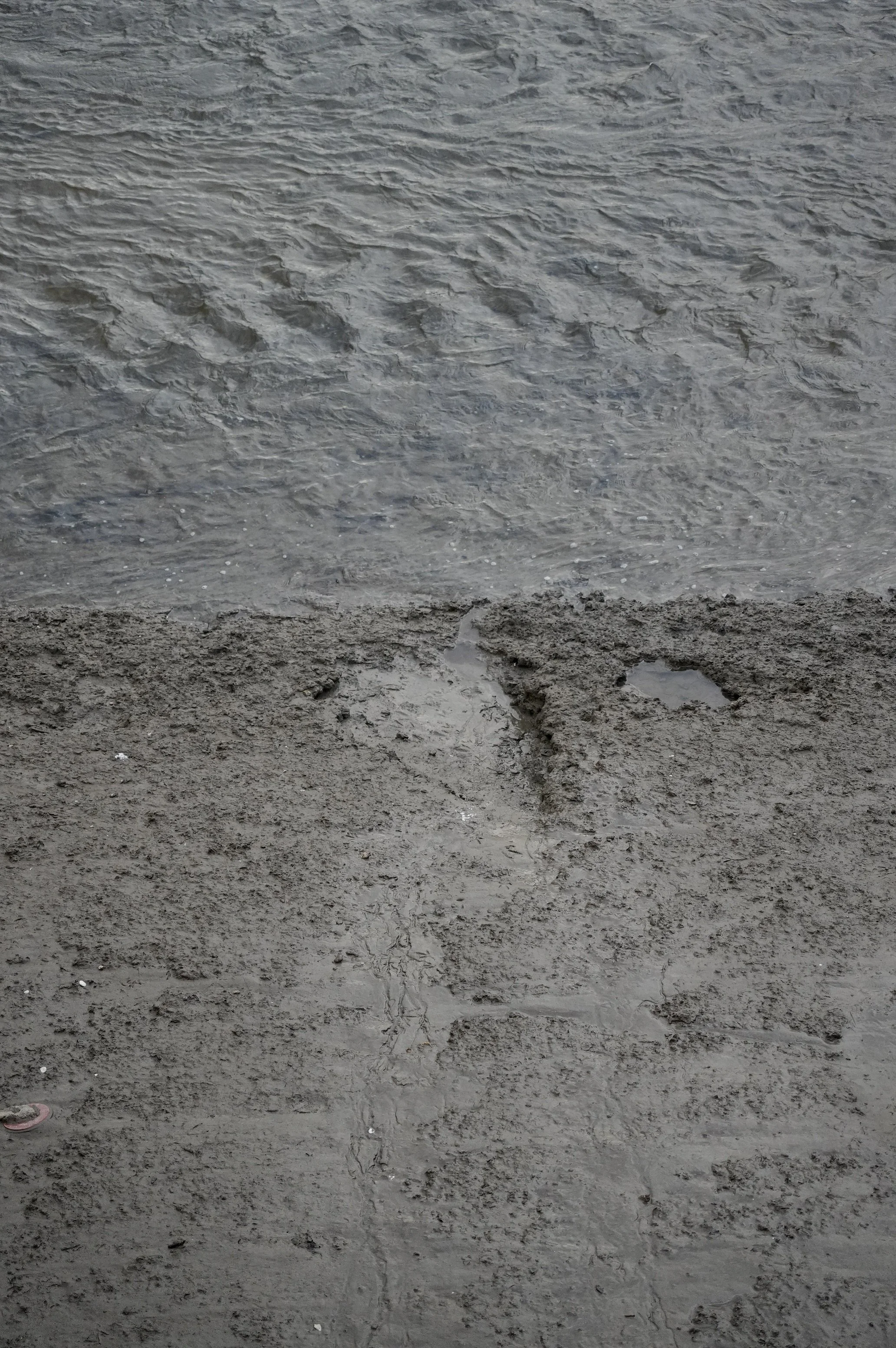
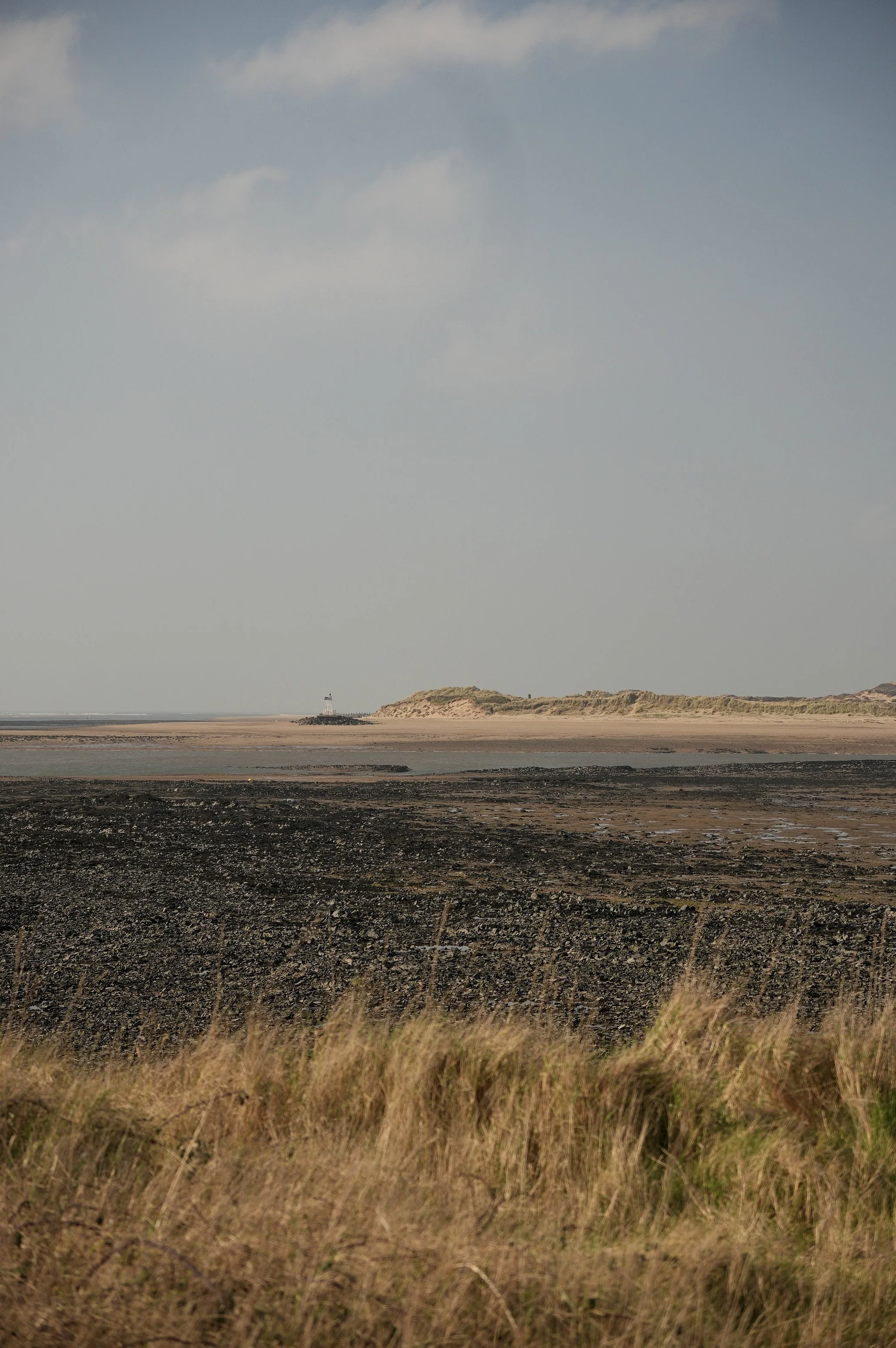
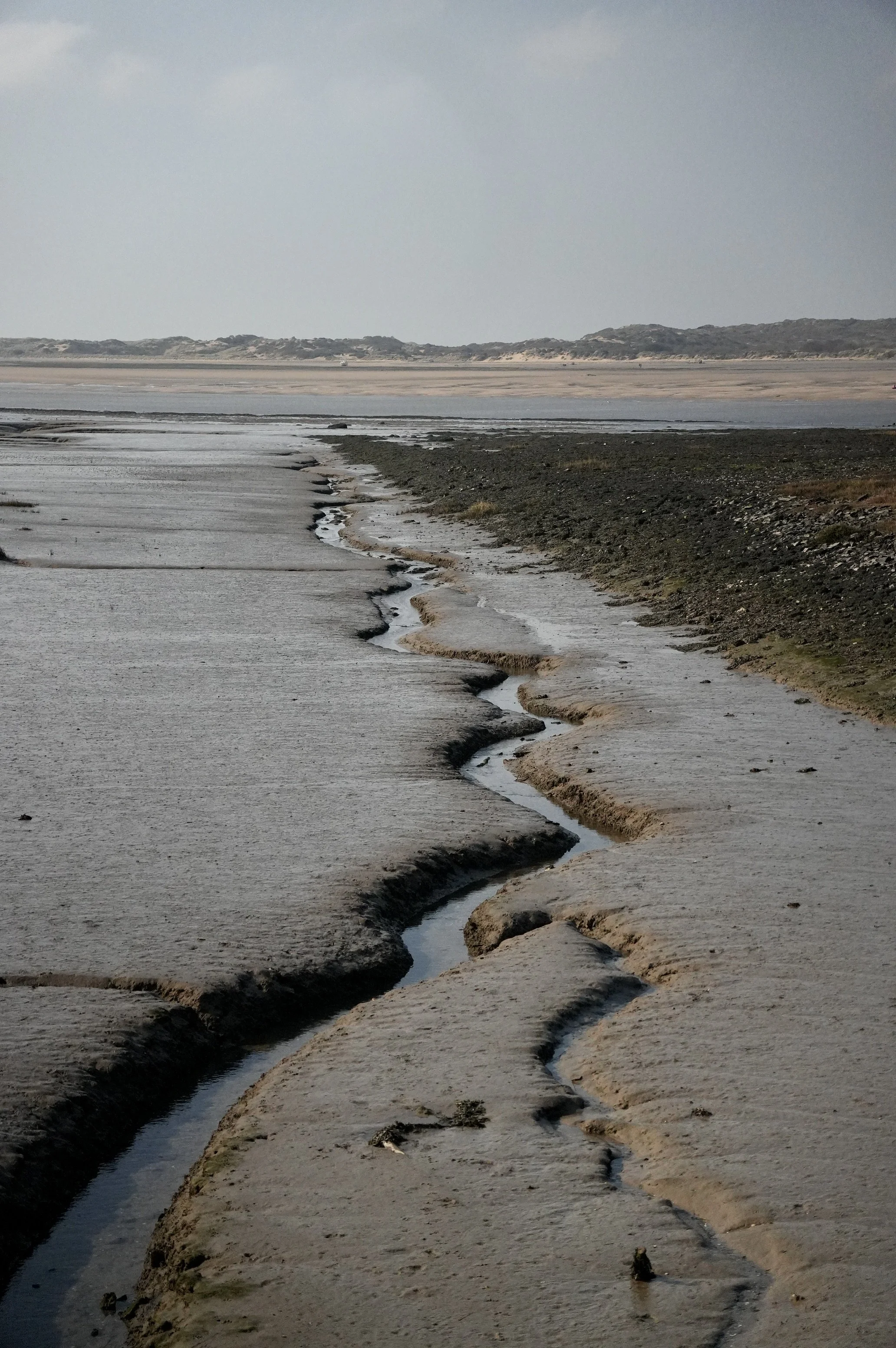
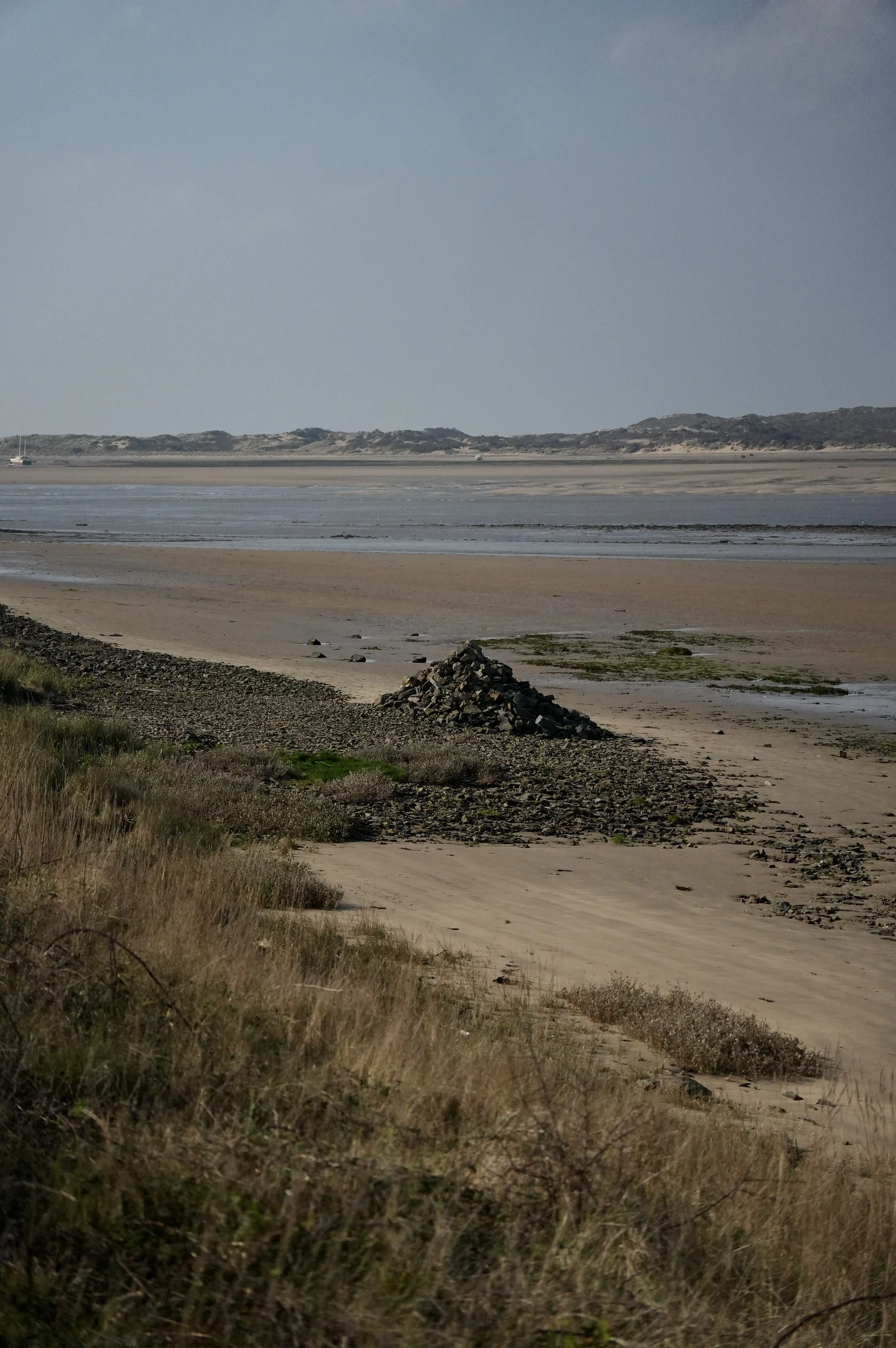
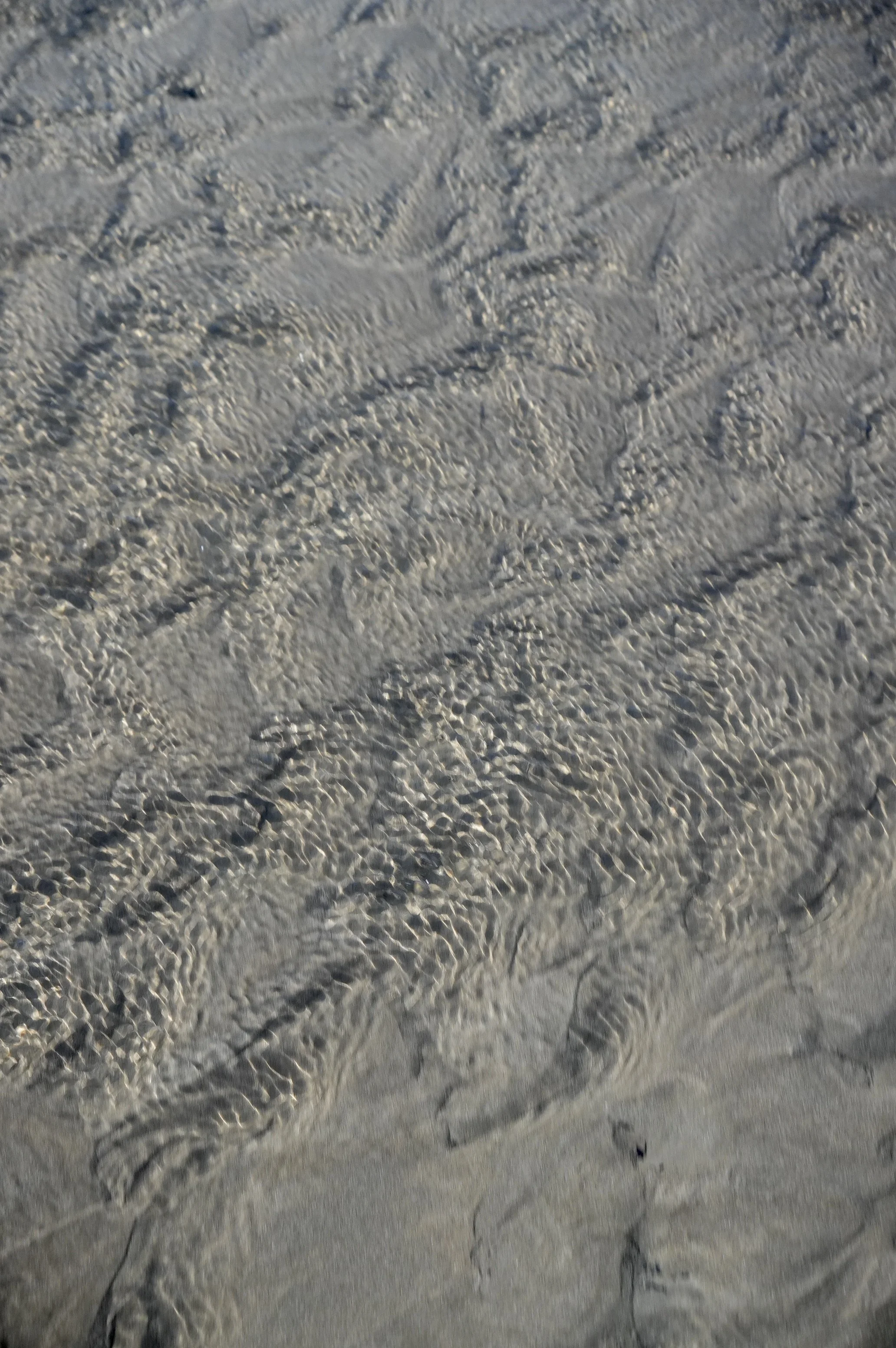
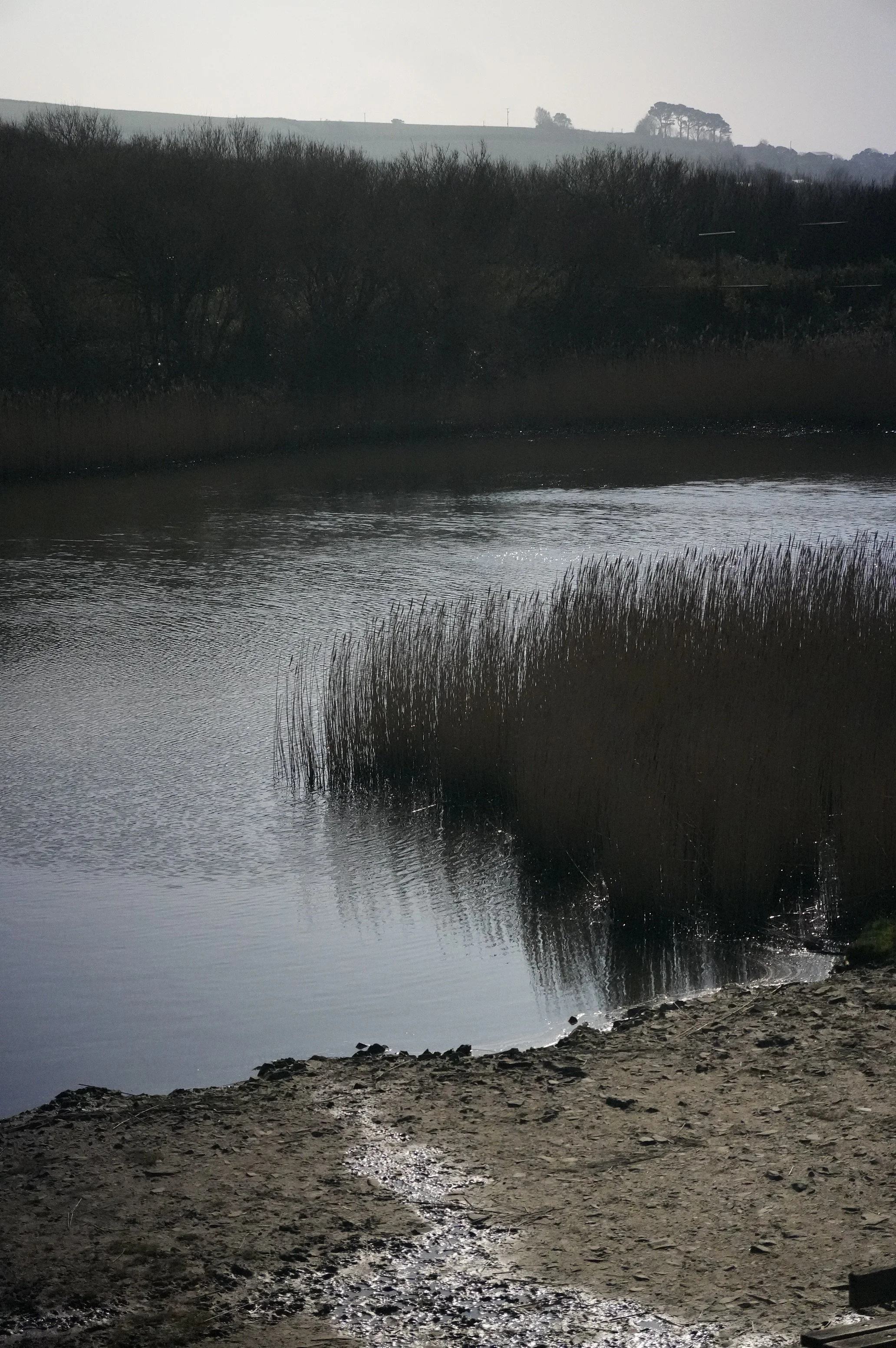
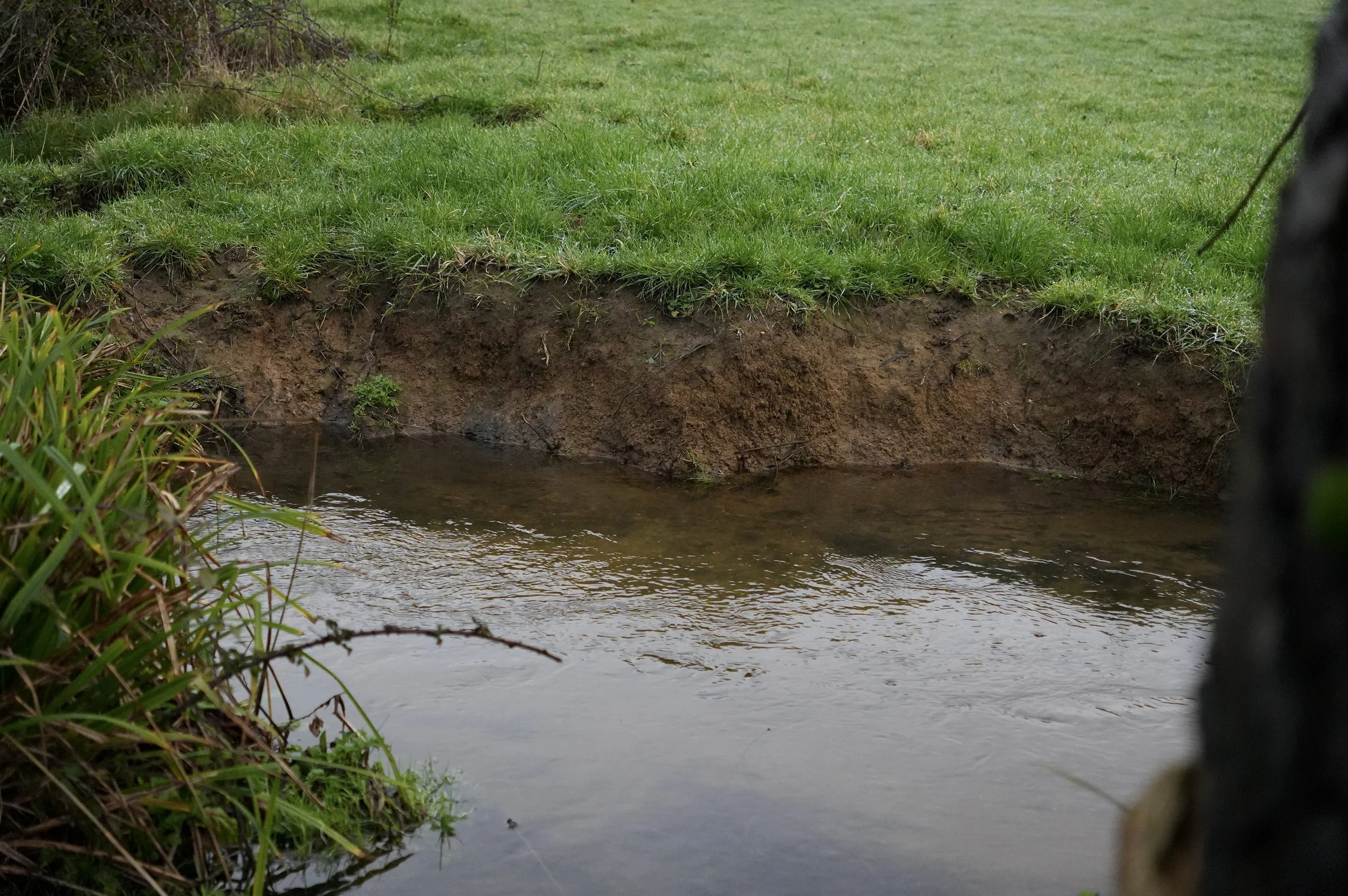
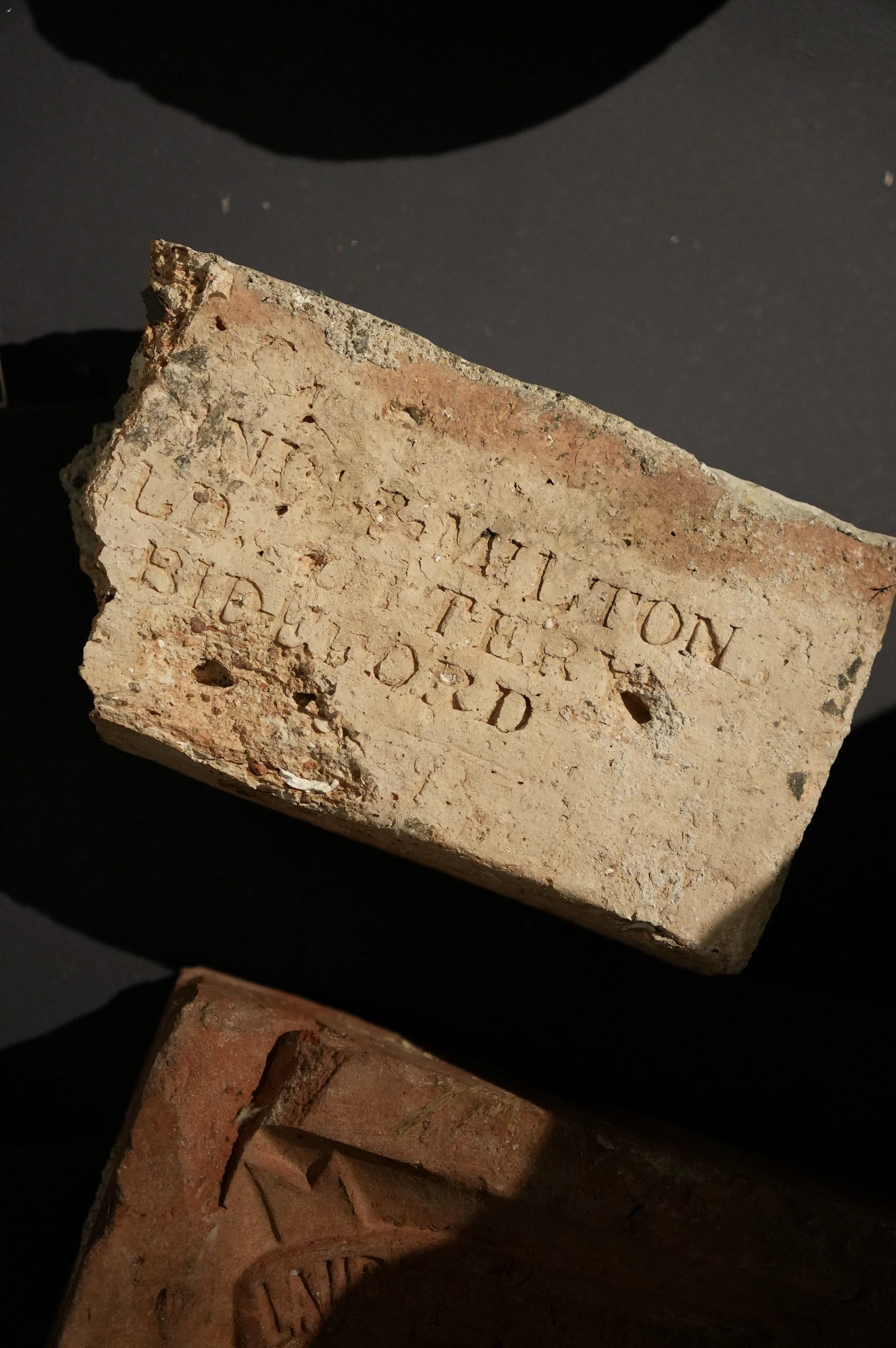
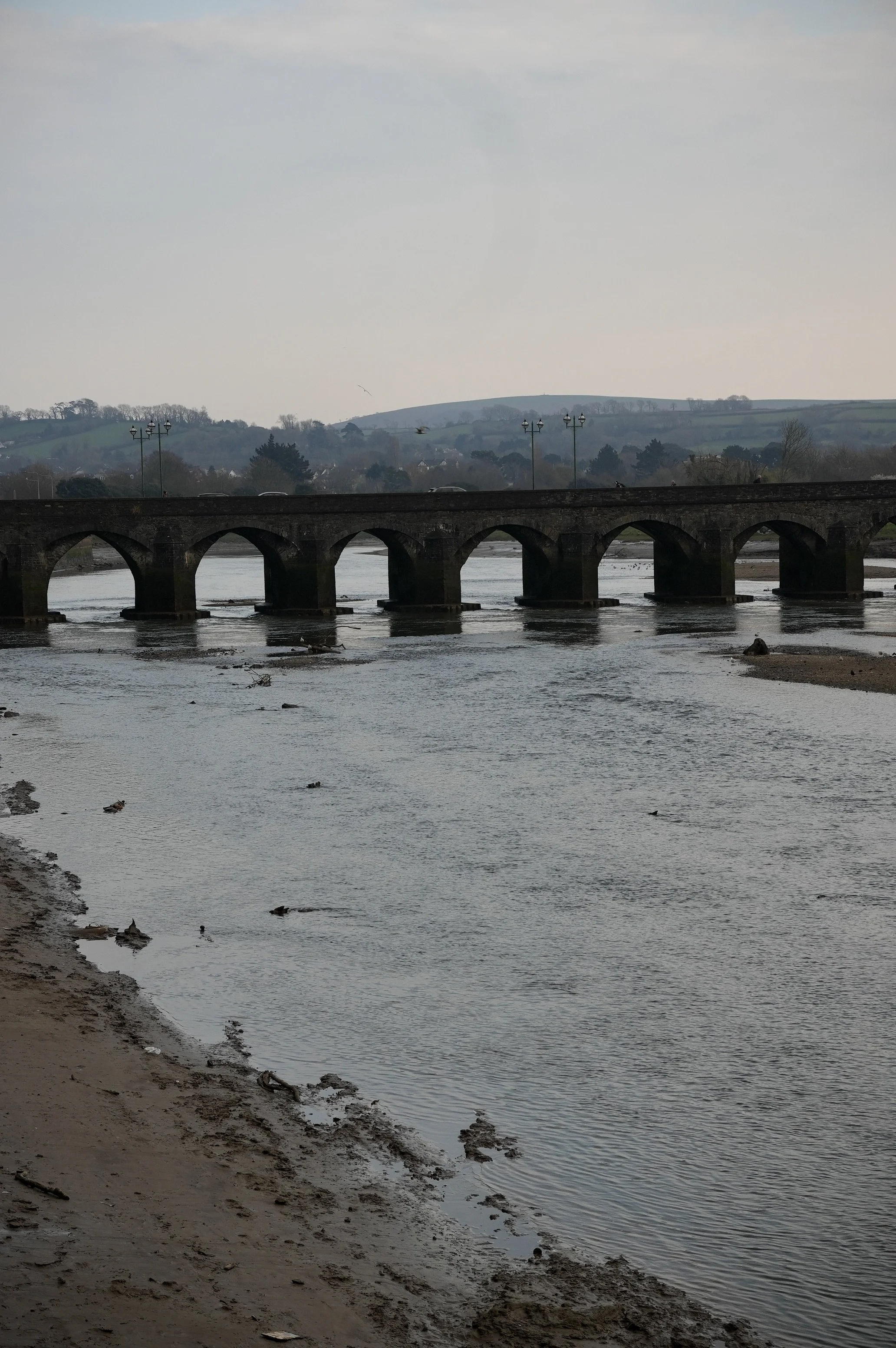
Working along the River Torridge and River Taw around Bideford, the research traces clay as it moves through different states: held within the ground, carried as sediment, and formed into bricks, tiles, and utilitarian objects. Historically, rivers acted as transport routes for clay and ceramics, embedding movement and exchange into the material culture of the region.
At its core, the project asks: what makes a vessel a vessel? Moving beyond the enclosed ceramic form, the vessel is expanded to include rivers, ships, bricks, and bodies, structures that hold, carry, and shape material over time. Clay becomes a vessel for water, while water activates and transforms clay.
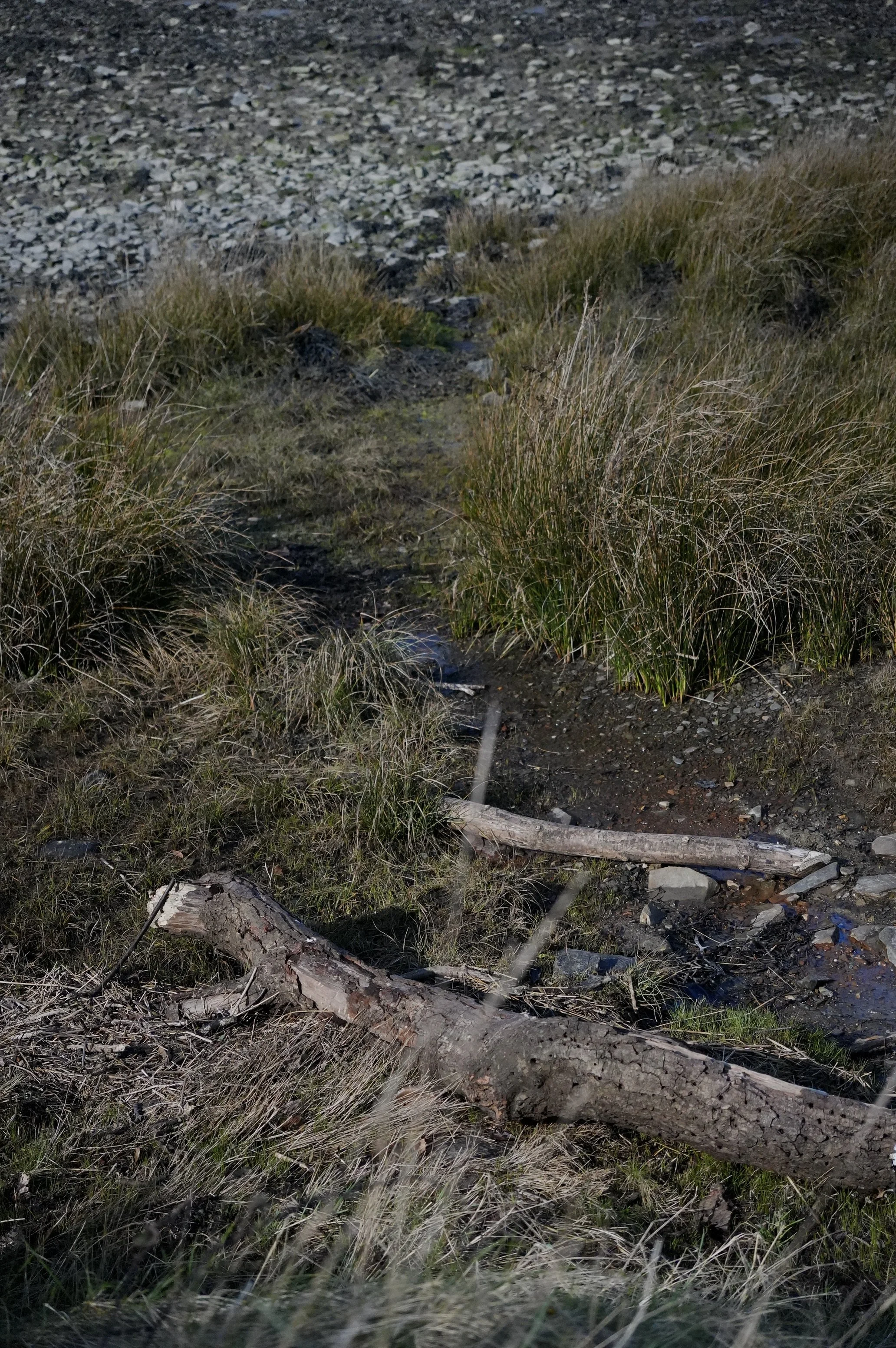
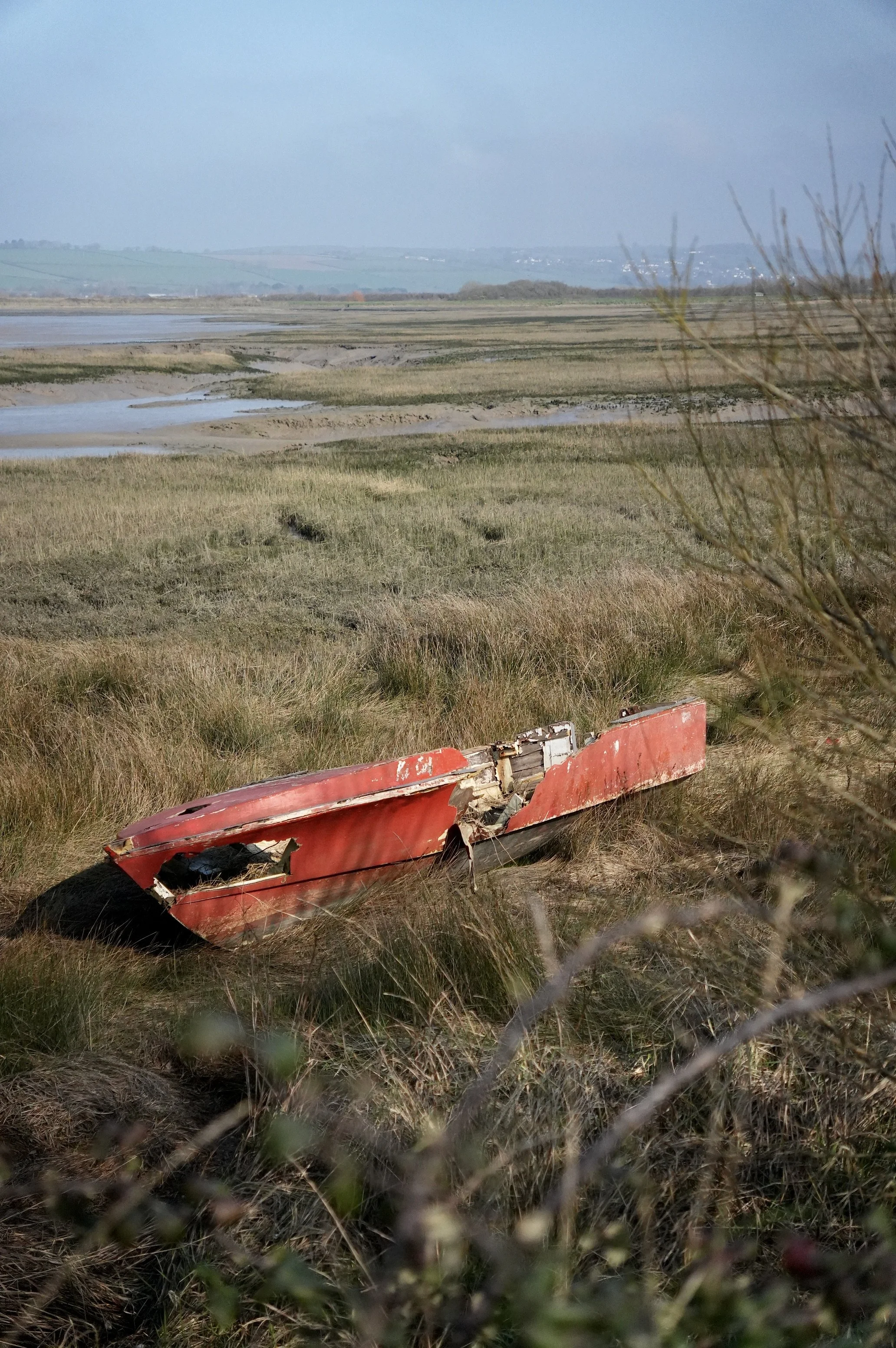
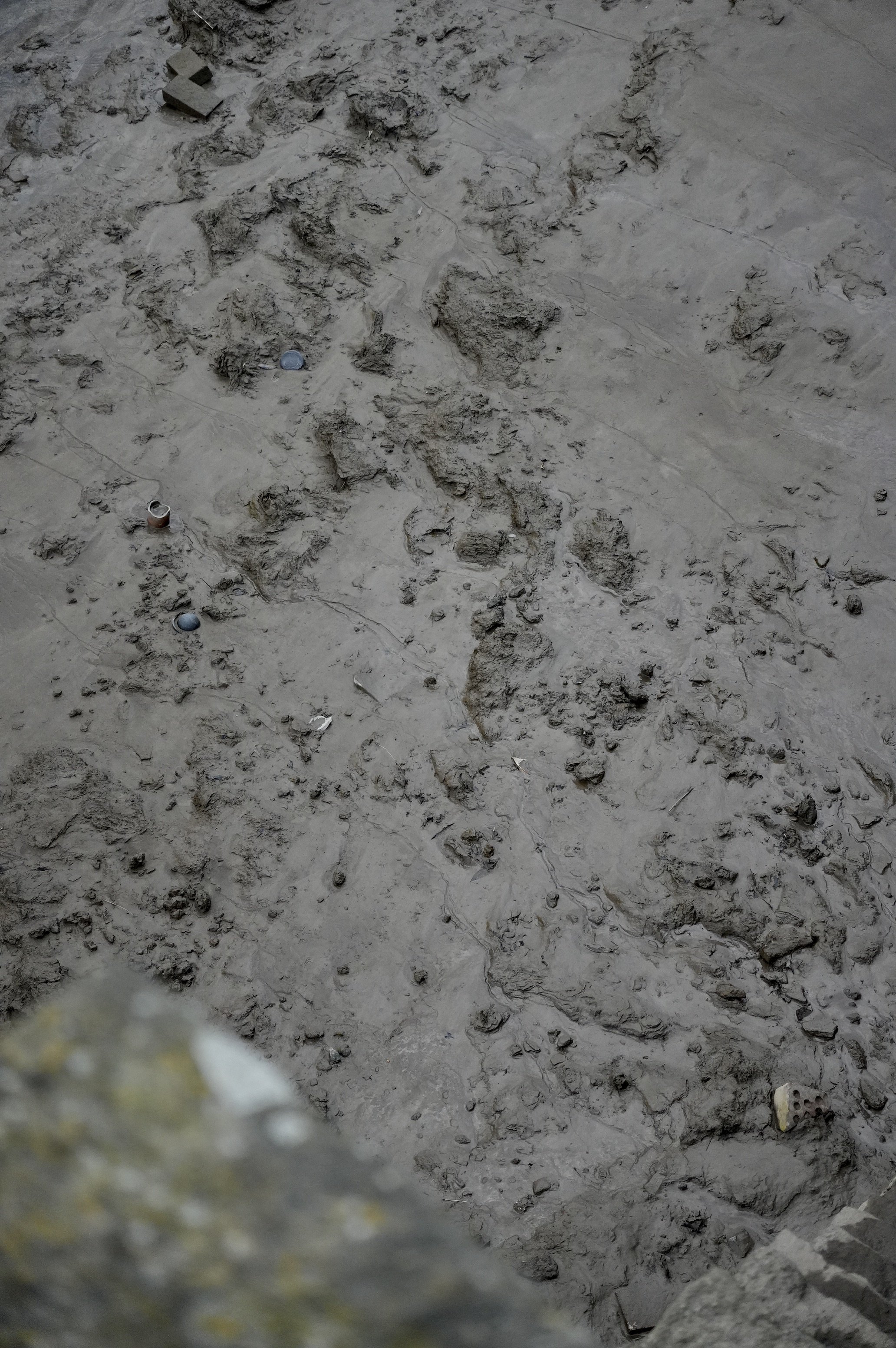
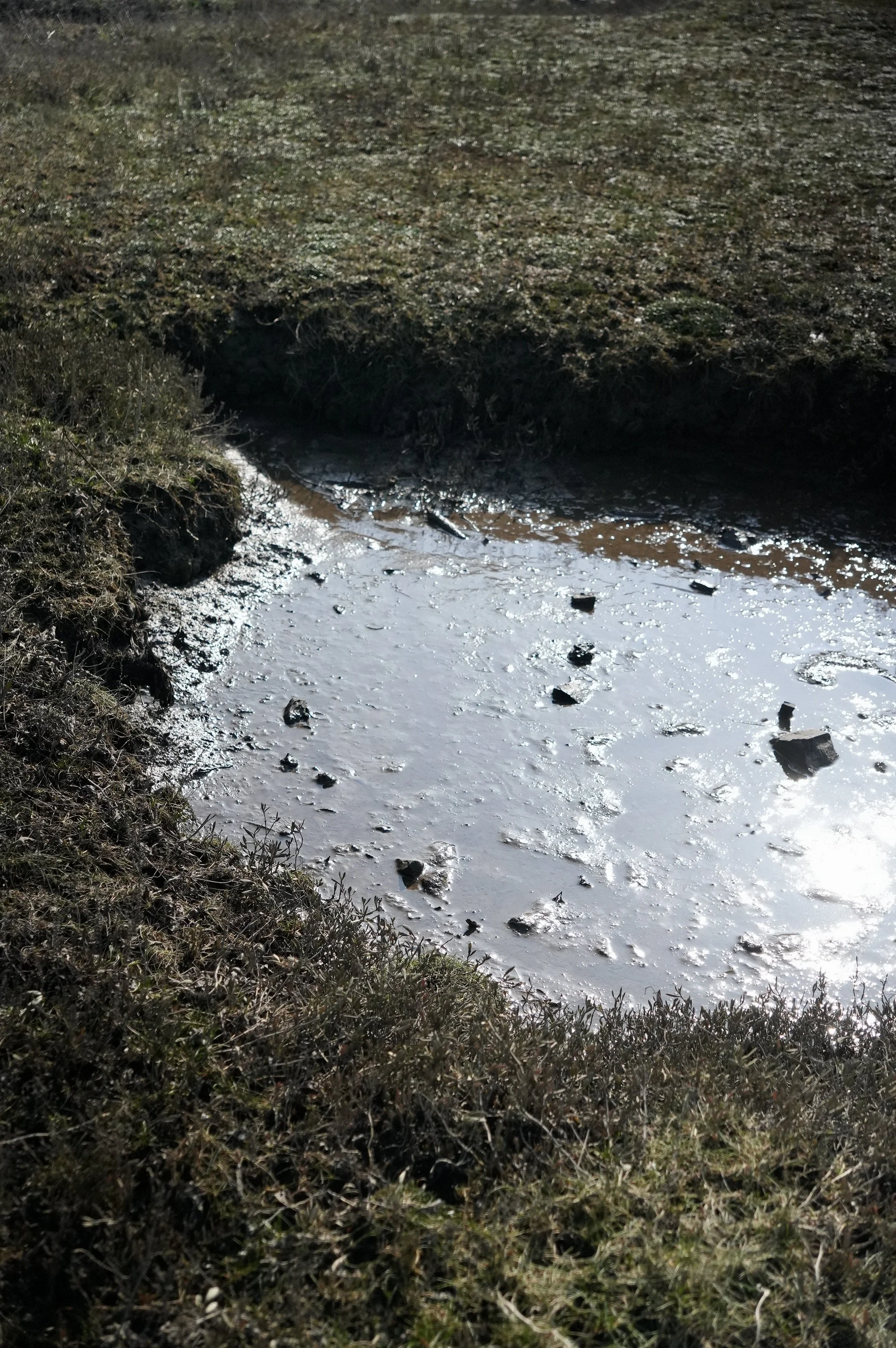
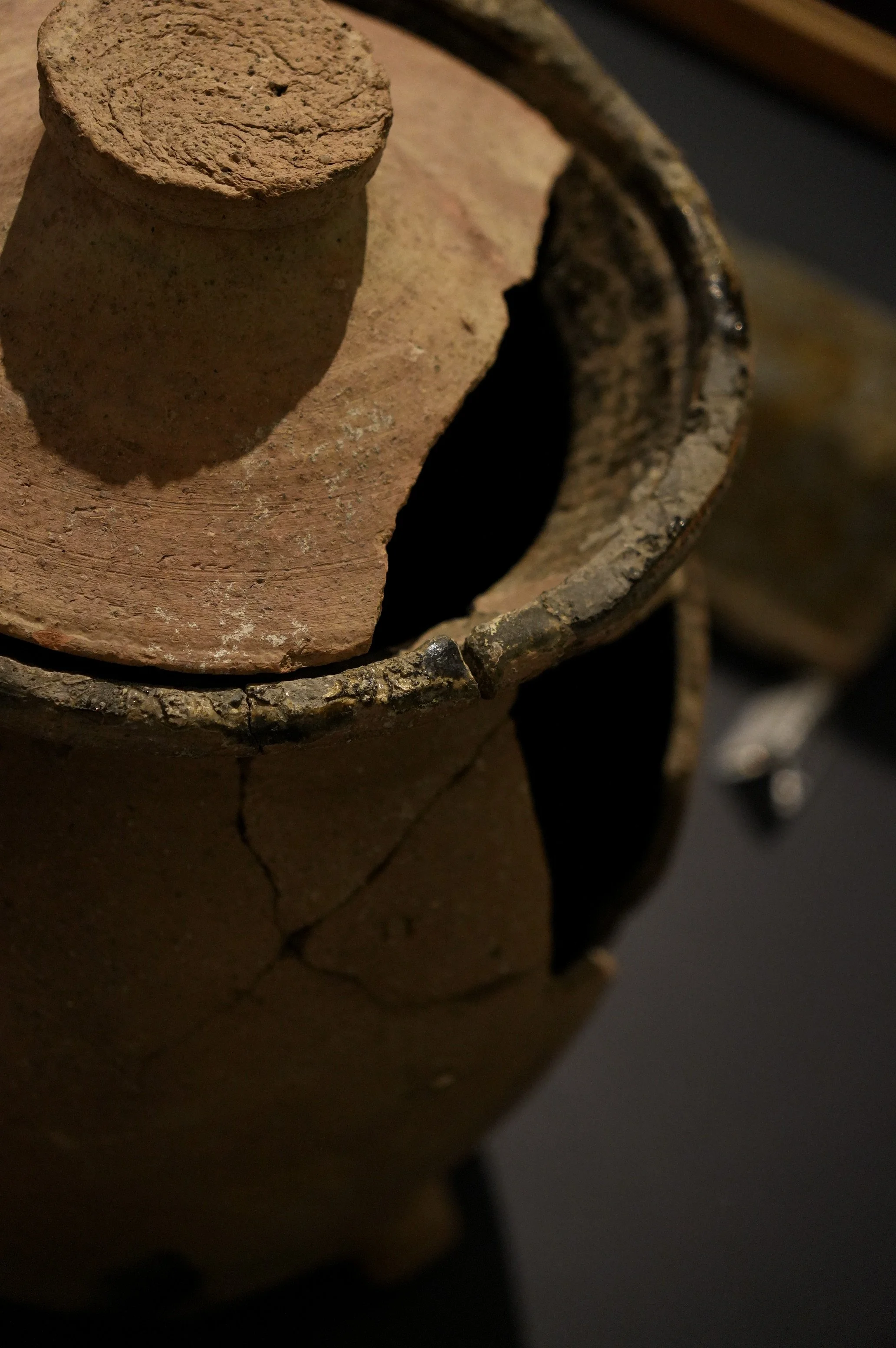
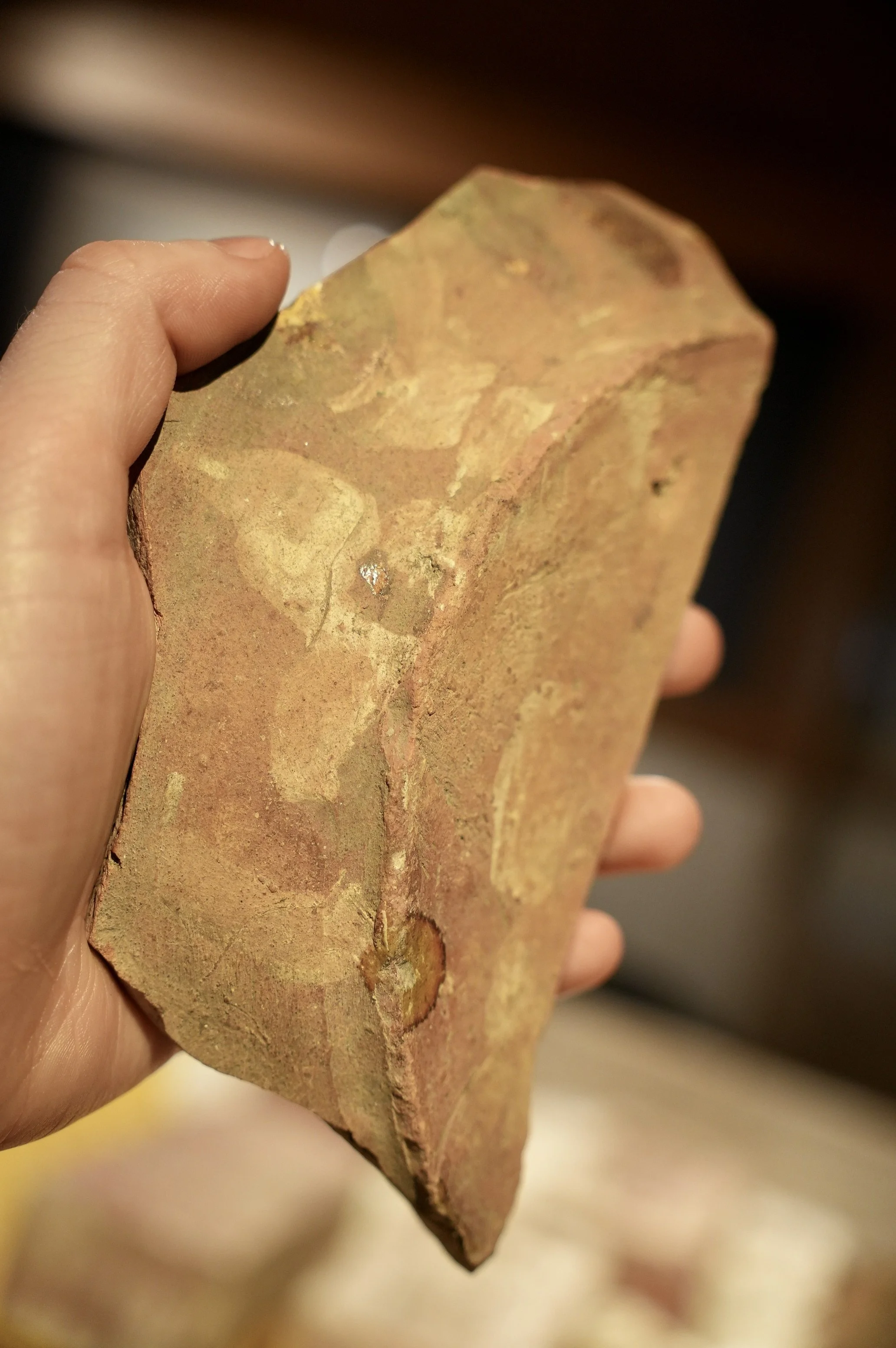
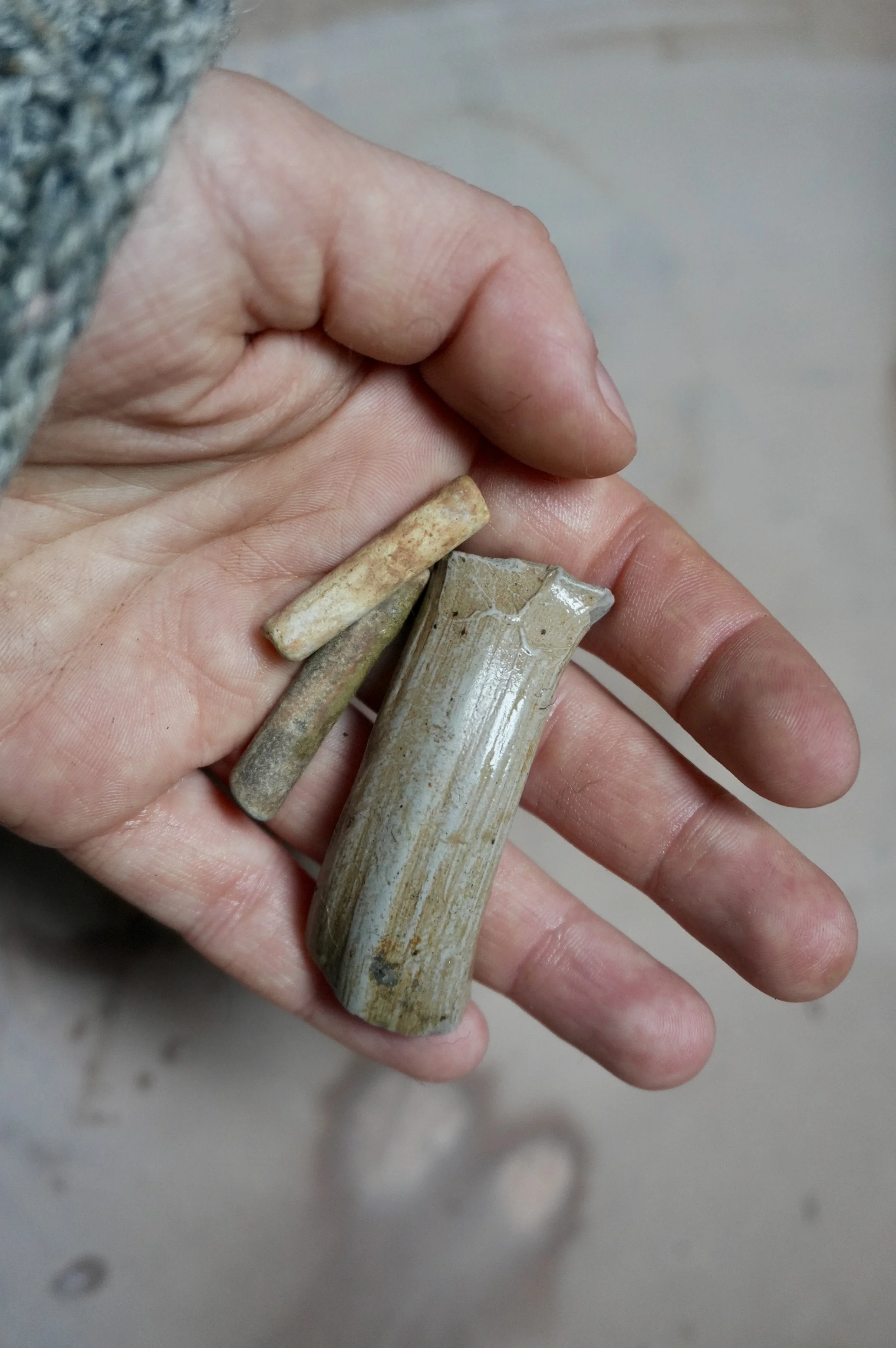
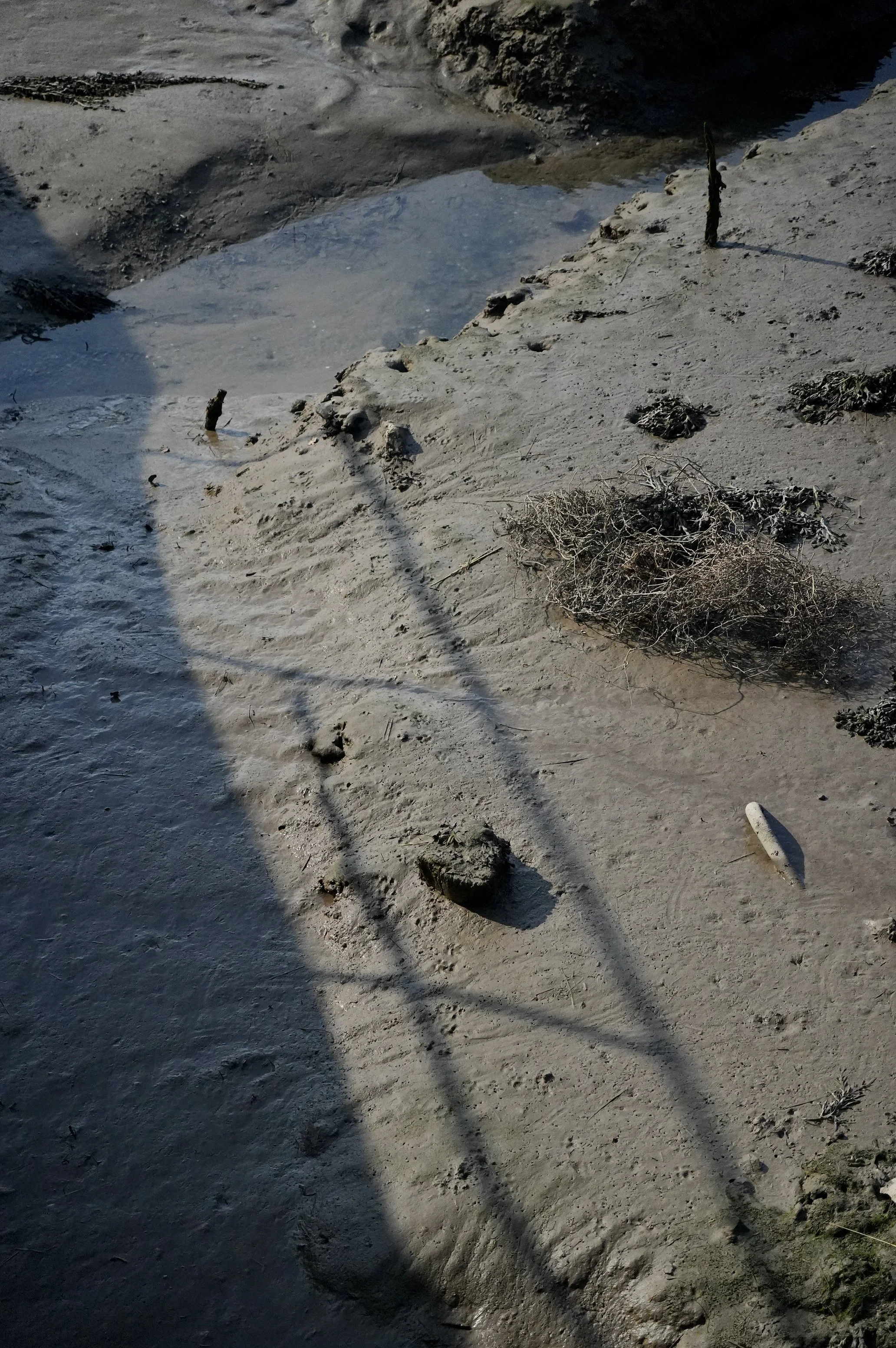
Fieldwork forms a central part of the research. I have been exploring and testing materials across a range of sites, including Meeth Quarry Nature Reserve, Peppercombe Beach, and the shoreline at Appledore, where fragments of discarded pottery from historic potteries remain embedded in the ground.
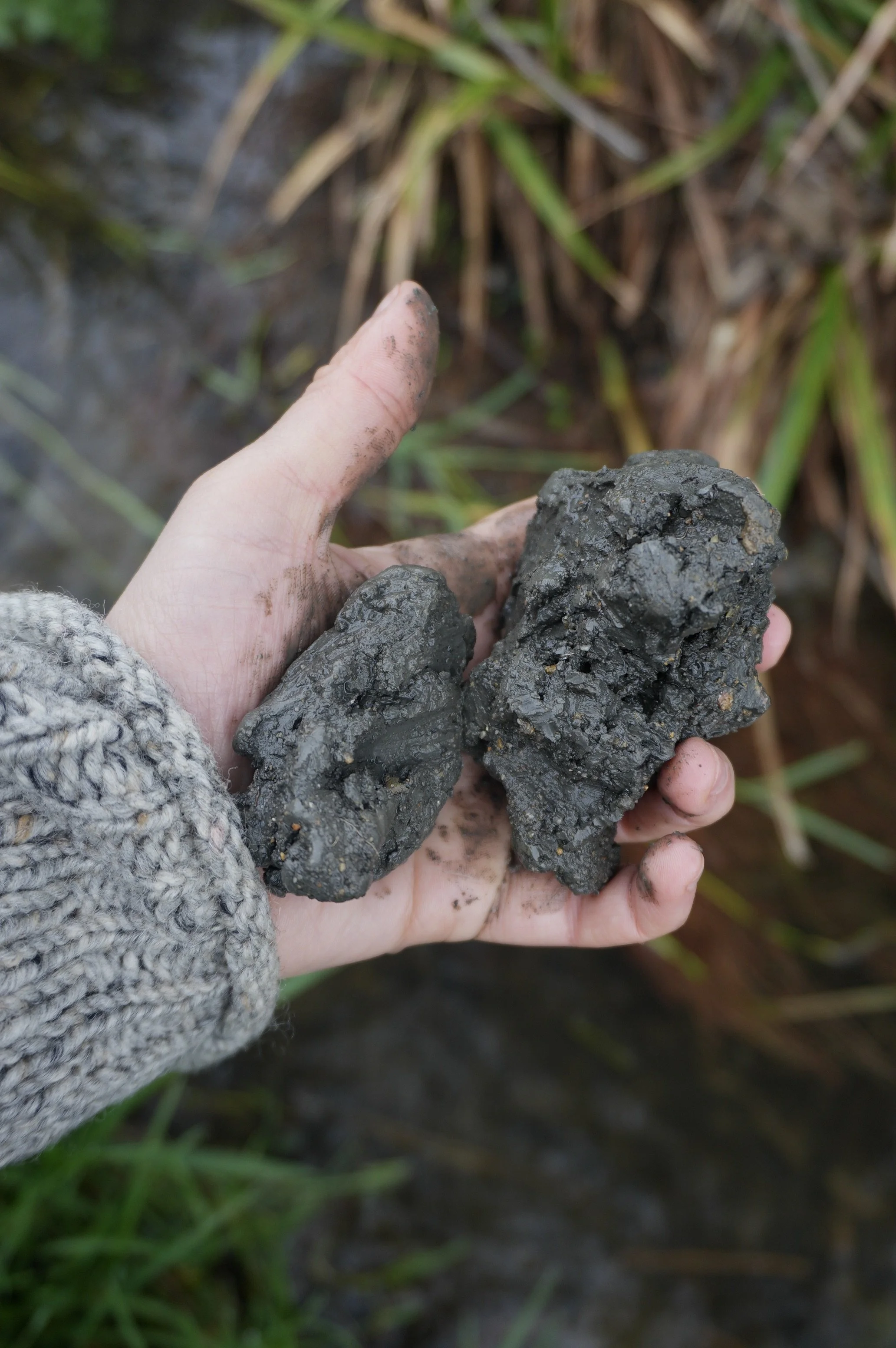
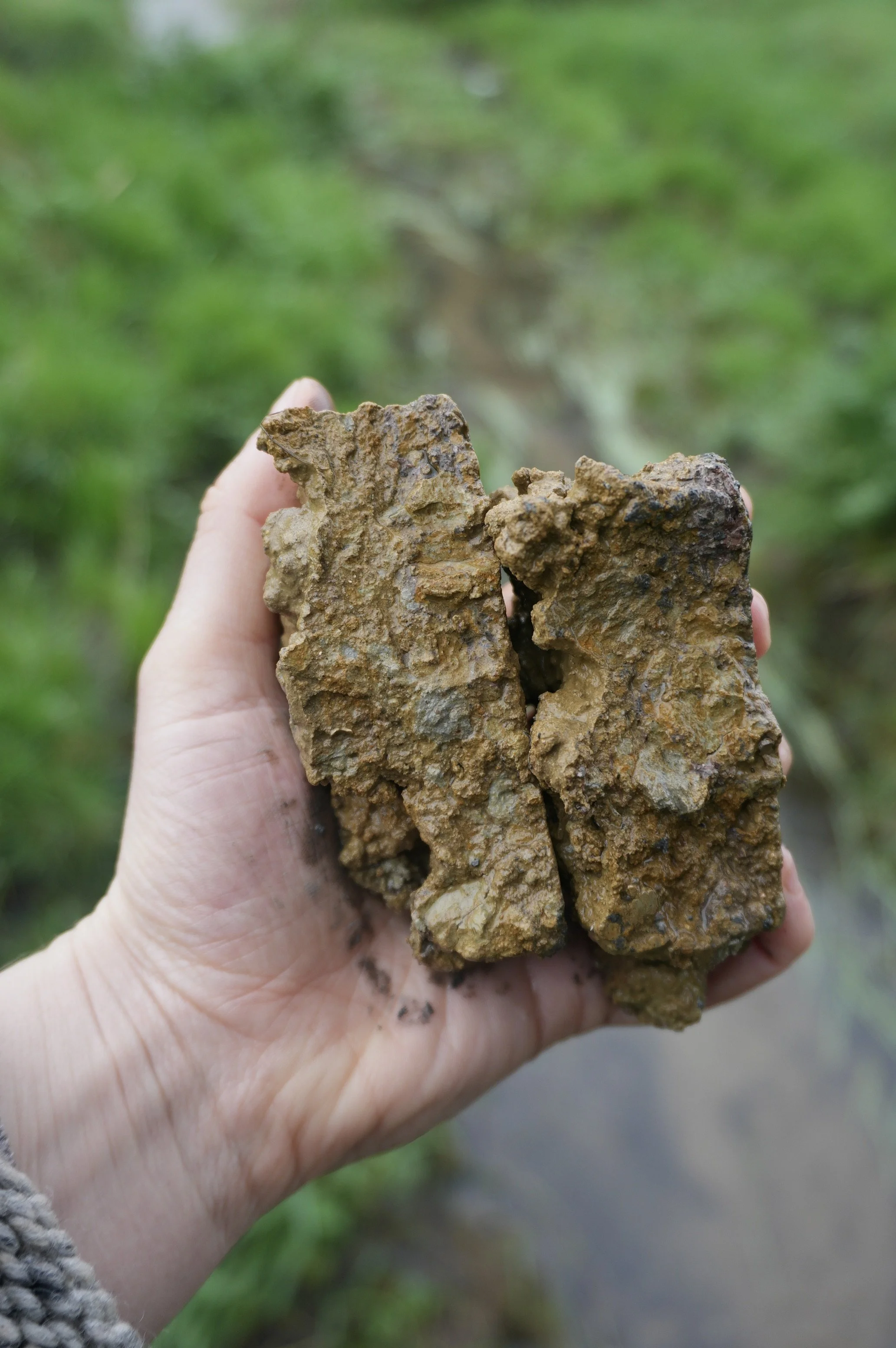
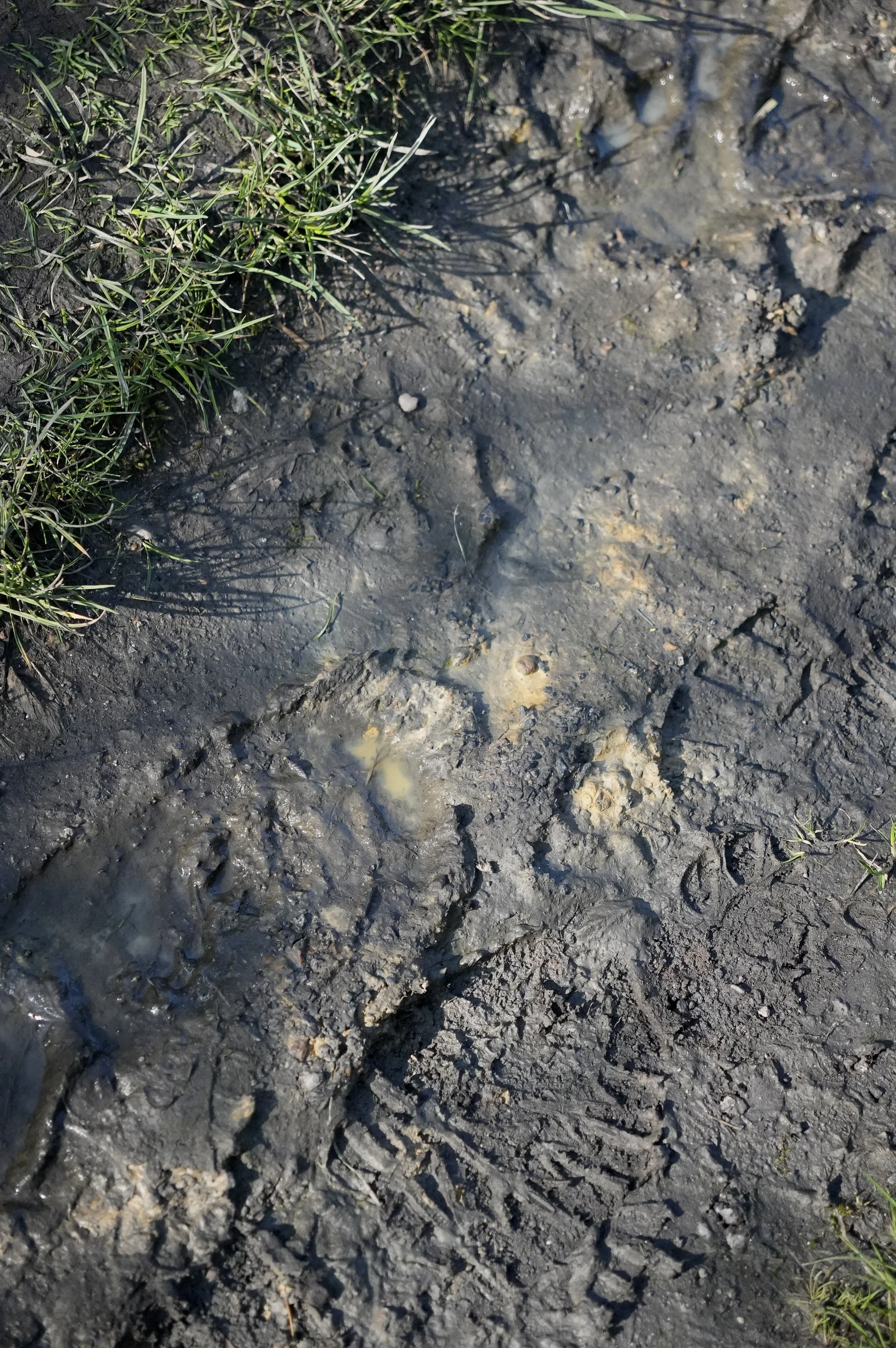
Clay samples have been gathered from multiple points along both rivers, allowing for a comparative understanding of how material shifts across the landscape.
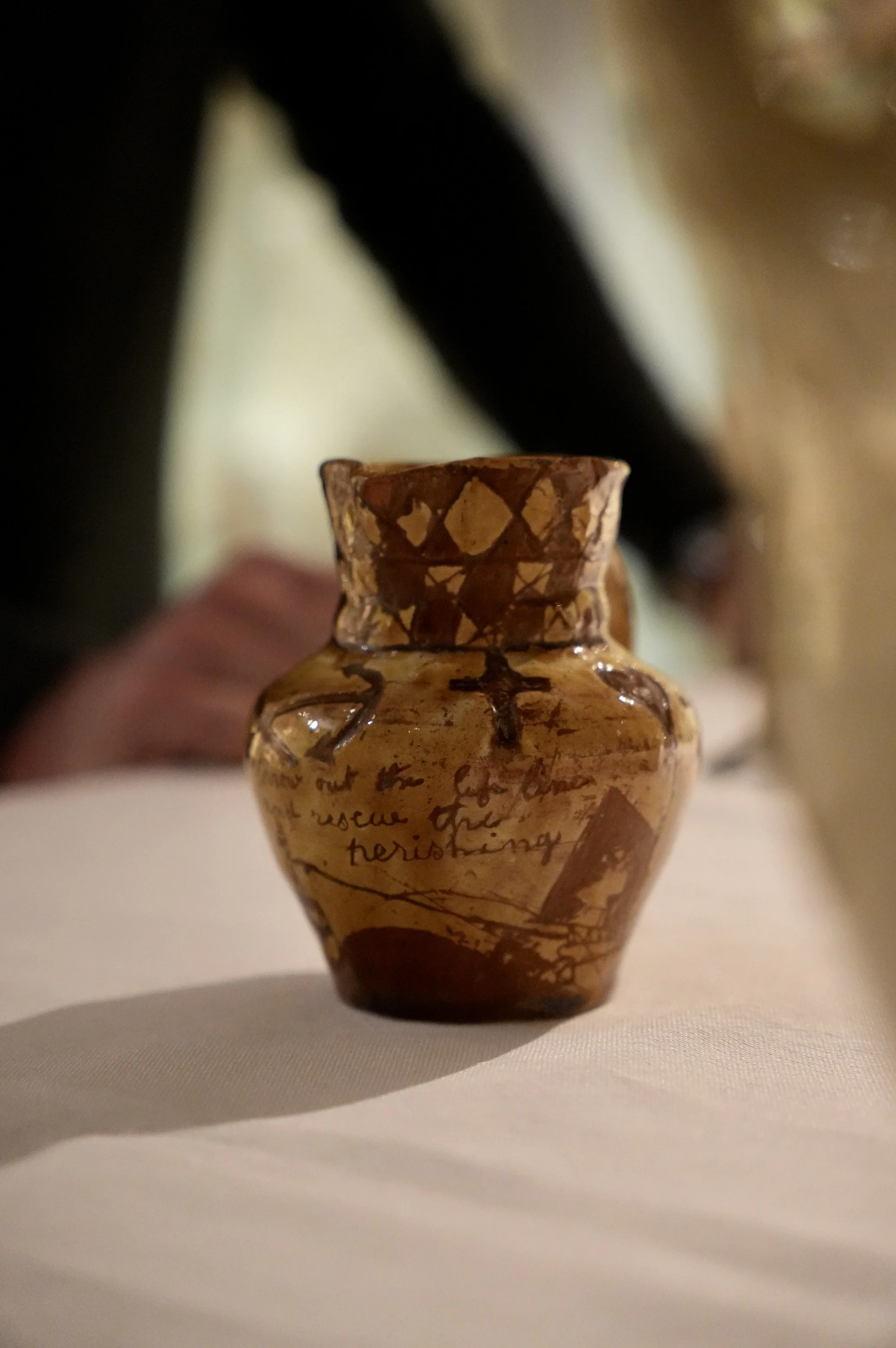
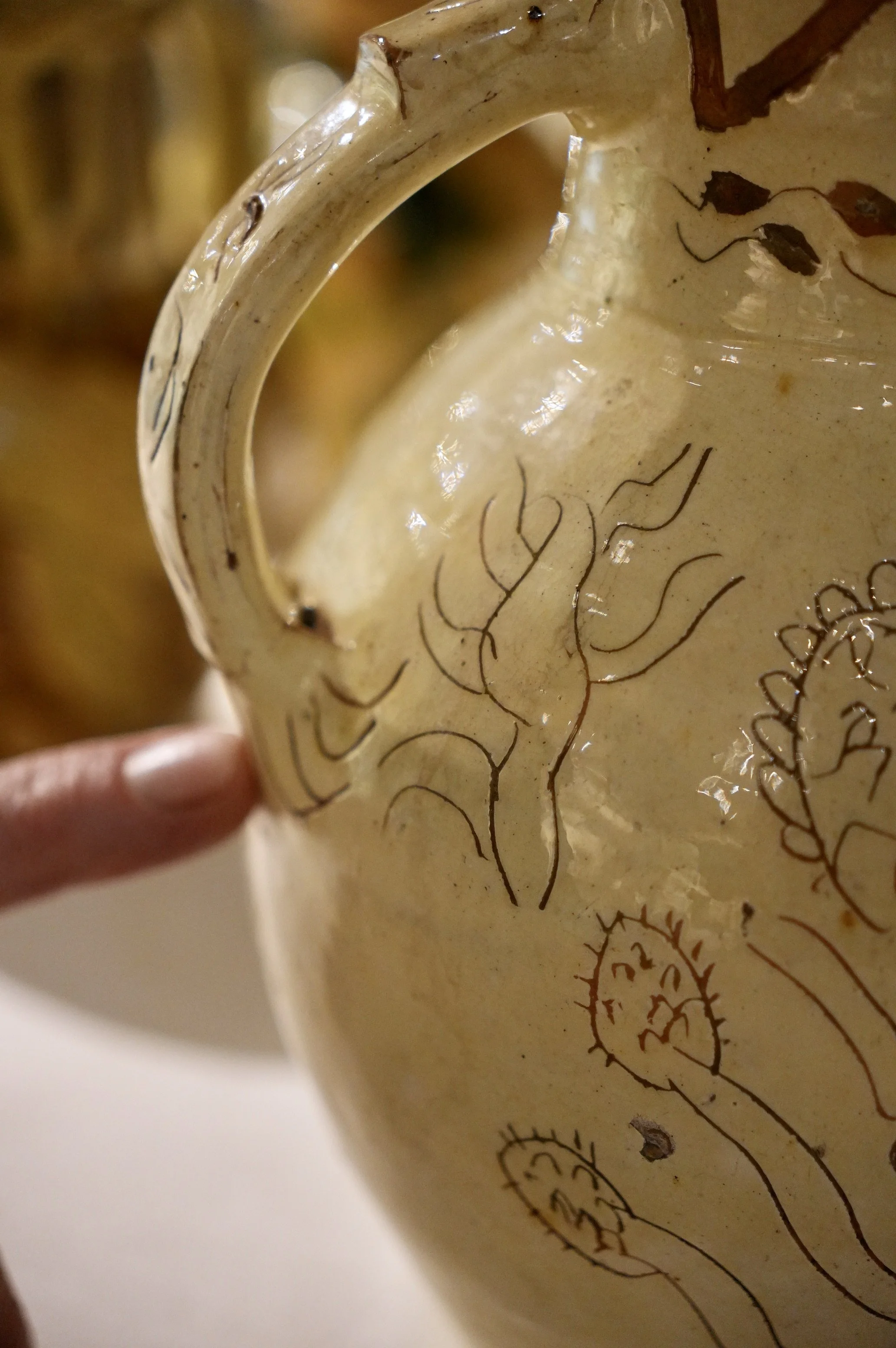
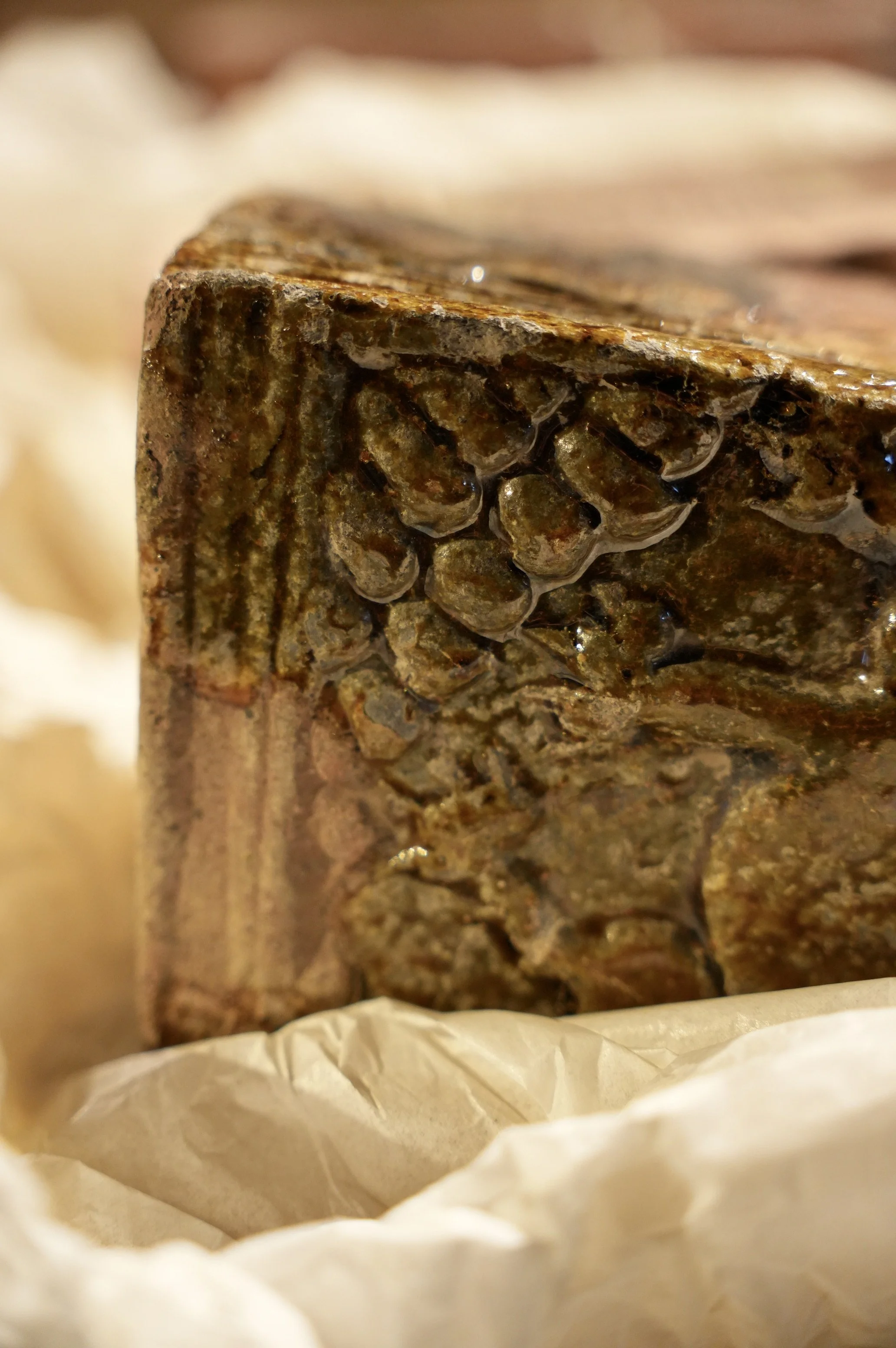
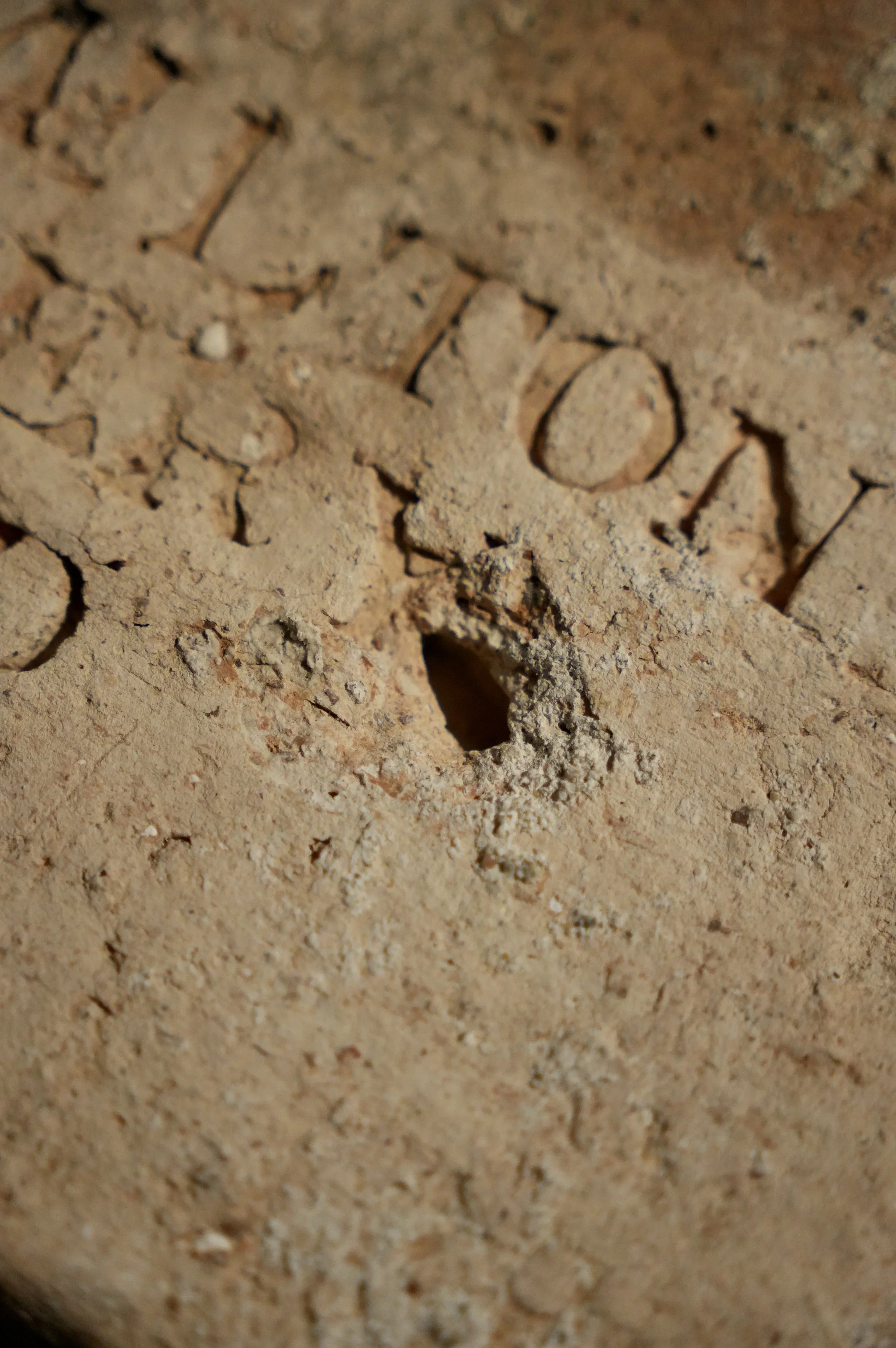
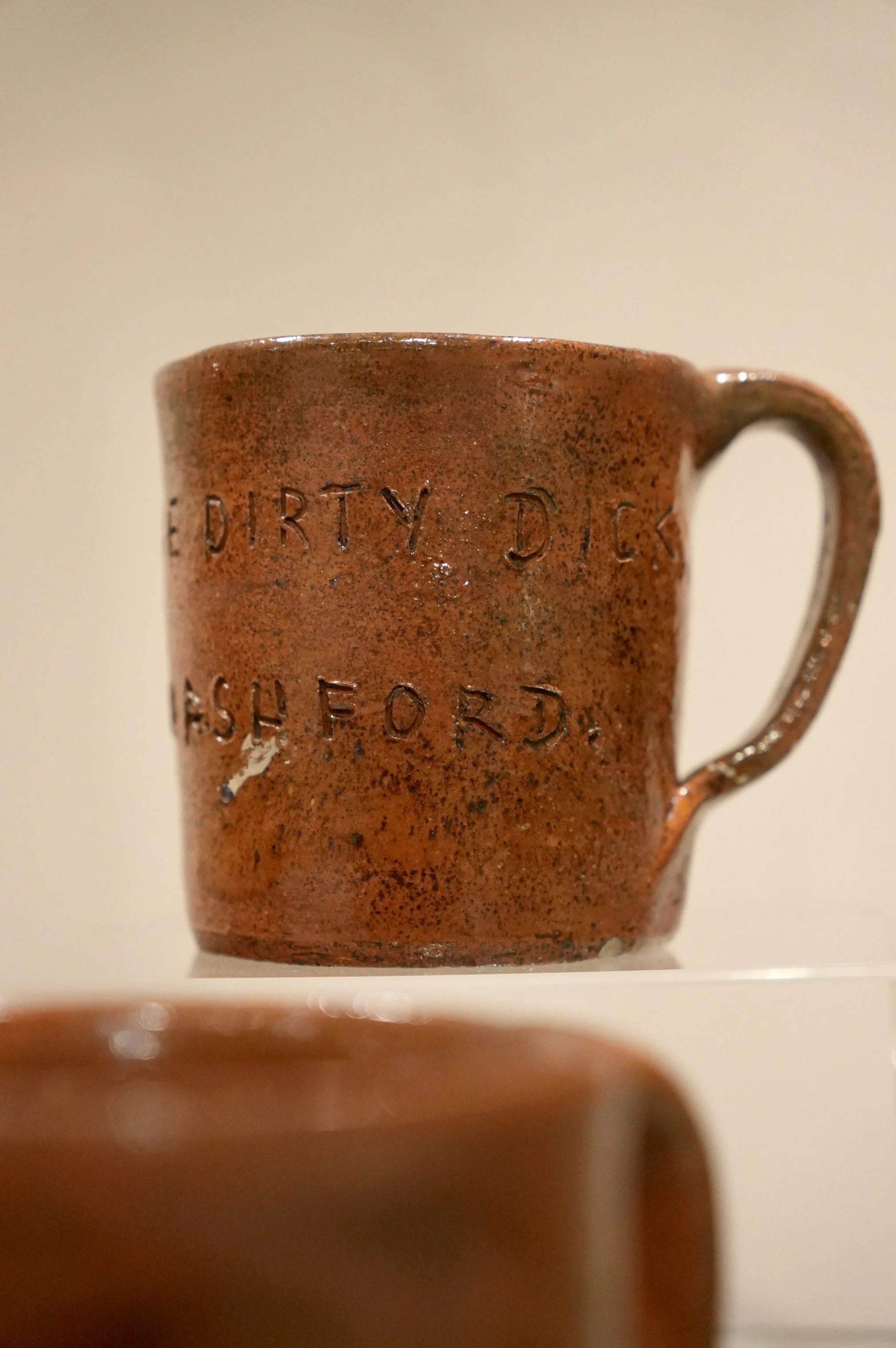
Alongside this, I have been studying objects within the RJ Lloyd Collection of North Devon Slipware, examining how they were made and tracing where their clay may have originated. These utilitarian forms are approached not as isolated artefacts, but as extensions of the same material systems found in the landscape.
Through walking, gathering, and material experimentation, the project engages with edgelands and marginal spaces where ecological and industrial processes intersect. Positioned between craft and fine art, it reconsiders the vessel as a shifting condition rather than a fixed form, exploring how containment, movement, and material memory operate across object, body, and landscape.