CHAPTERS FROM OTHER LANDSCAPES
A residency exploring walking, geological memory, local materiality, and embodied forms of making through the landscapes of Dartmoor and South Devon, May 2026
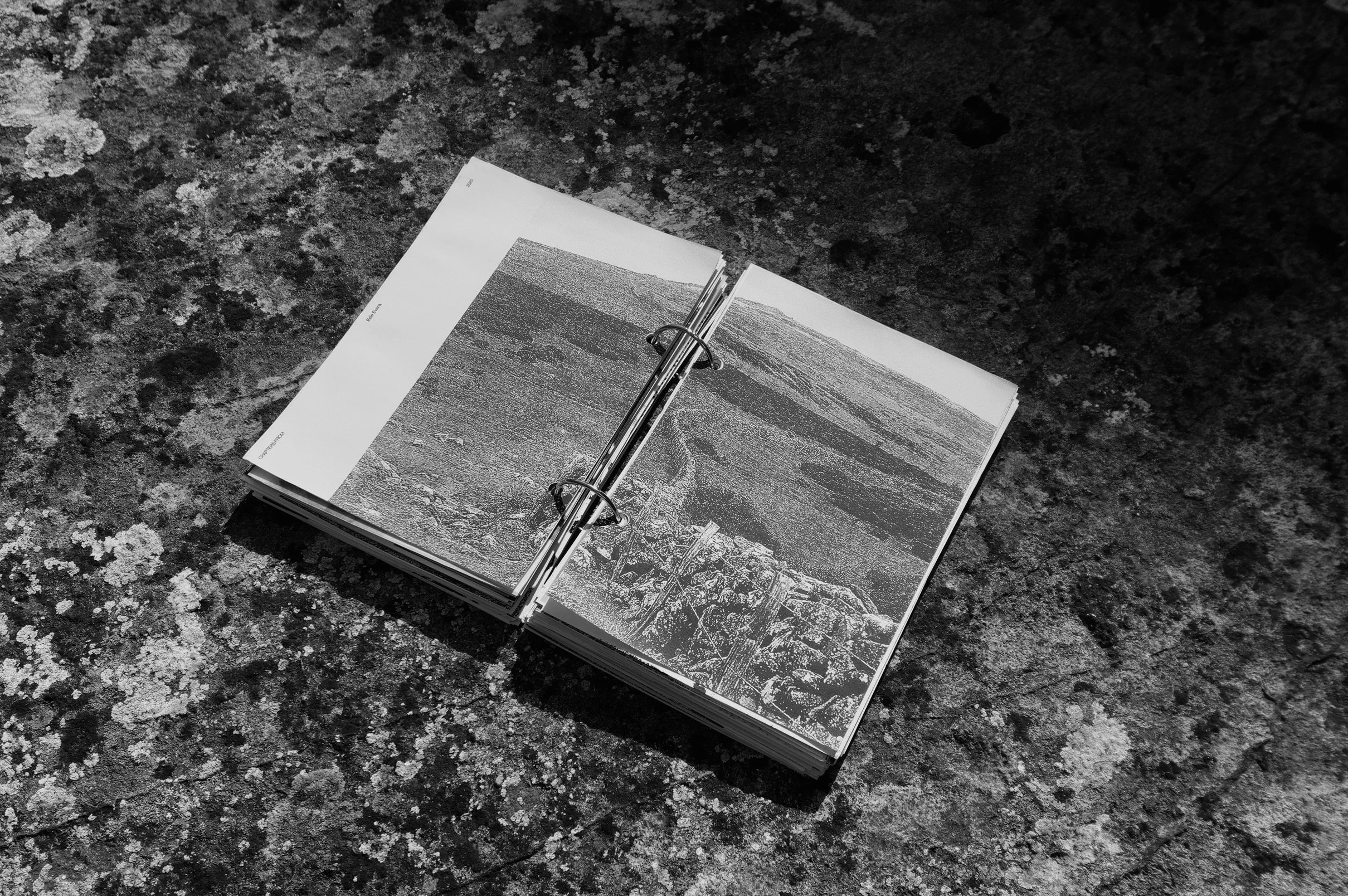
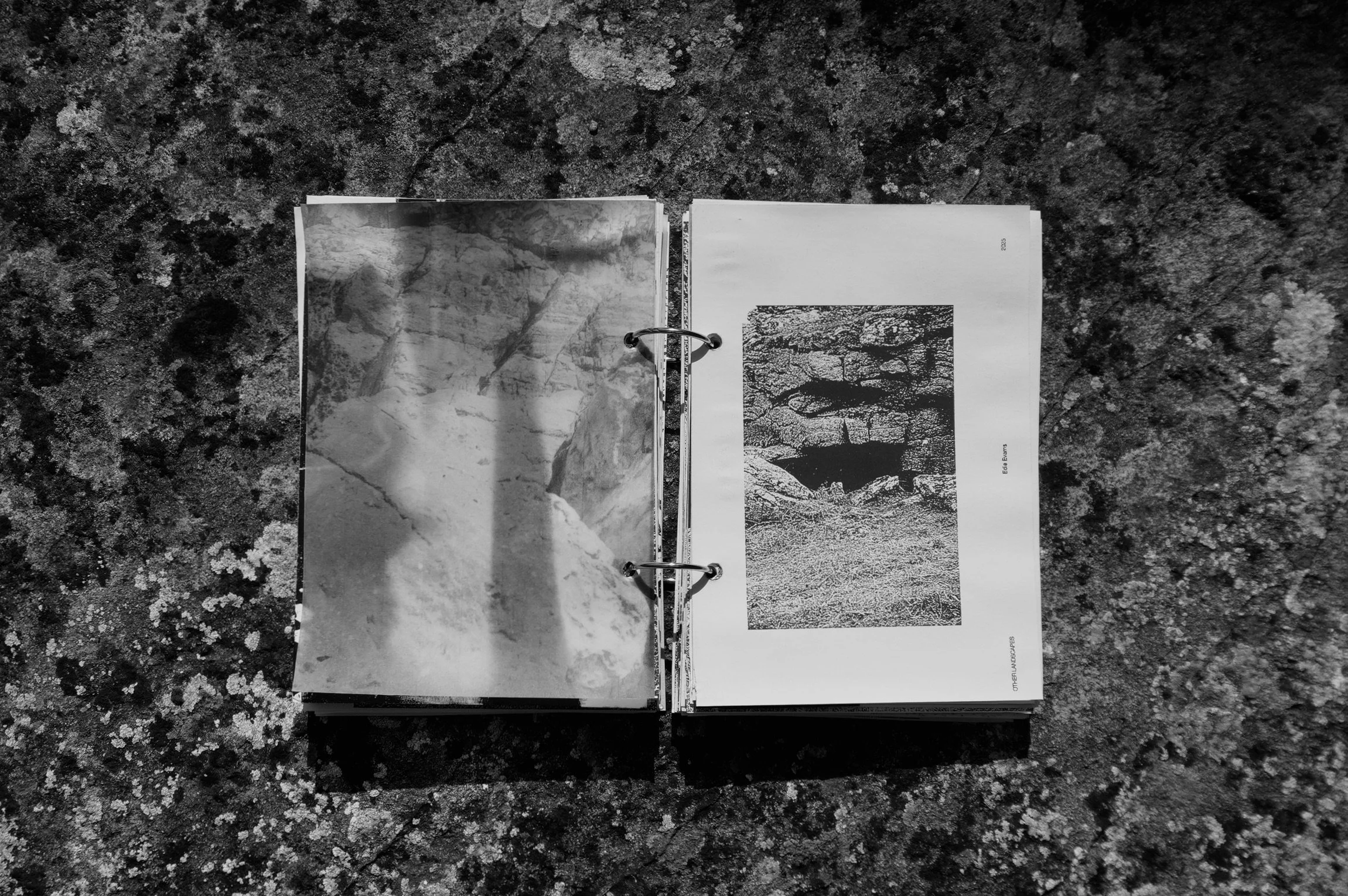
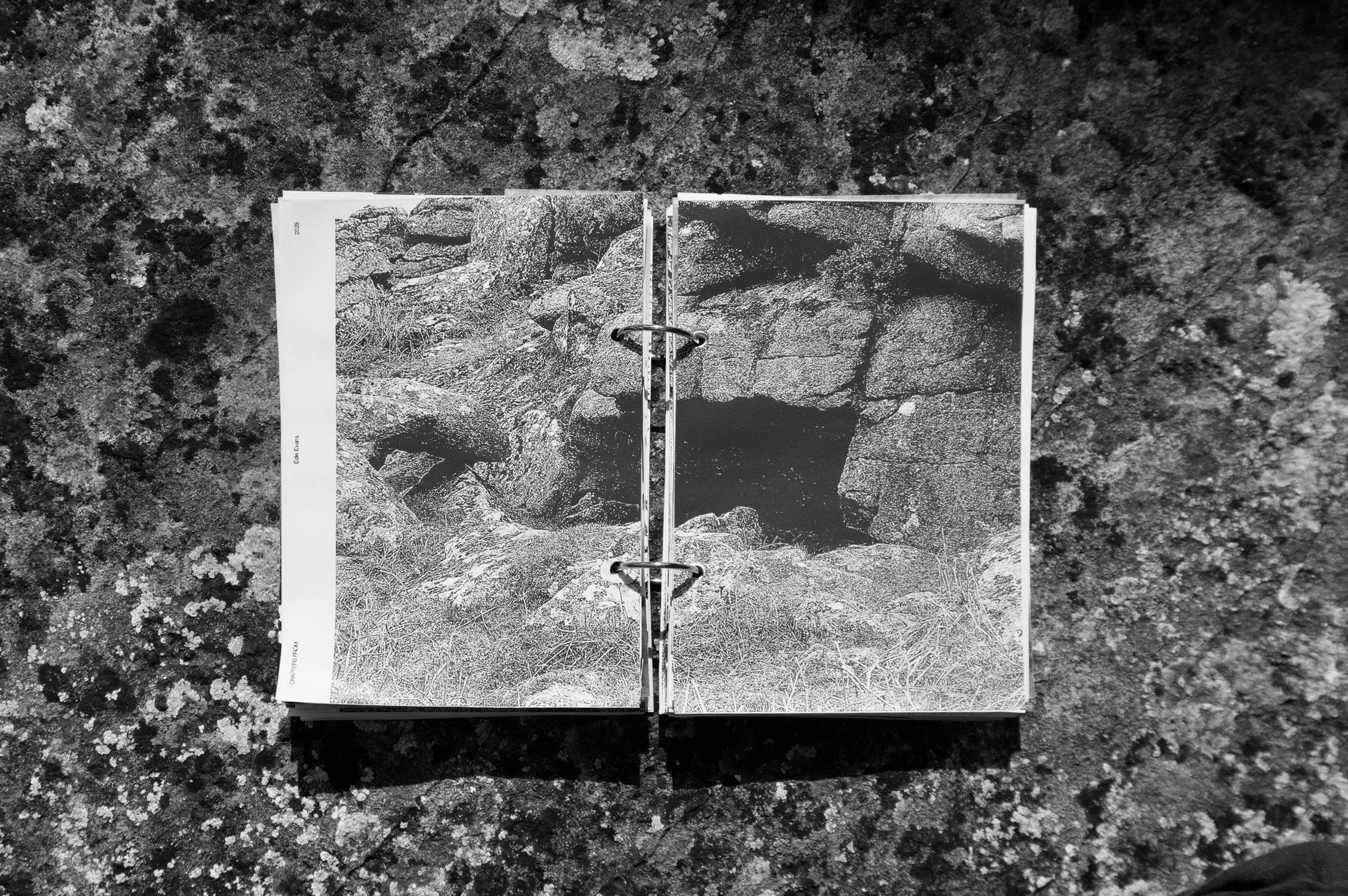
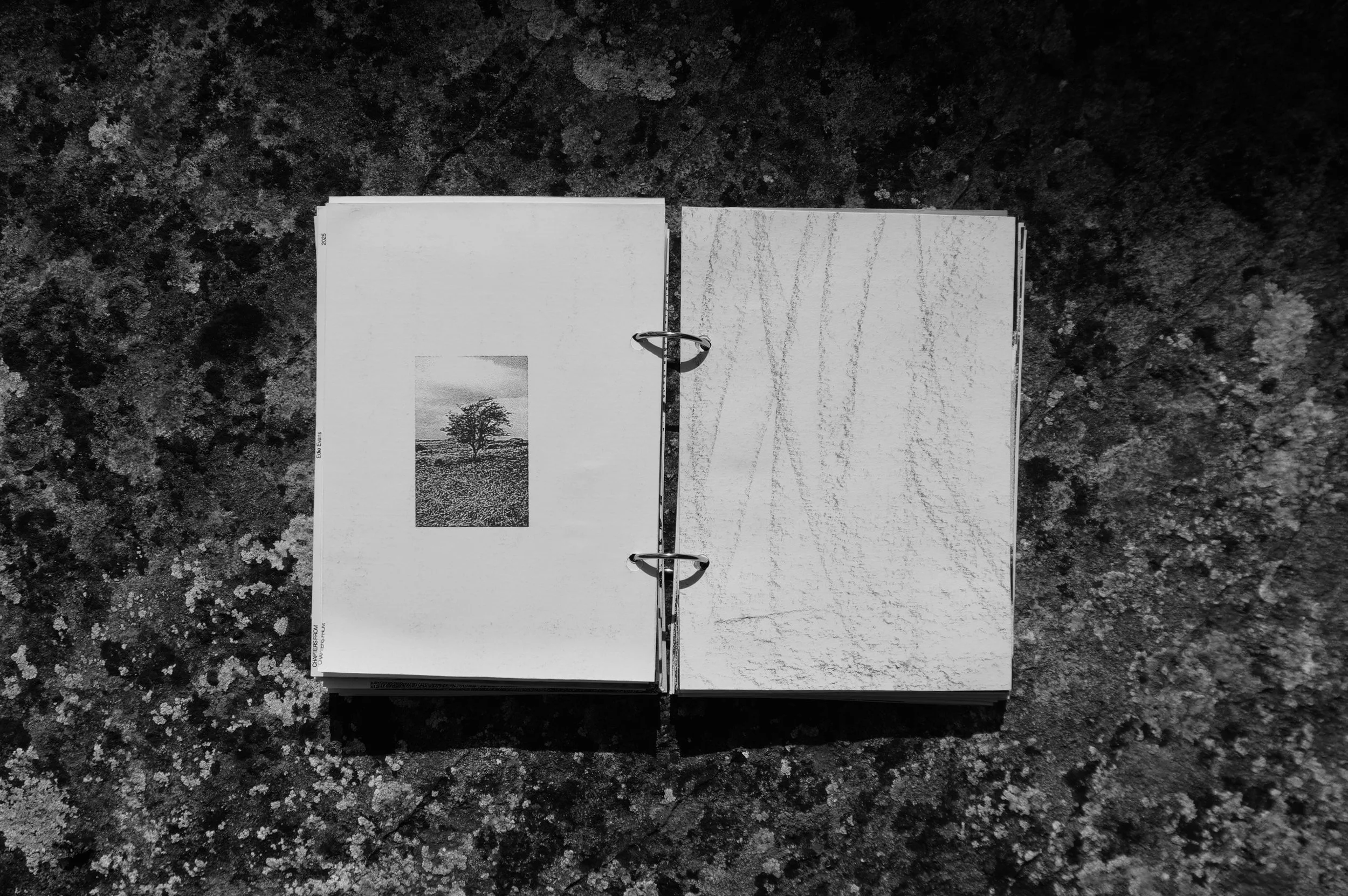
In May 2026, I undertook a two-week residency at Southcombe Barn, supported by Southcombe Barn and CassinelliMills. During this time, I developed Chapters From Other Landscapes, an evolving body of research and making rooted in walking, material gathering, and close observation of Dartmoor and the surrounding landscape.
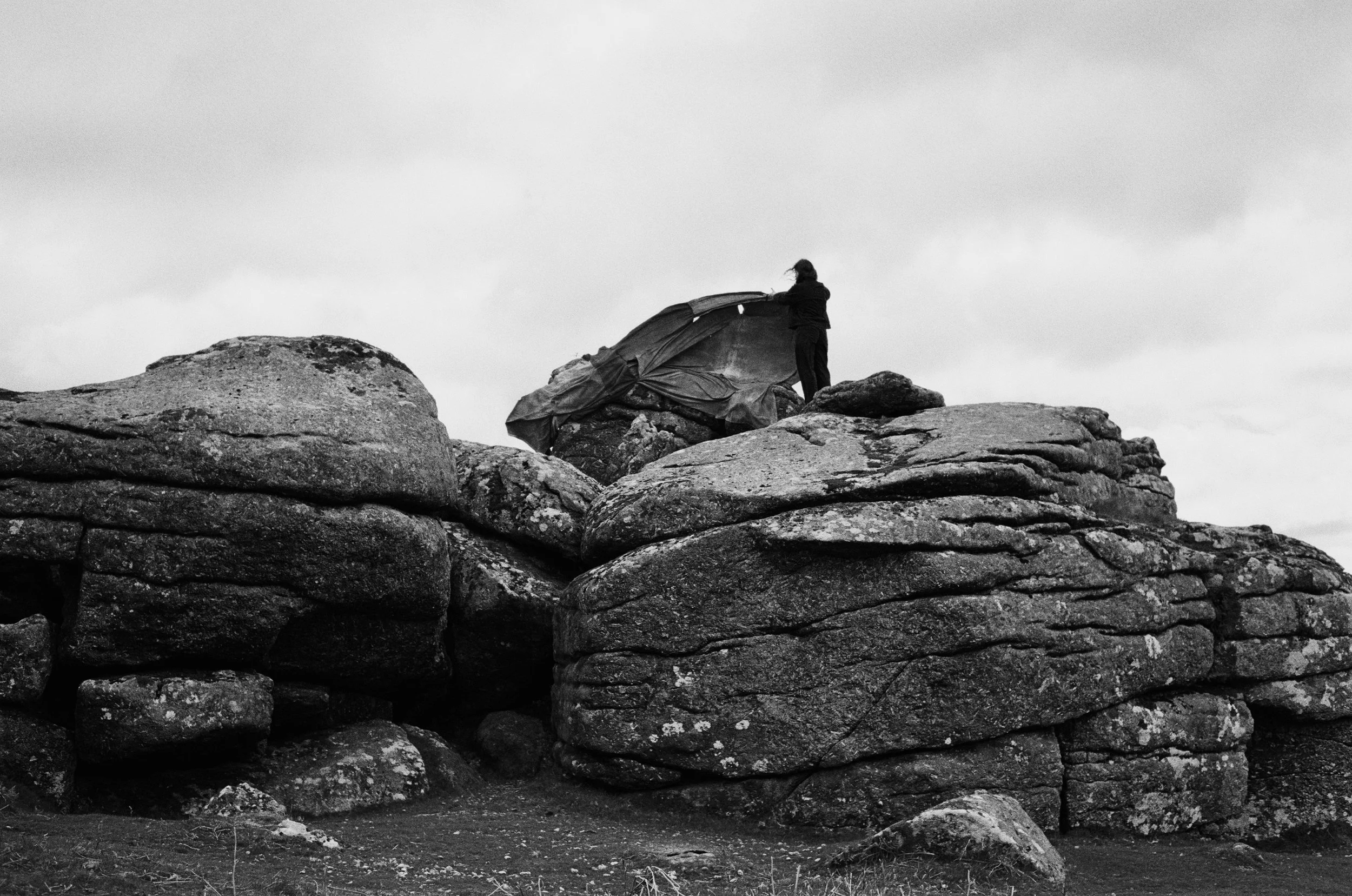
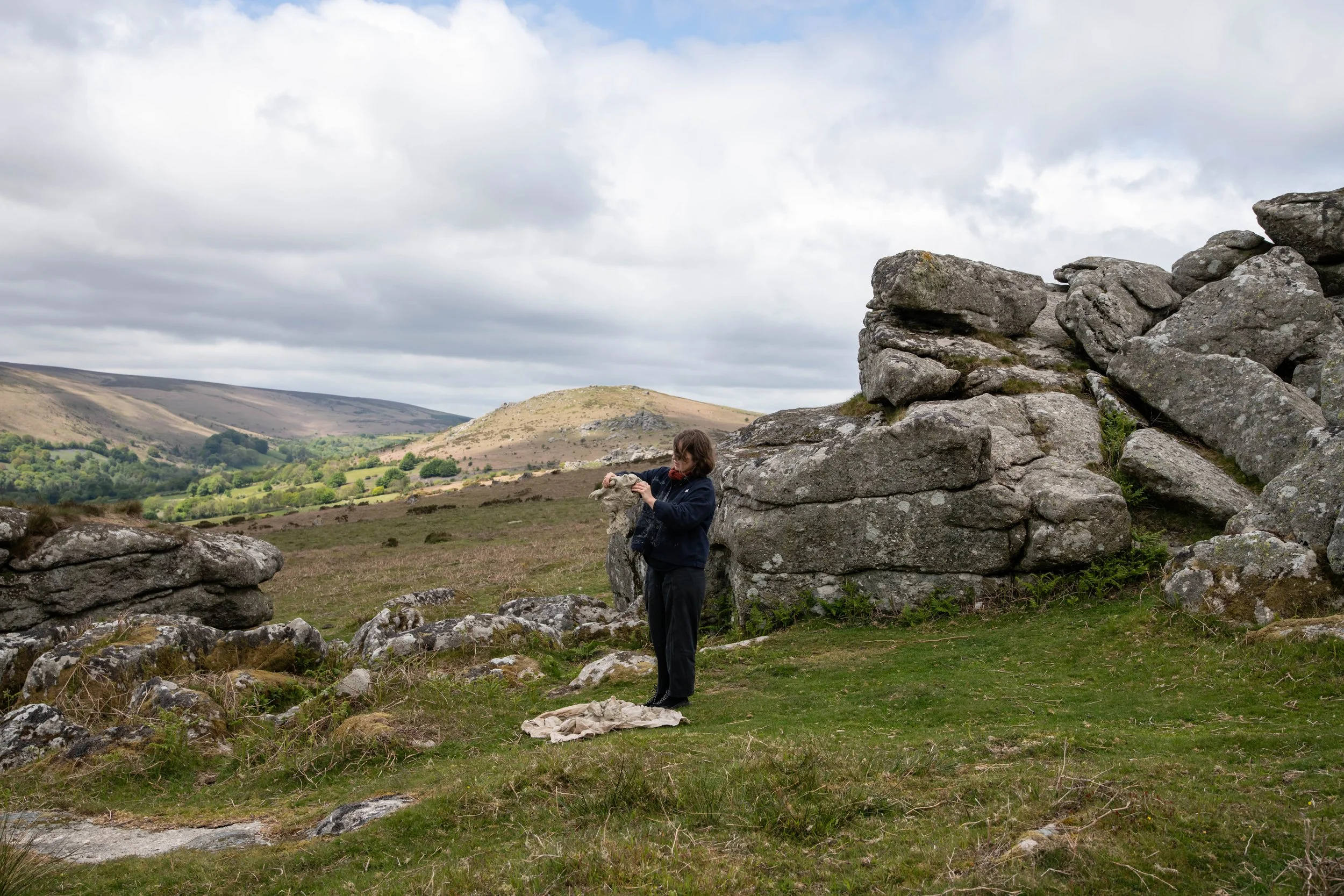
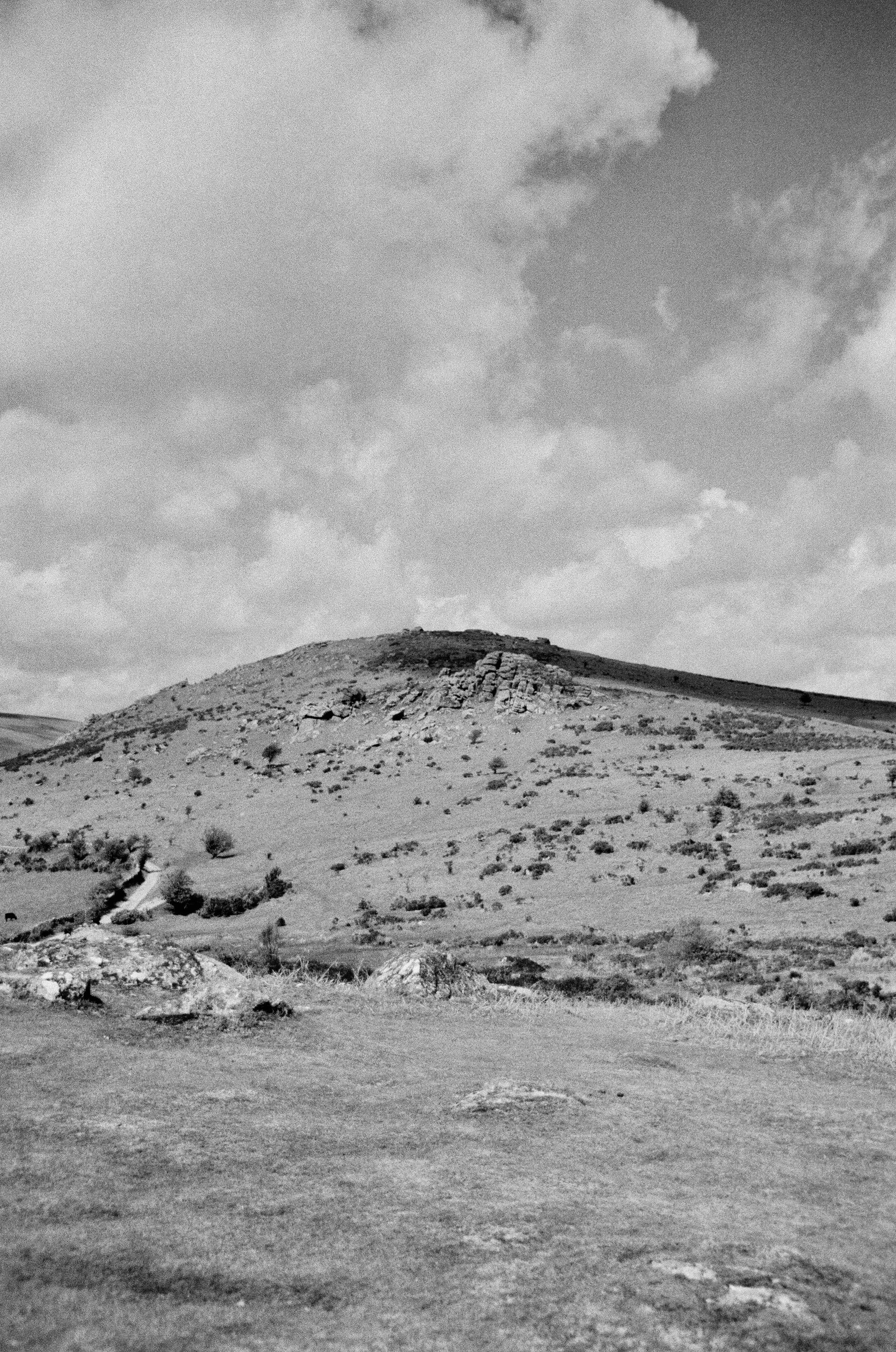
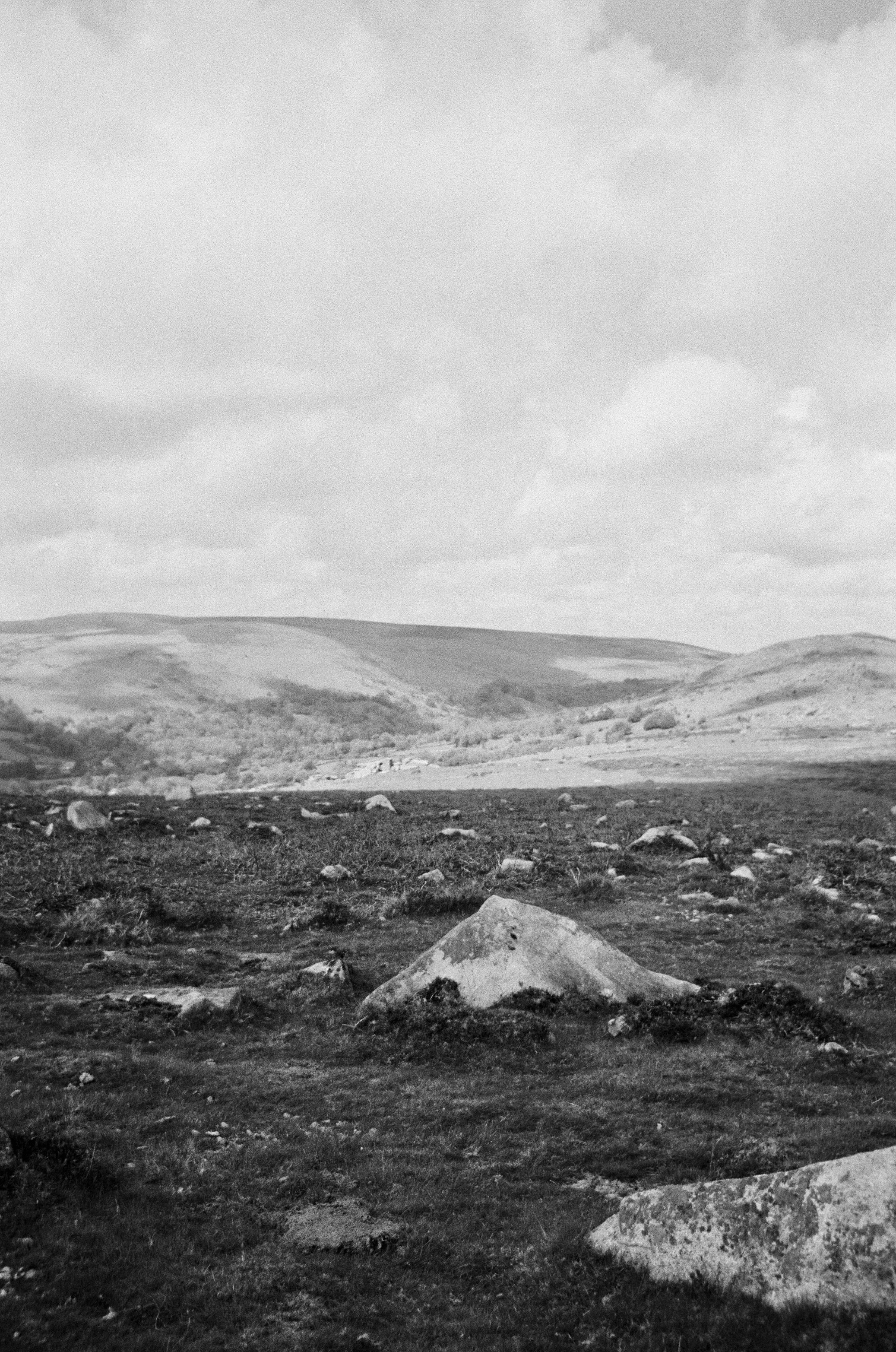
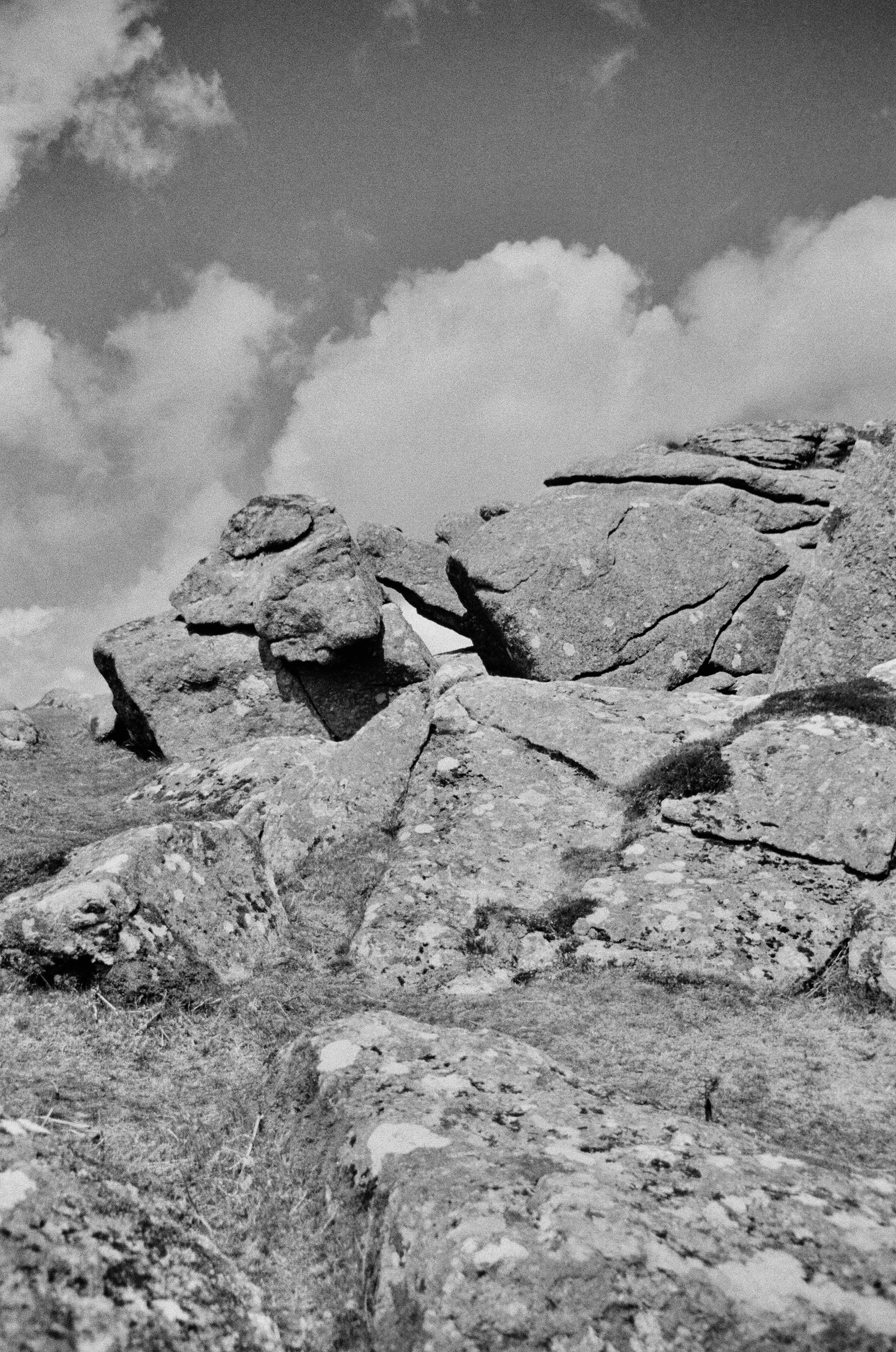
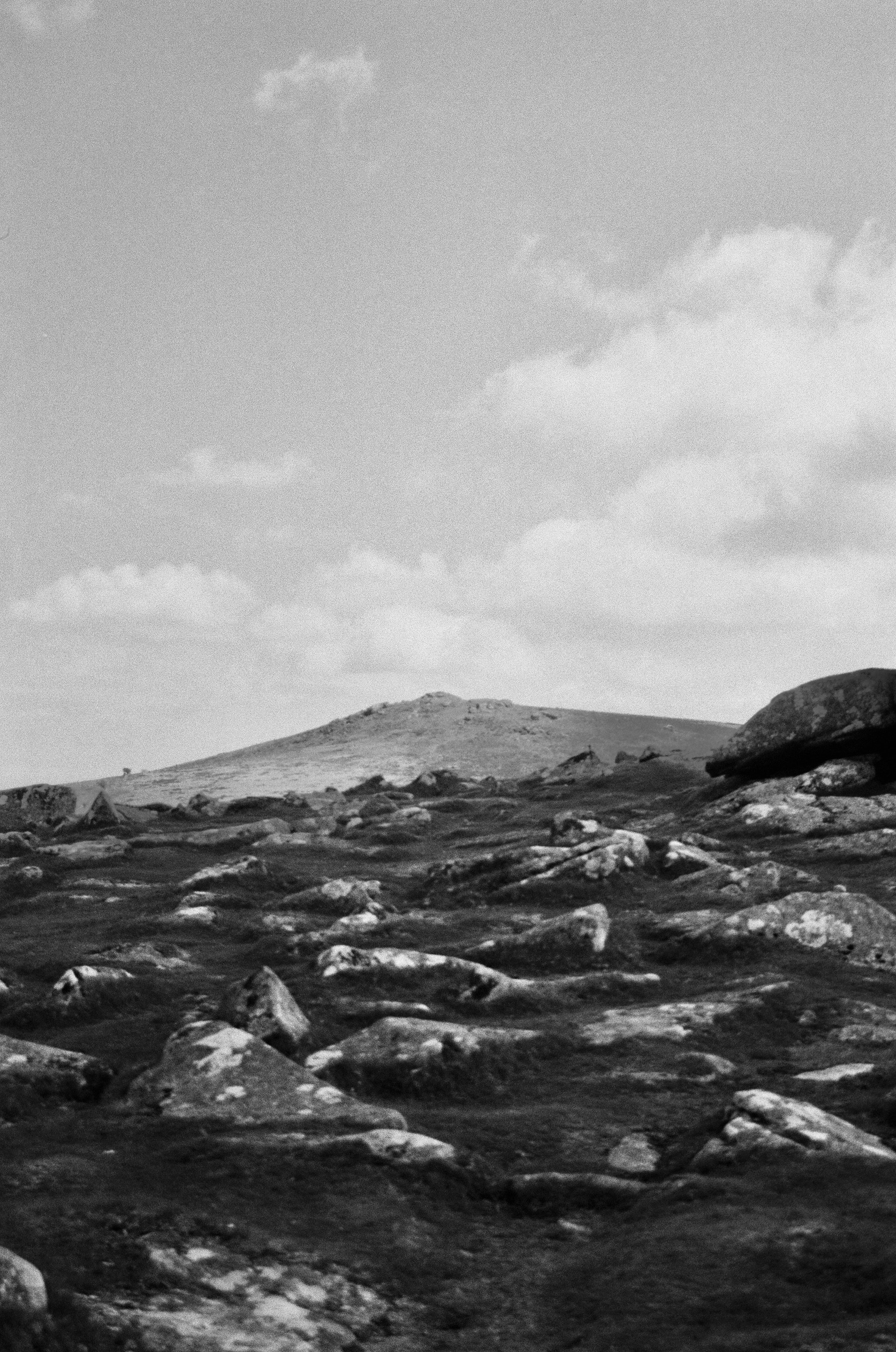
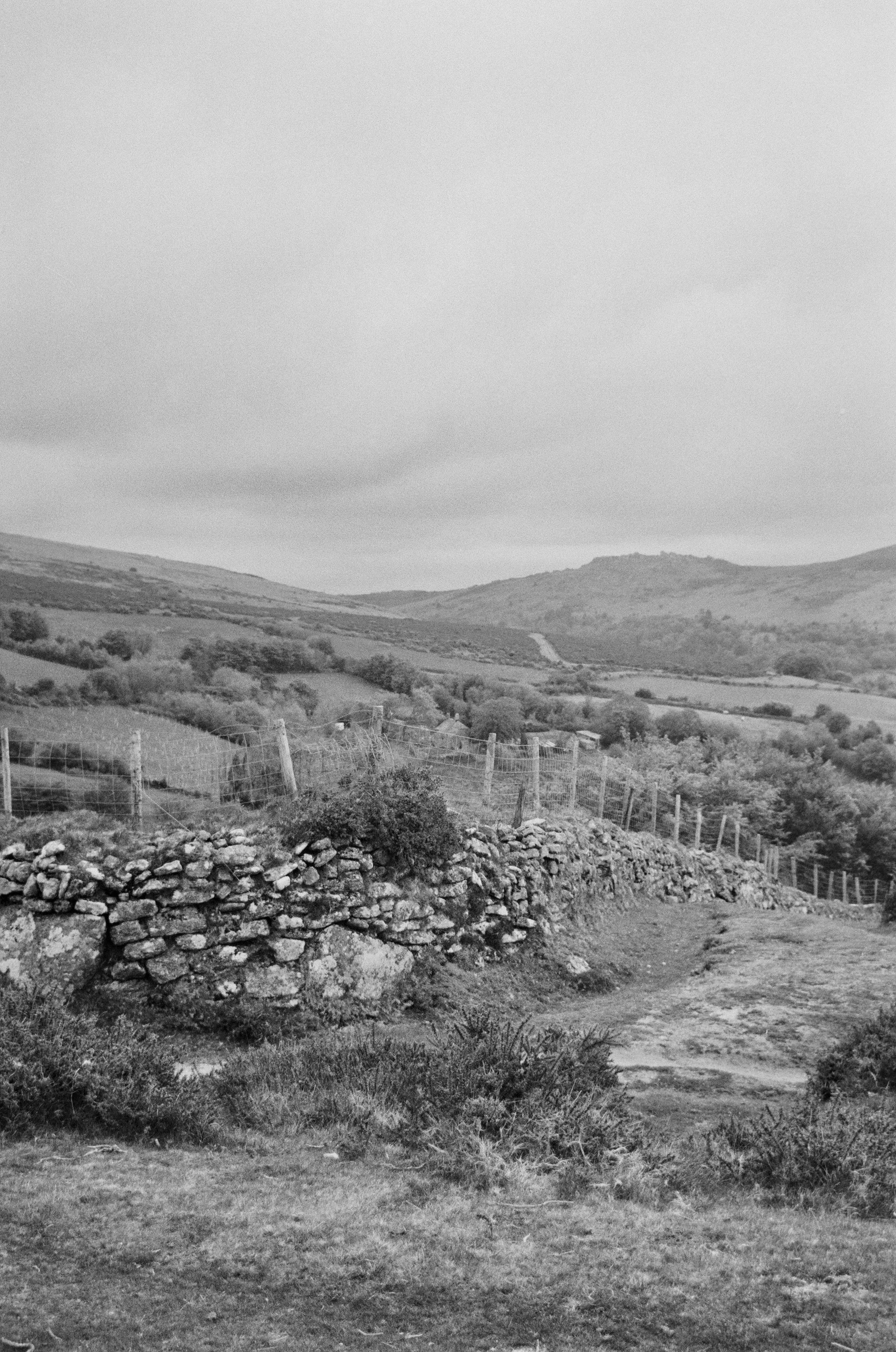
The residency became a way of learning a place slowly through movement and touch. Much of the research emerged through repeated walks across Dartmoor, following traces of erosion, exposed earth, shifting weather systems, and deposits of local white clay embedded within the landscape. I became interested in the idea of landscape as something that could be read almost like a fragmented text — holding memory, pressure, absence, and geological time within its surface. The title Chapters From Other Landscapes came from this way of thinking: fragments gathered through walking, each encounter becoming a partial record or chapter shaped by material, atmosphere, and embodied experience.
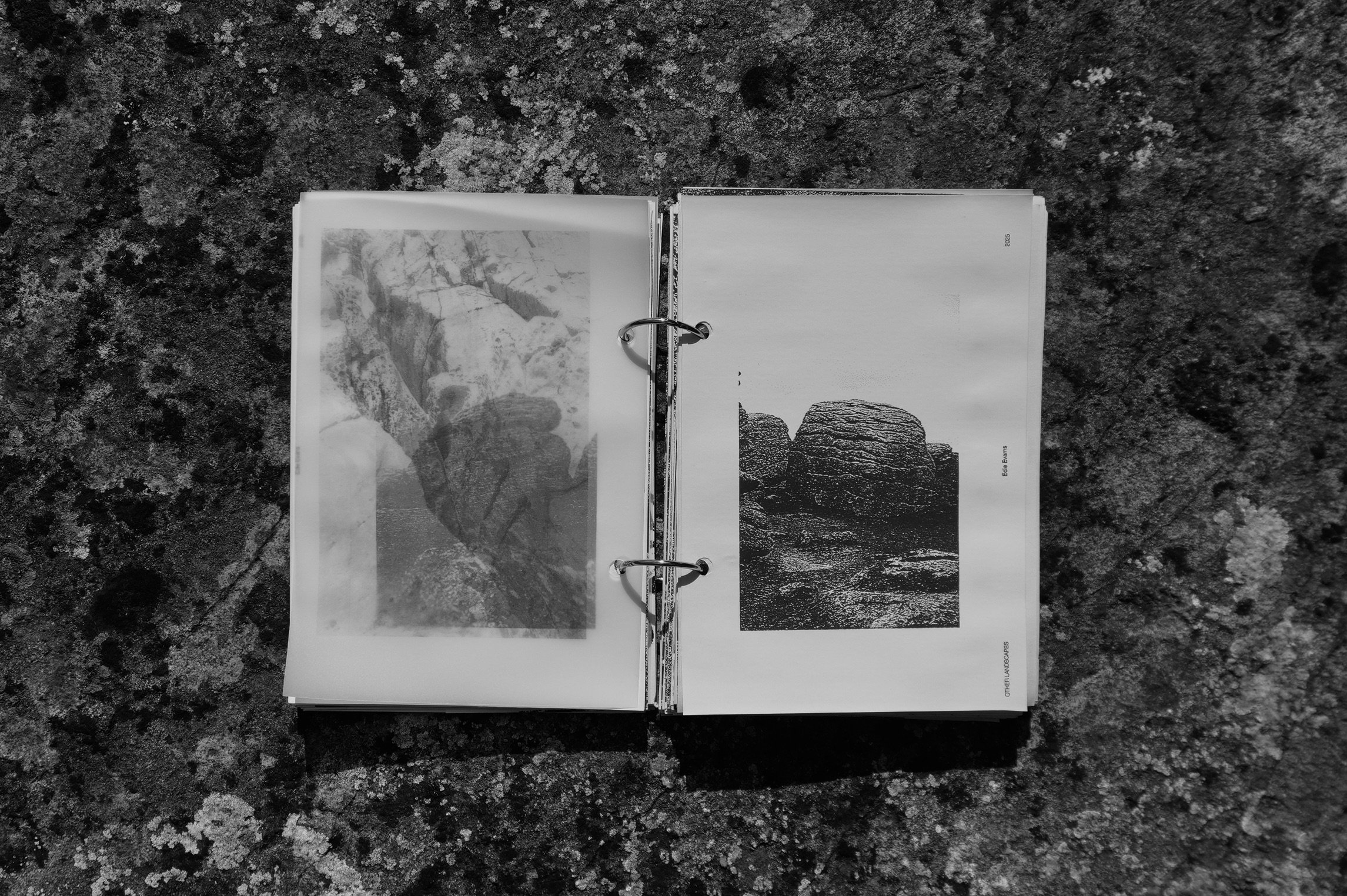
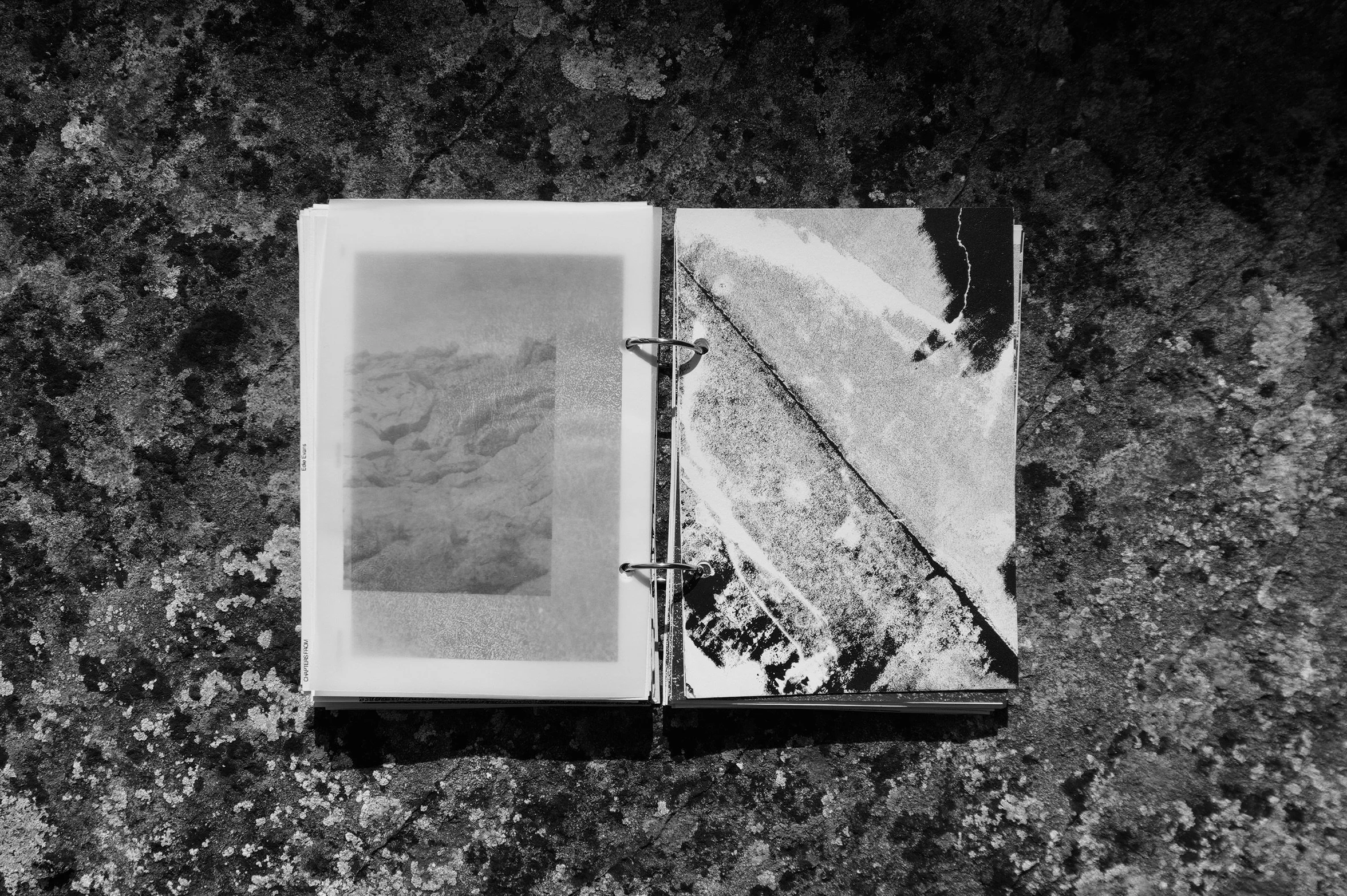
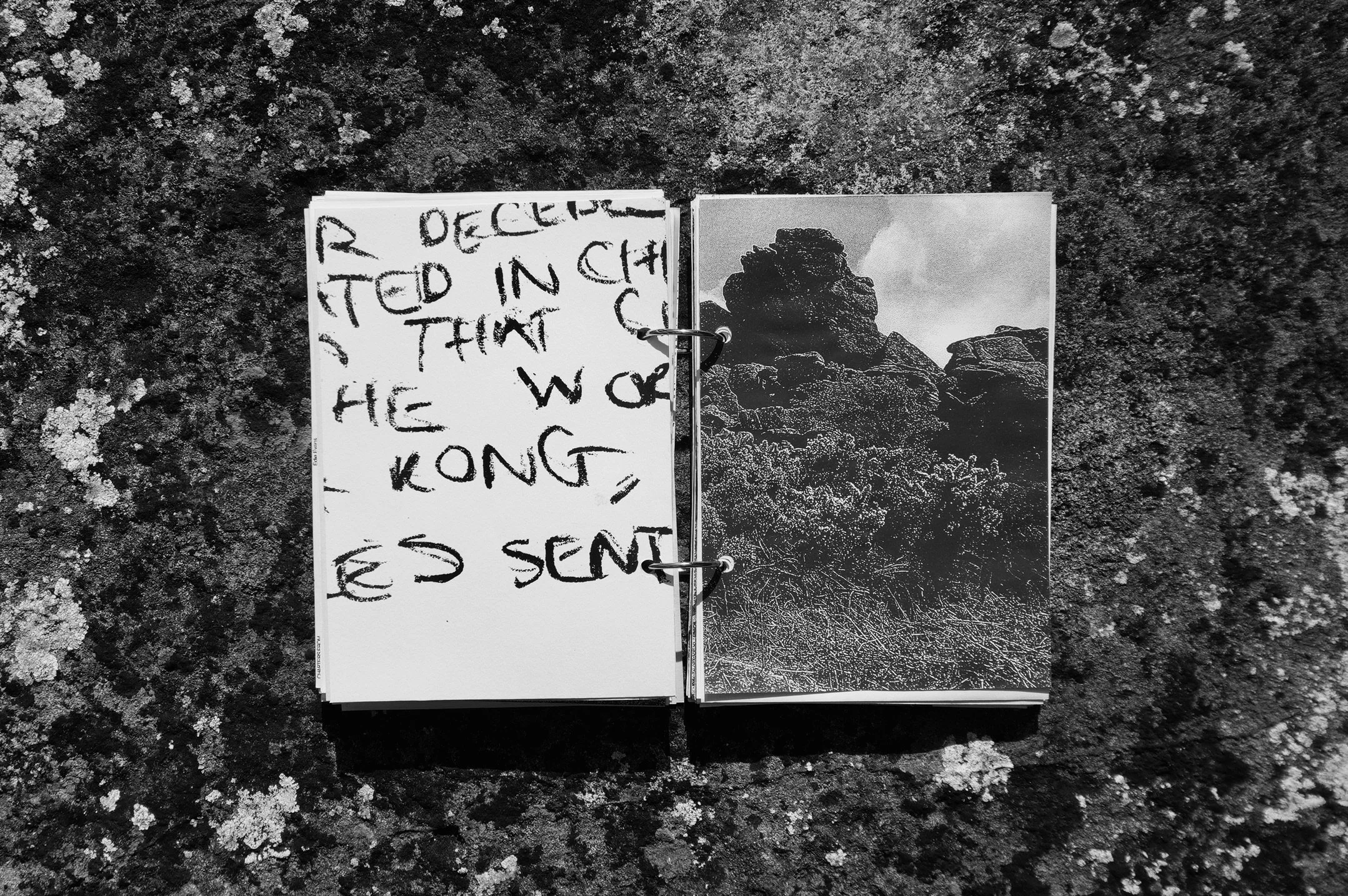
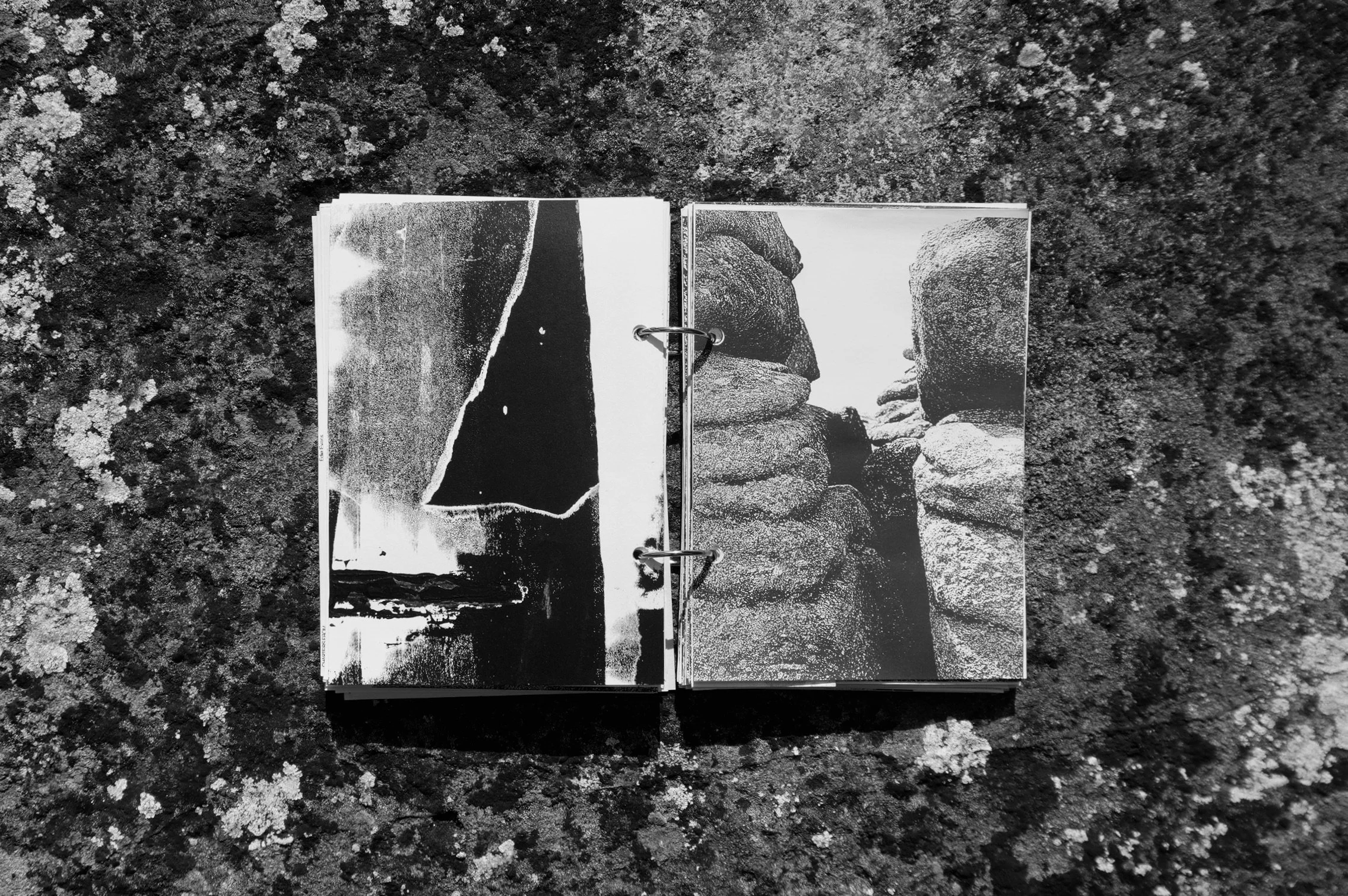
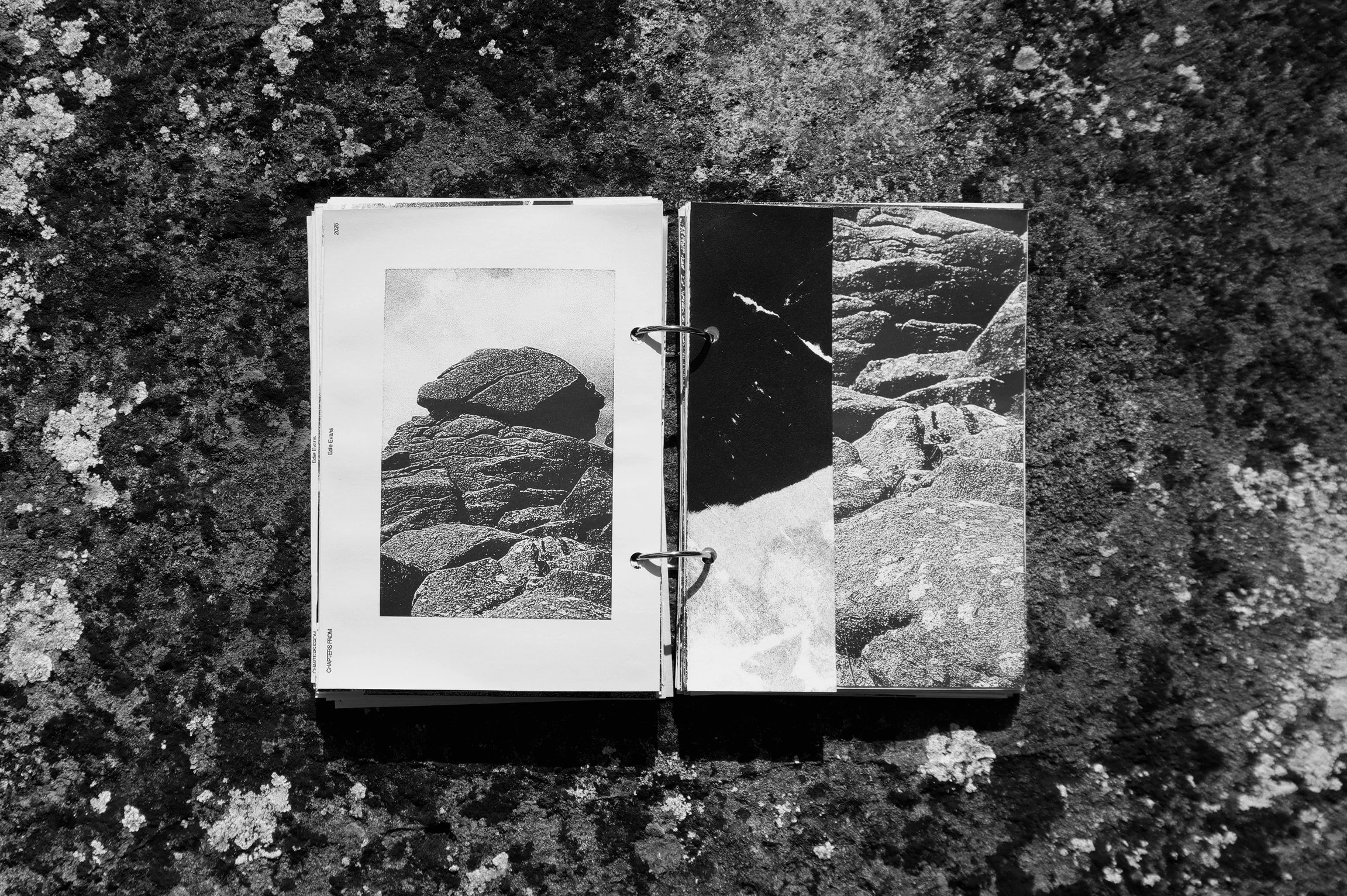
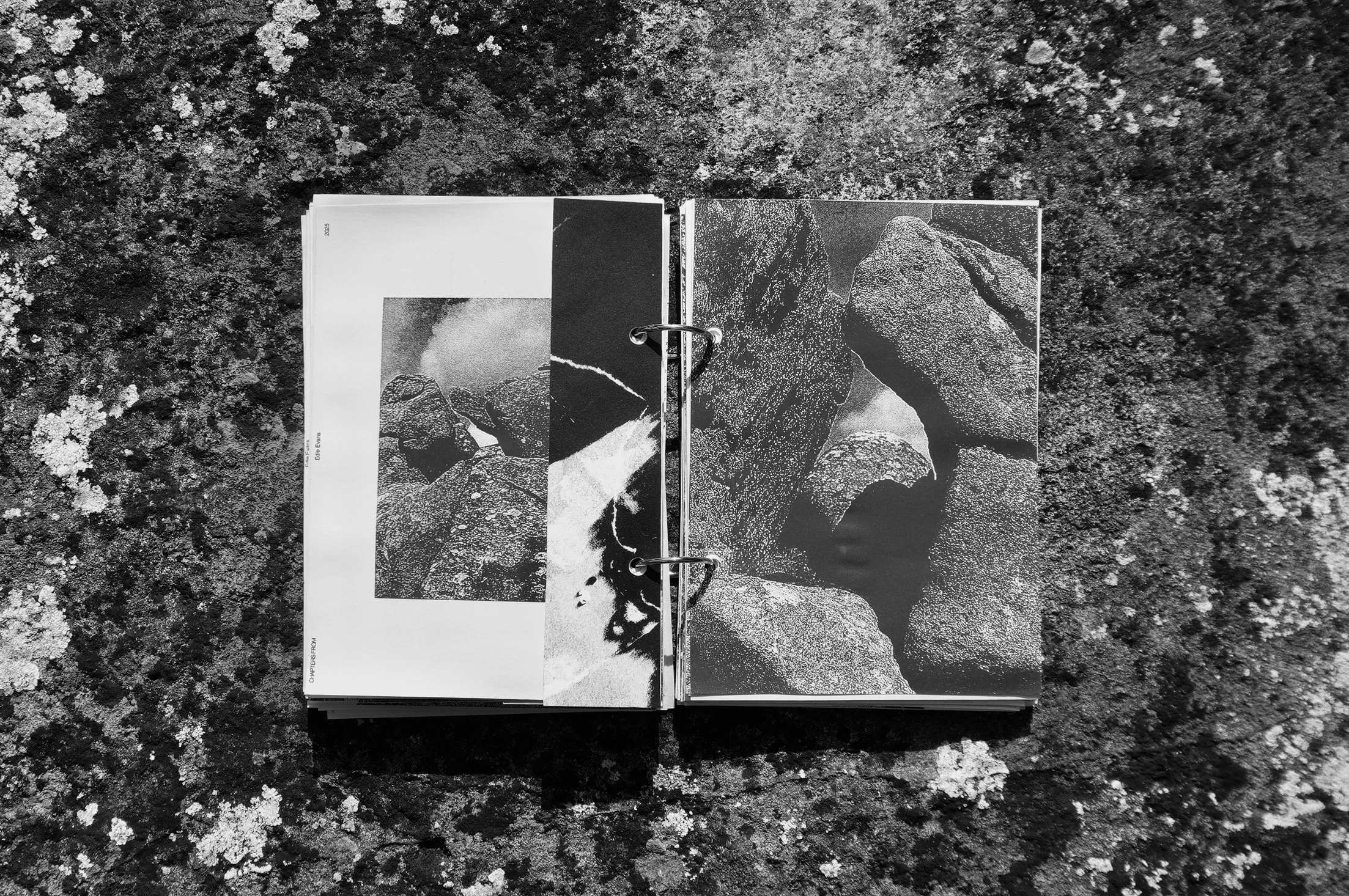
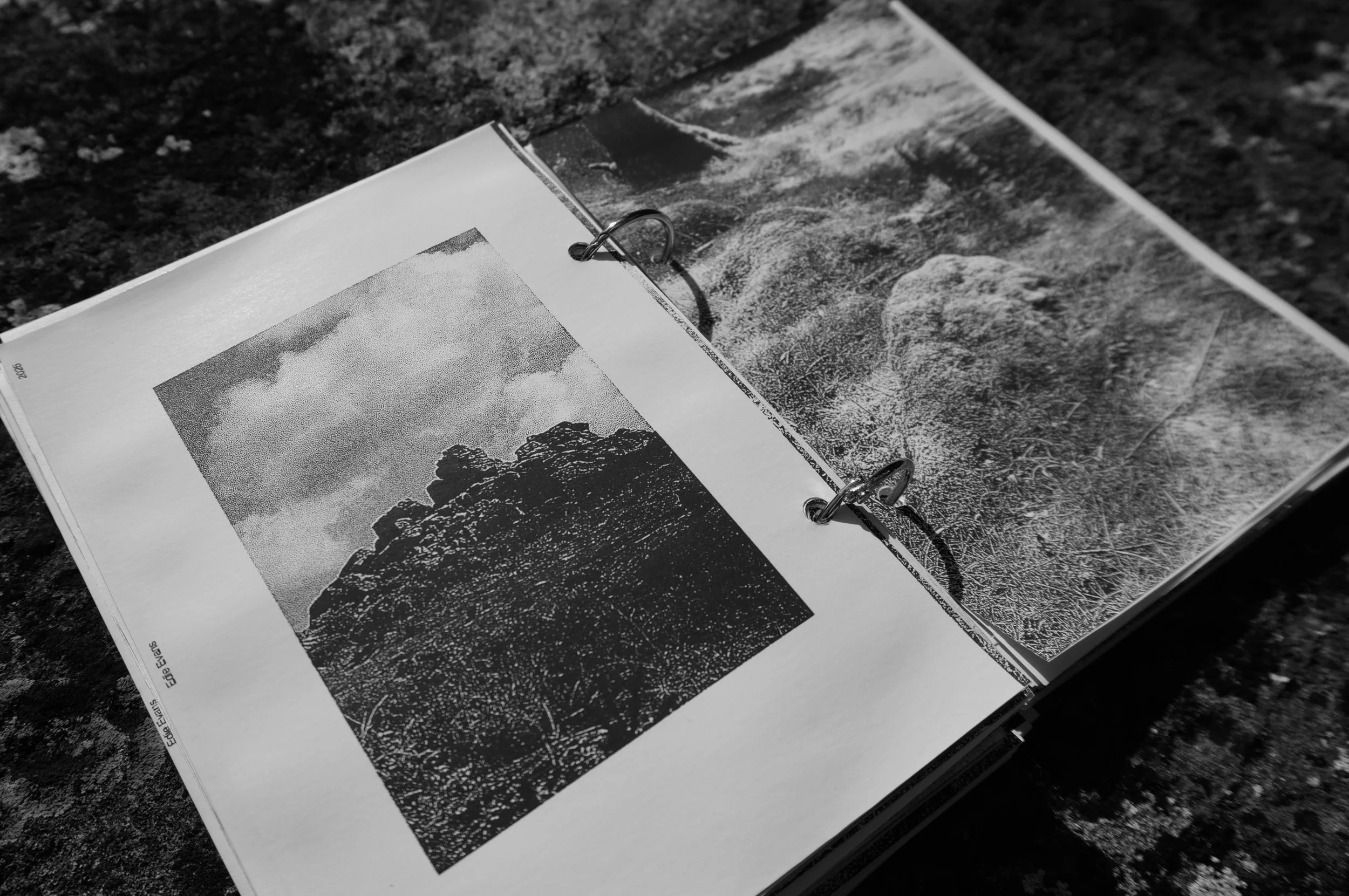
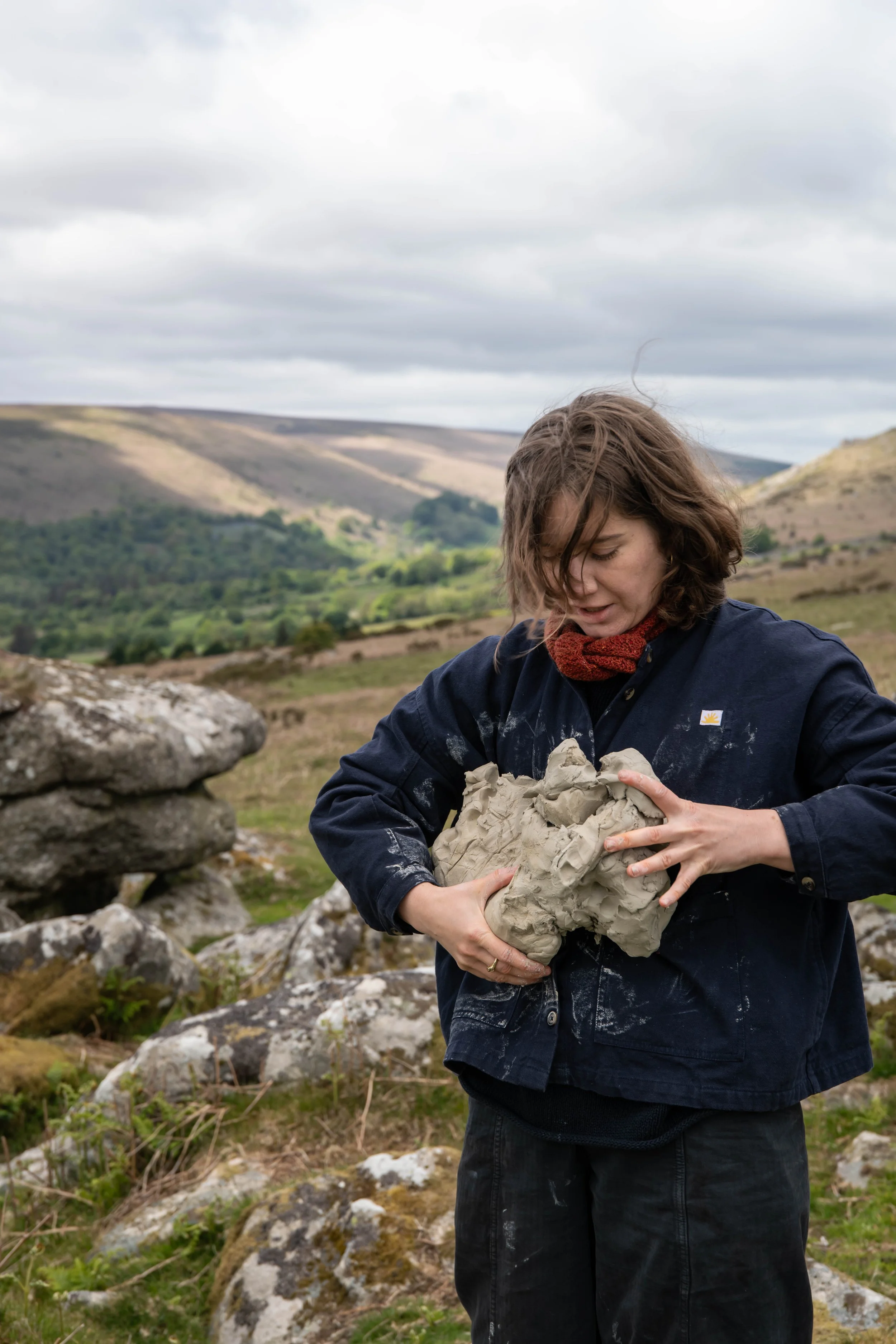
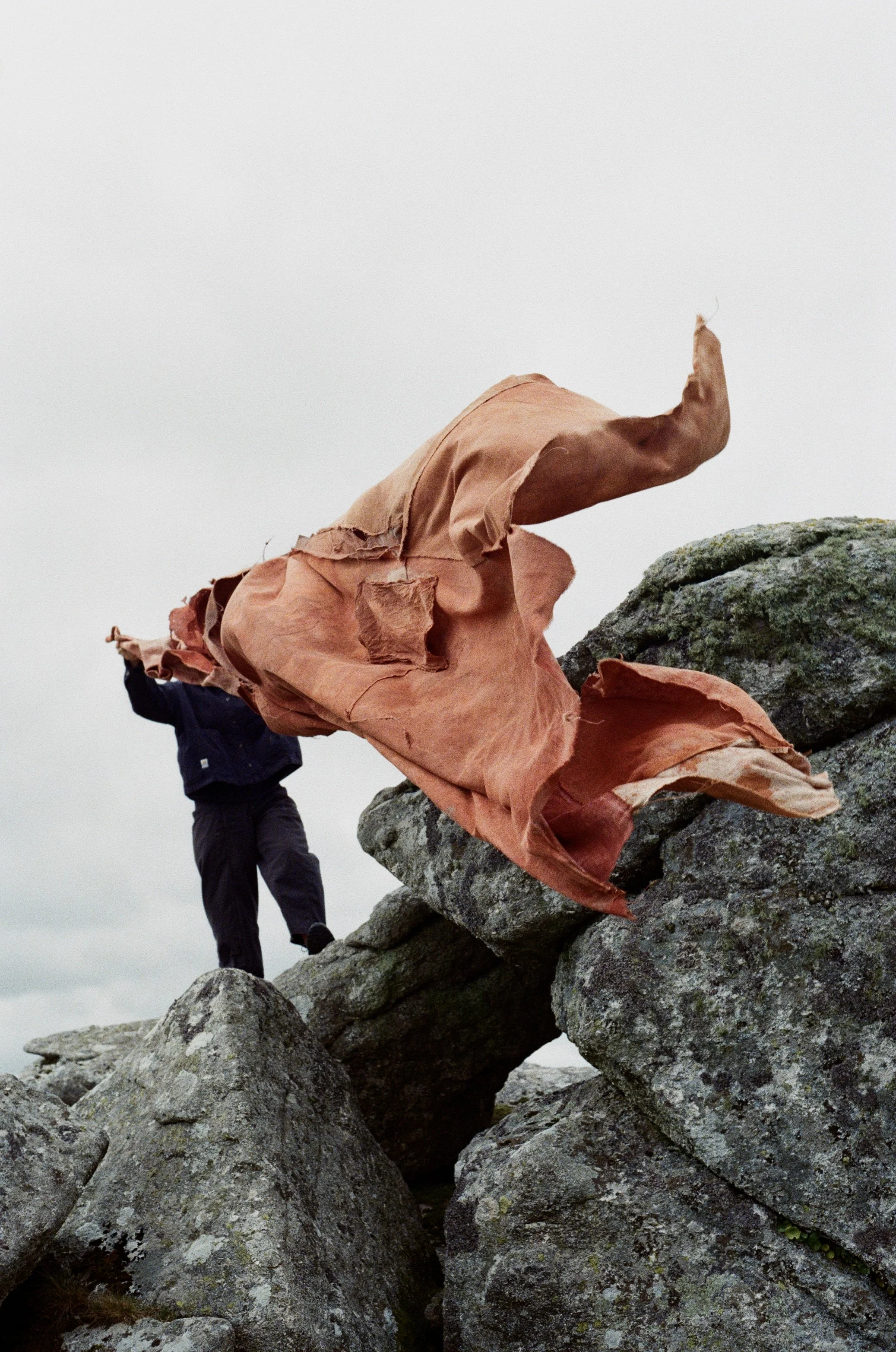
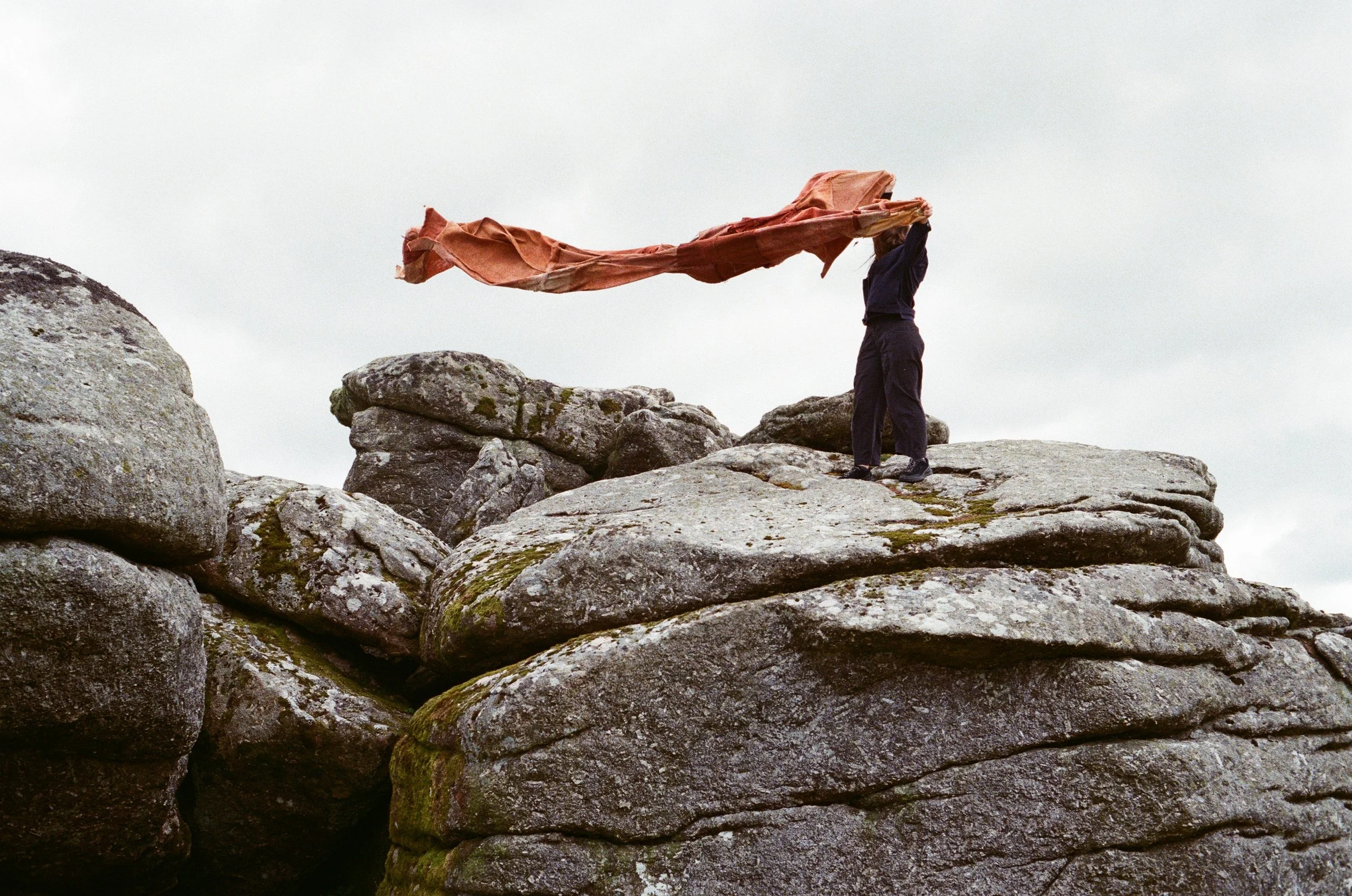
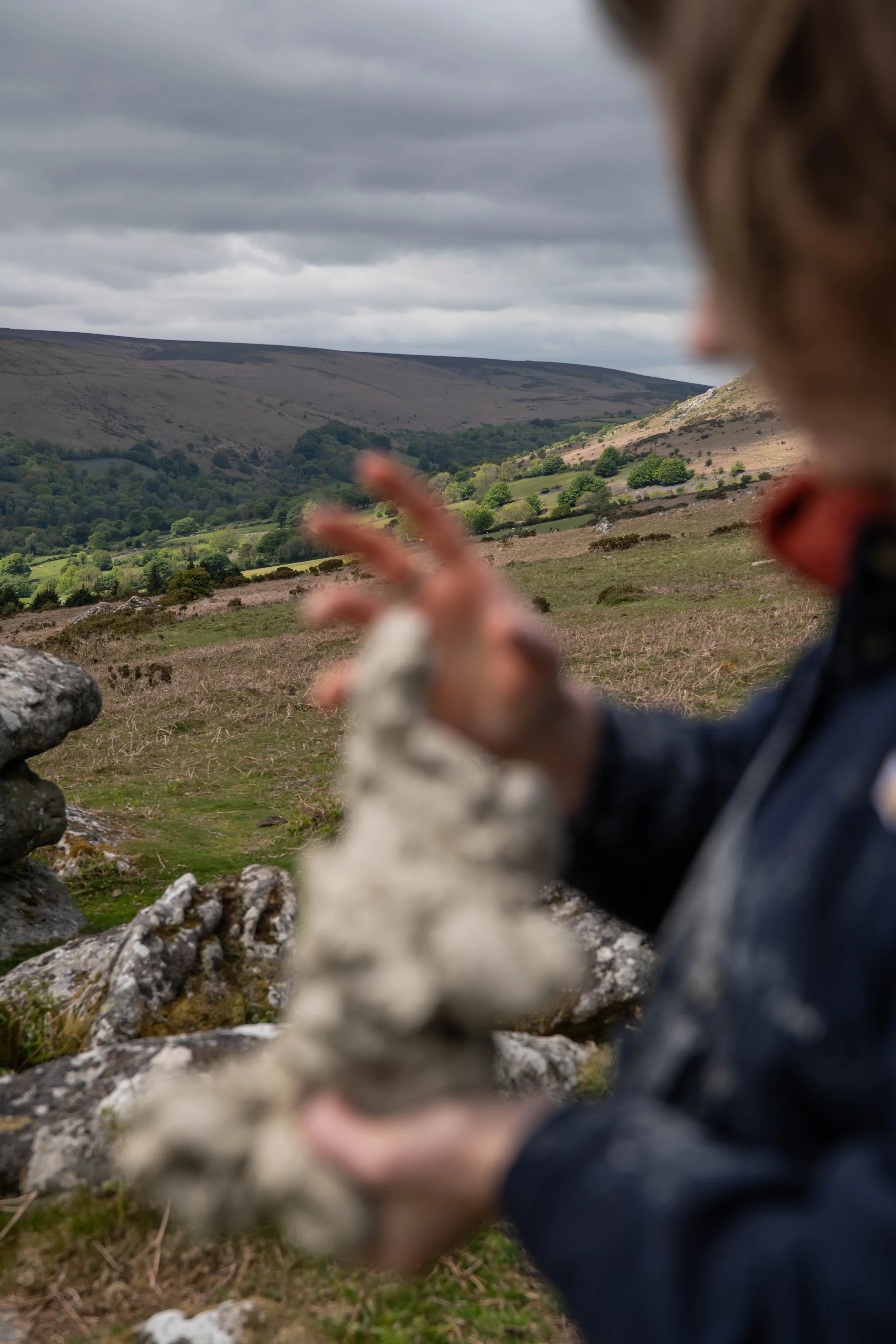
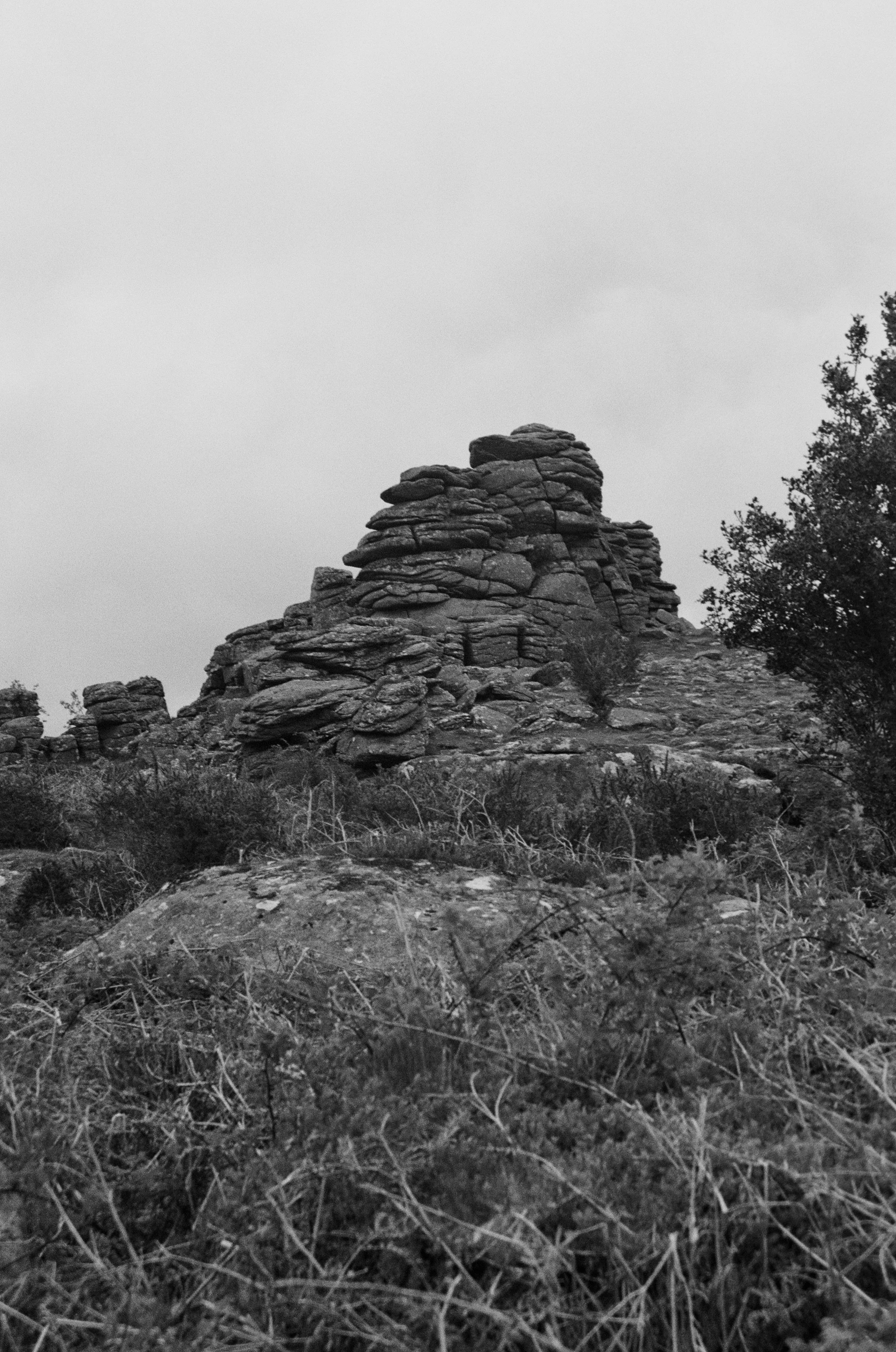
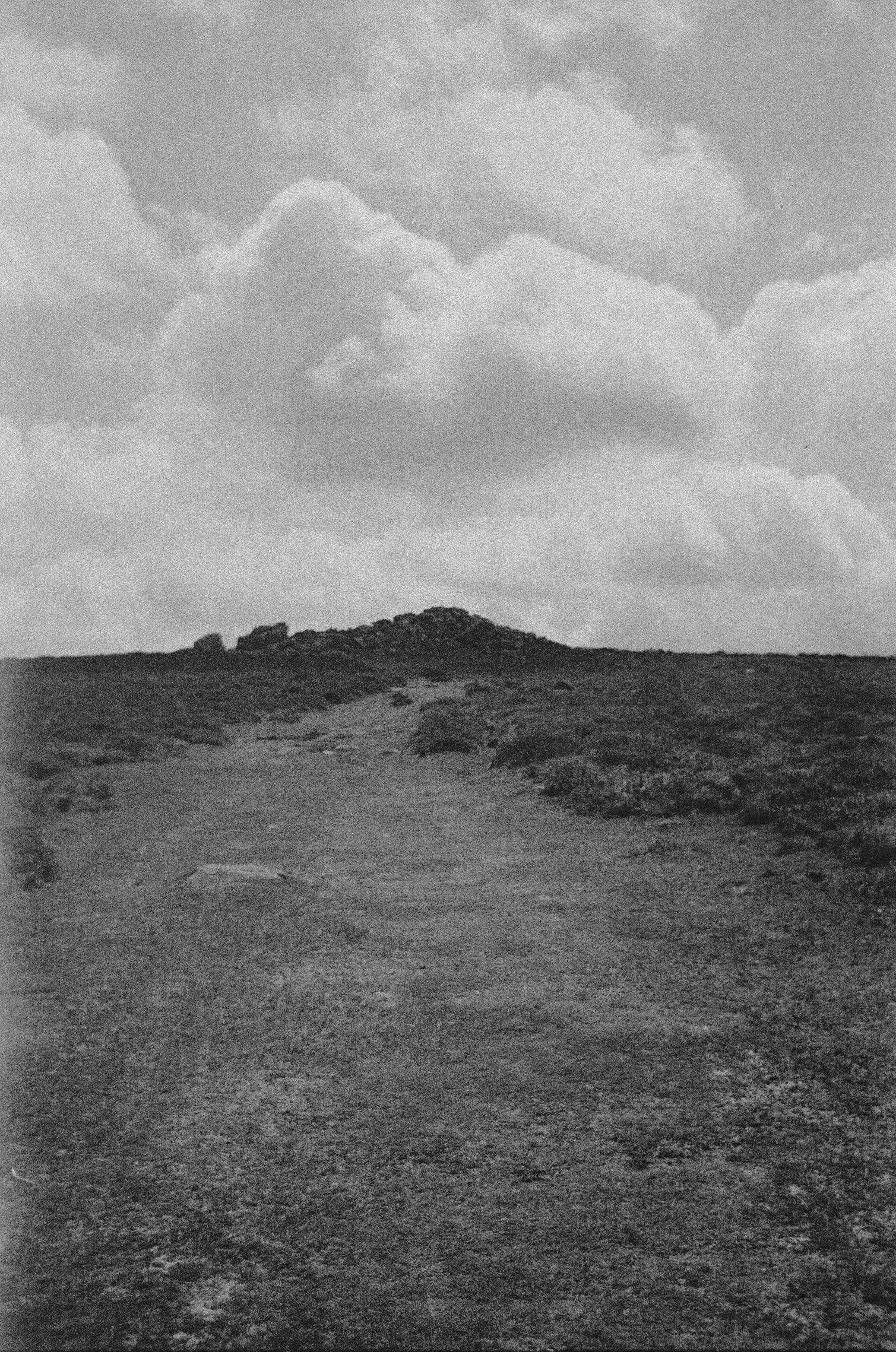
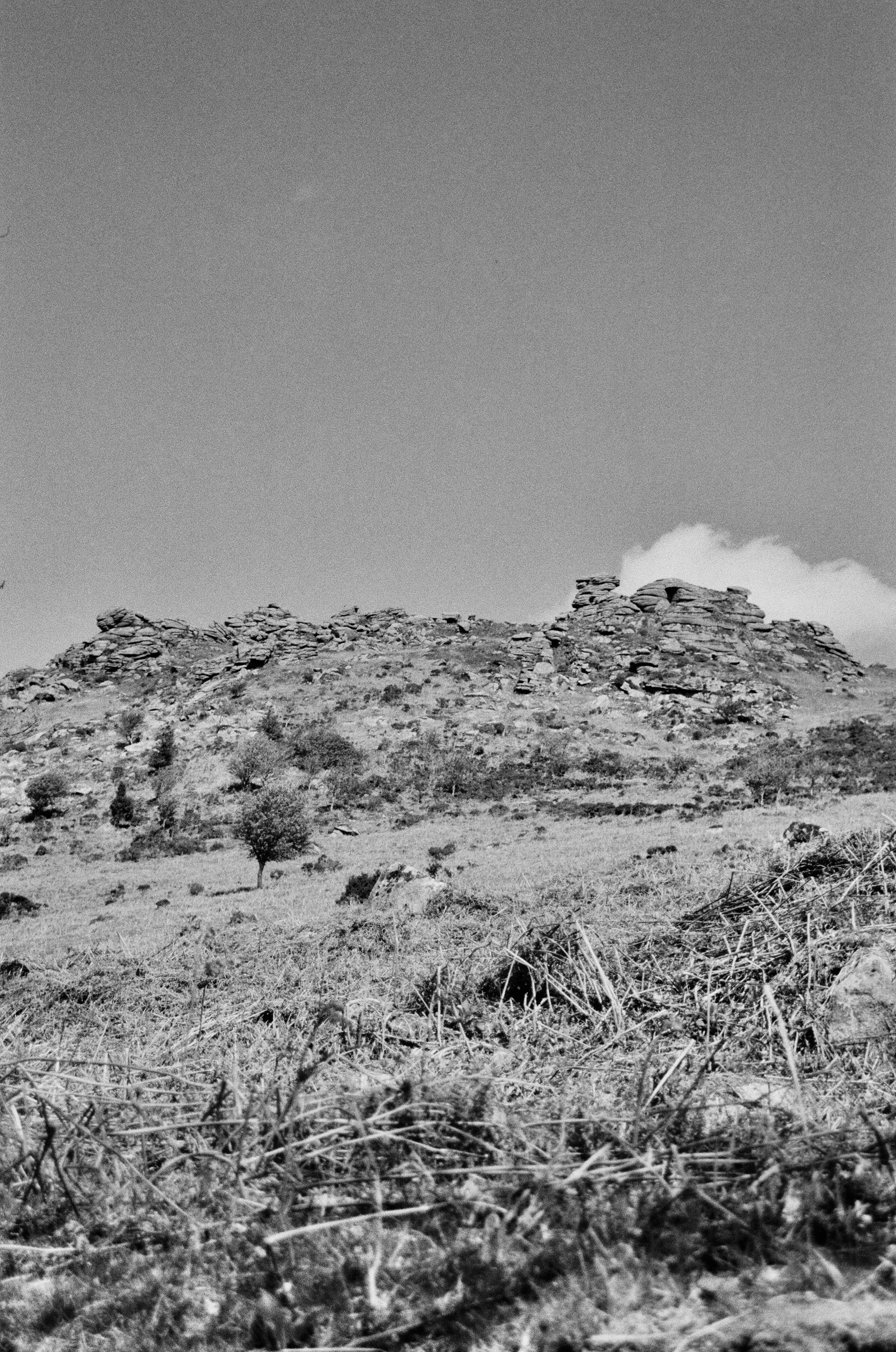
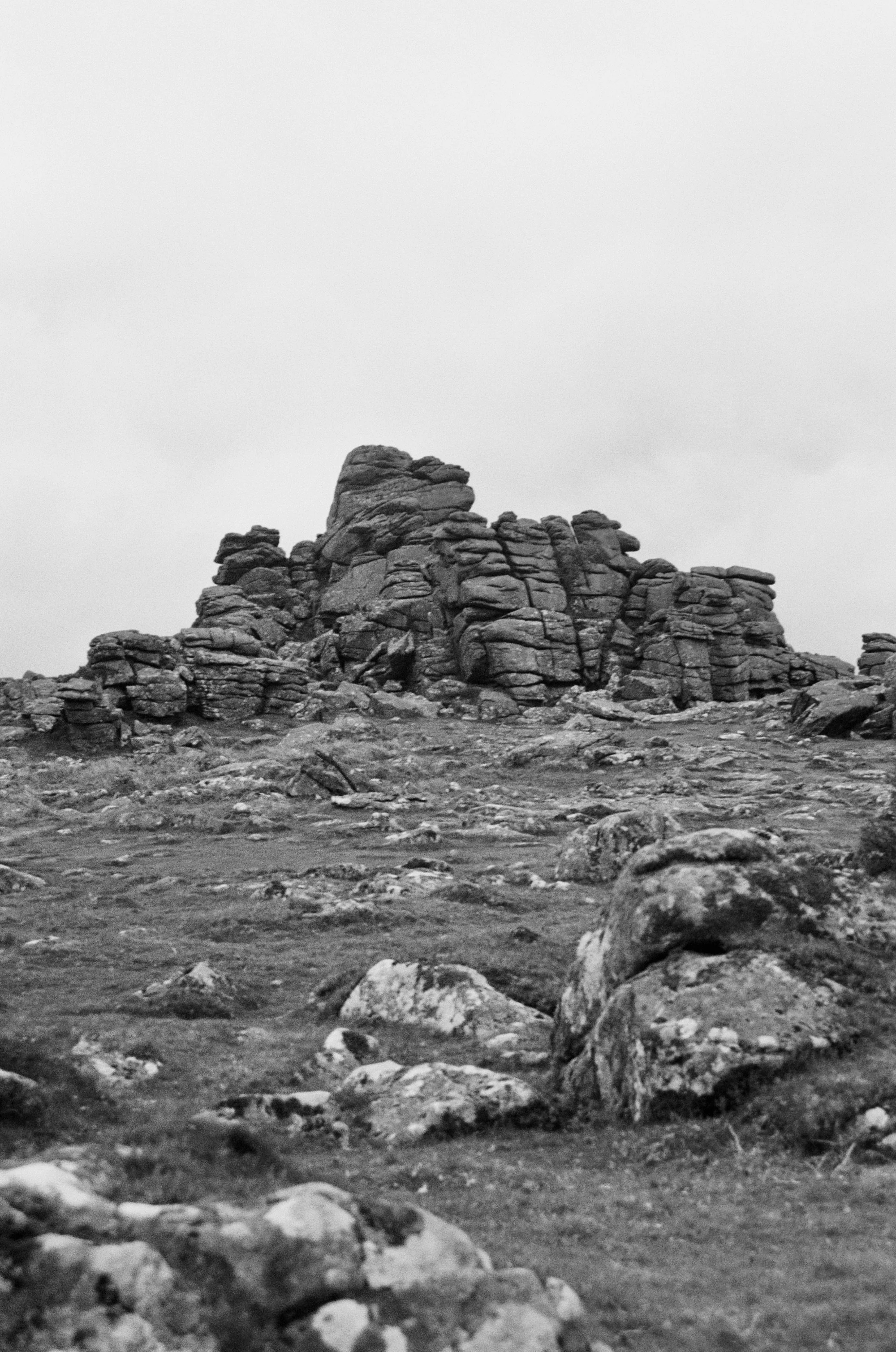
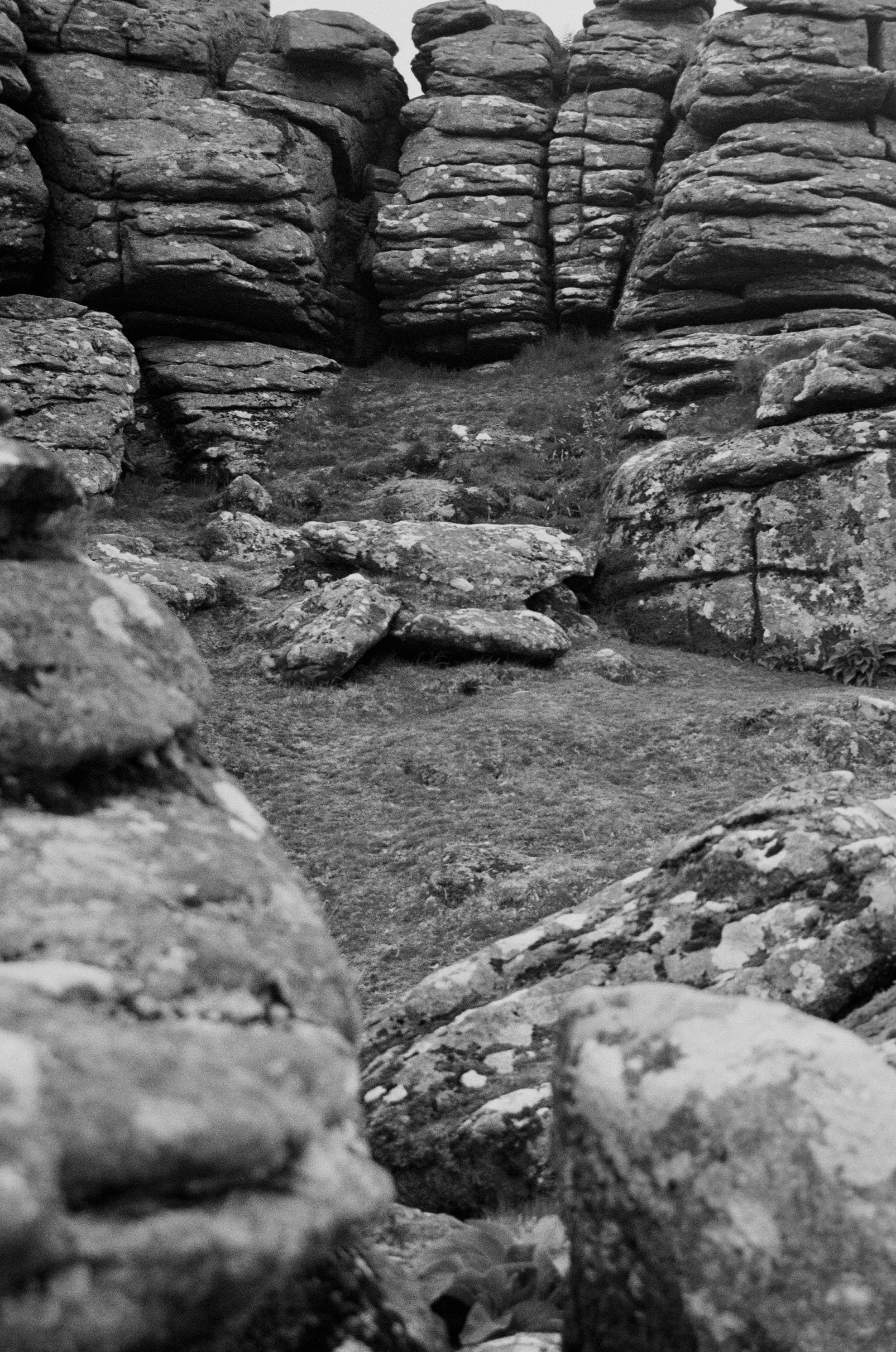
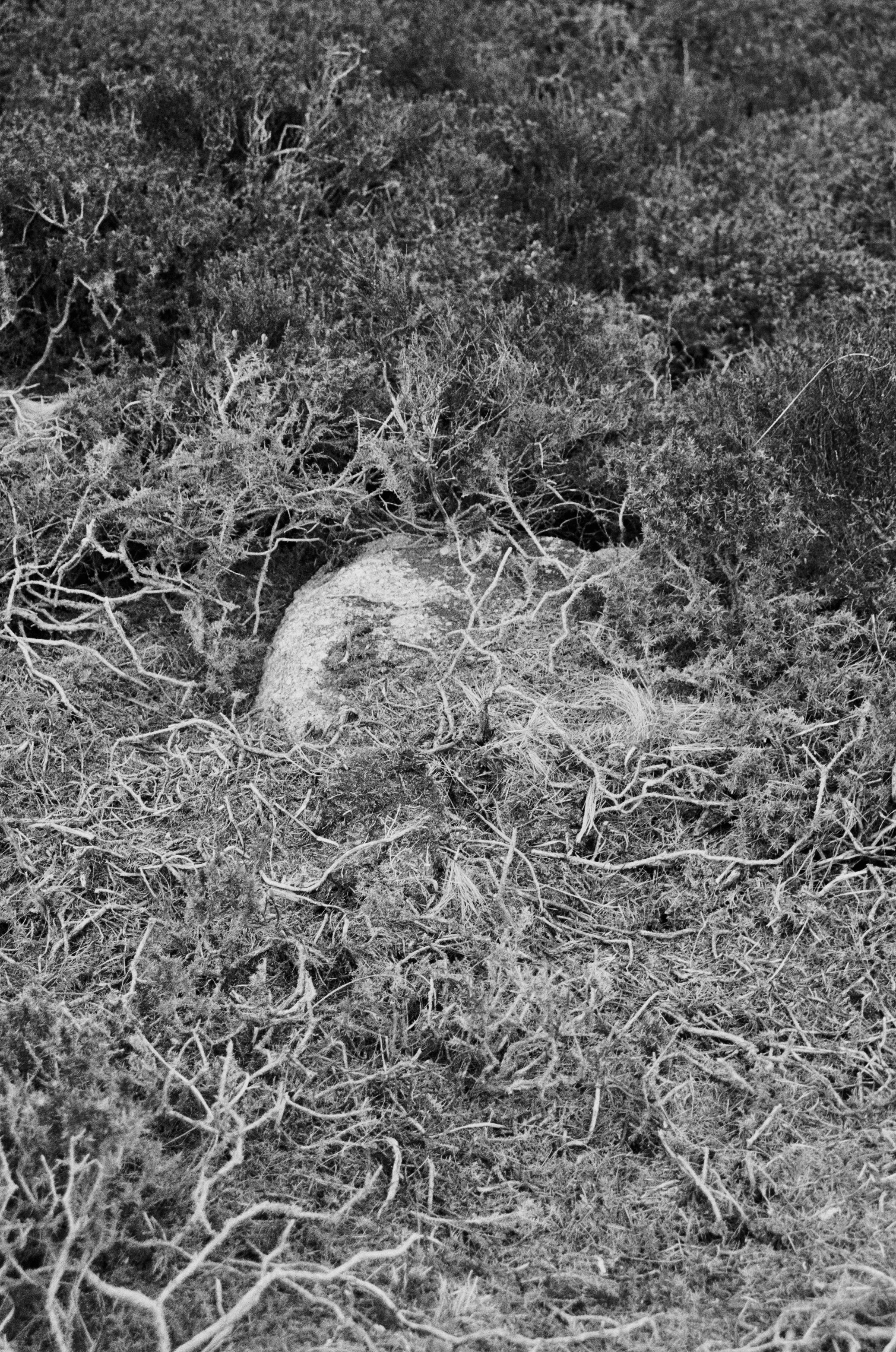
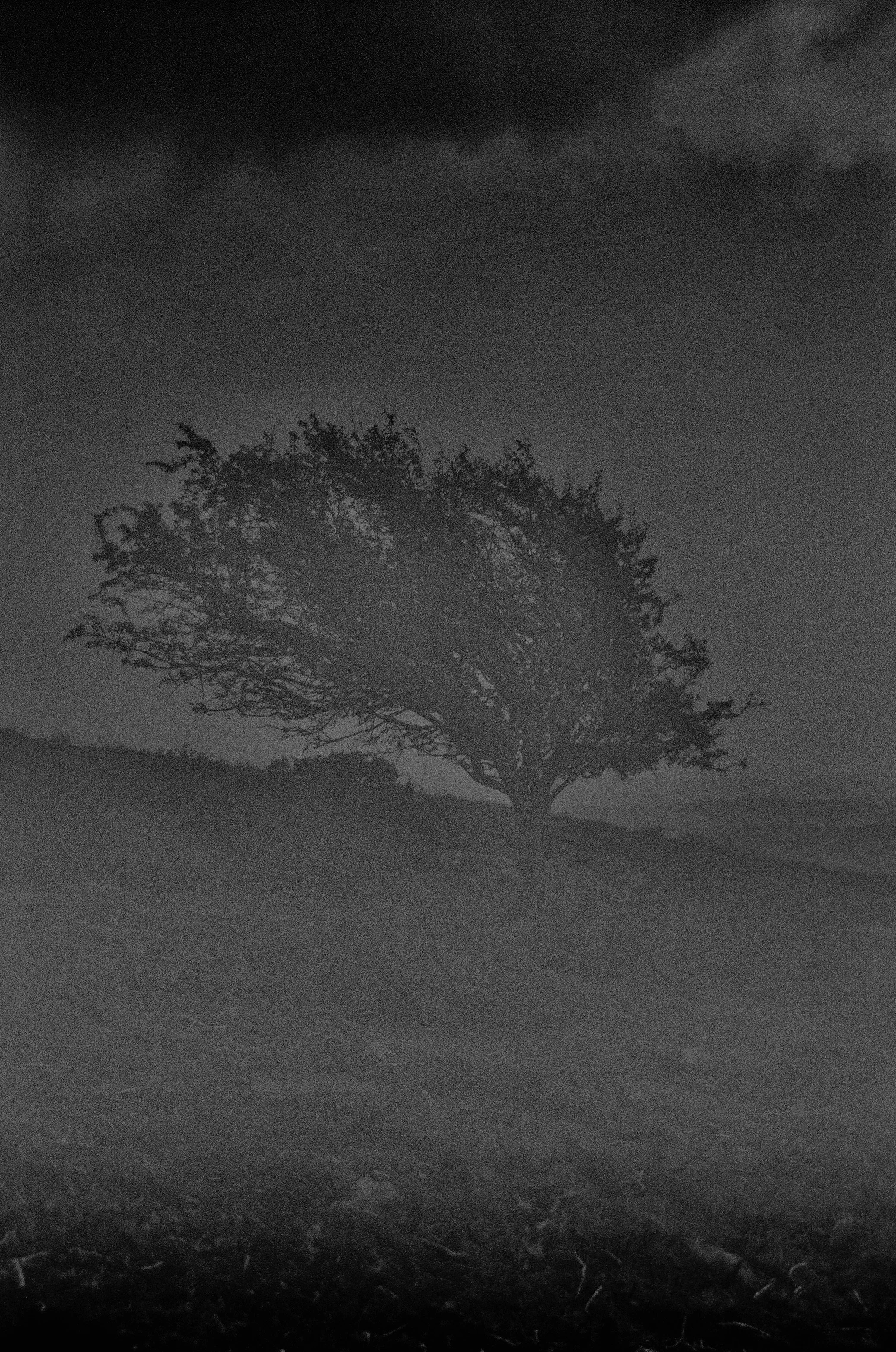
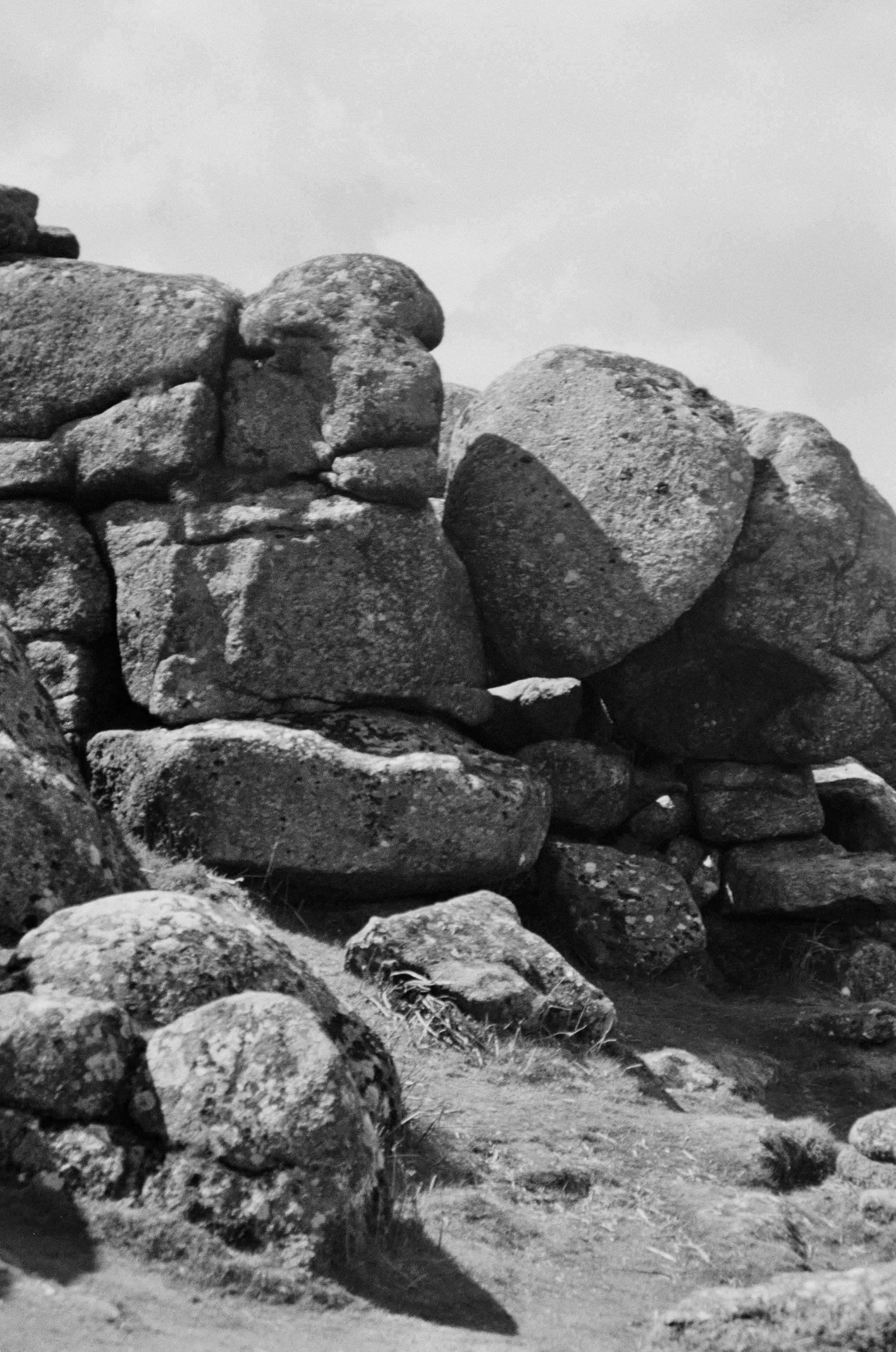
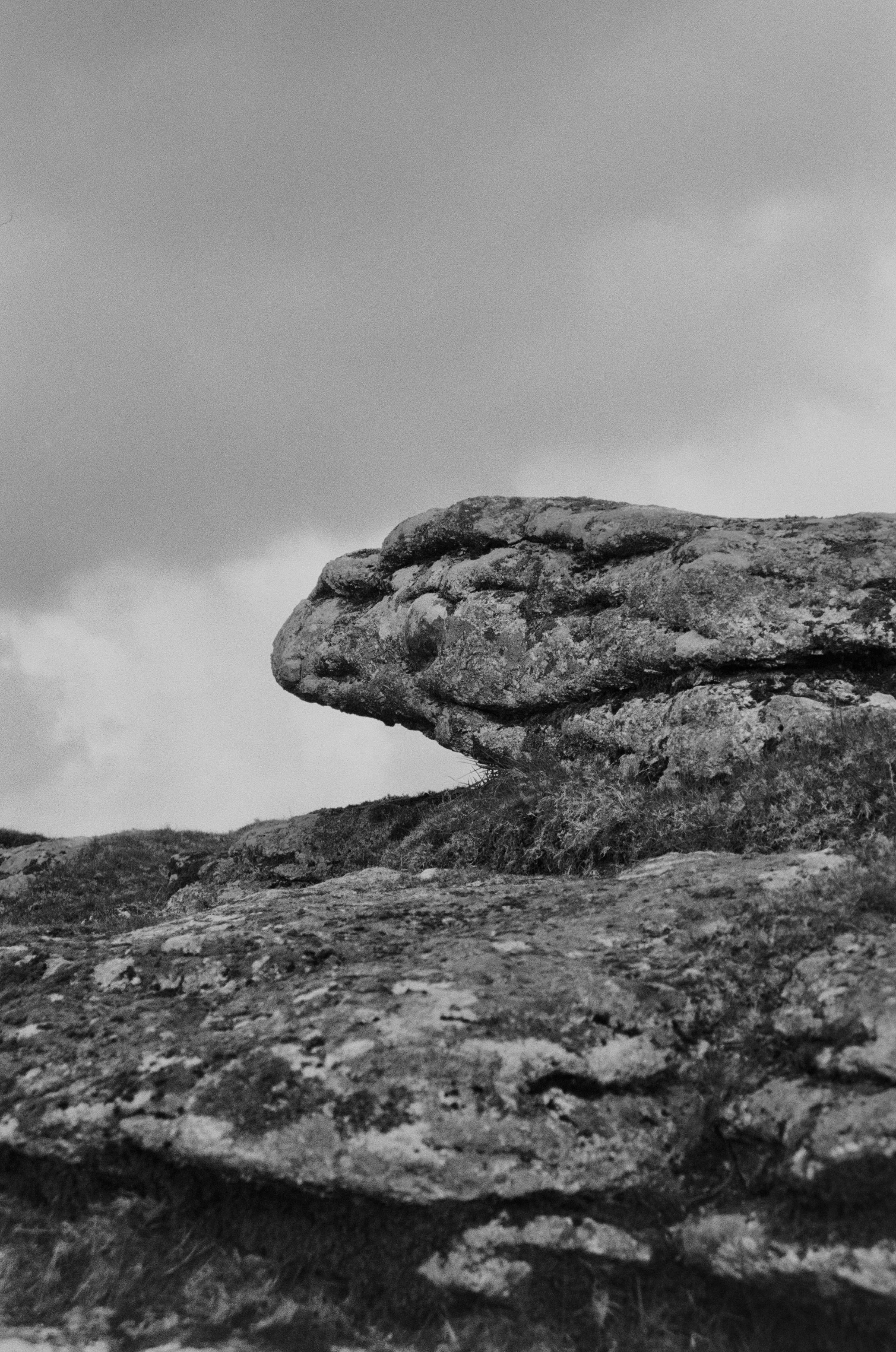
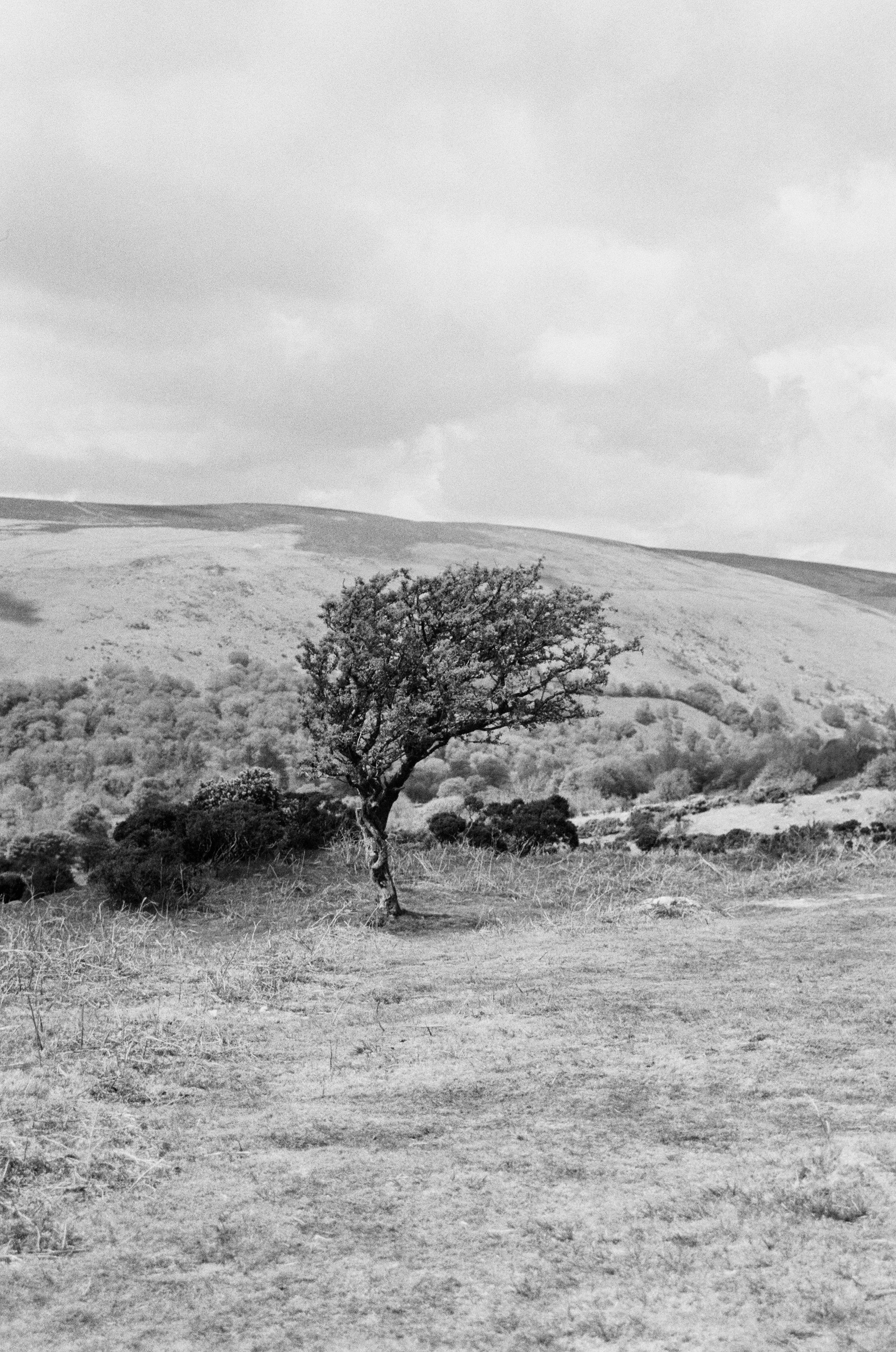
Working instinctively and site-responsively, I used analogue photography, collected materials, clay testing, and sculpture to document and translate these encounters. The process moved between acts of collecting and returning, allowing the landscape itself to guide the pace and direction of the work. Analogue photography became a way of holding fleeting moments and textures, while clay functioned both as material and record — carrying the physical properties of the site within each sculptural form.
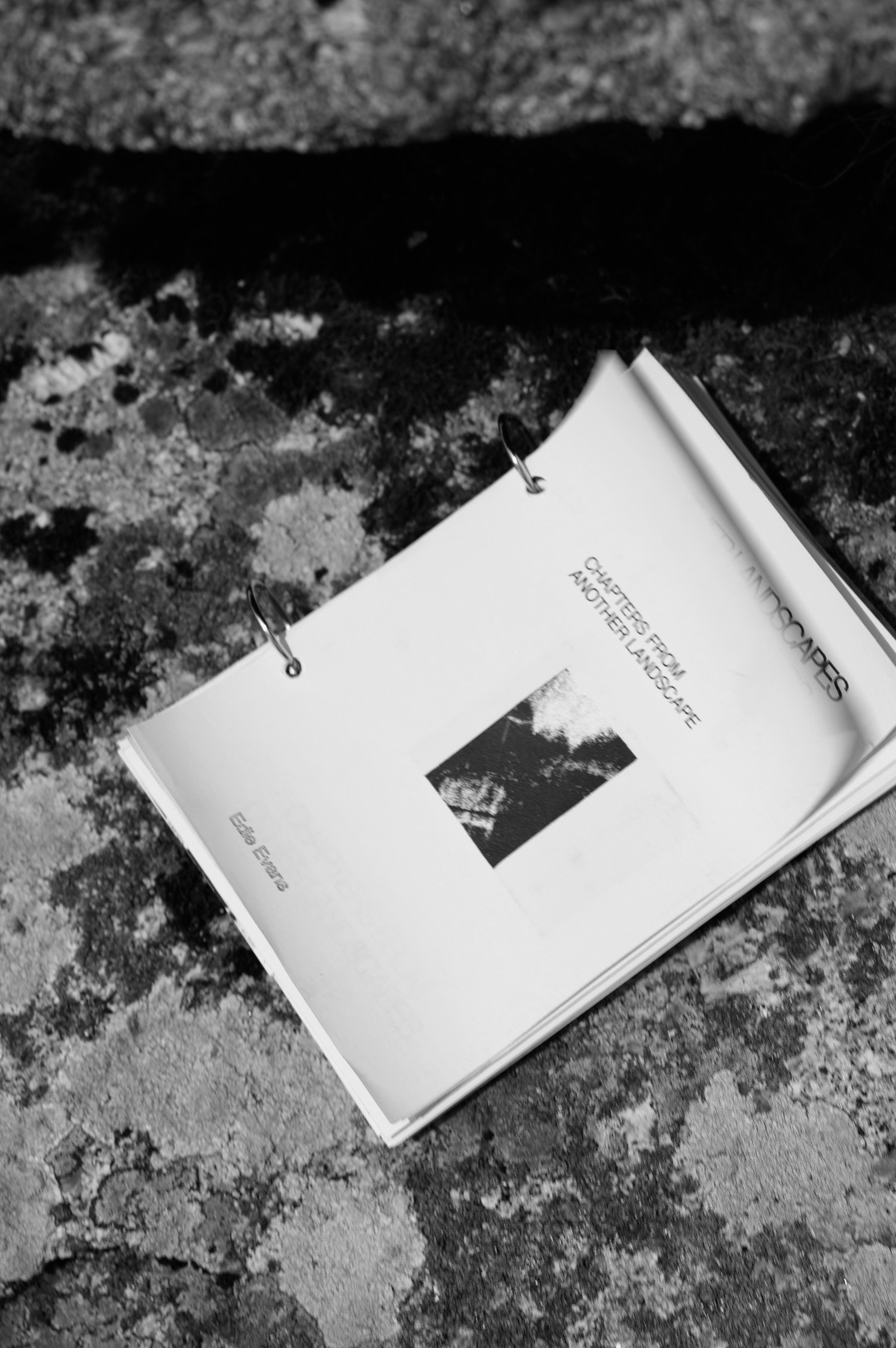
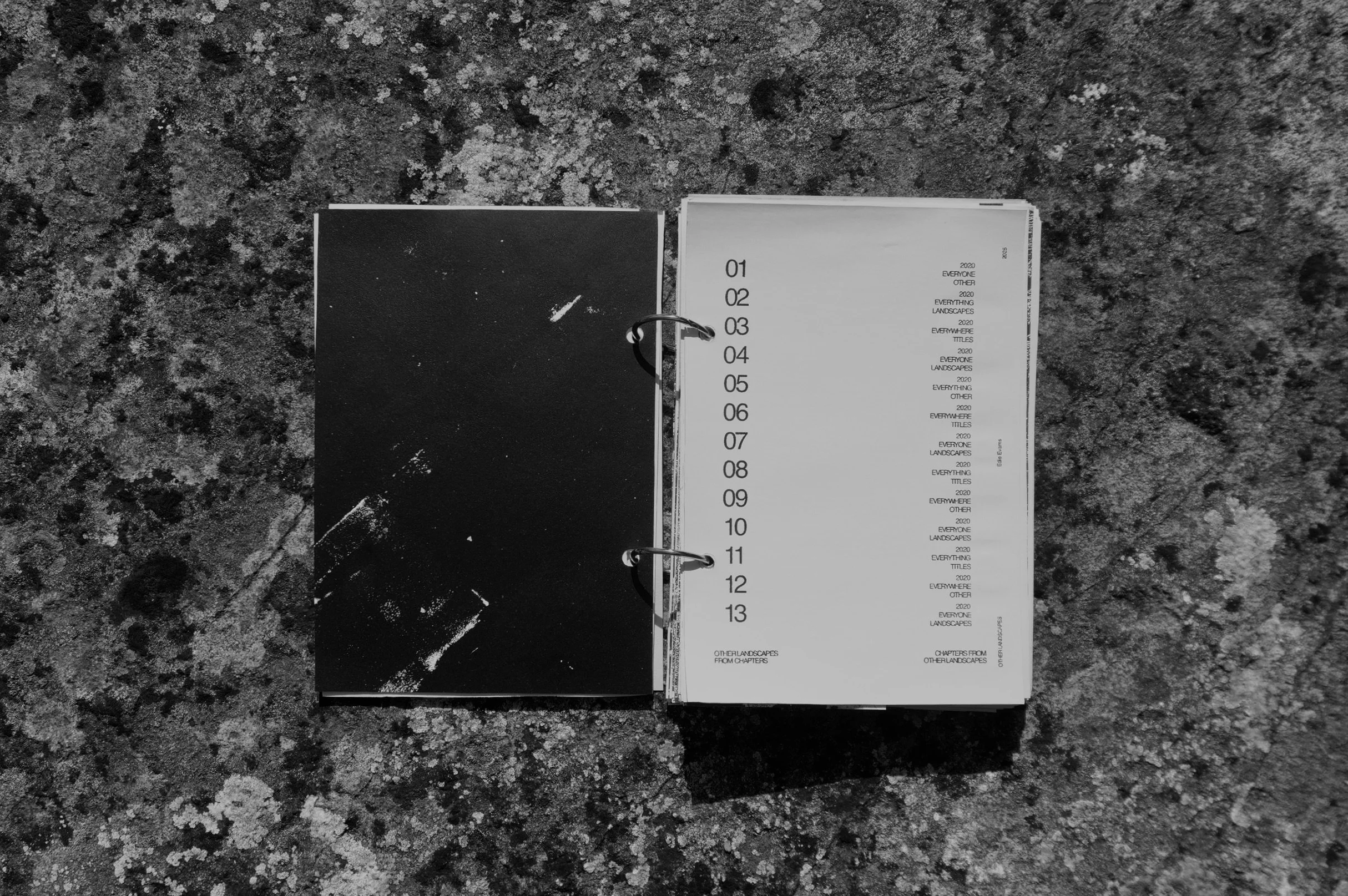
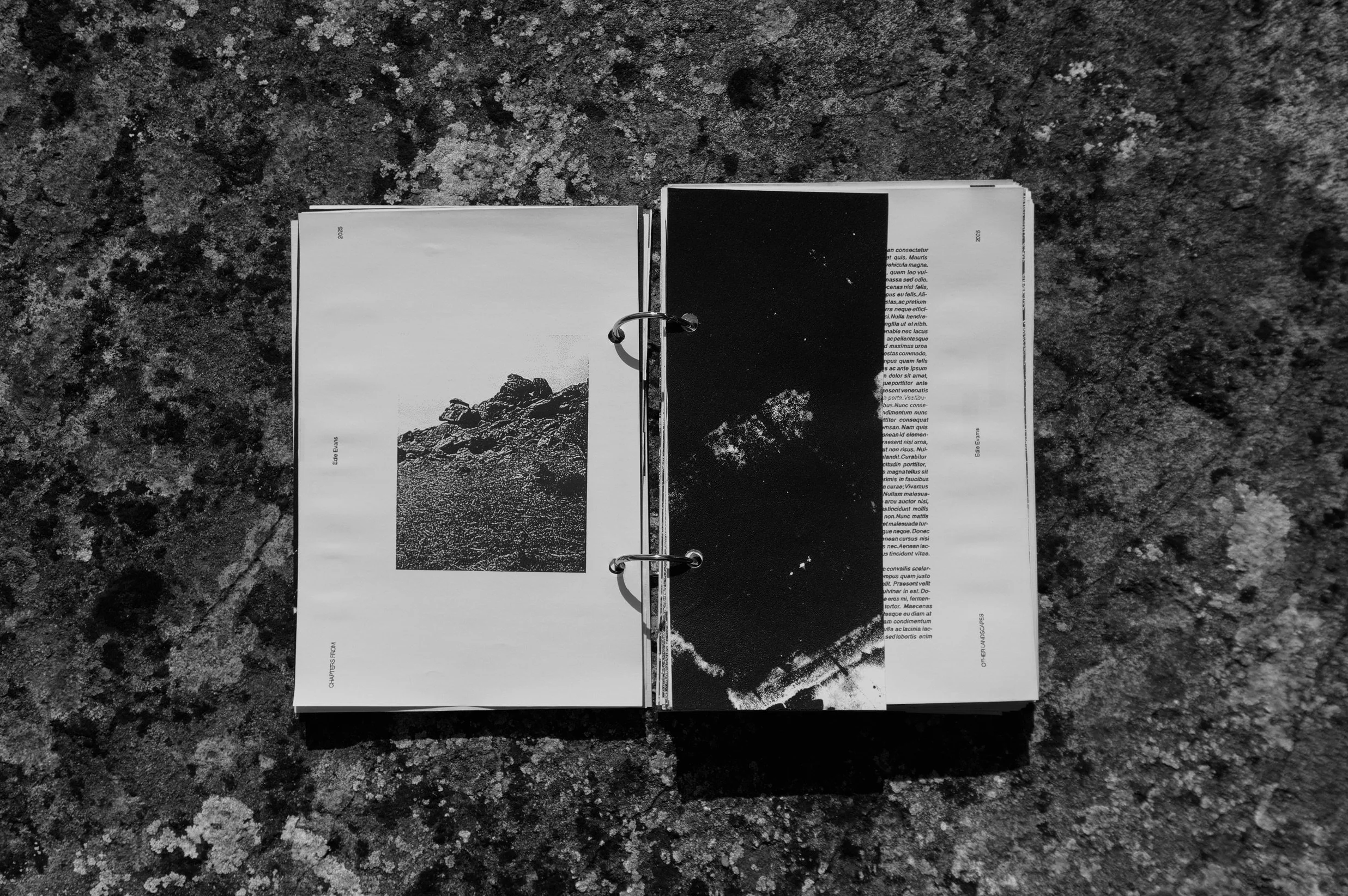
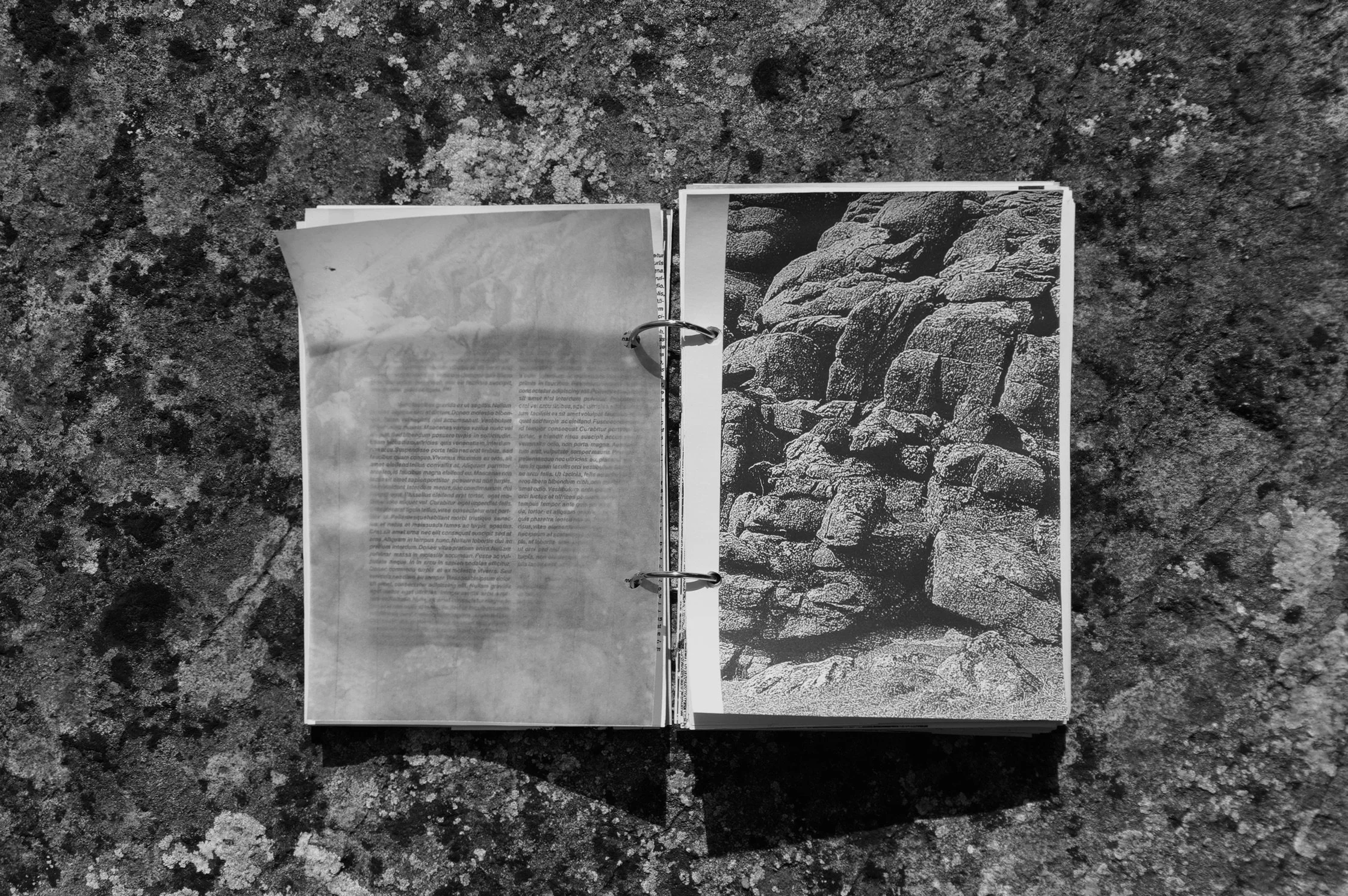
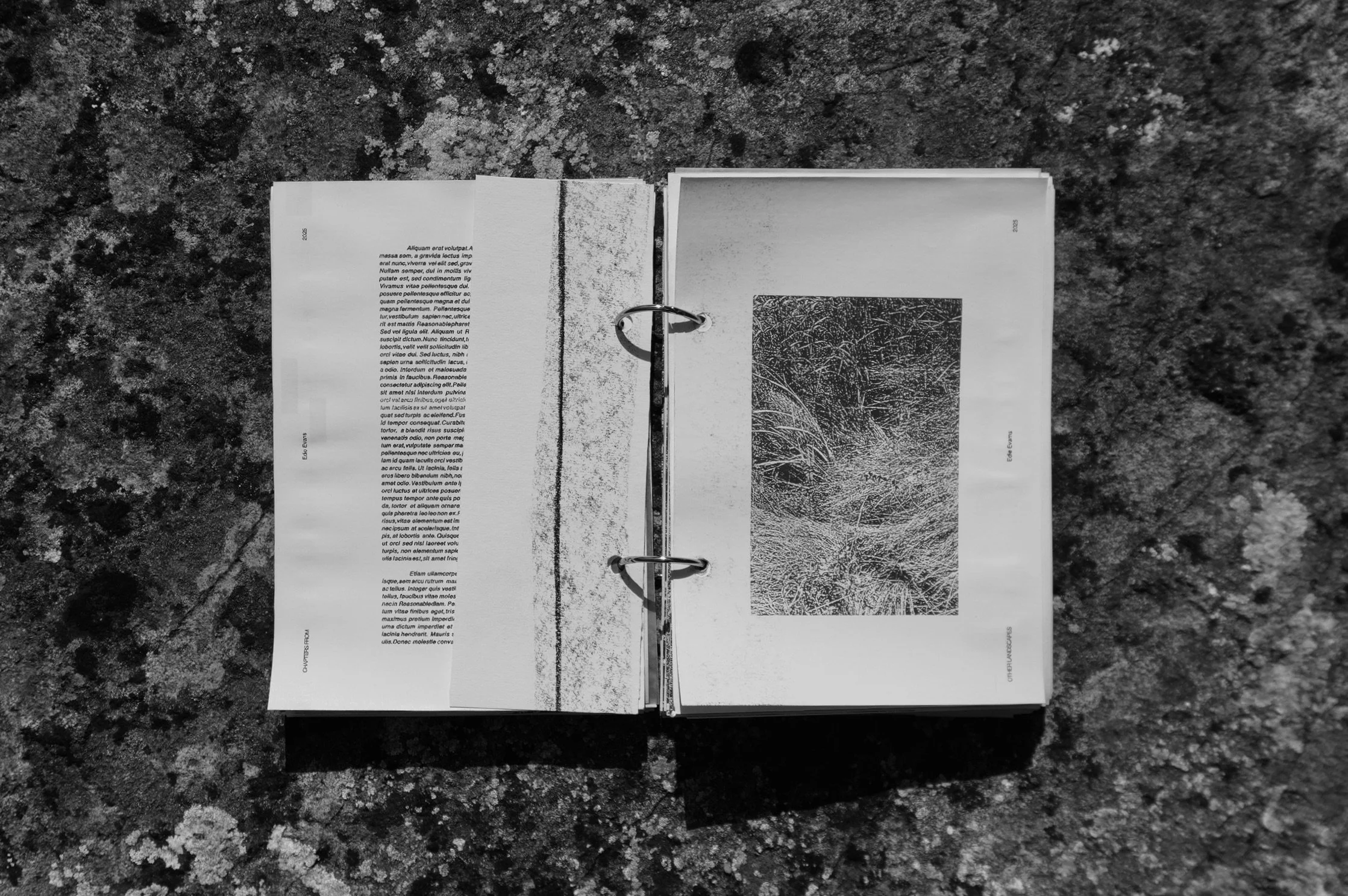
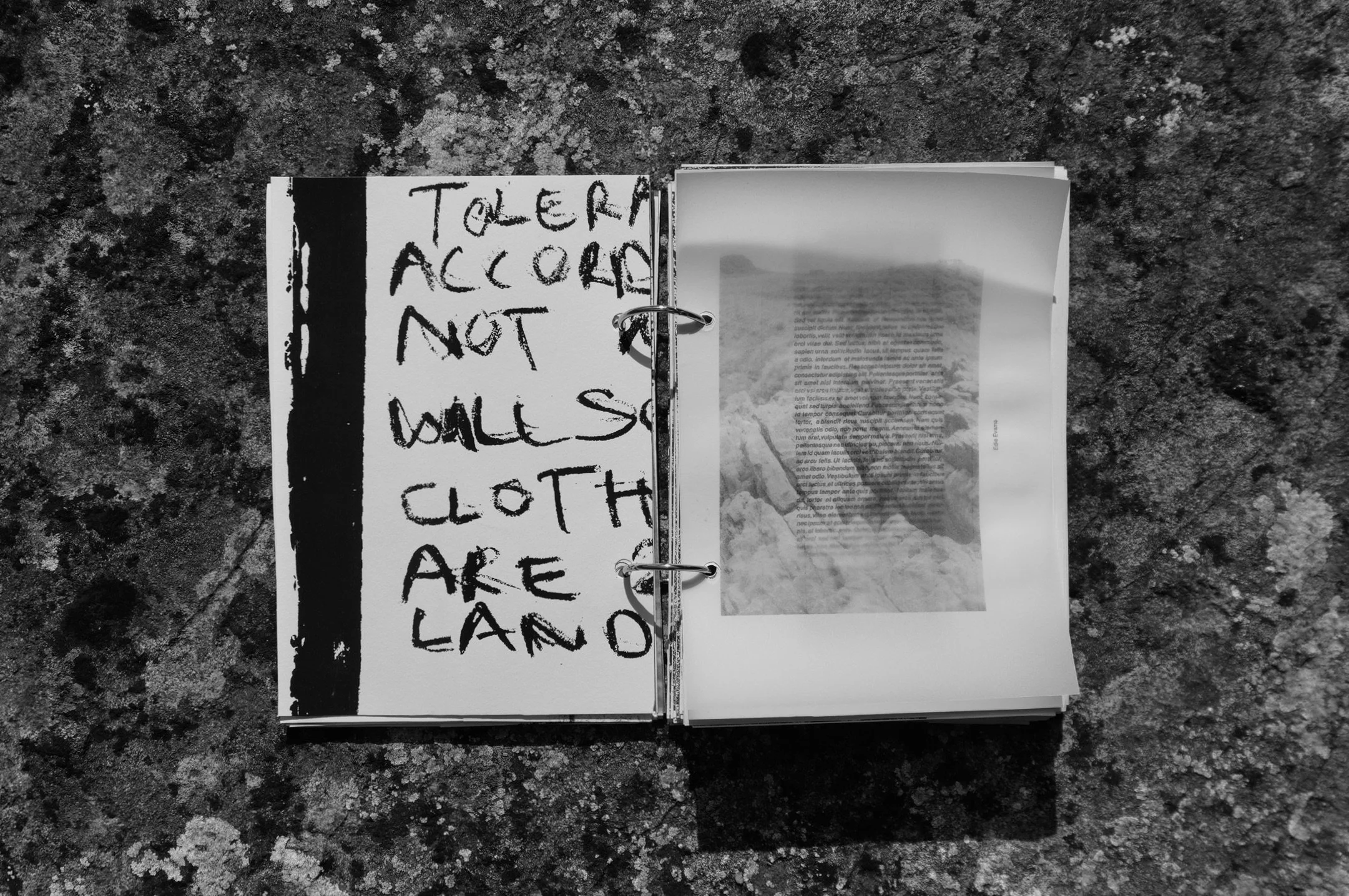
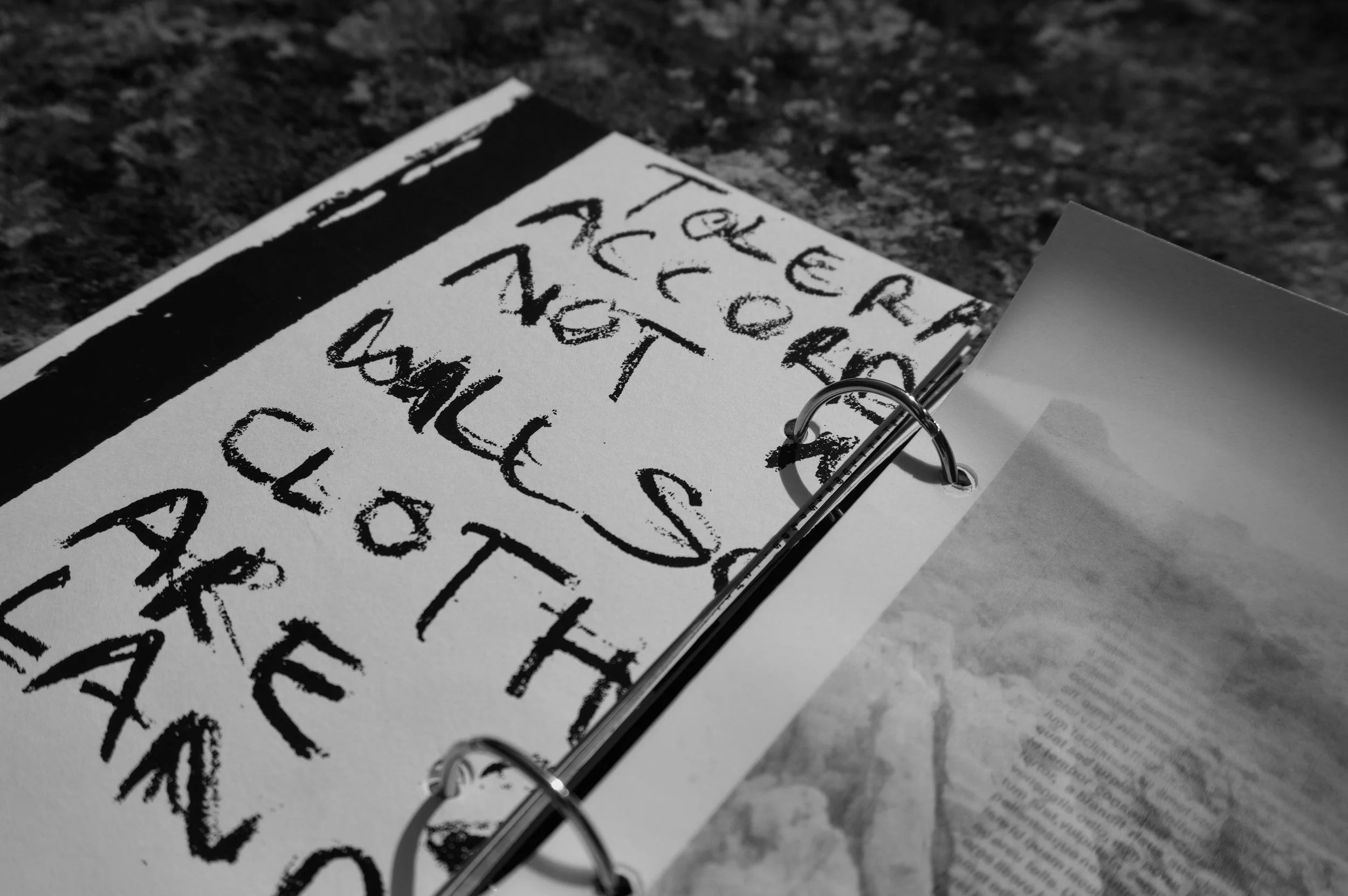
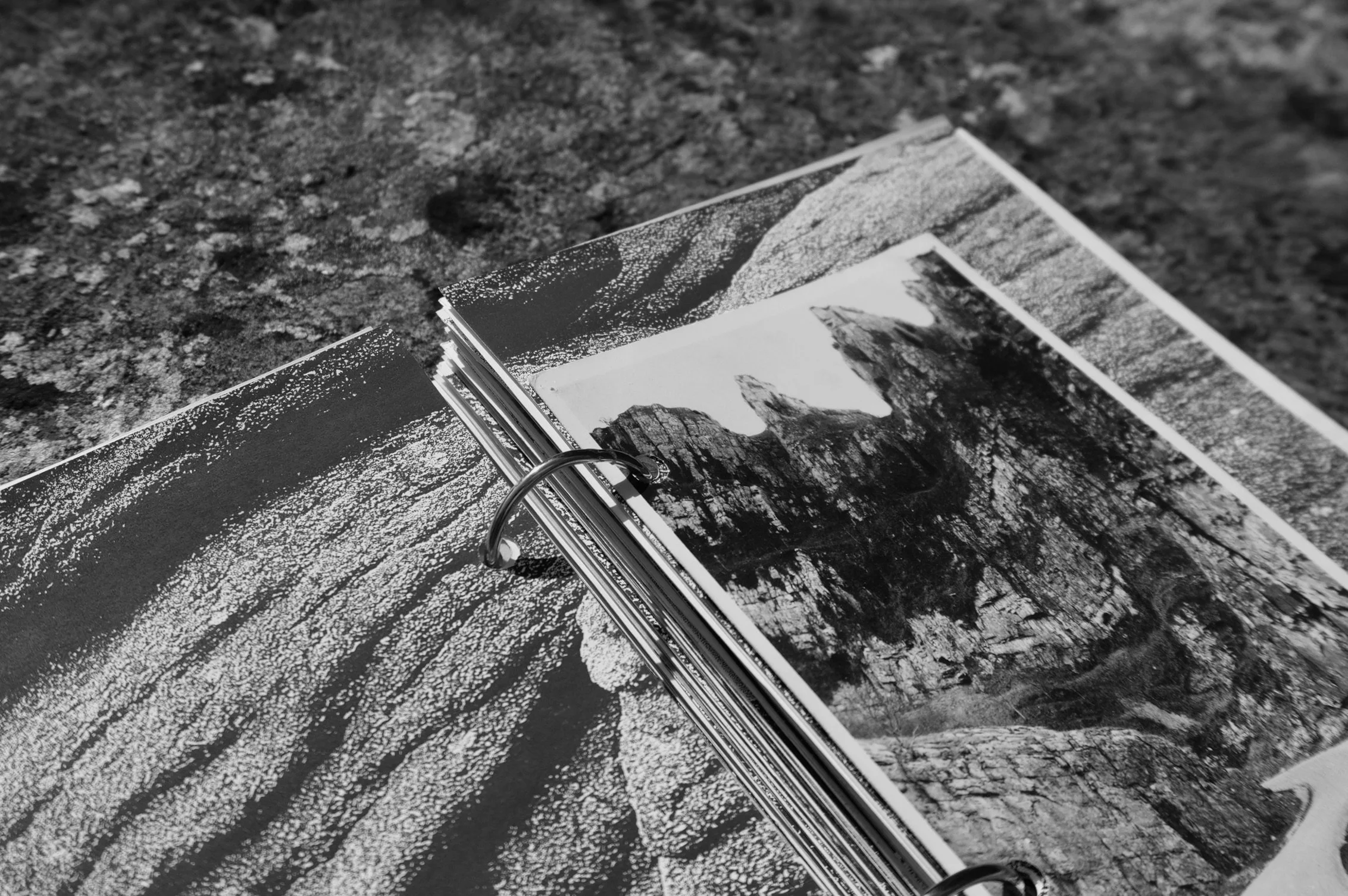
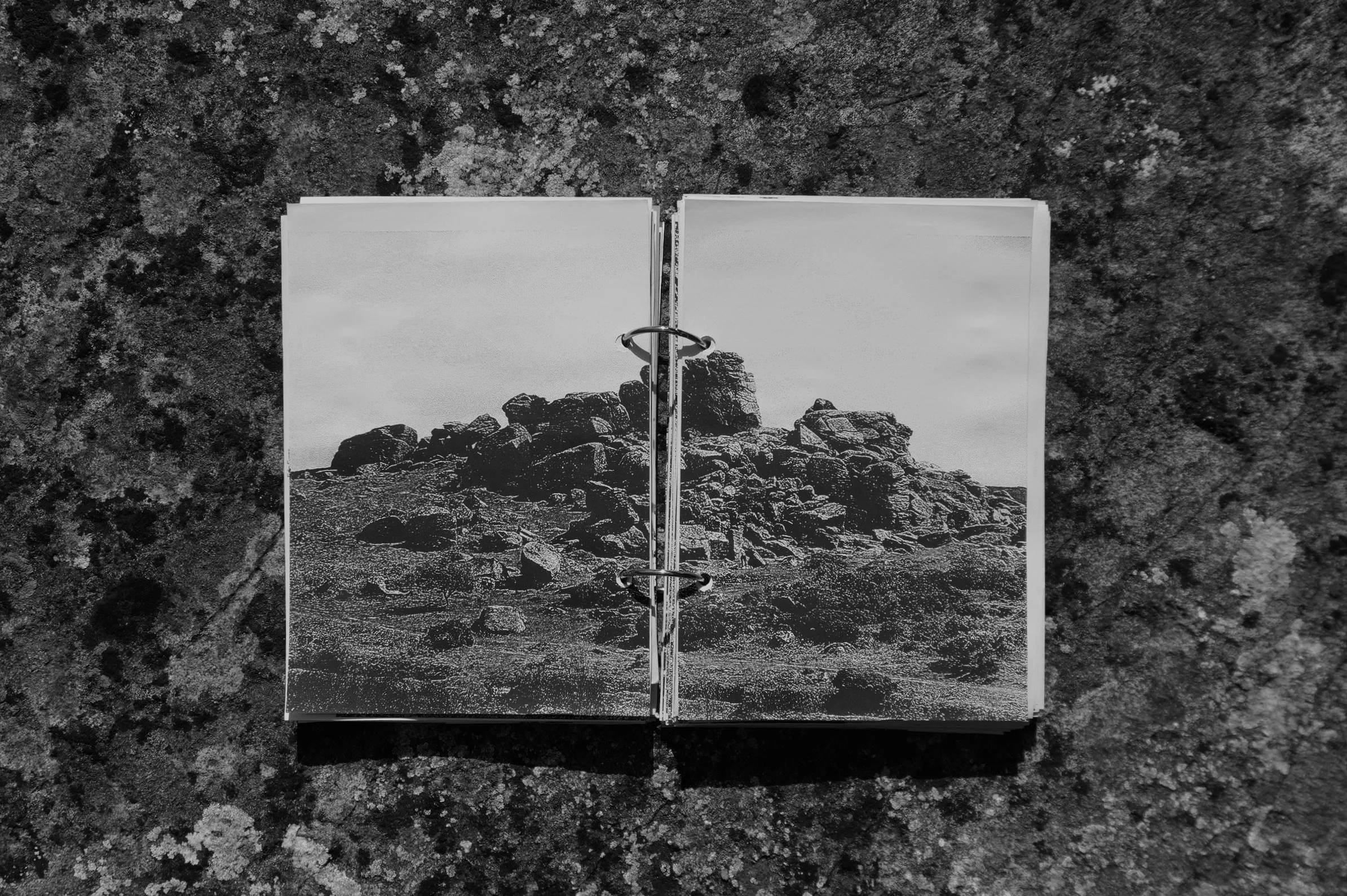
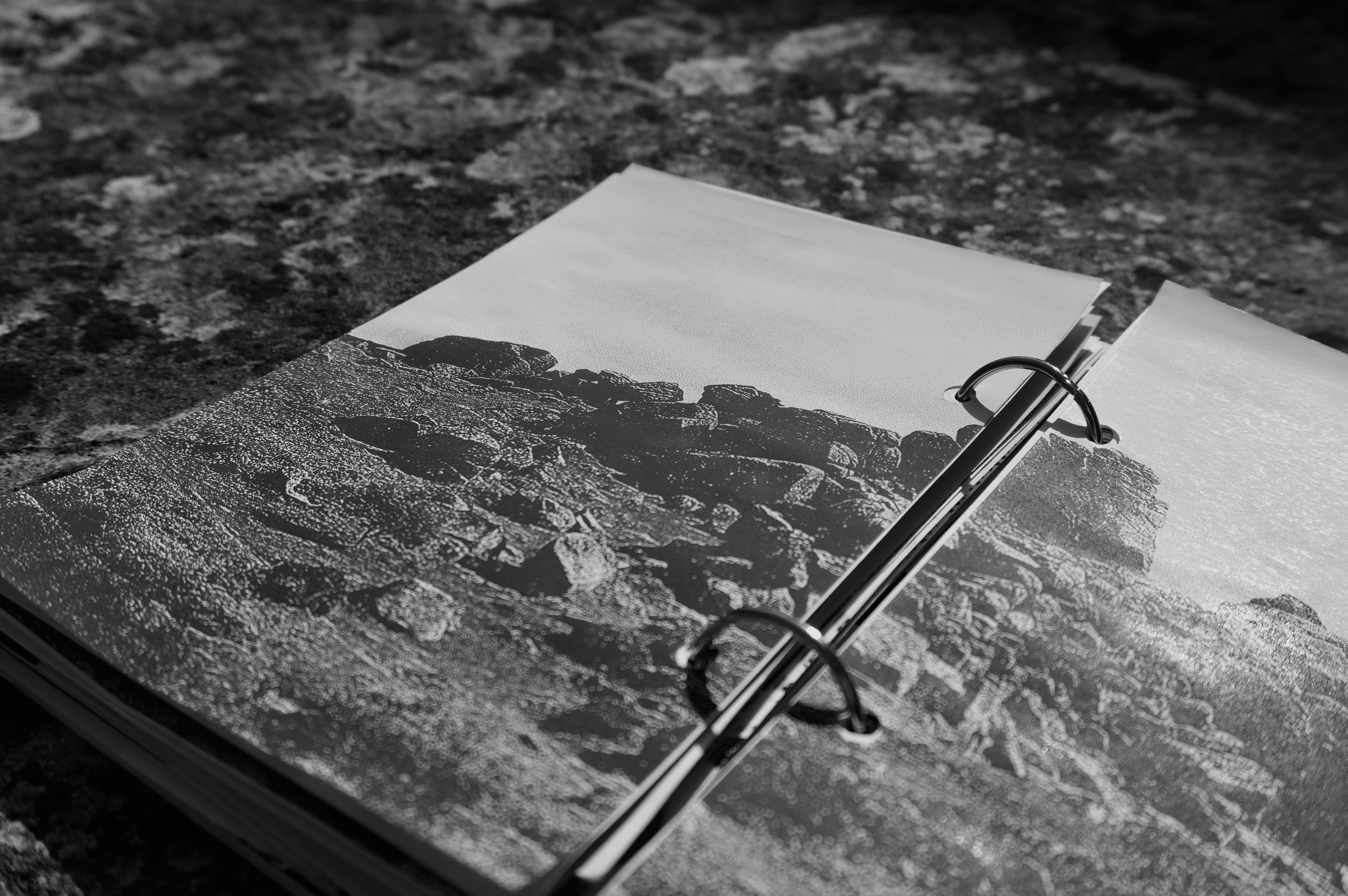
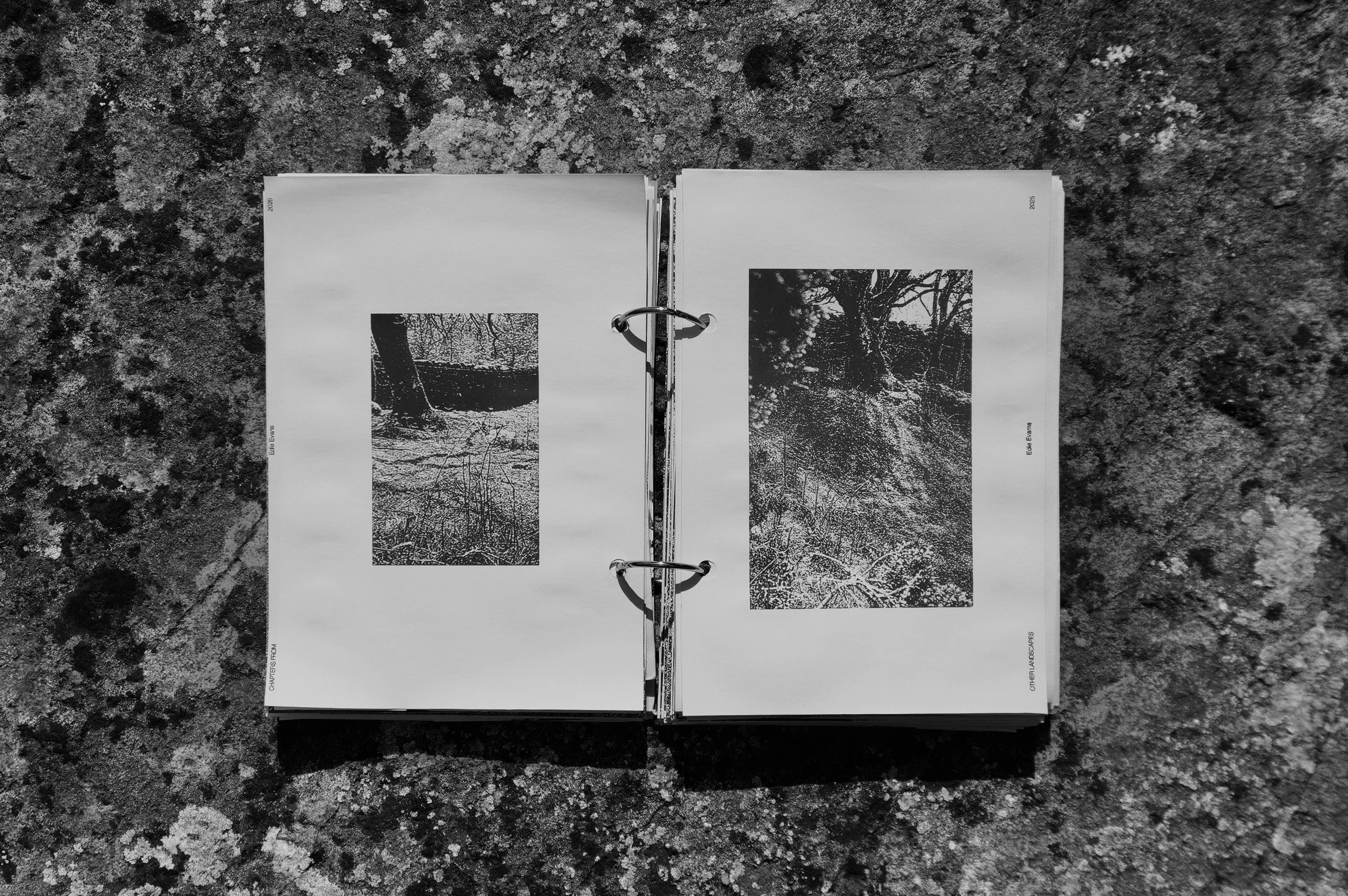
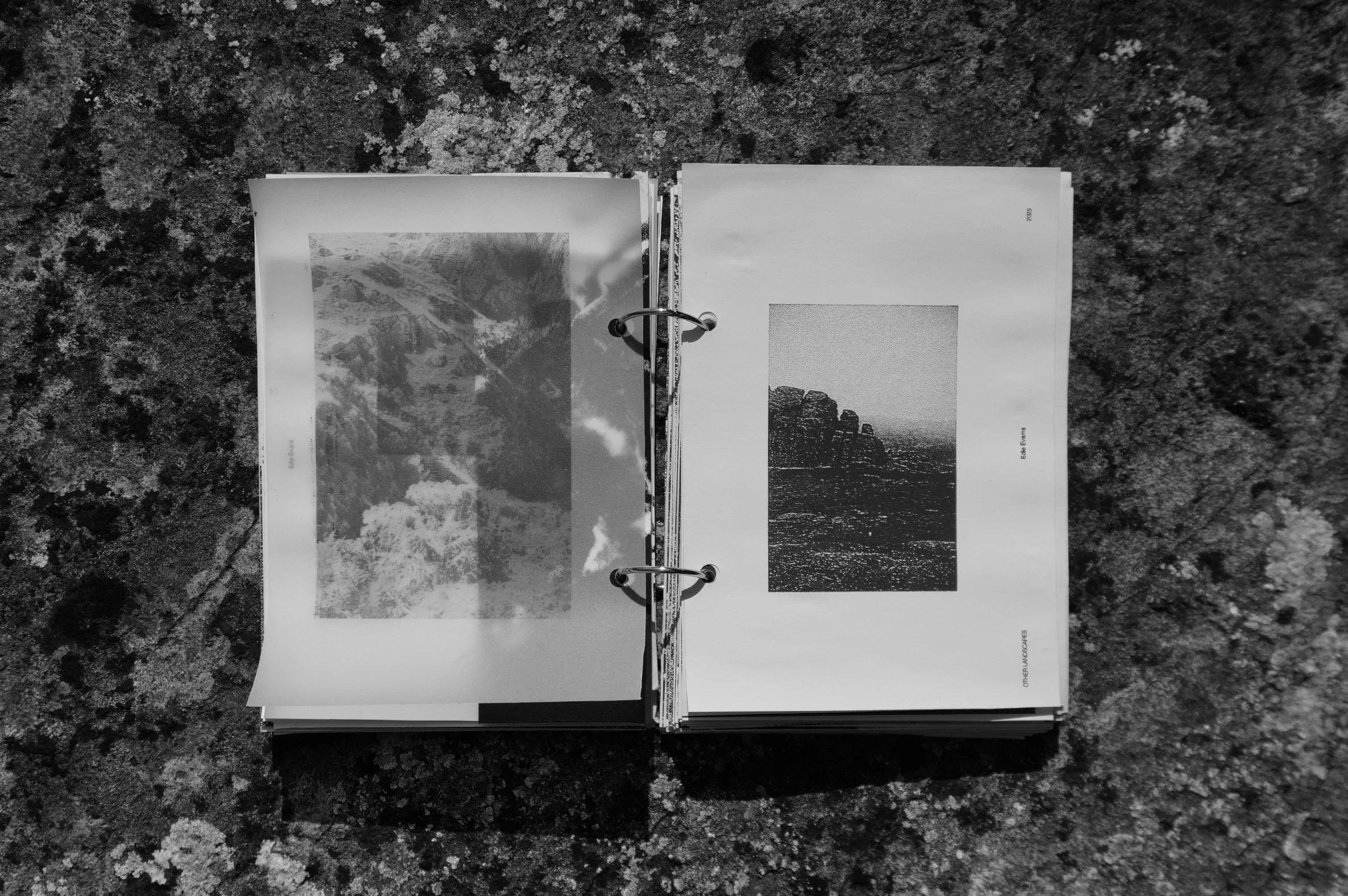
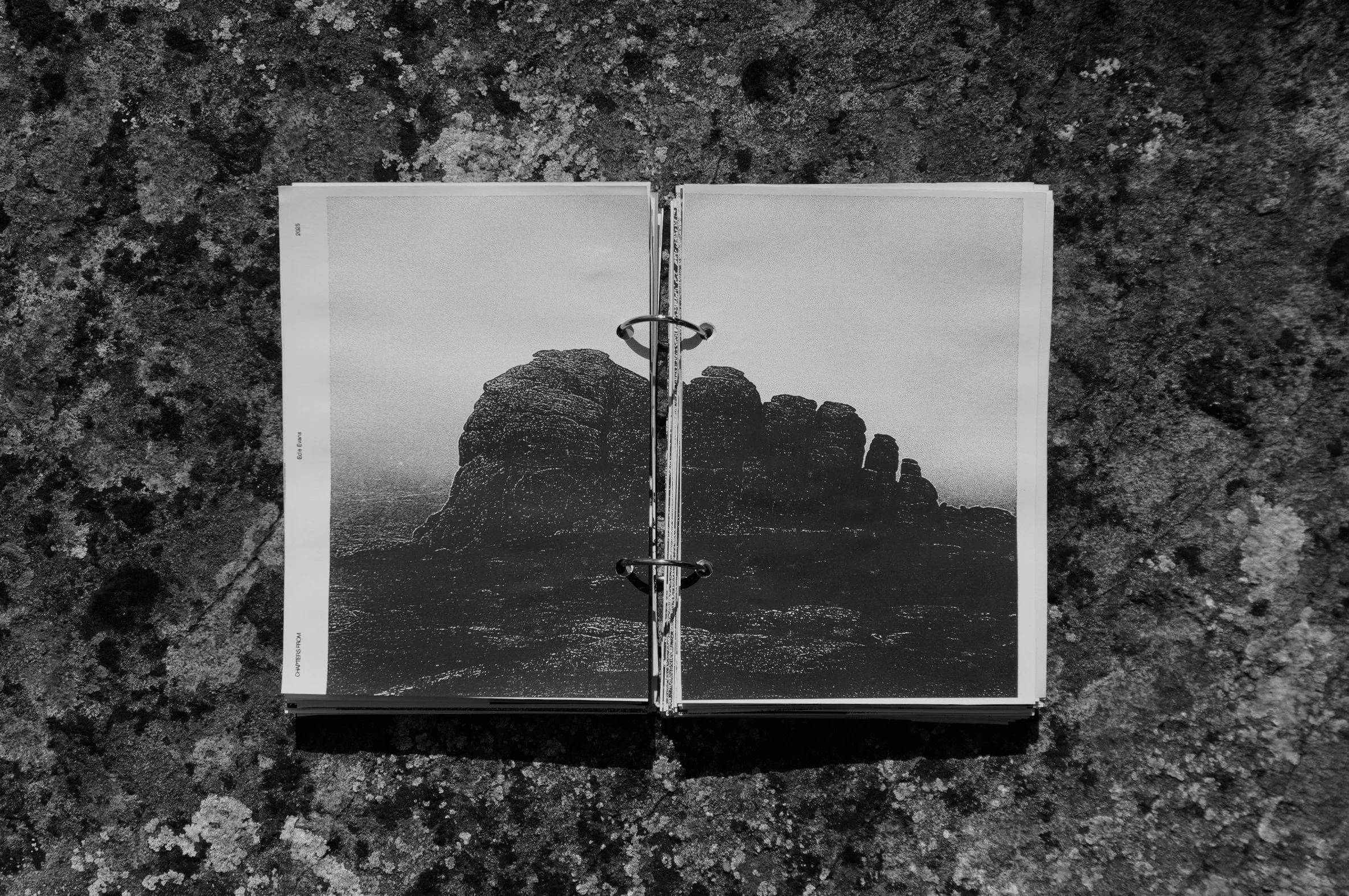
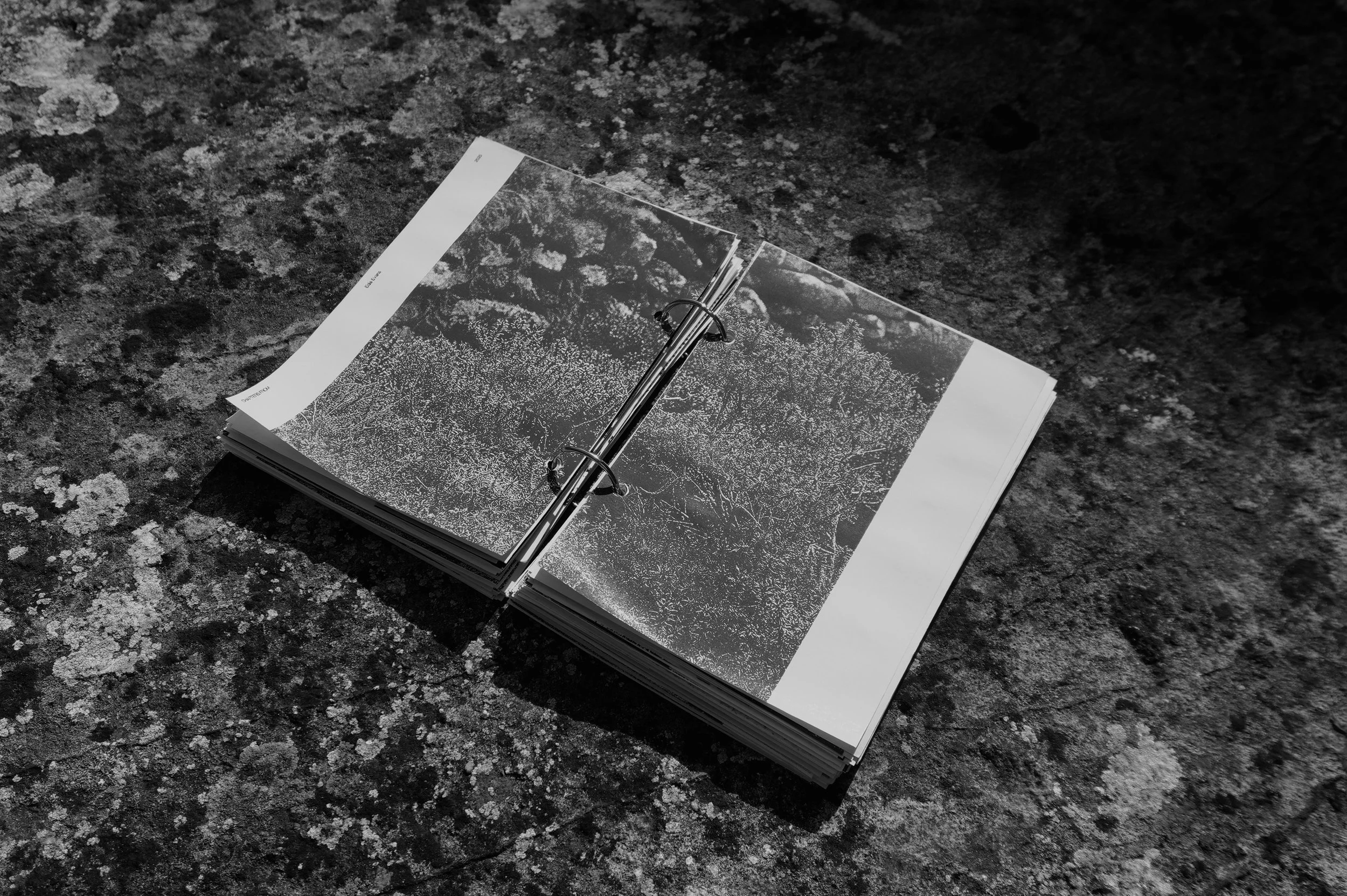
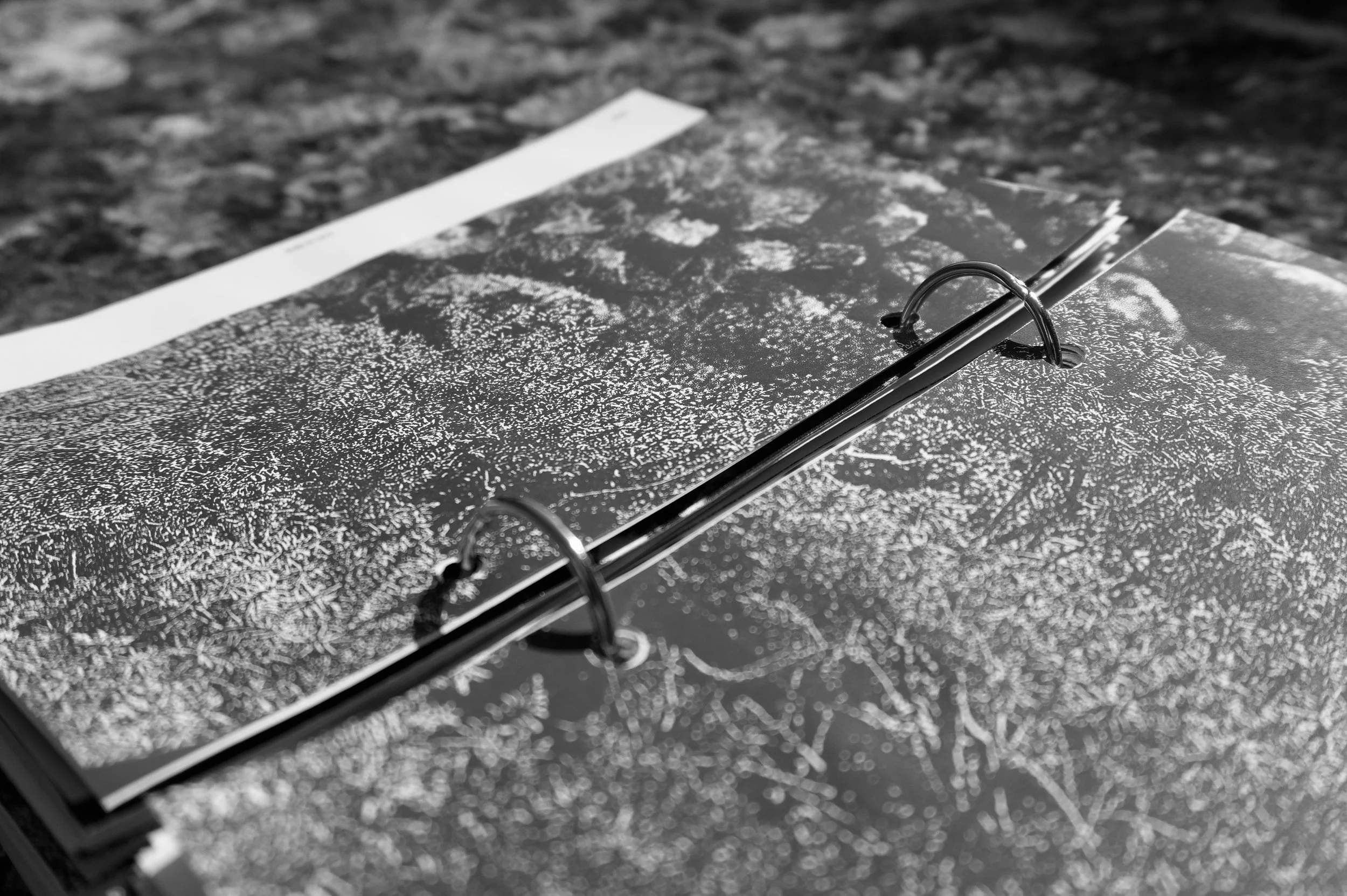
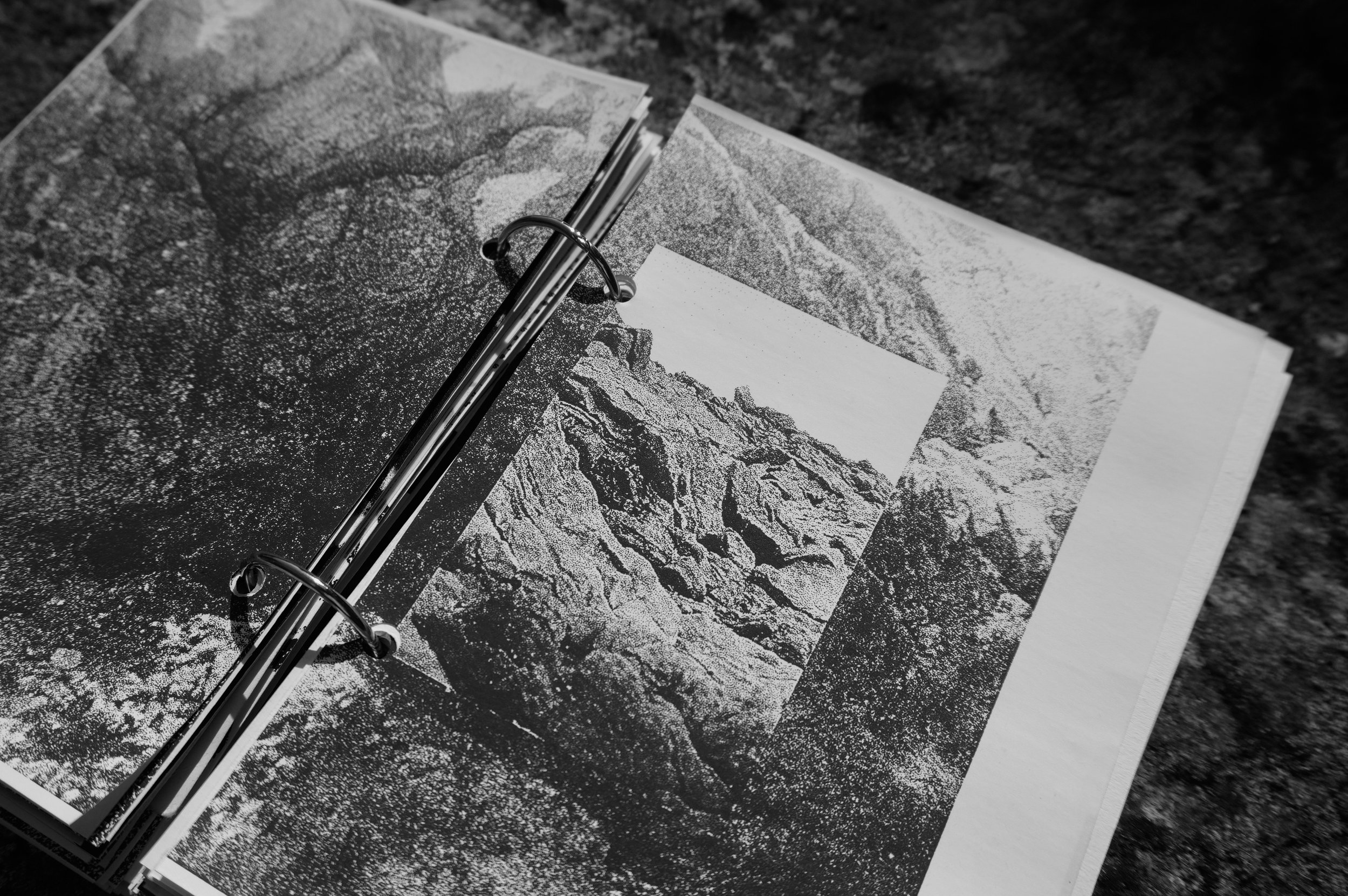
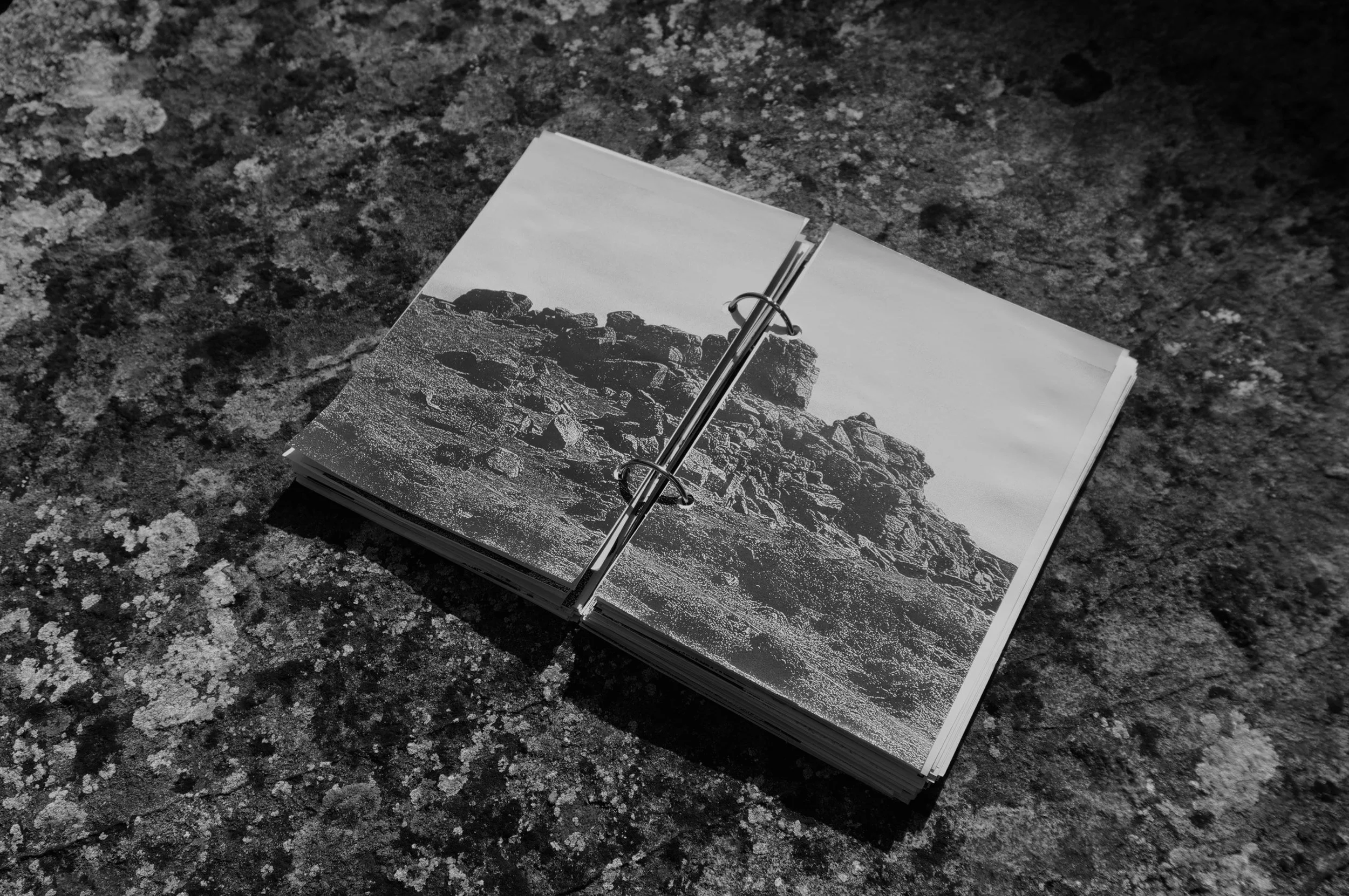
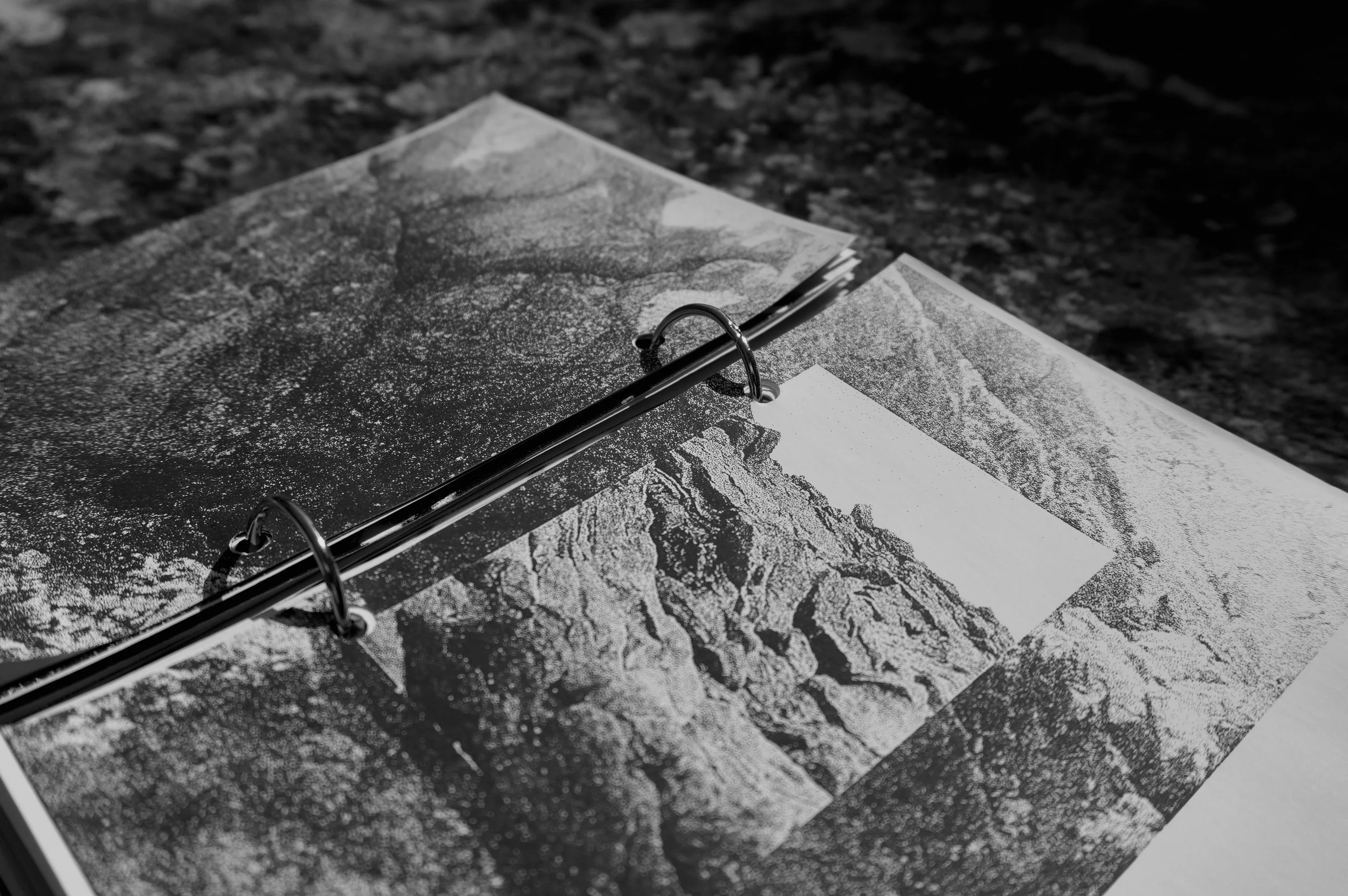
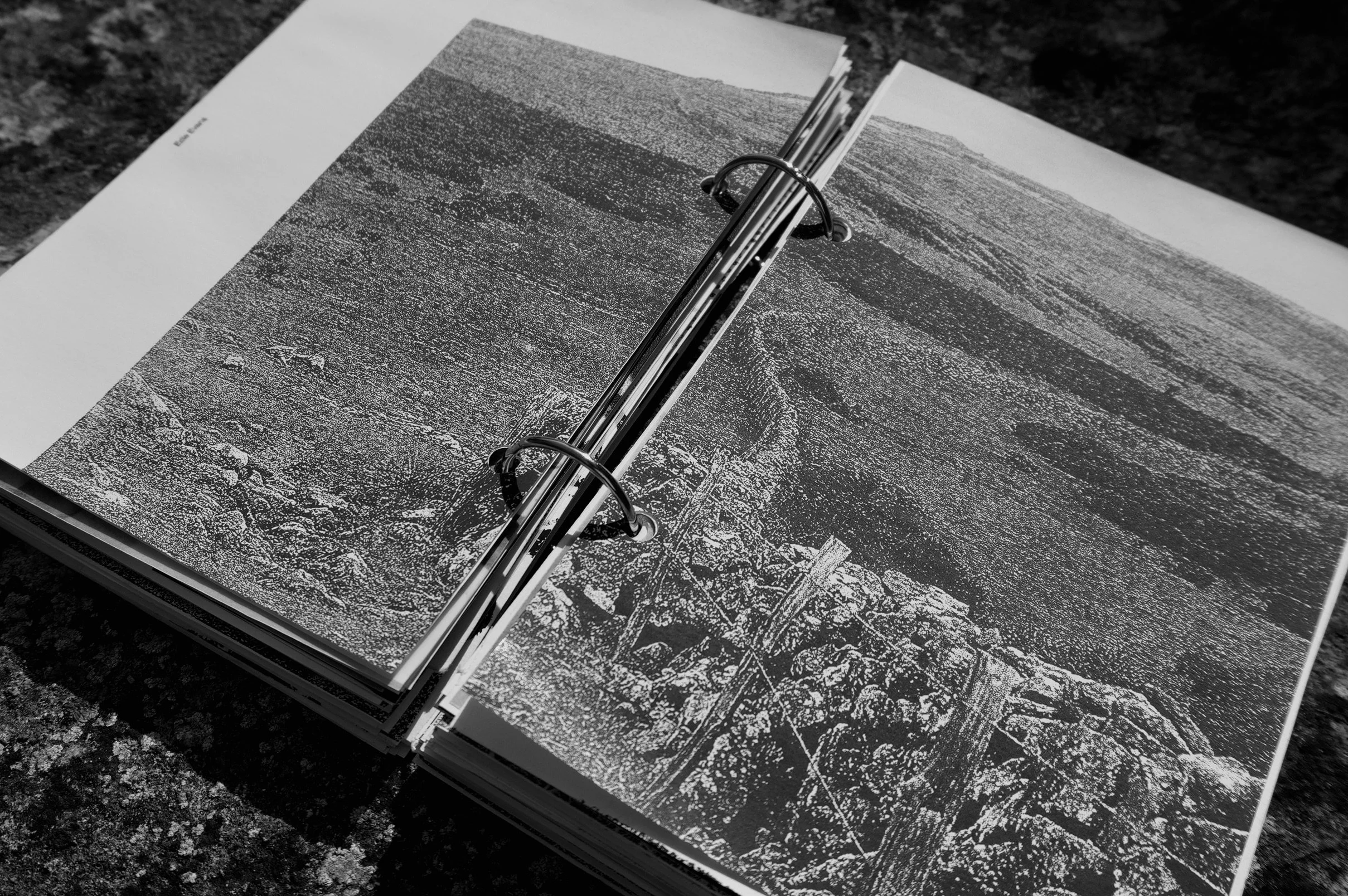
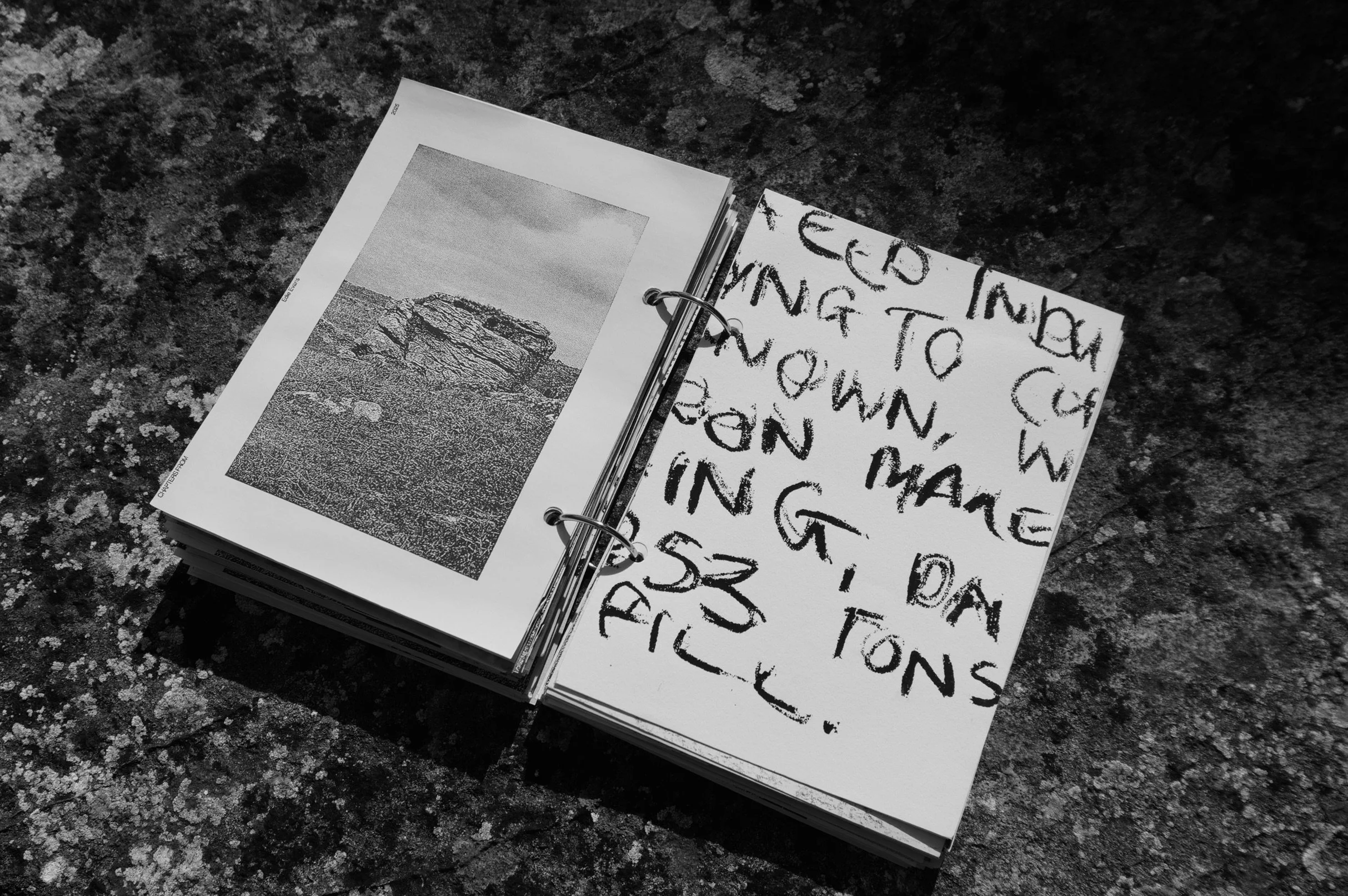
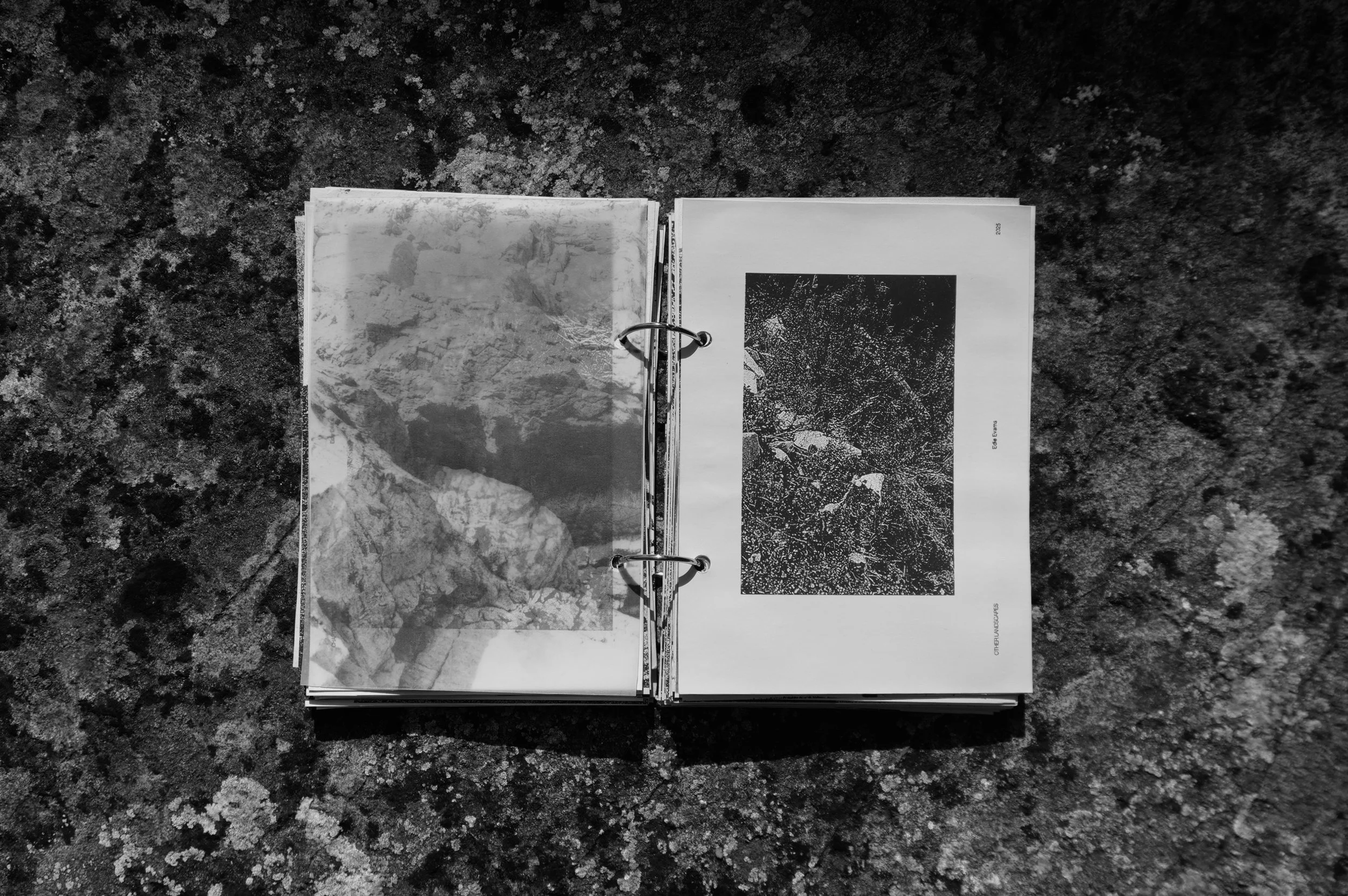
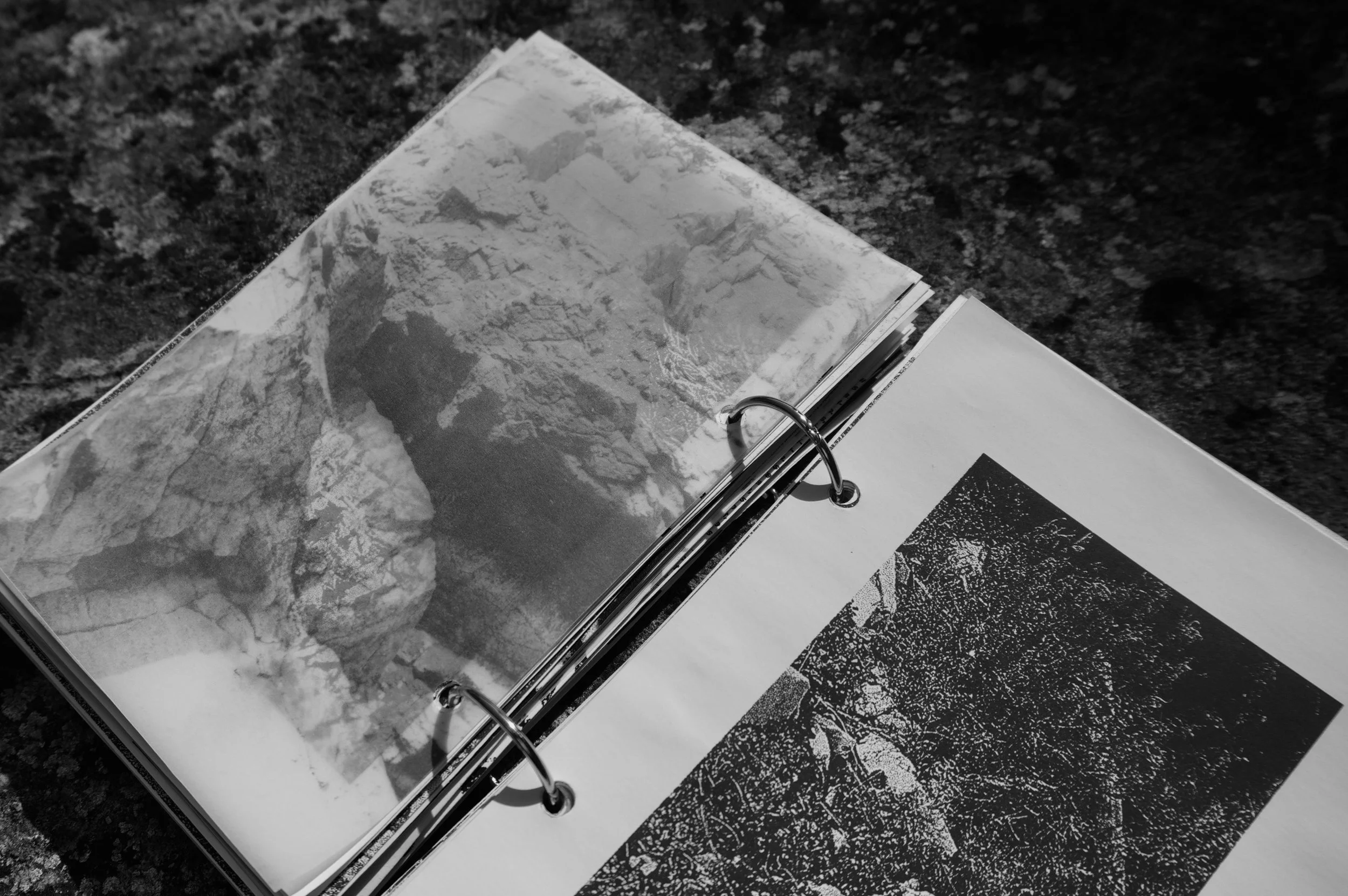
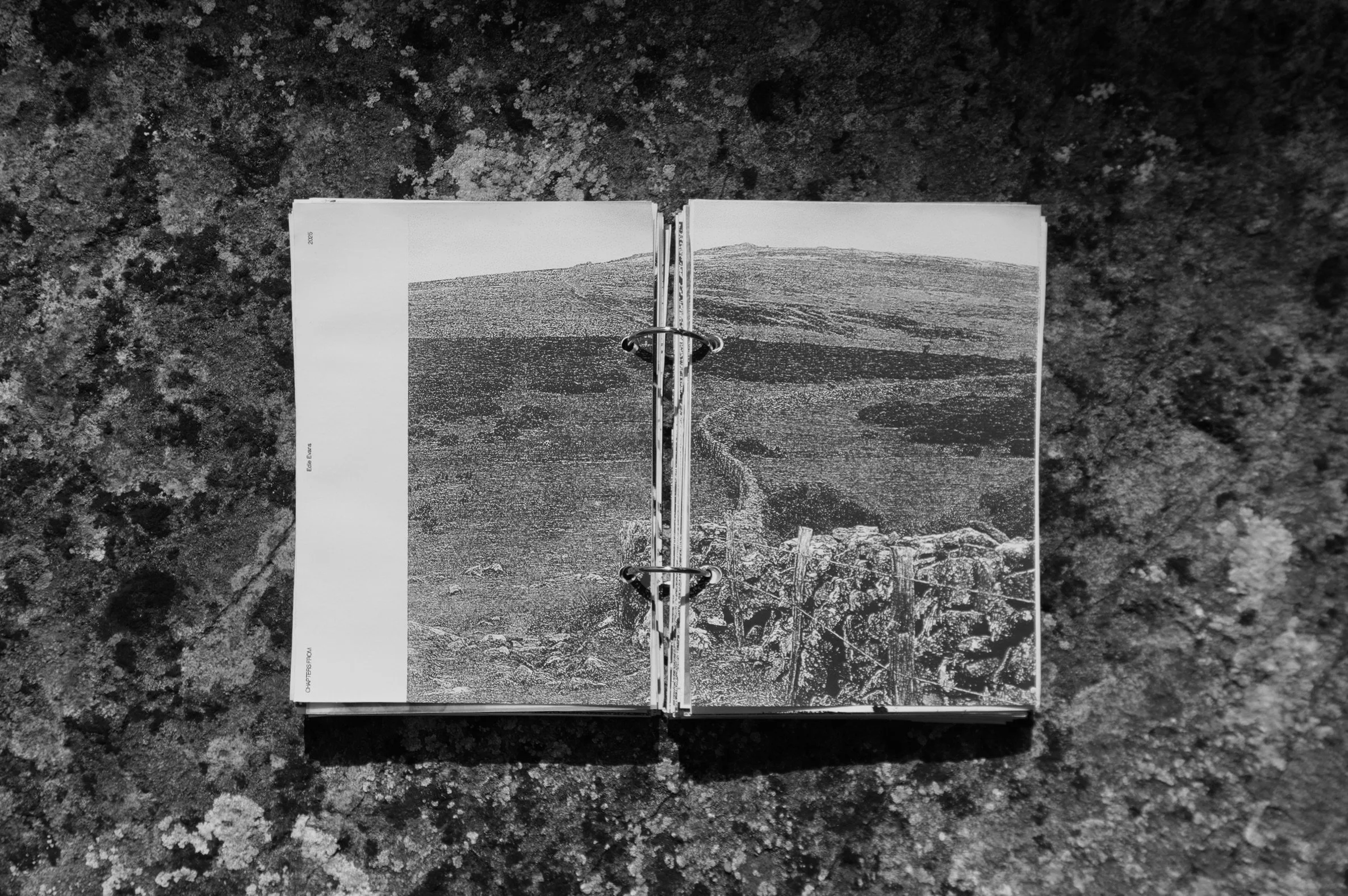
The residency culminated in a handmade artist’s book, a series of analogue photographic works, and sculptures produced using locally sourced white clay gathered during the research process. Together, these works explored ideas surrounding material memory, ecological connection, and the relationship between body and landscape. Rather than producing fixed representations of place, the project sought to create quiet tactile encounters that hold traces of walking, gathering, touch, and time.