Press, Fold
A site-responsive research project developed during my Residency at The Burton at Bideford, working in dialogue with the RJ Lloyd Collection to investigate the relationship between clay, process and the body through the material histories of North Devon
During my residency at The Burton at Bideford, I investigated the relationship between clay, process and the body through the material histories of North Devon. Working in dialogue with the RJ Lloyd Collection, I examined the shared material language between vernacular building and ceramics, exploring how local clay has been transformed into bricks, architectural elements and utilitarian objects.
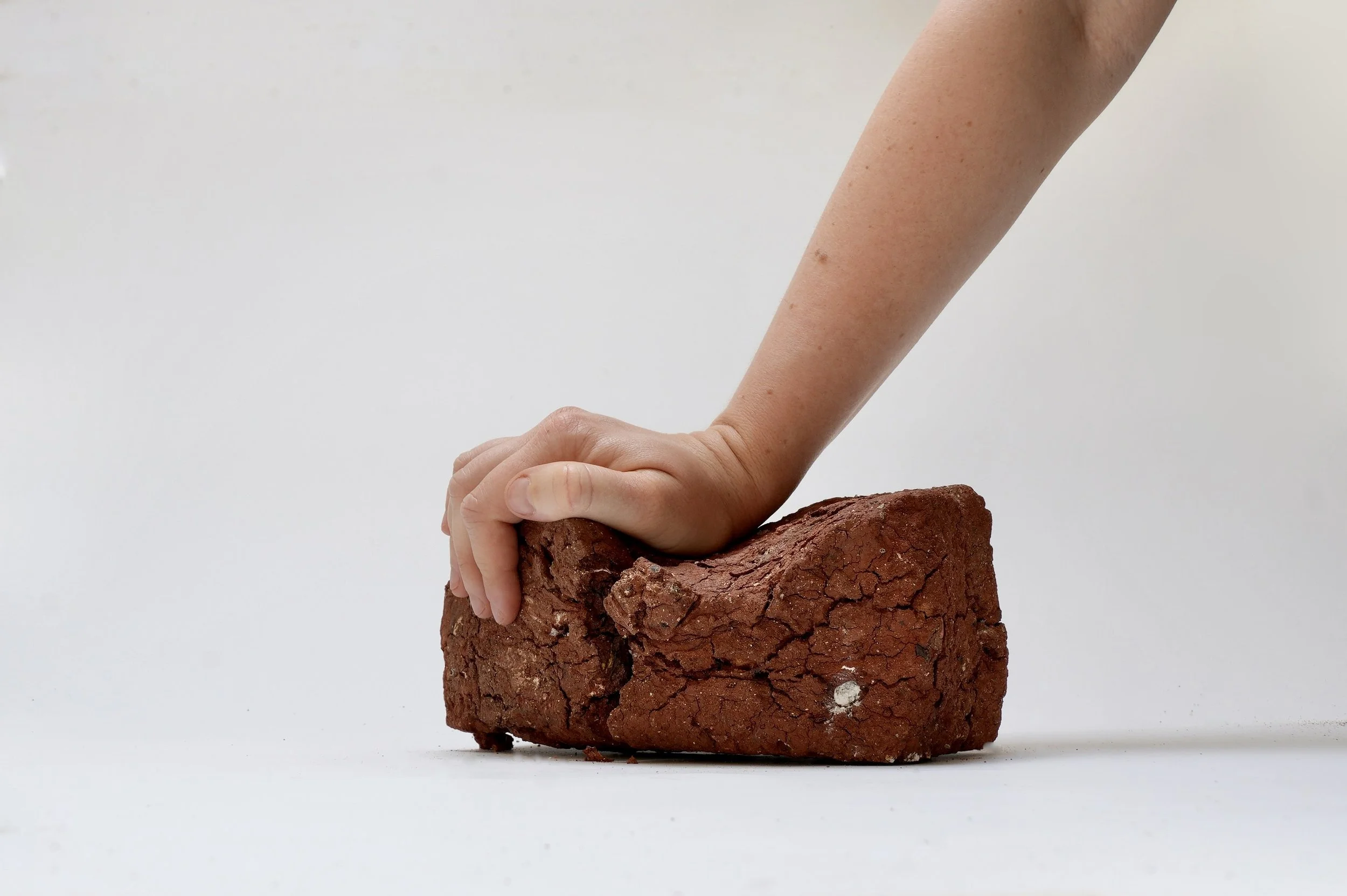
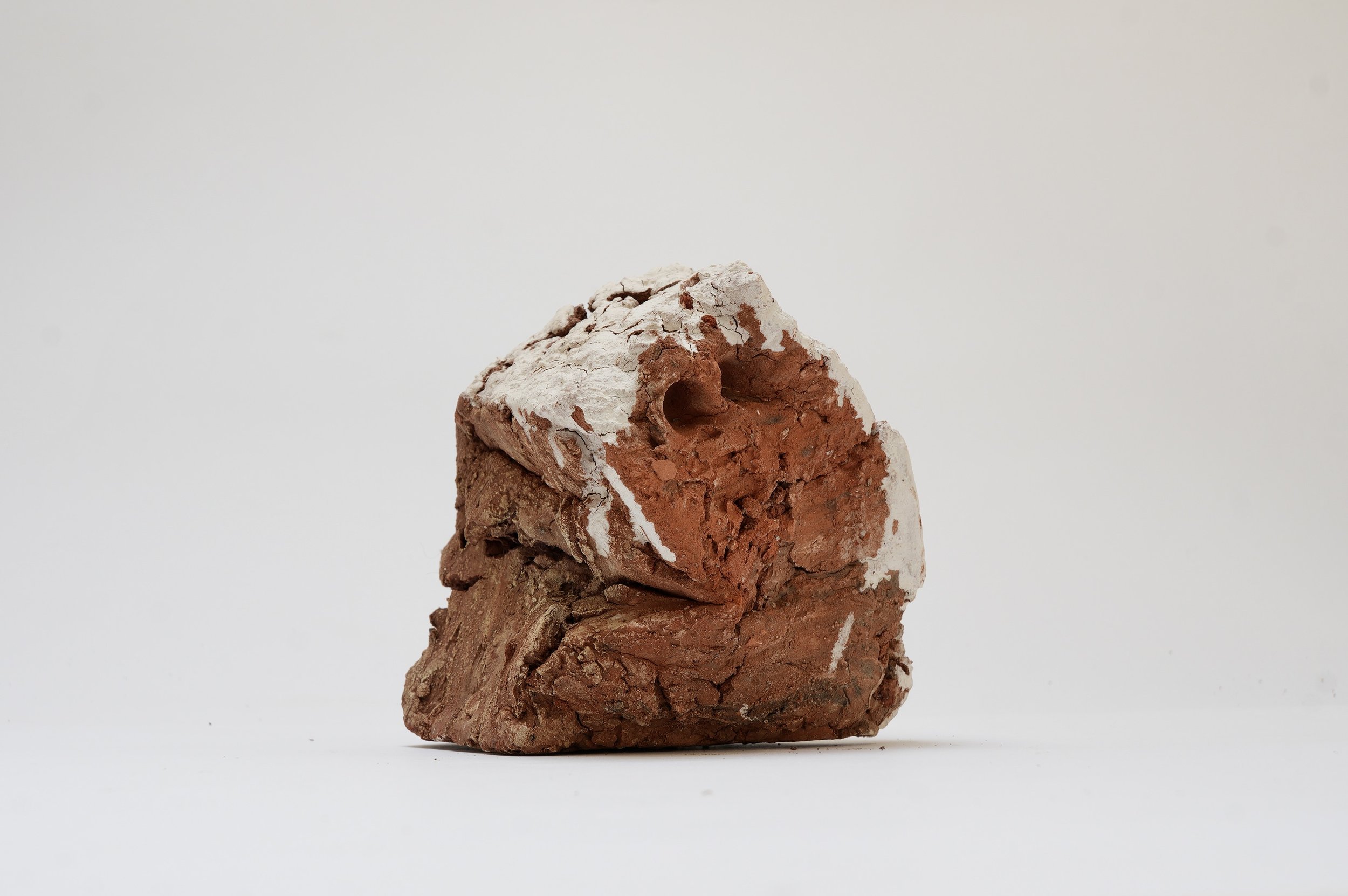
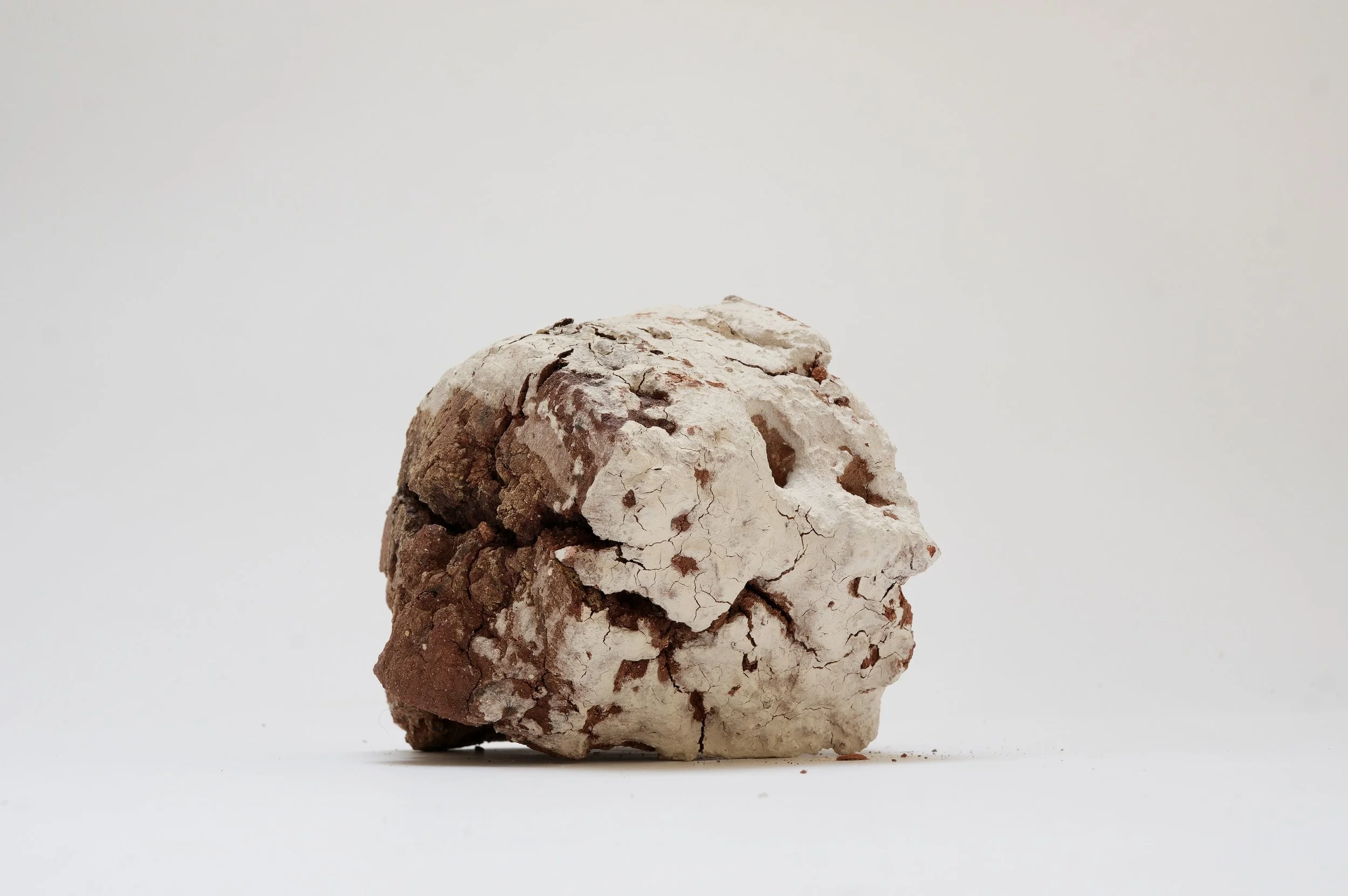
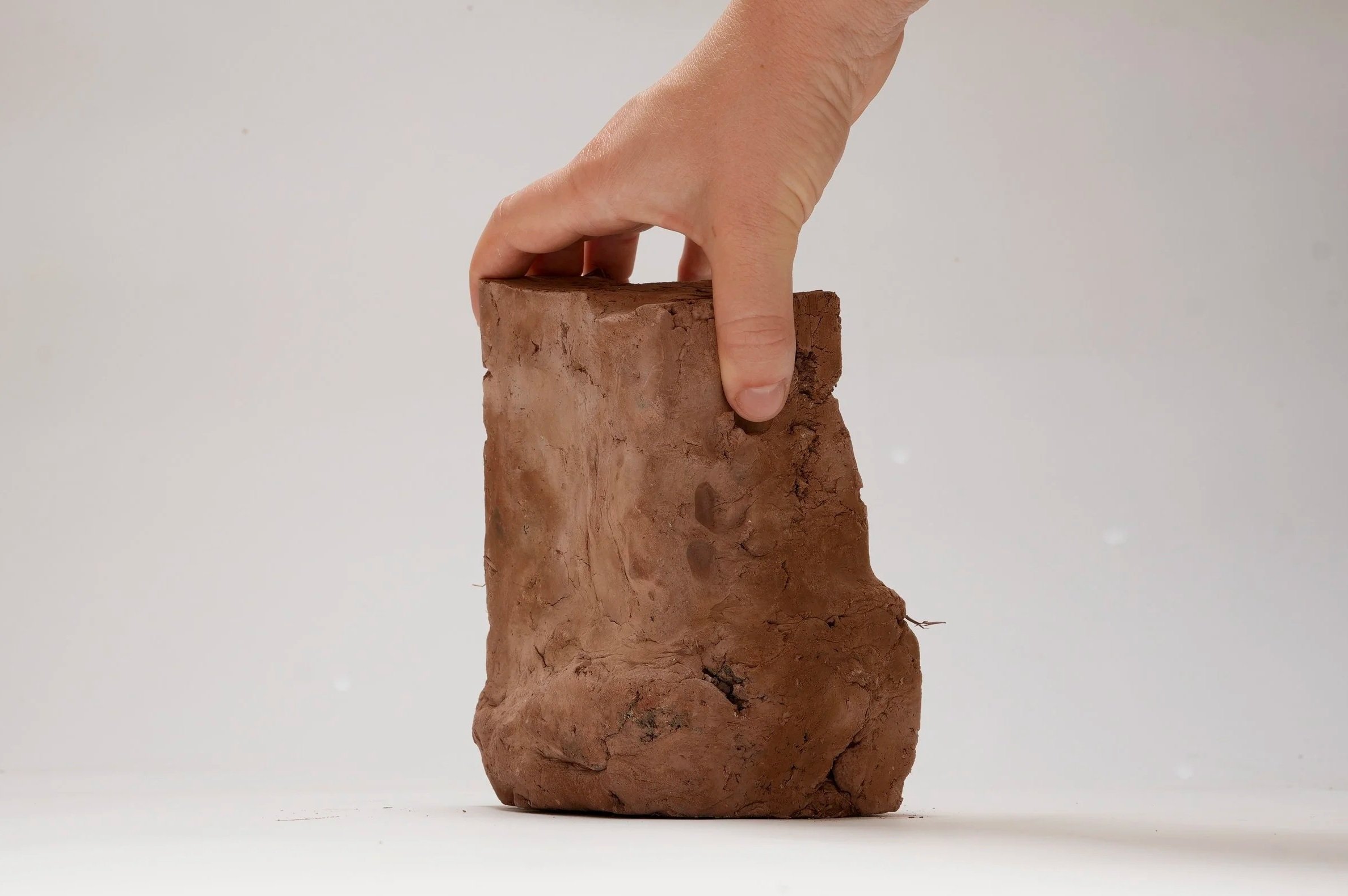
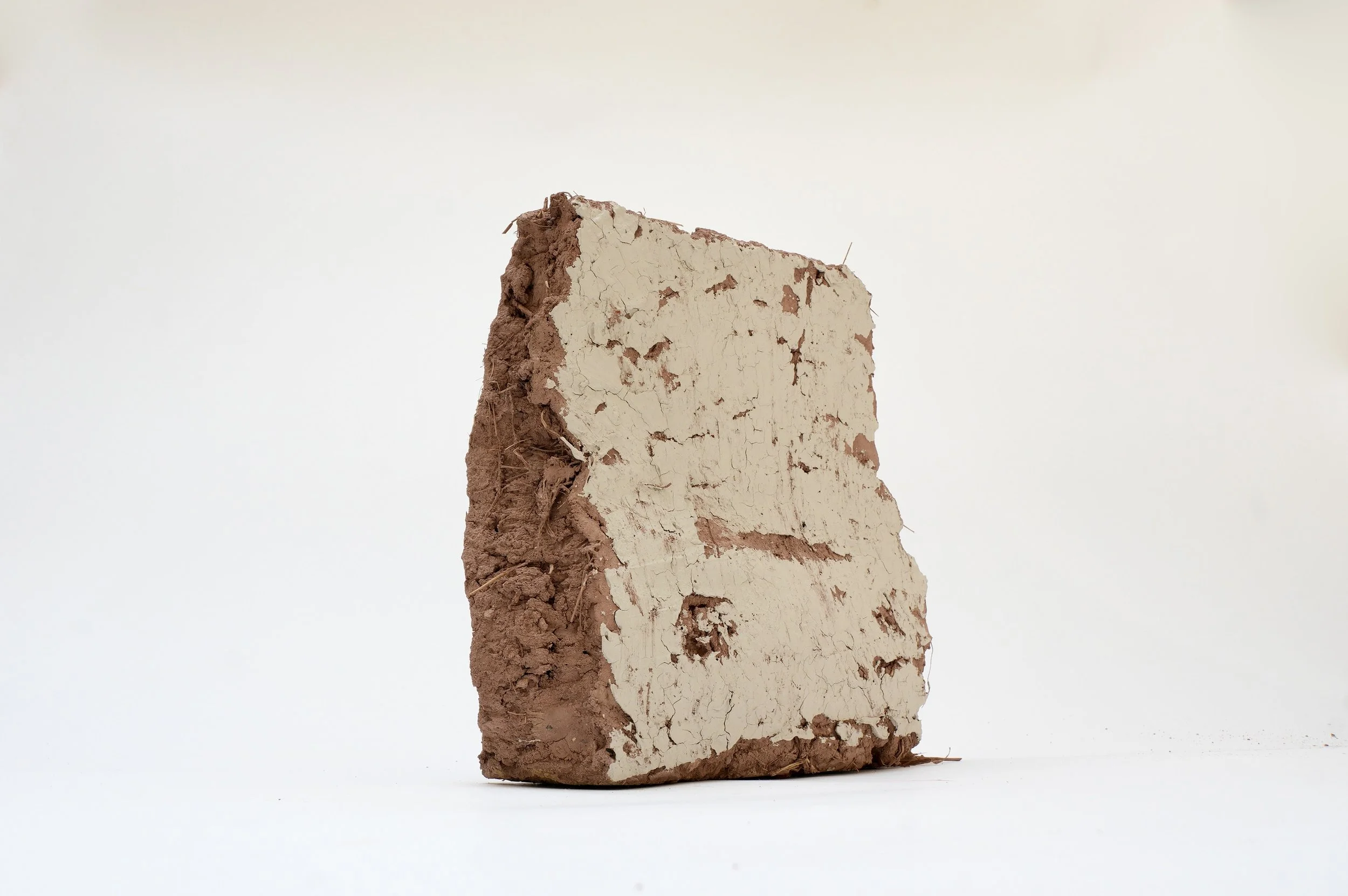
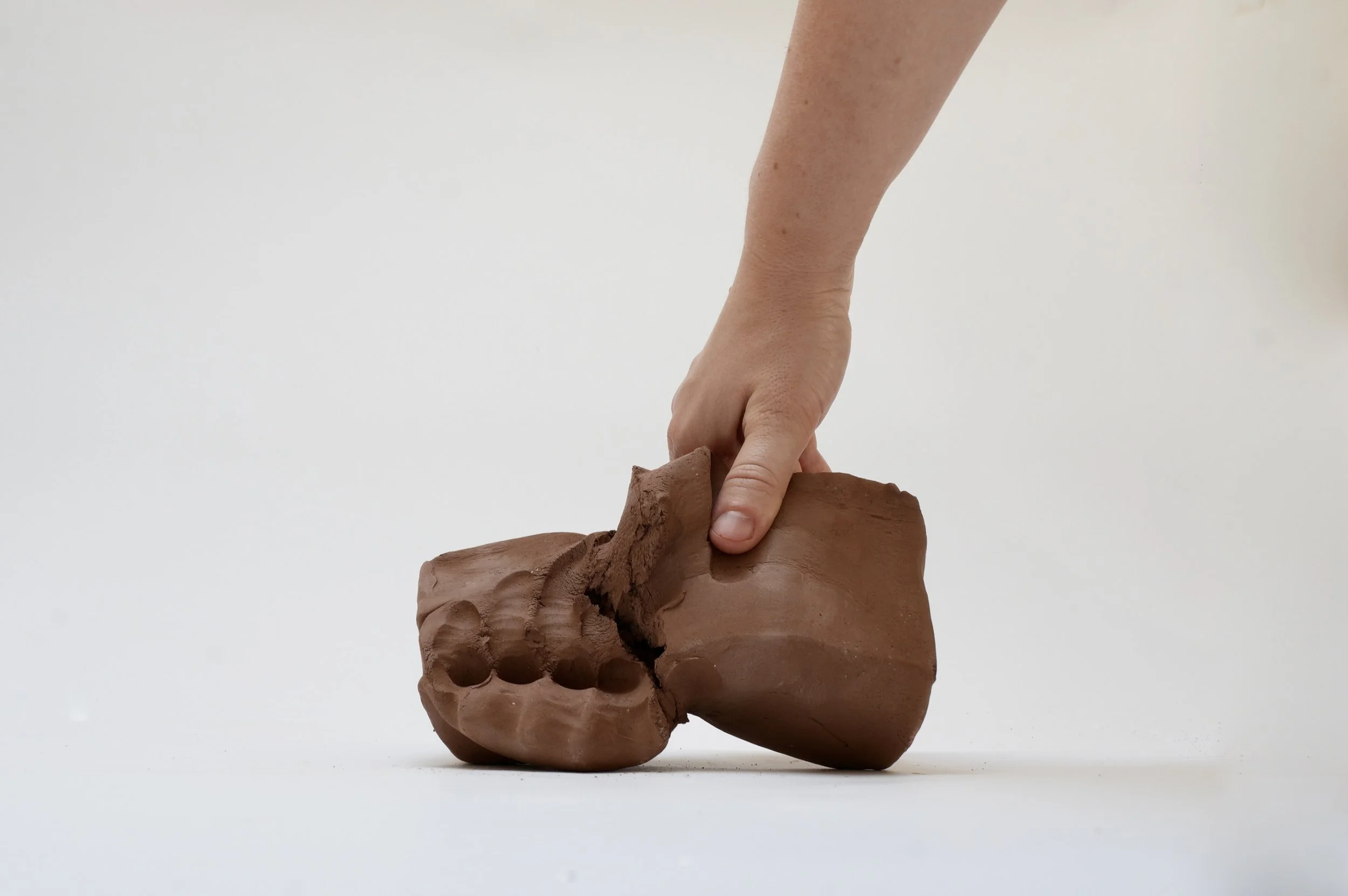
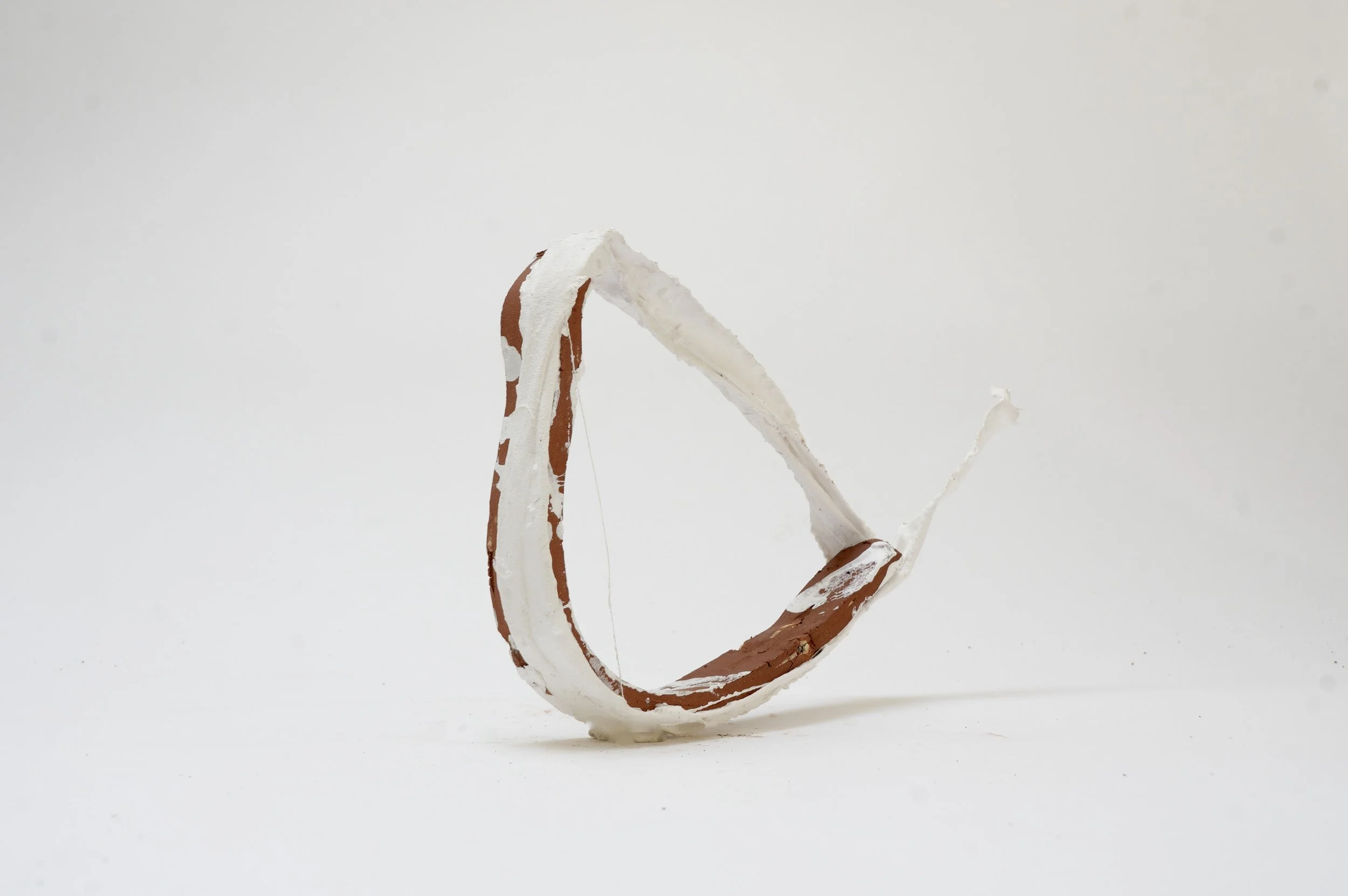
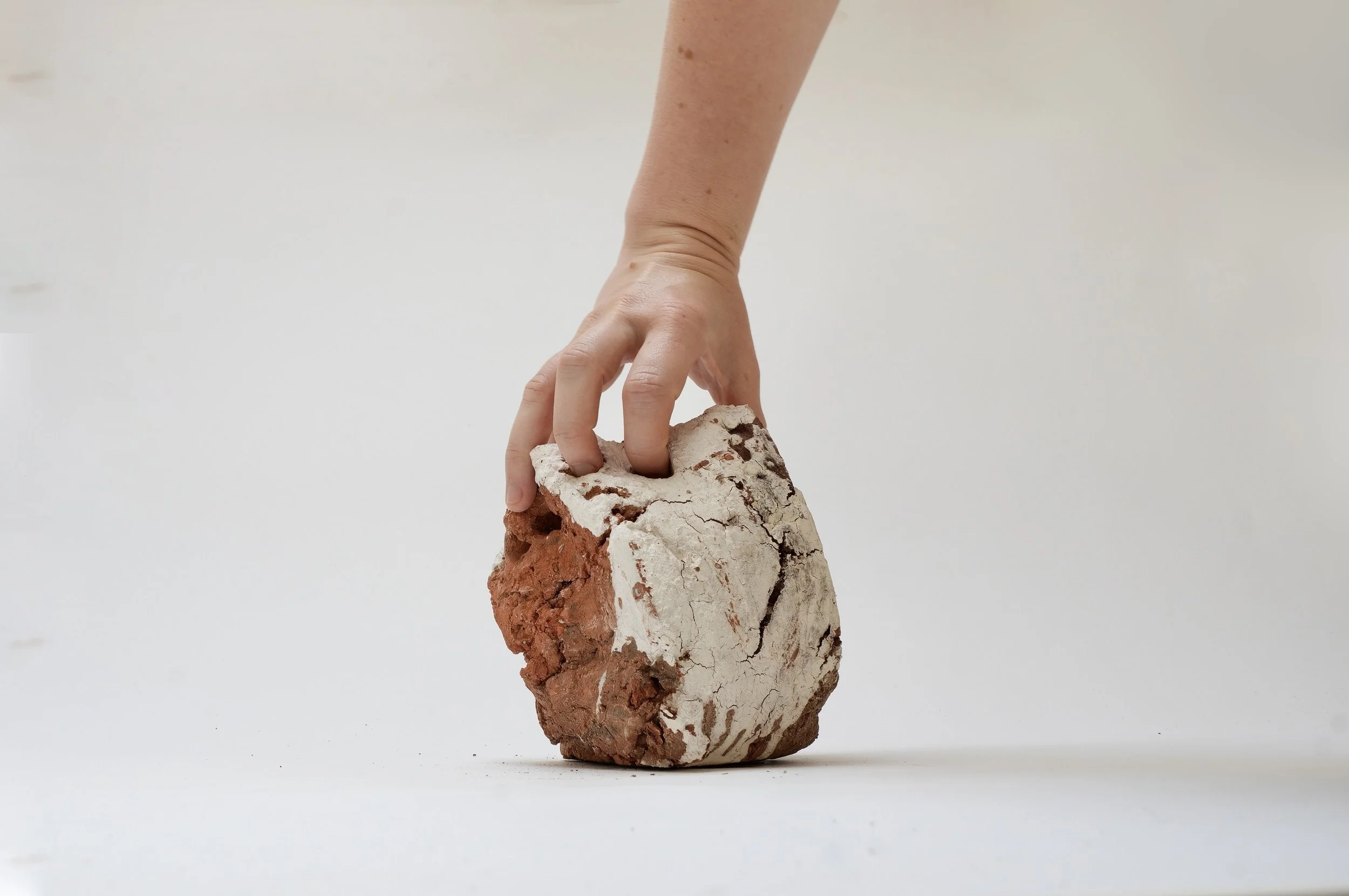
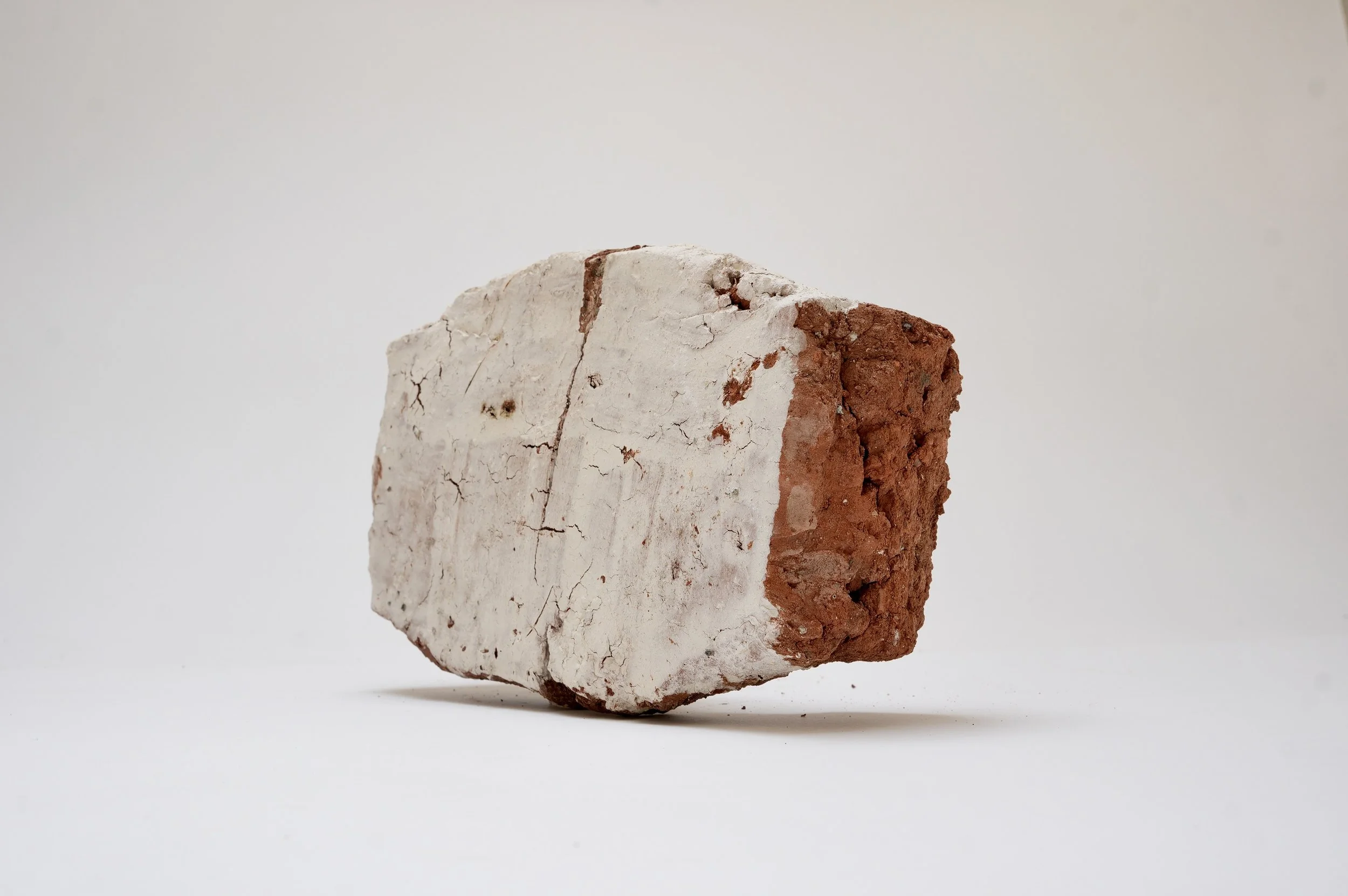
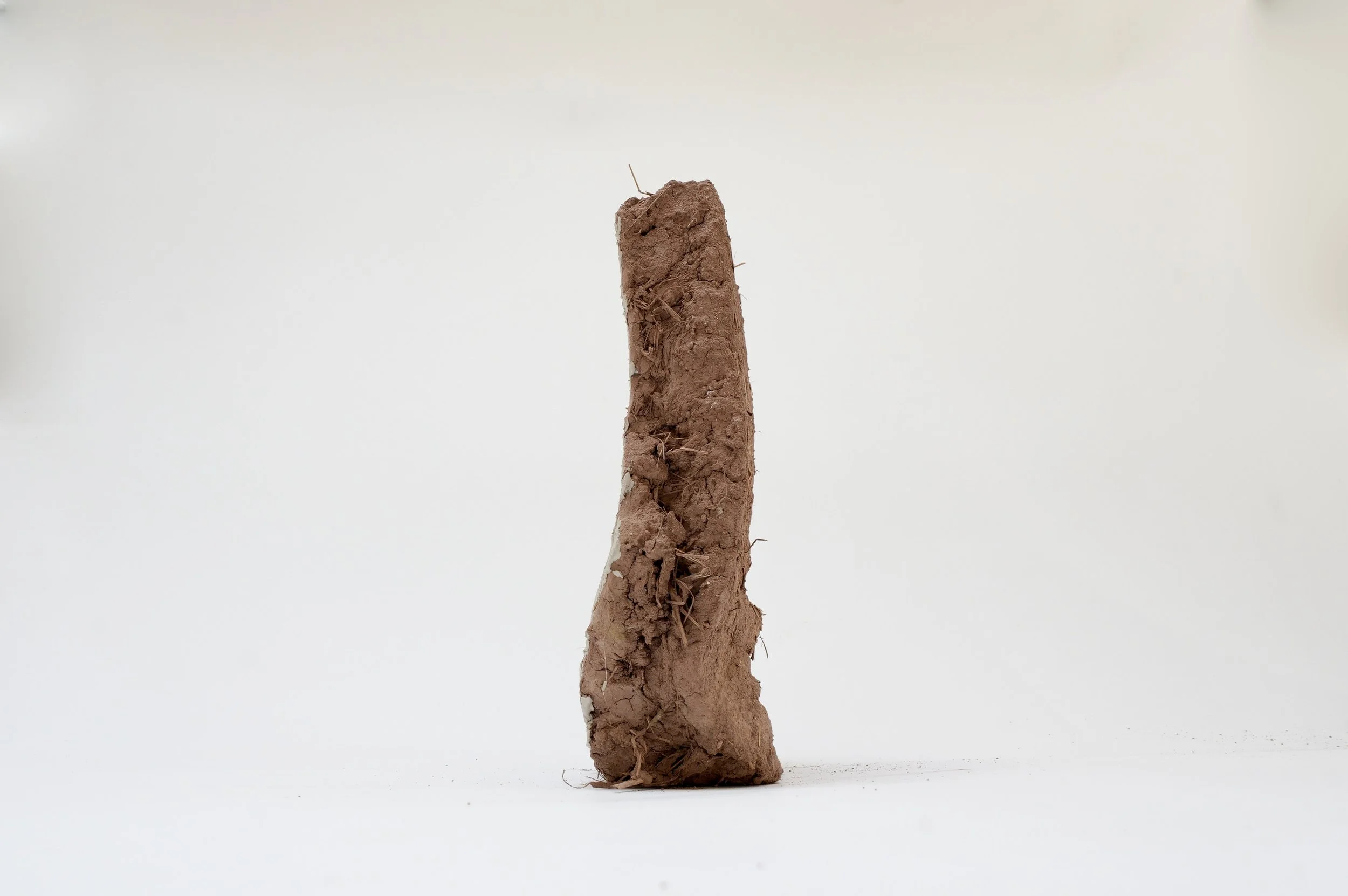
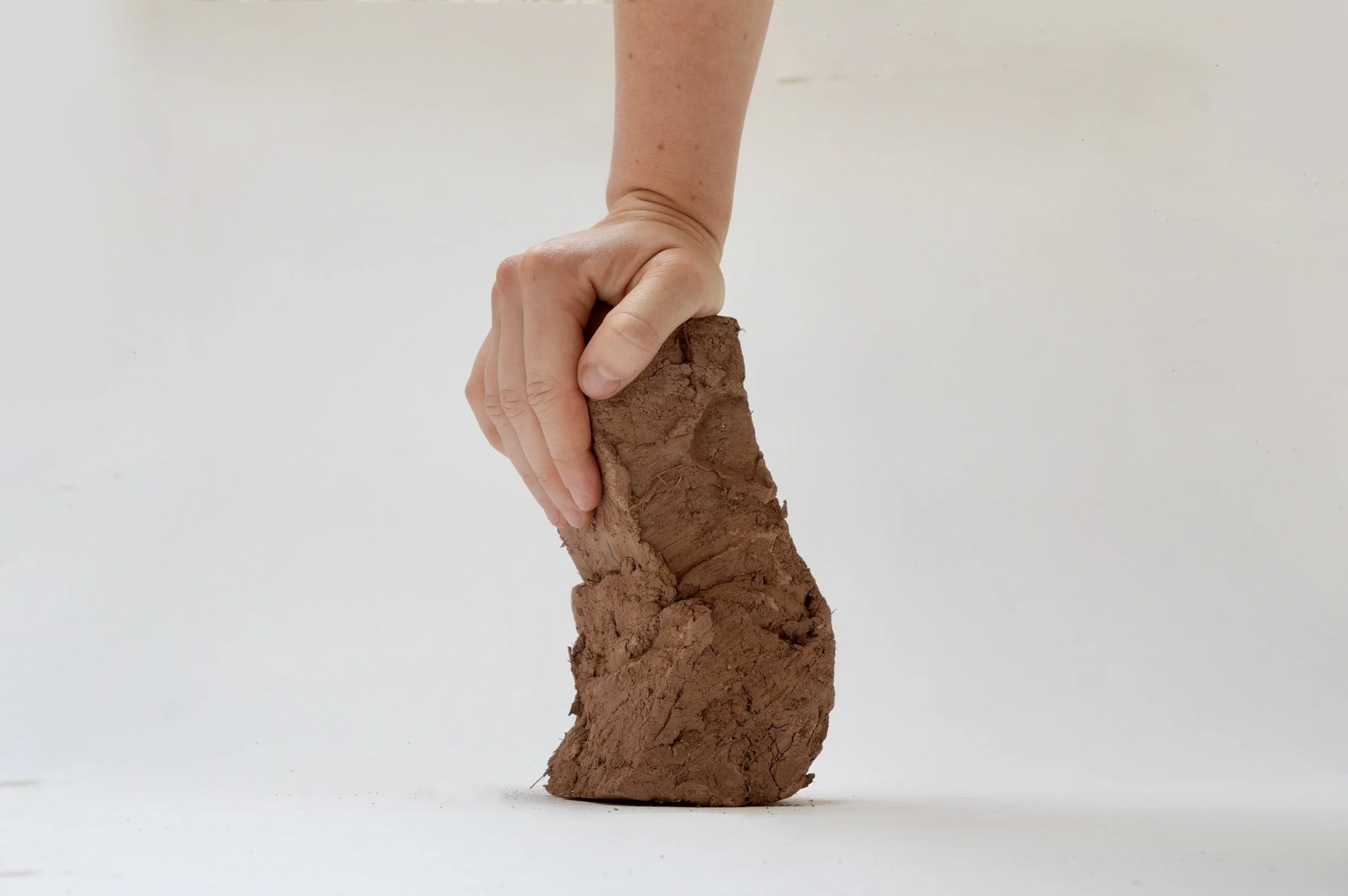
Central to the project was an investigation into the physical processes of brickmaking. Rather than focusing on the finished brick, I was interested in the actions involved in its production: moulding, extrusion, pressing, cutting, drying, stacking and firing. These repetitive processes became a framework for sculptural experimentation, examining how the body negotiates weight, repetition, scale and resistance through clay. Alongside these industrial processes, I explored vernacular earth-building techniques including cob and lime construction, bringing them into conversation with traditional North Devon ceramic processes such as slip trailing, casting and hand-building.
Fieldwork formed a significant part of the residency. Through walking, gathering and material testing, I investigated the geology of North Devon, collecting clays from sites including Meeth Quarry Nature Reserve, Peppercombe Beach, and the Rivers Torridge and Taw. The research explored the region's contrasting clay resources, including the internationally significant ball clay deposits of the Petrockstowe Basin around Meeth, historically used to produce the white slips associated with North Devon ceramics, alongside the iron-rich secondary clays that have long been used for red earthenware, bricks and building materials.
Walking the Rivers Torridge and Taw allowed me to retrace historic transport routes through which clay, bricks and ceramics were distributed across Devon and beyond, considering how the rivers functioned as essential infrastructure within the region's material economy.
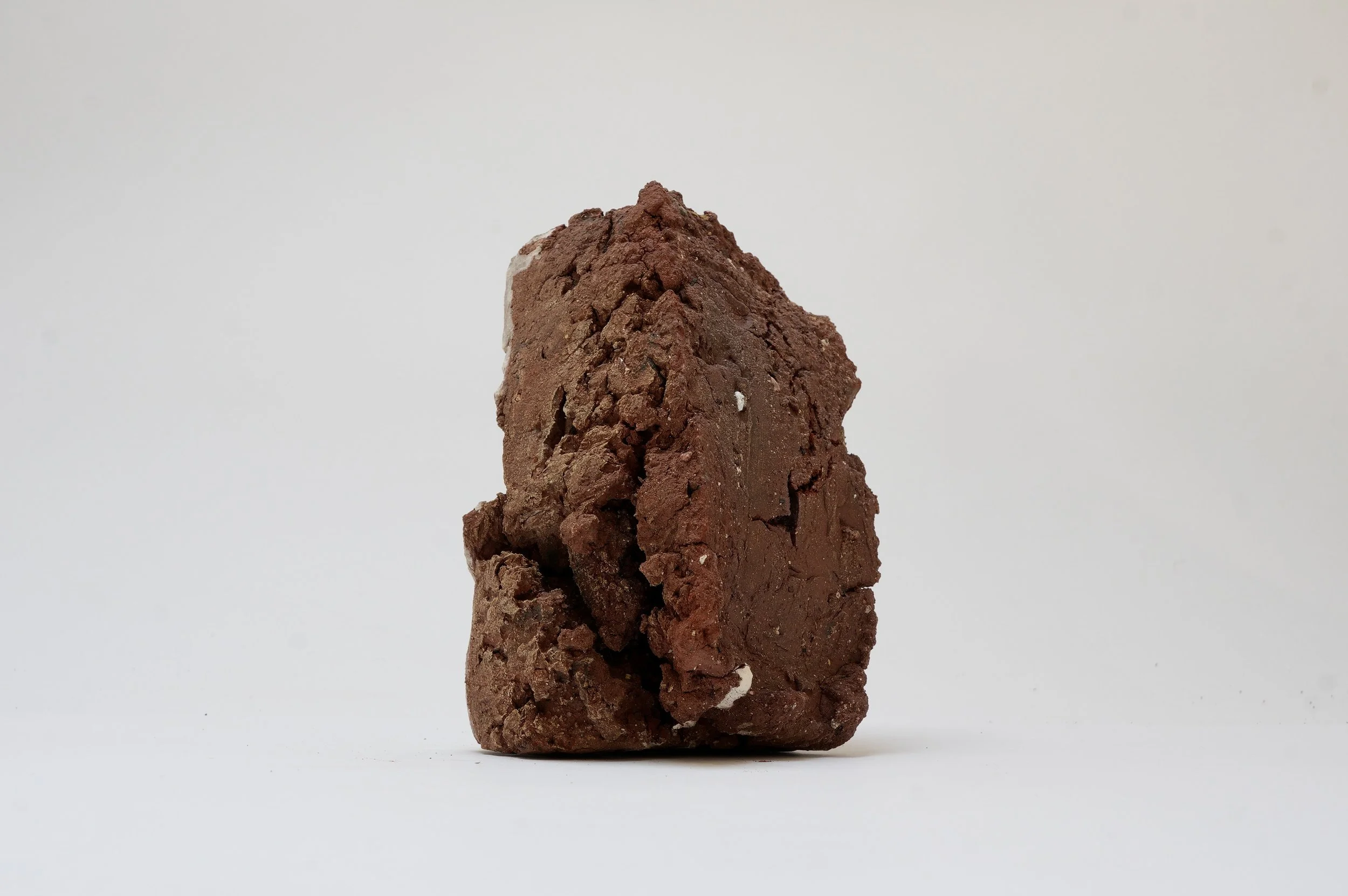
Throughout the residency, I developed an evolving archive of locally sourced clay samples, brick typologies, moulds, tools and process-led material experiments. Research into historic brick forms, manufacturing methods and architectural details informed a new body of sculptural work that drew upon both industrial and vernacular making traditions while remaining rooted in contemporary sculptural practice. This also included experimenting with traditional brick clamp-firing methods alongside the use of unfired clay and cob mixes, allowing historical construction techniques to inform new sculptural processes.
The residency culminated in an exhibition bringing together the research developed throughout the project. Alongside a series of resolved sculptural works, the exhibition presented raw clay samples collected from across North Devon, material tests, moulds, tools, playful experiments and process-led studies, making the research process visible alongside the finished works. Interactive elements invited visitors to handle materials and engage with the physical processes of making, creating opportunities to explore the relationships between clay, geology, architecture and the body.